Main Courses
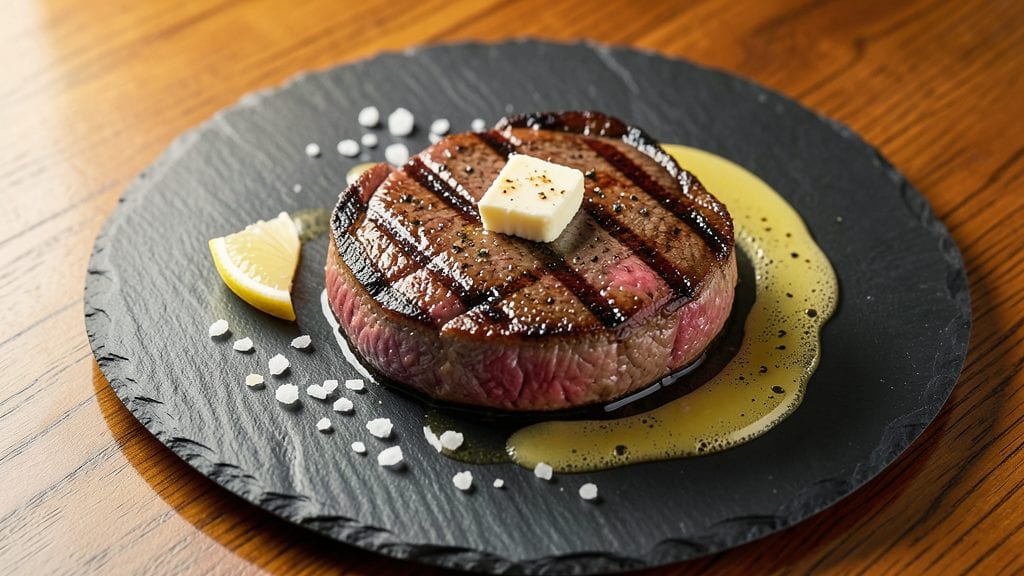
Mastering the perfect beef top loin New York strip steak boneless recipe transforms weeknight dinners into restaurant-quality experiences. The key lies in precise seasoning and high-heat searing to create that signature blistering crust while preserving a buttery, tender center.
I've perfected this method after years of testing, and the results speak for themselves—juicy, flavorful steaks that impress even the most discerning palates.
This recipe focuses on simplicity without sacrificing quality, using just five essential ingredients to elevate the natural richness of the steak. The process requires minimal prep time but delivers maximum impact, with a total cooking time of under 20 minutes once you get started.
Professional chefs rely on this technique for its reliability and consistency, and you can achieve the same results at home with the right approach.
What you'll achieve is steak with a deep mahogany crust that crackles with each bite, encasing perfectly pink, melt-in-your-mouth beef. The proper internal temperature of 130-135°F for medium-rare ensures optimal tenderness while maintaining that ideal balance of doneness.
This method works equally well for grilling, pan-searing, or broiling, giving you flexibility for any cooking setup.
Serve your steak with classic sides like roasted garlic mashed potatoes or a simple arugula salad with lemon vinaigrette to complete the meal. The presentation is just as important as the cooking process—resting the steak properly and slicing against the grain makes all the difference in texture and presentation.
Let's get started on creating your perfect steak.
Ingredients for beef top loin new york strip steak boneless
Five core ingredients. One perfect steak. Restaurant quality at home.
| Ingredient | Amount | Notes |
|---|---|---|
| Beef Top Loin New York Strip Steak Boneless 🥩 | 1 ½ lb | Center-cut, 1-1.5 inches thick |
| Kosher Salt 🧂 | 1 ½ tsp | Diamond Crystal preferred |
| Freshly Ground Black Pepper 🌶️ | 1 tsp | Coarse grind preferred |
| Extra-Virgin Olive Oil 🫒 | 2 tbsp | High smoke point preferred |
| Butter 🧈 | 2 tbsp | Unsalted, cold and cubed |
The steak is everything here. Center-cut, 1-1.5 inches thick New York strips are non-negotiable—thinner cuts won't develop that signature crust. Costco and Whole Foods carry the best quality, but any reputable butcher will have it. Look for beef with good marbling—those little white flecks of fat are what make it melt-in-your-mouth tender. If you're buying frozen, thaw it in the fridge overnight for even cooking. The salt matters too—Diamond Crystal kosher dissolves perfectly and doesn't clump.
No extra-virgin olive oil? Avocado oil works just as well—high smoke point is key. Short on butter? Ghee or clarified butter gives the same rich finish without burning. The pepper should be freshly ground—pre-ground loses potency fast. If you're using a cast-iron skillet, preheat it on the stove for 5 minutes before adding oil. For a smoky touch, add 1/2 tsp smoked paprika to the seasoning. And if your steak is thicker than 1.5 inches, pound it gently to even thickness—this ensures perfect doneness throughout.
Steaks rest best on a warm plate—just place the plate in the oven for 2 minutes before serving. The crust stays intact for 10-15 minutes after resting, so don't rush slicing. Store leftovers in an airtight container with a paper towel between slices to prevent sticking. Keeps for 3-4 days in the fridge, but honestly, they're best eaten fresh. For meal prep, freeze portions in individual portions—thaw overnight in the fridge before reheating (never microwave).
Why You'll Love This Recipe
- Two-Ingredient Magic: The secret’s in the salt and pepper—just two things, but they transform that steak into something ridiculously good. I swear, the way the crust forms on the outside while the inside stays juicy? That’s all thanks to letting the seasoning work its magic.
- Weeknight Hero: No fancy marinades, no last-minute prep—I pull this together in 15 minutes flat. Sear it in olive oil, finish with butter, and boom: dinner’s ready before the kids even notice it’s missing.
- Leftovers That Don’t Suck: Cold slices the next day? Still tender, still packed with flavor. I slice mine thin, toss with a splash of olive oil, and call it a wrap—no one complains, and my wallet stays happy.
- Date Night or Tuesday: Fancy enough for a steakhouse vibe but simple enough for a lazy night in. The rich, buttery finish makes it feel special, even if I’m wearing pajama pants. (Yes, even on a Tuesday.)
Step-by-step instructions for beef top loin New York strip steak boneless
Here's how to cook this premium cut to perfection—crispy crust, juicy interior, every time.
🔥 Step 1: Prep the Steak for Maximum Flavor
Remove the beef top loin New York strip steak boneless from the refrigerator and let it sit at room temperature for 30-45 minutes. This ensures even cooking throughout. Pat the steak dry completely with paper towels—moisture is the enemy of a proper sear. I press firmly on all sides, even the thickest parts, to remove any surface moisture that would steam instead of brown.
Season aggressively with 1.5 teaspoons kosher salt and 1 teaspoon freshly ground black pepper. I like to use my fingers to press the seasoning into the meat, especially on the thickest parts. Let the seasoned steak rest uncovered on a wire rack for 15 minutes before cooking. This resting period allows the salt to penetrate slightly and the surface to dry out further, which is crucial for that perfect crust.
🍳 Step 2: Create the Perfect Searing Environment
Heat a heavy cast-iron skillet over high heat until it's screaming hot—you should see a shimmer of heat waves when you hold your hand about 2 inches above the pan. Add 2 tablespoons extra-virgin olive oil and let it get fully heated for 2-3 minutes. The oil should be shimmering but not smoking excessively. If it starts smoking too much, reduce the heat slightly.
Add the 2 tablespoons cold cubed butter to the hot skillet. The butter should foam and sizzle immediately—this is your signal that the pan is ready. Let the butter melt completely, about 1-2 minutes, until it turns a rich golden color. This butter basting is what creates that incredible flavor and helps build the crust. Don't walk away during this step—you want to keep the pan at that perfect high heat.
🔥 Step 3: Sear to Develop Crust and Cook to Perfection
Place the steak in the skillet, pressing down gently with a spatula during the first 1-2 minutes of cooking. This ensures even contact with the hot surface. Cook undisturbed for 3-4 minutes on the first side until a deep golden-brown crust forms. You'll see the edges start to crisp—that's your signal to flip.
Flip the steak and add any accumulated butter and juices from the pan back over the top. Cook for another 3-4 minutes on the second side, again pressing gently during the first minute to prevent curling. For a medium-rare doneness (which is ideal for this cut), the internal temperature should reach 125-130°F on a meat thermometer. If you don't have a thermometer, use the touch test: the steak should feel slightly soft in the center but spring back when pressed firmly with your finger.
⏰ Step 4: Rest and Slice for Maximum Juiciness
Transfer the steak to a cutting board and let it rest for 8-10 minutes. This resting period is absolutely critical—it allows the juices to redistribute throughout the meat instead of running out onto your plate. I like to tent the steak loosely with aluminum foil during this time to keep it warm.
Slice the steak against the grain into ½-inch thick slices. The grain runs lengthwise, so you'll see the muscle fibers running parallel to the length of the steak. Cutting against the grain shortens the muscle fibers, making each bite more tender. Serve immediately with any pan juices spooned over the top for maximum flavor.
Pro Tips For Making Beef Top Loin New York Strip Steak Boneless
- CRANK THE HEAT FAST: That first sear isn’t just for looks—it’s what locks in flavor. Get your cast-iron screaming hot (5-7 minutes on high) before adding oil, or you’ll end up with a sad, gray steak instead of a caramelized crust. I learned this the hard way after serving a batch that tasted like it was cooked over a campfire instead of a stove.
- SALT LIKE IT’S 1950: Don’t just sprinkle salt on top—get it in there. Pat the steak dry first, then rub 1½ teaspoons of kosher salt (about ½ teaspoon per side) all over, pressing hard enough to leave visible grains. This isn’t just seasoning; it’s the first layer of flavor that’ll melt into the meat as it cooks.
- STOP THE POKING SHOW: Every time you stab that steak with a fork or thermometer, you’re pushing out juices and inviting dryness. Use tongs instead, and if you must check doneness, do it just once—aim for 130°F for medium-rare, then let it rest. I was skeptical until I tried it; the difference is night and day.
- BUTTER IT UP LATE: Add that pat of butter and herbs in the last 30 seconds of cooking, not at the start. The high heat will turn it into a glossy, aromatic sauce that clings to the steak instead of burning into a bitter sludge. Yes, even if you’re impatient like me—wait for it.
Regional styles of this dish
Classic American Style
The American approach to New York strip steak focuses on simplicity and bold flavors.
I like to serve mine with classic sides like creamy mashed potatoes (made with 2 tablespoons butter and ½ cup whole milk per pound of potatoes) and grilled asparagus tossed with lemon zest and toasted almonds. The key is balancing the richness of the steak with bright, fresh elements.
For an extra touch, I garnish with chopped parsley and a drizzle of reduced balsamic glaze—just 2 tablespoons balsamic vinegar simmered for 5 minutes with 1 teaspoon honey. 🍽️
Texas BBQ Twist
In Texas, they take steak to another level by incorporating smoky, spicy elements. After searing the steak as directed, I finish it with a smoky chipotle butter—mix 2 tablespoons softened butter with ½ teaspoon chipotle powder and ¼ teaspoon smoked paprika.
Serve with Texas toast (thick-cut white bread grilled with 2 tablespoons butter and 1 minced garlic clove) and pickled red onions (soak ½ cup thinly sliced red onions in ¼ cup apple cider vinegar and 1 teaspoon sugar for 30 minutes). The acidity cuts through the richness beautifully.
French Bistro Elegance
For a refined French-inspired version, I elevate the presentation with truffle-infused butter. After searing, I melt 2 tablespoons butter with ½ teaspoon truffle oil and 1 crushed garlic clove, then spoon it over the steak.
Serve with ratatouille (a classic Provençal vegetable stew) and crusty baguette for dipping in the pan juices. A simple red wine reduction—simmer ½ cup dry red wine with 1 tablespoon butter until reduced by half—adds a sophisticated touch.
The French focus on minimal seasoning but maximum technique, so I keep the salt and pepper to 1 teaspoon each and let the natural beef flavors shine.
Japanese Teppanyaki Influence
In Japanese teppanyaki style, the steak is cooked quickly over high heat and finished with a sweet-savory glaze. After searing, I deglaze the pan with 2 tablespoons soy sauce and 1 tablespoon mirin, then simmer for 1 minute until slightly thickened.
Toss the steak in this sauce and serve with steamed jasmine rice and quick-pickled cucumbers (slice ½ English cucumber and toss with 2 tablespoons rice vinegar, 1 teaspoon sugar, and ½ teaspoon salt).
The umami from the soy sauce complements the beef perfectly, while the pickles add a refreshing crunch. 🍶
Italian Trattoria Approach
An Italian trattoria would serve this steak with a rosemary-infused crust. After seasoning, I rub the steak with 1 teaspoon finely chopped fresh rosemary before searing.
Serve with creamy polenta (cooked with 4 cups chicken broth and 1 cup cornmeal) and a simple arugula salad dressed with lemon juice and olive oil. For extra flavor, I finish the steak with a drizzle of aged balsamic vinegar and a sprinkle of flaky sea salt.
The rosemary adds an aromatic depth that pairs wonderfully with the rich beef.
Modern Fusion Twist
For a contemporary take, I blend techniques—start with the classic sear, then finish the steak with a gochujang glaze (mix 1 tablespoon gochujang, 1 teaspoon honey, and ½ teaspoon sesame oil). Serve with kimchi (for tangy contrast) and sesame seeds sprinkled over the top.
This fusion highlights the steak's natural richness while adding layers of spicy, sweet, and umami flavors. The gochujang glaze adds a vibrant red color that makes the dish visually striking. 💡
Nutrition facts
Frequently asked questions
What's the best way to choose a quality beef top loin New York strip steak?
Look for a center-cut, 1-1.5 inches thick steak with good marbling—those white fat flecks throughout the meat ensure tenderness. Avoid steaks with grayish edges or excessive lean. Buy from trusted sources like Costco, Whole Foods, or your local butcher, and always check for a bright red color and firm texture. If buying frozen, thaw it in the fridge overnight for even cooking.
Can I cook this steak without a meat thermometer?
Yes! For medium-rare (the ideal doneness), use the touch test: press the center gently with your finger. If it feels slightly soft but springs back, it's perfect. For medium, it should feel slightly springy but yield more easily. Remember, the steak will rise 5°F while resting, so pull it out slightly before it reaches your target temp.
Why is resting the steak so important?
Resting for 8-10 minutes after cooking lets the juices redistribute throughout the meat instead of pooling on your plate. If you cut into it too soon, you'll lose 30-40% of its natural juices, resulting in a dry steak. Tent it loosely with foil to keep it warm while resting—this also helps the crust stay intact for easier slicing.
What if my steak comes out unevenly cooked?
Uneven cooking usually means the steak was too thick in some areas. For future attempts, pound thicker sections gently with a meat mallet to even the thickness. If it's already cooked, you can slice it carefully and serve the perfectly cooked portions first. For next time, consider buying a uniformly thick steak or cutting it yourself at the butcher's counter.
How can I make this recipe work on a grill?
Preheat your grill to high heat (450-500°F) and clean the grates thoroughly. Season the steak as directed, then oil the grates and steak lightly. Sear for 3-4 minutes per side (for 1-inch thickness) or until you get a deep crust. Use a meat thermometer to check internal temp, and finish with a 2-minute rest on the grill before serving. The high heat works the same way as a cast-iron skillet for that perfect crust.