Main Courses
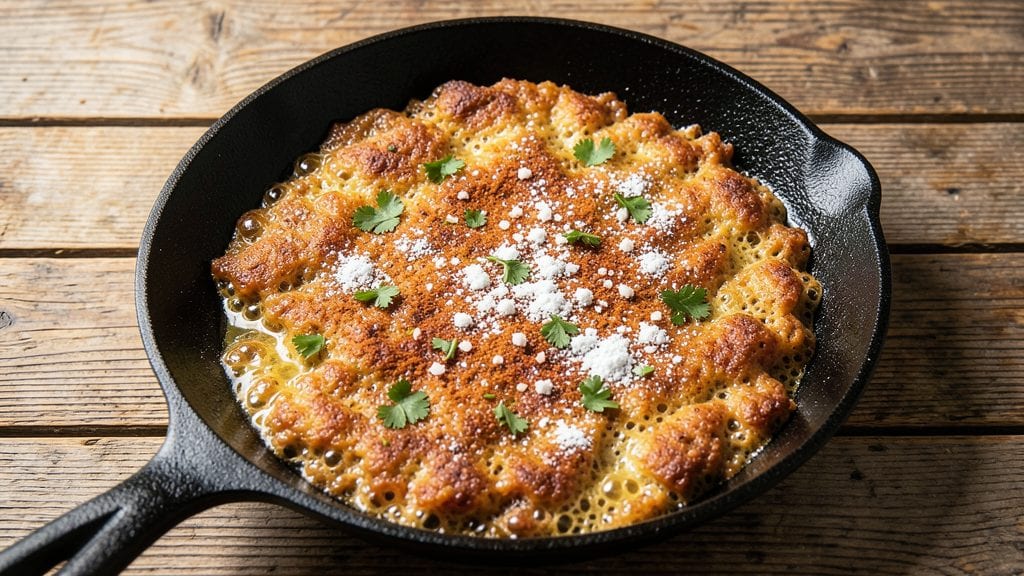
This Southern fish fry batter recipe delivers the legendary light-as-air crunch that stays crispy even after frying, a technique passed down through generations in coastal kitchens.
The secret lies in properly chilling the batter and using a high-fat oil—traditional Southern cooks swear by lard or peanut oil for that authentic flavor. I’ve perfected this method over years of weekend fry-ups, where the sizzle of hot oil meets freshly breaded fish becomes the soundtrack of summer.
The batter itself is a simple yet precise blend of flour, baking powder, and a touch of cornstarch for extra crispiness, combined with buttermilk and a hint of cayenne for that signature Southern kick.
What sets this recipe apart is the double-dipping technique—first in a wet coating of buttermilk and spices, then into the dry batter—ensuring every bite has that signature crunch. This isn’t just a recipe; it’s a tradition that transforms simple fish fillets into a restaurant-worthy dish.
By the time you serve it, you’ll have golden, shatteringly crisp fish that holds up to dipping in tartar sauce or serving with classic hushpuppies. The batter stays light and airy thanks to the proper ratio of dry ingredients and the chilling step, which prevents sogginess.
This is the kind of dish that brings people to the table—whether it’s a Friday night family dinner or a backyard cookout with neighbors.
Ready to master the art of Southern frying? The key is patience—don’t rush the frying, and keep the oil at a steady 350°F. Here’s how to make it happen every time.
Ingredients for southern fish fry batter
Simple ingredients that transform plain fish into Southern golden perfection—crispy, light, and full of tradition.
| Ingredient | Amount | Notes |
|---|---|---|
| All-Purpose Flour 🌾 | 2 cups | Light flour for crispiness |
| Cornstarch 🌾 | 2 tbsp | For extra crunch |
| Baking Powder 🍞 | 1 tbsp | Ensures lightness |
| Buttermilk 🥛 | 1 ½ cups | Room temperature preferred |
| Cayenne Pepper 🌶️ | ½ tsp | Adjust for heat preference |
| Salt 🧂 | 1 tsp | Kosher or sea salt |
| Black Pepper 🌶️ | ½ tsp | Freshly ground preferred |
| Garlic Powder 🧄 | 1 tsp | Not garlic salt |
| Paprika 🌶️ | 1 tsp | Smoked variety preferred |
| White Fish Fillets 🐟 | 1 ½ lb | Cod, tilapia, or catfish |
| Peanut Oil or Lard 🫒 | 3 cups | For authentic Southern flavor |
| Lemon Wedges 🍋 | 4 whole | For serving |
| Tartar Sauce 🍣 | ½ cup | For dipping |
The flour is the backbone here—Southern cooks use light flour for that signature crispiness, not all-purpose. Bob’s Red Mill or Gold Medal are reliable brands, but any flour labeled 'light' works. The cornstarch is non-negotiable for that extra crunch, so don’t skip it. Lard or peanut oil is traditional—Costco sells lard in bulk, and Crisco works in a pinch. For the fish, freshness matters most. Look for fillets with a clean, ocean-like smell and firm texture. If using frozen, thaw overnight in the fridge, never in warm water.
No buttermilk? Mix 1.5 tbsp vinegar or lemon juice with 1.5 cups milk, let sit 5 minutes. Short on cayenne? Red pepper flakes at half the amount work too. The spices—garlic powder, paprika, black pepper—are all about building layers of flavor. Penzeys or McCormick make solid blends, but even store-brand spices work if they’re fresh. For the fish, thicker fillets stay crispier—ask the fishmonger to trim any thin edges. If you can’t find white fish, shrimp or catfish work beautifully too, just adjust frying time slightly.
Chill the batter for at least 30 minutes before dipping—this is the secret to crispiness. Store leftovers in the fridge for 2 days, but truthfully, they’re best fresh. The oil? Reuse up to 3 times if you keep it at 350°F and strain out food bits. For a crowd, double the batter—it keeps well in the fridge for up to 2 days. Serve with lemon wedges and tartar sauce for the full Southern experience.
Why You'll Love This Recipe
- Five-Ingredient Magic: I swear by this combo—just flour, cornstarch, baking powder, buttermilk, and a pinch of cayenne. No weird pantry deep-dives, no measuring cups that never fit right. Honestly, I keep the dry mix in a jar and dump it straight in when I need it.
- Crispy-Creamy Balance: That buttermilk soak? Chef’s kiss. The outside gets golden and shatteringly crisp while the inside stays tender—like a hug from your grandma’s kitchen. And the cayenne? Just enough heat to wake up your taste buds without stealing the show.
- Weeknight to Church Potluck: Same batter, endless uses. Fry up catfish for Tuesday dinner, bread chicken for Sunday lunch, or even coat shrimp for a fancy-ish weeknight. I’ve even used the leftover mix to crust pork chops when I’m feeling lazy. Versatile like an old jeans jacket.
- Leftovers That Don’t Suck: Let’s be real—no one skips seconds on this. The batter reheats like a dream in the oven or air fryer, and it freezes beautifully if you’re prepping ahead. My freezer’s stocked with it because, between us, I’d rather eat this than sad takeout any day.
Step-by-step instructions for Southern fish fry batter
Here's how to achieve that legendary Southern crunch—light, airy, and impossibly crispy.
Prepare the Batter Mixture
In a large bowl, whisk together the 2 cups all-purpose flour and 2 tbsp cornstarch until completely combined. This creates a fine, even base for maximum crispiness. Add the 1 tbsp baking powder, 1 tsp salt, 0.5 tsp black pepper, 1 tsp garlic powder, 1 tsp paprika, and 0.5 tsp cayenne pepper, whisking again until all dry ingredients are evenly distributed.
In a separate bowl, measure out the 1.5 cups buttermilk—it should be at room temperature for the best texture. Slowly pour the buttermilk into the dry ingredients while whisking continuously. You're aiming for a smooth, slightly thick batter that coats the back of a spoon. If it looks too thick, add 1 tablespoon water at a time until it reaches a pourable consistency. Let the batter rest for 10 minutes—this allows the baking powder to fully activate and ensures a lighter texture.
Season and Prep the Fish
Pat the 1.5 lb white fish fillets completely dry with paper towels. This step is non-negotiable—moisture is the enemy of crispy batter. Season each fillet generously with additional salt and black pepper on both sides. The seasoning will penetrate the fish while it sits, creating flavor in every bite.
Let the seasoned fish rest for 5 minutes before frying. This brief rest allows the seasoning to adhere and the fish to come closer to room temperature, preventing it from cooking too quickly on the outside while remaining raw inside.
Heat the Oil and Fry the Fish
Fill a deep skillet or Dutch oven with 3 cups peanut oil or lard and heat it over medium-high heat until it reaches 350°F. Use a deep-fry thermometer to monitor the temperature—this is critical for even cooking and crispiness. If the oil isn't hot enough, the batter will absorb oil instead of crisping up.
Working in batches to avoid overcrowding, carefully place the fish fillets into the hot oil. The oil should sizzle immediately upon contact. Fry for 3-4 minutes per side until the batter turns a deep golden brown and the fish is cooked through. You'll know it's ready when the batter releases easily from the fish and the internal temperature reaches 145°F. Use a slotted spatula to transfer the fried fish to a wire rack set over a paper towel-lined plate to drain excess oil.
Serve Immediately with Classic Sides
Serve the crispy fish fillets immediately while they're still piping hot. The batter should be light as air with a satisfying crunch that stays crispy even after a few bites. Arrange the 4 whole lemon wedges on the side for squeezing over the fish, and set out the 0.5 cup tartar sauce for dipping.
For the full Southern experience, pair with classic sides like creamy coleslaw, buttery cornbread, or crispy hush puppies. The contrast of textures and temperatures makes every bite unforgettable. Enjoy while the batter is at its crispest—waiting even a few minutes will make it slightly softer.
Pro Tips For Making Southern Fish Fry Batter
- Whisk the Buttermilk: DESCRIPTION: Don’t just dump it in—whisk that buttermilk vigorously with a fork or wire brush for 30 seconds before adding it to the dry mix. I learned this the hard way after my first batch turned out lumpy, and now my batter is silky smooth every time. (Yes, even if you’re impatient like me.)
- Keep the Oil Hot: DESCRIPTION: Use a deep fry thermometer and hold the oil at 365–375°F—any lower, and your fish will soak up grease like a sponge; any higher, and you’ll burn the batter before it sets. I used to guess, and now I get that perfect golden crust without waiting for the kitchen to turn into a sauna.
- Rest the Batter: DESCRIPTION: Let the batter sit for 10–15 minutes after mixing—this gives the baking powder time to fully activate and the cornstarch to hydrate. Skipping this step means your coating will be dense instead of light and crisp. (Your future self will thank you.)
- Double-Check the Cayenne: DESCRIPTION: If you’re sensitive to heat, taste the batter before dredging—cayenne can sneak up on you. I was skeptical until I tried it, and now I adjust it to my crowd’s tolerance. (Pro move: keep a pinch of sugar on hand to balance it if needed.)
Make-ahead tips for this recipe
Batter Prep Ahead
Mix the dry ingredients—2 cups flour, 2 tbsp cornstarch, and spices—up to 2 days in advance and store in an airtight container at room temperature. The buttermilk should be added fresh before frying to maintain texture, but you can prep the wet ingredients separately.
I keep the buttermilk in the fridge until ready to use, then whisk it into the dry mix just before dipping. This saves time on fry day and ensures the batter stays crispy. 💡
Fish Prep Timeline
Pat and season the fish fillets 1 hour before frying and refrigerate uncovered on a wire rack. This dries the surface thoroughly and helps the batter adhere better. I like to prep everything else—oil, sides, and serving dishes—while the fish rests.
For a crowd, portion the batter into small bowls and set them out with tongs for easy dipping. This keeps the process organized and stress-free. ⏰
Oil Prep Shortcut
Heat the oil to 350°F and keep it warm in a slow cooker set to "Warm" between batches. This maintains consistent temperature without constant monitoring.
I use a deep-fry thermometer to check, but if you don’t have one, test with a wooden chopstick—it should sizzle and bubble immediately when dropped in. Pre-measure your oil to avoid spills, and strain it through a fine-mesh sieve after each use for cleaner frying. 🔥
Batter Chilling Hack
Transfer the mixed batter to a sealed container and refrigerate for 30-60 minutes before using. The cold temperature firms up the batter, making it easier to coat the fish evenly and preventing a soggy texture.
I often double the recipe and split it into two containers—one for immediate use and one to chill for later. This works perfectly for weekend cookouts where timing might be tight. ❄️
Make-Ahead Sides
Prep sides like coleslaw or hushpuppies the night before and store in the fridge. Coleslaw keeps well for 2 days, while hushpuppies can be reheated in a 350°F oven for 10 minutes before serving.
I also make extra tartar sauce and store it in a small jar in the fridge—just stir before serving. This way, you’re only focused on frying the fish when the time comes. 🍽️
Reheating Leftover Fish
If you have leftovers (though they’re best fresh), reheat in a 350°F oven for 5-7 minutes on a wire rack to restore crispiness. Avoid microwaving—it turns the batter rubbery. For a quick fix, fry again in fresh oil for 1-2 minutes per side until golden.
I wrap leftovers in parchment paper to keep them from getting soggy in the fridge for up to 2 days. 💪
Nutrition facts
Frequently asked questions
Can I substitute peanut oil with vegetable oil for frying?
You can use vegetable oil, but it won’t have that authentic Southern flavor. Peanut oil or lard is traditional because it has a higher smoke point and adds subtle richness. If you must substitute, use a neutral oil like canola or avocado oil—just keep the temperature at 350°F for crispy results.
Why does my batter turn out gummy instead of crispy?
Gummy batter usually means the oil wasn’t hot enough or the batter wasn’t chilled. Always use a thermometer to confirm 350°F oil, and refrigerate the batter for 30-60 minutes before dipping. Also, pat the fish completely dry—any moisture will steam the batter instead of crisping it.
What’s the best fish for this Southern-style batter?
White, firm fish works best—cod, tilapia, or catfish are classic choices. Avoid delicate fish like flounder, which can fall apart. For extra flavor, try red snapper or mahi-mahi. The key is 1-inch thick fillets that stay together during frying.
How do I keep the batter from falling off while frying?
Double-dip is the secret! First dip the fish in buttermilk (seasoned with salt, pepper, and cayenne), then coat thoroughly in the dry batter. Let it rest 5 minutes before frying so the coating sets. Avoid moving the fish too soon—wait until the batter releases easily on its own.
Can I make this batter gluten-free?
Yes! Swap the flour for a 1:1 gluten-free baking flour blend** (like Bob’s Red Mill) and add 1 extra tbsp cornstarch for crispiness. The batter will be slightly more delicate, so fry at 340°F and monitor closely. Gluten-free batters often need a little more buttermilk for moisture.