Beverages
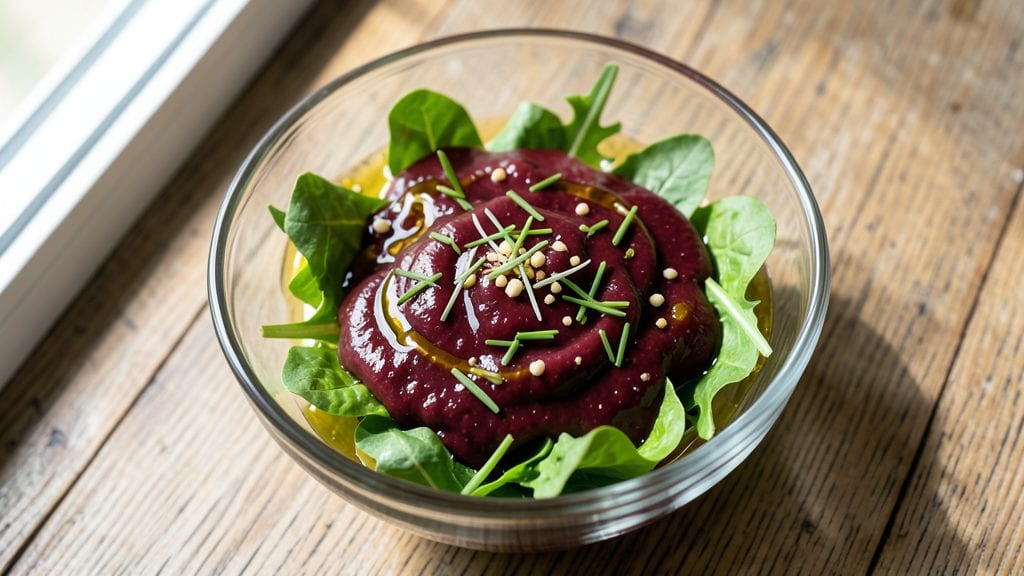
This Quiznos red wine vinaigrette copycat recipe delivers the same bold, herb-infused flavor that makes their salads stand out. The secret lies in balancing red wine vinegar's tang with Dijon mustard and fresh herbs, creating a dressing that elevates any dish.
I've perfected this over years of recreating restaurant favorites at home—no shortcuts, just precise measurements for that signature taste.
The recipe uses simple ingredients you likely already have: red wine vinegar, Dijon mustard, olive oil, and a blend of fresh herbs like tarragon and chives. What makes it special is the herb infusion—steeping the herbs in warm oil for 10 minutes extracts their full flavor without bitterness.
This method ensures every drizzle delivers that restaurant-quality depth.
Perfect for salads, sandwiches, or as a finishing drizzle on grilled meats, this vinaigrette stays fresh for up to 10 days in the fridge when stored properly.
The balance of acidity and richness makes it versatile enough for both light summer dishes and heartier fall meals. Let's recreate that iconic Quiznos flavor at home.
Once you taste this, you'll never buy store-bought again. The herb-forward profile and perfect acid-to-oil ratio make it a pantry staple. Ready to transform your meals? Here's exactly how to make it—step by step.
Ingredients for quiznos red wine vinaigrette copycat
Nine essential ingredients transform into Quiznos' signature bold, herb-infused vinaigrette.
| Ingredient | Amount | Notes |
|---|---|---|
| Red Wine Vinegar 🍷 | ½ cup | High-quality, aged variety preferred |
| Extra-Virgin Olive Oil 🫒 | ¾ cup | Light, fruity profile recommended |
| Dijon Mustard 🥬 | 1 tbsp | Whole-grain preferred for texture |
| Fresh Tarragon 🌿 | ¼ cup | Finely chopped, stems removed |
| Fresh Chives 🌱 | ¼ cup | Thinly sliced, bright green |
| Granulated Garlic 🧄 | 1 tsp | Freshly minced preferred |
| Diamond Crystal Kosher Salt 🧂 | ½ tsp | Fine grain for even dissolving |
| Black Peppercorns 🌶️ | ¼ tsp | Freshly cracked for aroma |
| Honey 🍯 | 1 tsp | Light floral variety preferred |
| Fresh Lemon Juice 🍋 | 1 tbsp | Freshly squeezed, strained |
The red wine vinegar is the foundation—opt for a high-quality, aged variety like Bertolli or Annie's for depth of flavor. Fresh herbs are non-negotiable; tarragon and chives from the grocery store's refrigerated section should be vibrant green and free of wilting. For the olive oil, California extra-virgin brands like Corto or Lucini provide that light, fruity profile that balances the acidity. The Dijon mustard should be whole-grain—it adds subtle texture that store-bought versions lack. If you're using dried herbs, doubling the amount won't replicate the freshness, so stick with fresh whenever possible. The garlic and peppercorns should be freshly ground or cracked to release their full aroma before combining.
No tarragon? Substitute with 1/4 cup fresh basil or 1 tbsp dried tarragon, though the flavor won't be identical. Running low on chives? Green onions work in a pinch, but reduce to 1/4 cup for milder flavor. For a sweeter profile, agave nectar can replace honey, though it may alter the texture slightly. If you prefer a tangier dressing, add an extra 1/2 tablespoon of lemon juice. The olive oil can be swapped for avocado oil for a neutral base, though it won't have the same fruity undertones. For a lower-acid version, reduce the vinegar by 1/4 cup and add 1/4 cup water. Always taste as you go—this dressing is highly customizable once you understand the base ratios.
This vinaigrette reaches peak flavor after 10 minutes of herb infusion—don't rush it. Store in an airtight glass jar in the fridge for up to 10 days, though the herbs will gradually lose potency. For longer storage, freeze in ice cube trays and thaw as needed. The dressing thickens slightly when chilled, so whisk in 1-2 teaspoons of water before serving if needed. It's best used within 5 days for optimal freshness, especially if using fresh herbs. The herb-infused oil can also be used separately for drizzling over soups or finished dishes.
Why You'll Love This Recipe
- Five-Ingredient Magic: I swear, this is one of those recipes where you almost feel guilty for how little effort it takes. Just whisk together red wine vinegar, olive oil, Dijon, and those bright herbs—tarragon and chives—and boom. No straining, no waiting, just pure, tangy, herbaceous goodness in minutes.
- Herb-Packed Punch: That tarragon? It’s the star—earthy, slightly sweet, with a kick. The chives add this fresh, grassy note that makes it feel fancy without trying too hard. Honestly, it’s the kind of dressing that makes you want to eat a salad just to taste it again.
- Salad Game Changer: Between us, this is my go-to for everything: grilled chicken bowls, charcuterie boards, even drizzled over roasted veggies. It’s the secret weapon that turns a basic meal into something that feels intentional—no matter the occasion.
- Make-Ahead MVP: I double the batch and keep it in the fridge for weeks. The flavors only get better as it sits, and it’s cheaper than buying fancy dressings. Plus, no last-minute shopping—just grab and go when you’re ready to eat.
Step-by-step instructions for Quiznos red wine vinaigrette copycat recipe
This bold herb-infused dressing delivers the signature Quiznos flavor with precise technique and fresh ingredients.
Prepare the Herb Base
In a small mixing bowl, combine the 0.25 cup fresh tarragon and 0.25 cup fresh chives. Using a sharp chef's knife, finely chop both herbs until you achieve a uniform, almost paste-like consistency. The tarragon should be minced so finely it nearly disappears, while the chives should be sliced into paper-thin pieces. This level of precision ensures the herbs distribute evenly throughout the dressing without creating texture inconsistencies. Set the herb mixture aside while you prepare the remaining ingredients.
I recommend using a mortar and pestle for the herbs if you have one—this method releases more aromatic oils than chopping. If you don't have a mortar, a food processor set to pulse briefly will work, but be careful not to over-process or you'll turn the herbs into a green paste. The goal is to maximize surface area while maintaining some visual appeal in the final dressing.
Whisk Vinegar and Mustard
In a medium bowl, whisk together the 0.5 cup red wine vinegar and 1 tbsp Dijon mustard until completely combined. The vinegar should be at room temperature for best flavor integration. Whisking vigorously for about 30 seconds ensures the mustard emulsifies properly with the vinegar, creating a smooth foundation for the dressing. This step is crucial—the mustard acts as an emulsifier that will help bind the oil later.
Taste the mixture at this stage. It should be tangy with a slight mustard bite. If you find it too sharp, you can add a pinch of the honey now to balance the acidity slightly. However, I prefer to wait until the final step to add sweetness, as it interacts differently with the other components once everything is combined.
Incorporate Aromatics and Seasonings
Add the finely chopped herb mixture, 1 tsp granulated garlic, 0.5 tsp Diamond Crystal kosher salt, and 0.25 tsp freshly cracked black peppercorns to the vinegar-mustard mixture. Using a fork or small whisk, stir vigorously for about 1 minute until all ingredients are fully incorporated. The garlic should dissolve completely, and the salt and pepper should be evenly distributed throughout the mixture. This is where the dressing begins to develop its complex flavor profile.
At this stage, the mixture should have a vibrant green hue from the herbs and a slightly thick, syrupy consistency. If you notice any undissolved garlic granules, pulse them briefly in a food processor or press them through a fine-mesh sieve to ensure complete integration. The texture should be smooth enough to drizzle without clumping.
Emulsify with Olive Oil
With the motor running on low speed, slowly pour in the 0.75 cup extra-virgin olive oil in a thin, steady stream. This gradual addition is critical—adding oil too quickly will cause the dressing to separate. Use a hand mixer or immersion blender for best results, as this creates a more stable emulsion than whisking by hand. Continue mixing for 2-3 minutes until the dressing thickens noticeably and takes on a glossy, velvety appearance.
You'll know the emulsion is successful when the dressing coats the back of a spoon and holds its shape when drizzled. If it still appears too thin after mixing, add 1-2 tablespoons of additional red wine vinegar and mix again. Conversely, if it's too thick, thin it with 1-2 teaspoons of water until it reaches a pourable consistency. The dressing should be fluid enough to coat salad greens evenly but thick enough to cling to each leaf.
Finish with Sweetness and Acid
Remove the dressing from the mixer and stir in the 1 tsp honey and 1 tbsp fresh lemon juice. The honey should dissolve completely, adding a subtle sweetness that balances the acidity of the vinegar and lemon. Taste the dressing and adjust the seasoning if needed—you may need to add a pinch more salt or a splash of vinegar to achieve the perfect balance of tangy, herby, and slightly sweet flavors.
Let the dressing rest at room temperature for 10-15 minutes before using. This resting period allows the flavors to meld completely and the emulsion to stabilize further. The dressing will keep in an airtight container in the refrigerator for up to 1 week, though I recommend using it within 3-4 days for maximum freshness and herb potency. This copycat recipe delivers the same vibrant, herb-forward flavor that makes Quiznos salads so distinctive.
Pro Tips For Making Quiznos Red Wine Vinaigrette Copycat
- Whisk in stages: Start with the vinegar and mustard—just these two—until fully combined. Then slowly drizzle in the olive oil while whisking constantly. The emulsion won’t break if you rush it, and you’ll end up with a silky texture instead of a split dressing.
- Pulse herbs finely: Chop the tarragon and chives very small—think confetti, not confetti with stems. If you leave chunks, they’ll sit at the bottom of your jar or bowl like little green pebbles. (Yes, even if you’re impatient like me.)
- Measure oil by weight: Use a kitchen scale for the olive oil—30 grams is about 2 tablespoons, but scales remove guesswork. Too much oil and your dressing turns cloying; too little and it’s thin. (I learned this the hard way with a half-empty bottle of EVOO.)
- Let it rest 10 minutes: After mixing, cover and wait. The flavors meld better, and any separated oil will re-emulsify naturally. Skipping this step means you’ll taste the vinegar’s sharpness instead of the balanced, tangy-sweet finish. (Your future self will thank you.)
Pro cooking tips for great quiznos red wine vinaigrette copycat
Herb Infusion Technique
Steep the fresh herbs in warm olive oil for 10 minutes before combining with other ingredients. Heat ¼ cup olive oil in a small saucepan until just warm (not hot), then pour over the chopped tarragon and chives.
Cover and let sit—this extracts maximum flavor without bitterness. I use a fine-mesh strainer afterward to remove herbs, leaving behind fragrant oil. 🌿
Emulsion Mastery
Add olive oil slowly while blending on low speed to prevent separation. Pour in a thin stream over 2-3 minutes using a hand mixer or immersion blender.
The key is patience—rushing causes the dressing to break. For extra stability, whisk in 1 tsp water if it thickens too much during storage. 💡
Flavor Balancing
Taste at each stage to adjust ratios. Start with the vinegar-mustard base, then add honey and lemon juice gradually. The sweetness should complement—not overpower—the tang. I often add ½ tsp extra honey if the dressing tastes too sharp.
For a deeper herb profile, infuse 1 tsp dried thyme with the oil before straining. ✨
Storage Secrets
Store in an airtight glass jar in the fridge for up to 10 days, though fresh herbs degrade after 5 days. For longer shelf life, freeze in 1-tbsp portions in ice cube trays.
Thaw overnight in the fridge and whisk before using. The emulsion may separate slightly—just shake vigorously to re-emulsify. ❄️
Herb Substitutions
No tarragon? Use ¼ cup fresh basil or 1 tbsp dried tarragon, but reduce chives to ¼ cup to balance flavors. For a sweeter profile, swap honey for agave nectar.
Need more acidity? Add ½ tbsp extra lemon juice. These tweaks keep the dressing versatile for any dish. 🌱
Equipment Upgrades
Invest in a glass measuring cup for precise vinegar/oil ratios and a microplane for garlic to avoid granules. A fine-mesh sieve ensures smooth herb removal. For large batches, a stand mixer with whisk attachment creates a more stable emulsion than hand tools. 🔧
Nutrition facts
Frequently asked questions
Why does this vinaigrette taste different from store-bought versions?
The fresh herb infusion and precise vinegar-to-oil ratio recreate Quiznos' signature bold flavor. Store-bought versions often use dried herbs or artificial flavors, while this copycat uses fresh tarragon and chives steeped in warm oil for maximum aroma. The Dijon mustard also adds depth that many commercial dressings lack.
Can I make this dressing without fresh herbs?
You can substitute ¼ cup dried tarragon for fresh, but reduce chives to ¼ cup (or omit entirely). For best results, use ¼ cup fresh basil instead—it won't be identical but works in a pinch. The herb infusion technique is key to that restaurant-quality depth, so fresh is ideal if possible.
How do I fix a separated dressing?
Gently whisk or shake the jar vigorously to re-emulsify. If it still separates, add 1 tsp water and whisk again. For stubborn separation, mix ½ tsp Dijon mustard with 1 tsp water, then stir into the dressing. The emulsion should stabilize within 1-2 minutes of mixing.
What's the best way to use this vinaigrette?
This bold dressing shines on green salads, grilled chicken, or as a drizzle for roasted vegetables. For sandwiches, use 1-2 tbsp per serving to avoid sogginess. The herb-forward flavor also pairs well with seared fish or charcuterie boards. Always shake before using to ensure even distribution.
Can I adjust the sweetness or acidity?
For more sweetness, add ½ tsp extra honey or ¼ tsp agave nectar. Need more tang? Add ½ tbsp lemon juice or ¼ tsp extra red wine vinegar. Taste as you go—the dressing is highly customizable once you understand the base ratios. The key is balancing all three elements: acidity, sweetness, and herbal notes.