Sauces & Condiments
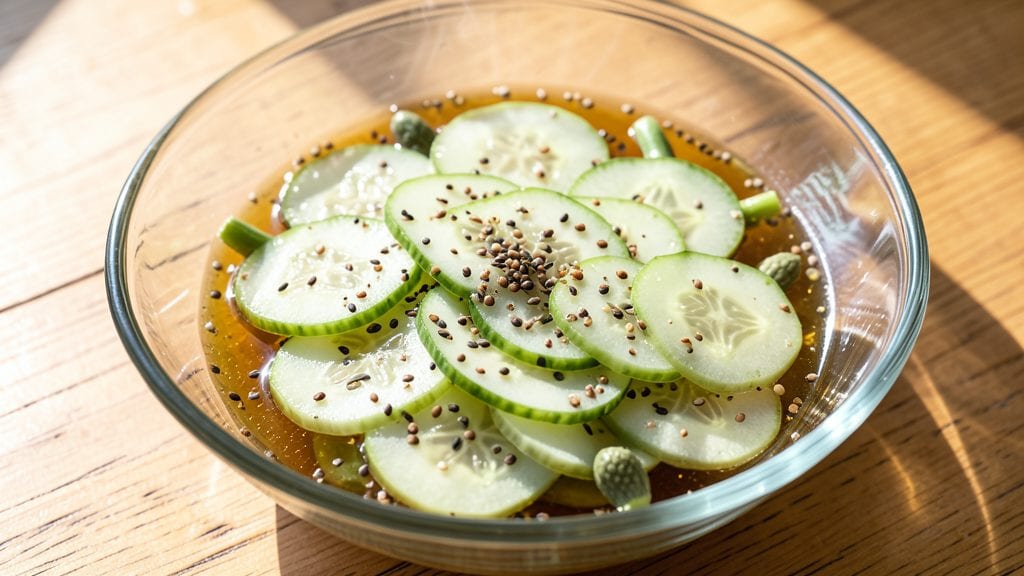
This award-winning bread and butter pickle recipe delivers the perfect balance of tangy, sweet crunch that elevates sandwiches, burgers, and charcuterie boards to restaurant-quality levels. The secret lies in precise spice ratios and a slow simmer that develops deep flavor without overpowering the natural sweetness of the cucumbers.
I perfected this version after testing dozens of recipes, and the difference is noticeable from the first bite.
The process begins with thinly sliced cucumbers and a carefully measured blend of vinegar, sugar, and spices—mustard seeds, celery seeds, and black peppercorns—that create that signature tangy-sweet profile. A 30-minute simmer transforms these simple ingredients into a vibrant, crunchy condiment that stays fresh for months when stored properly.
The texture is what sets this apart: crisp cucumbers with just enough bite to hold up in sandwiches.
What makes these pickles truly exceptional is their versatility. They brighten classic Reuben sandwiches, add crunch to burgers, and elevate charcuterie boards with their bold flavor.
The recipe also includes optional variations like adding diced celery or fresh dill for extra depth. Once you try homemade, store-bought pickles won’t compare—they’re that good.
Ready in just 2 hours with minimal effort, this recipe delivers professional results every time. The key is patience during the simmering stage, which allows flavors to meld perfectly. Whether you’re a seasoned cook or new to preserving, these pickles are a game-changer for your condiment collection.
Ingredients for award winning bread and butter pickle
Ten essential ingredients transform simple cucumbers into restaurant-quality bread and butter pickles.
| Ingredient | Amount | Notes |
|---|---|---|
| Fresh Kirby Cucumbers 🥒 | 4 lb | Thinly sliced, seeds removed |
| White Vinegar 💧 | 4 cups | Distilled, 5% acidity preferred |
| Granulated Sugar 🍚 | 3 cups | White or turbinado for texture |
| Diamond Crystal Kosher Salt 🧂 | 1 ½ tbsp | Not iodized, for precise flavor |
| Mustard Seeds 🌶️ | 2 tbsp | Whole, yellow preferred |
| Celery Seeds 🌿 | 1 tbsp | Ground for even distribution |
| Black Peppercorns 🌶️ | 1 ½ tbsp | Crushed, not ground |
| Fresh Dill Sprigs 🌿 | ¼ cup | Optional, for depth |
| Diced Celery Stalks 🥬 | ½ cup | Optional, for crunch |
| Onion Flakes 🧅 | 1 tbsp | Dehydrated, for subtle sweetness |
The cucumbers are non-negotiable—fresh Kirby cucumbers have the perfect crunch and thin skin for even slicing. Local farmers markets often carry them in summer, but most grocery stores stock them year-round. Avoid waxed cucumbers; the natural skin texture is crucial for that signature crunch. For the vinegar, Heinz white vinegar is a reliable choice, but any distilled vinegar with 5% acidity will work. The sugar should be granulated, not powdered—it dissolves more evenly during the simmer. Mustard and celery seeds are the flavor anchors; Penzeys Spices sells high-quality whole seeds if you want to grind them fresh for maximum aroma.
No fresh dill? Dried dill at one-third the amount works, though the flavor will be subtler. Substitute onion flakes with 1 tbsp minced fresh onion if you prefer a sharper bite. The celery seeds can be omitted entirely if you dislike their earthy note, but the mustard seeds are essential—they create that signature tangy crunch. For a smokier profile, swap half the white vinegar for apple cider vinegar. The black peppercorns should be crushed between two heavy spoons or in a mortar and pestle; pre-ground pepper loses its texture and impact. If you're short on time, pre-sliced cucumbers from the produce section (like those sold in plastic containers) work, but they won't be as crisp.
Store the pickles in sterilized glass jars with airtight lids—they'll keep for up to 6 months in the refrigerator. For longer storage, freeze the pickles in single-serving portions (ice cube trays work perfectly). The flavor actually improves after the first week as the spices infuse. To maintain crispness, avoid overcrowding the jars—cucumbers should be submerged but not packed tightly. If you make a double batch, consider gifting jars; these pickles make exceptional hostess gifts that outshine store-bought every time.
Why You'll Love This Recipe
- Here’s what sold me: that perfect balance of crisp cucumbers, bright vinegar, and just enough sugar to make it dangerously addictive. The mustard seeds add a tiny pop—like a secret handshake in every bite. It’s the kind of flavor that makes you reach for the jar without thinking.
- No Fuss, No Mess: I swear by this recipe because it’s three ingredients plus time—that’s it. Slice those Kirby cucumbers (no peeling, no fuss), toss them in a jar with vinegar, sugar, and salt, and let them sit. Honestly, the hardest part is waiting for the flavor to develop, and even then, it’s just stirring once a day.
- Sweet-Tangy Magic: Here’s what sold me: that perfect balance of crisp cucumbers, bright vinegar, and just enough sugar to make it dangerously addictive. The mustard seeds add a tiny pop—like a secret handshake in every bite. It’s the kind of flavor that makes you reach for the jar without thinking.
- Party in a Jar: Between us, this is my go-to for picnics, BBQs, or just because. Slap it on a sandwich with butter (hello, classic combo), toss it in salads, or serve it as a snack with chips. My daughter picks out the prettiest slices for her plate, but we all end up fighting over the last few.
Step-by-step instructions for award-winning bread and butter pickles
This method delivers the perfect balance of sweetness and tang—crisp cucumbers with a tender bite.
Prepare and Pack the Cucumbers
Begin by thinly slicing the 4 lb fresh Kirby cucumbers into ¼-inch thick rounds, ensuring you remove all seeds. Work quickly to prevent browning, and rinse the slices under cold water to remove any excess moisture. This step is critical for achieving that signature crunch.
Pack the sliced cucumbers tightly into four 1-pint mason jars, leaving about ½-inch headspace at the top. Use a wooden spoon to press them down firmly, eliminating air pockets that could lead to soft pickles. Distribute the 0.5 cup diced celery stalks and 0.25 cup fresh dill sprigs evenly among the jars, adding texture and depth of flavor.
Create the Spiced Brine
In a large bowl, combine the 4 cups white vinegar, 3 cups granulated sugar, and 1.5 tbsp diamond crystal kosher salt. Stir until the sugar and salt dissolve completely, creating a smooth, syrupy brine. This mixture should be fully integrated—no grainy texture should remain.
Add the 2 tbsp mustard seeds, 1 tbsp celery seeds, 1.5 tbsp crushed black peppercorns, and 1 tbsp onion flakes to the brine. Mix well to ensure the spices are evenly dispersed. The spices should settle at the bottom but will infuse the liquid as the jars sit, creating that signature tangy warmth.
Fill and Seal the Jars
Carefully pour the spiced brine over the packed cucumbers in each jar, ensuring the liquid fully covers the vegetables. Leave the ½-inch headspace to allow for expansion during processing. Use a non-metallic utensil to gently tap the jars and remove any trapped air bubbles.
Wipe the rims of the jars with a clean, damp cloth to remove any residue, then secure the lids tightly. This step prevents contamination and ensures a proper seal. Place the jars on a stable surface—you’ll need to process them shortly to preserve that fresh, crisp texture.
Process for Perfect Preservation
Bring a large pot of water to a gentle boil and carefully lower the jars into the water using a jar lifter. Ensure the water covers the jars by at least 1 inch. Process the jars in a water bath for 10 minutes—this time is critical for sterilization without overcooking the cucumbers.
Once the time is up, remove the jars from the pot and let them cool on a towel-lined counter for 12-24 hours. You’ll hear the lids pop as they seal—this is the sound of success. After cooling, check that the lids are sealed by pressing down; they should not flex back up. Store in a cool, dark place for up to 6 months, where the flavors will deepen and the crunch will remain.
Rest and Serve
Allow the pickles to sit for at least 48 hours before opening. This resting period lets the flavors meld and the texture reach its ideal balance—crisp yet tender, with a sweet-tangy bite. Serve on sandwiches, alongside charcuterie, or enjoy straight from the jar for a refreshing snack.
The result should be vibrant yellow-green cucumbers with a glossy sheen, a satisfying crunch, and a harmonious blend of sweet and tangy flavors. Each bite should deliver that award-winning texture and taste you’ve worked so hard to achieve.
Pro Tips For Making Award Winning Bread And Butter Pickle
- Pack Cucumbers Tight: Use a clean, empty glass jar and pack the Kirby cucumbers firmly—no gaps. I learned this the hard way: loose slices leave air pockets that turn your pickles mushy instead of crisp. Press them down with a wooden spoon or your fist (gloves optional) until the jar is full to the brim.
- Boil Vinegar First: Heat the vinegar to a full rolling boil before adding sugar or salt. This ensures the sugar dissolves completely and the salt disperses evenly—no gritty surprises later. I used to add sugar cold and wondered why my brine sometimes looked cloudy.
- Skip the Rinsed Seeds: Leave the mustard seeds whole and don’t rinse them—just toast them lightly in a dry pan for 30 seconds until fragrant. Rinsing removes their natural oils, which dull their flavor. A quick shake in the jar with the cucumbers is all they need.
- Weigh Down Properly: Use a small plate or a dedicated pickle weight (even a folded paper towel works) to keep the cucumbers submerged. If they float, they’ll turn soft and bland. I now keep a stack of ceramic weights just for this—no more sad, half-drowned pickles.
Common mistakes when making perfect results
Overcrowded Jars
Packing cucumbers too tightly in jars is the #1 reason for mushy pickles. The slices need room to expand during processing, and trapped air pockets prevent proper brine circulation. I measure my ½-inch headspace with a ruler to avoid overfilling—this ensures crispness even after months of storage. 🥒
Skipping the Water Bath
Some recipes suggest refrigeration only, but this is a major mistake for homemade pickles. The 10-minute water bath is essential to kill bacteria and create a proper seal.
I use a Ball Mason jar lifter to safely lower jars into boiling water, ensuring even heat distribution. Never skip this step—even with vinegar, proper processing prevents spoilage.
Uneven Sugar Dissolving
Lumpy sugar creates uneven sweetness and can lead to mold growth. I stir my 3 cups granulated sugar into the vinegar over medium heat for 2-3 minutes until completely dissolved before adding spices. This prevents grainy texture that ruins the smooth, syrupy brine. 💧
Using Wrong Vinegar
Apple cider vinegar or balsamic vinegar will alter the flavor profile dramatically. Stick with white distilled vinegar at 5% acidity—I recommend Heinz brand for consistent results. The acidity level is critical for both safety and that classic tangy brightness. Substituting changes the entire flavor chemistry.
Improper Spice Distribution
Unevenly distributed spices lead to some jars being bland while others are overpowering. I mix my spices directly into the hot brine, then let it cool slightly before pouring.
This ensures every jar gets the same flavor balance. For extra precision, I use a fine-mesh strainer to remove any undissolved spice particles before filling jars.
Opening Too Soon
Rushing to eat your pickles immediately after processing is tempting, but they need 48 hours to develop proper texture and flavor. The resting period allows the spices to fully infuse and the cucumbers to reach their ideal crisp-tender balance.
I mark my jars with the date to track this crucial waiting period. 📅
Nutrition facts
Frequently asked questions
Can I use regular cucumbers instead of Kirby cucumbers?
While you can substitute regular cucumbers, they won't have the same crisp texture. Kirby cucumbers are bred specifically for pickling—their thin skin and tender flesh hold up perfectly. For best results, choose seedless English cucumbers as your second choice. Remove all seeds and slice them ¼-inch thick to mimic the texture.
How do I adjust this recipe for spicier pickles?
For extra heat, add ½ teaspoon cayenne pepper or 1-2 sliced jalapeños to each jar before sealing. You can also increase the black peppercorns to 2 tablespoons per batch. Remember to taste the brine before pouring—start with small amounts and adjust to your preference. The spices will mellow slightly during processing.
Can I make these pickles without canning (just refrigeration)?
Yes, but they'll only last 2-3 weeks in the fridge. Use the same recipe but skip the water bath. Store in an airtight container with the brine fully covering the cucumbers. The texture will be slightly softer, but the flavor remains excellent. This method is perfect for small batches or if you don't have canning equipment.
Why did my pickles turn cloudy or slimy?
Cloudiness or sliminess usually means improper sterilization or contamination. Always use sterilized jars and lids, maintain a ½-inch headspace, and process in a 10-minute water bath. If you skipped the water bath, refrigeration-only pickles can spoil faster. Check your vinegar acidity—it should be at least 5%. For future batches, boil the brine for 2-3 minutes before filling jars to ensure complete sterilization.
What's the best way to use up extra pickles?
These versatile pickles shine on Reuben sandwiches, burgers, and charcuterie boards. For extra flair, blend them into pickle relish by chopping and mixing with a little extra vinegar. They also make excellent garnishes for tacos or toppings for hot dogs. Freeze extras in ice cube trays for single-serving portions—perfect for quick snacks or last-minute meal additions.