
Main Courses
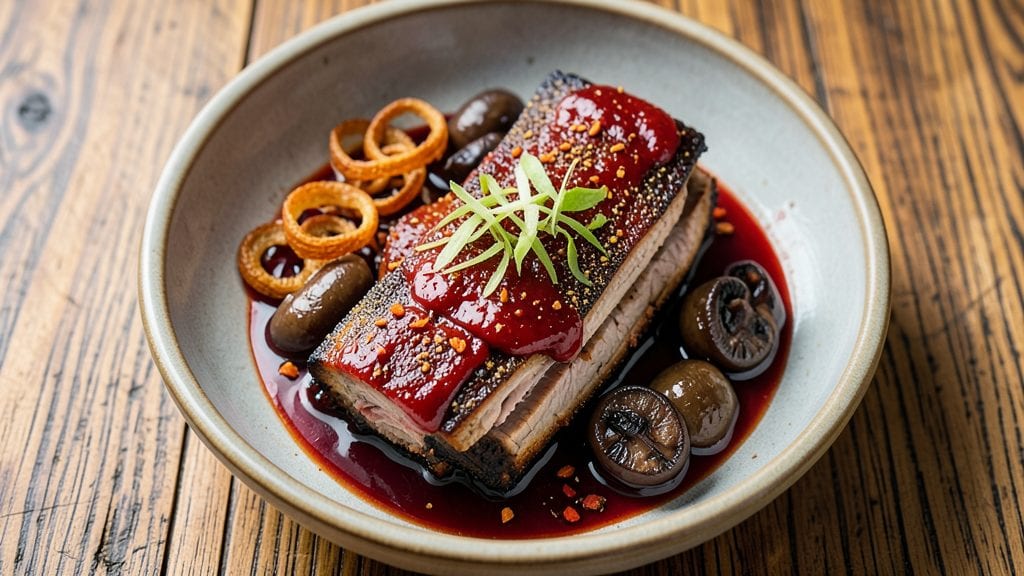
This Asian-inspired pork shoulder country-style ribs recipe turns tough cuts into tender, caramelized masterpieces where rustic tradition meets bold flavors. This recipe blends my Georgia roots with Charleston's slow-braising expertise, delivering melt-in-your-mouth meat with caramelized edges that crackle like autumn leaves.
The secret lies in a dual-phase cook—starting with a dry rub of five-spice and chili, then finishing with a sticky glaze of soy, ginger, and brown sugar that penetrates every fiber.
What sets these ribs apart is the fusion of textures: the crispy bark from reverse-searing meets the tender, almost buttery interior of properly braised pork. We begin with a 4-hour low-and-slow cook in the oven, then crank the heat to 450°F for that signature crust—no smoker required.
The marinade infuses deep umami while keeping the meat juicy, and the final basting with a reduced soy-ginger mixture adds that restaurant-quality sheen.
By the time you plate these ribs, you'll have a dish that balances smoky-sweet heat with silky richness—perfect for serving over steamed jasmine rice with quick-pickled cucumbers. The aroma alone will bring your kitchen to life, and each bite delivers that perfect contrast of crispy exterior and fall-apart tenderness.
This is the kind of recipe that transforms a weeknight into a celebration.
The beauty of this method is its versatility—equally at home on a holiday table or a casual gathering. Leftovers reheat beautifully, making it ideal for meal prep. Let's get started on creating ribs that'll have everyone asking for the recipe before they even take their first bite.
Ingredients for pork shoulder country style ribs asian
Four pounds of pork shoulder, aromatic spices, and sticky glaze transform into melt-in-your-mouth ribs with crispy edges.
| Ingredient | Amount | Notes |
|---|---|---|
| Pork Shoulder (Bone-In) 🥓 | 4 lb | Country-style ribs, 1/2-inch thick |
| Five-Spice Powder 🌶️ | 2 tbsp | Toasted for depth of flavor |
| Ground Chili Flakes 🌶️ | 1 tbsp | Adjust for heat preference |
| Kosher Salt 🧂 | 1 ½ tbsp | Diamond Crystal preferred |
| Fresh Ginger 🧅 | ½ cup | Finely grated, aromatic |
| Soy Sauce 🍶 | ½ cup | High-quality, reduced |
| Brown Sugar 🍯 | ½ cup | Packed, light or dark |
| Garlic Cloves 🧄 | 8 cloves | Minced, fresh preferred |
| Sesame Oil 🫒 | 1 tbsp | Toasted sesame for aroma |
| Honey 🍯 | 2 tbsp | Wildflower preferred |
| Rice Vinegar 🍋 | 2 tbsp | White or seasoned |
| Fresh Star Anise 🌿 | 2 pieces | Optional, for complexity |
| Jasmine Rice 🍚 | 2 cups | Uncooked, long-grain |
| Cucumber 🥒 | 1 whole | English or Persian |
| Red Onion 🧅 | 1 whole | Thinly sliced for pickling |
The pork shoulder is non-negotiable—look for well-marbled cuts with visible fat cap for optimal tenderness. Costco or Whole Foods typically carry high-quality bone-in pork shoulders, but any reputable butcher will have suitable options. The five-spice powder should be toasted to enhance its aromatic profile; Penzeys or Trader Joe's carry excellent blends. Fresh ginger and garlic are essential for authentic flavor—avoid pre-minced jars, as they lose potency quickly. For the soy sauce, opt for Kikkoman or Lee Kum Kee for that deep umami punch that's crucial in this recipe.
No five-spice powder? Substitute a blend of cinnamon, fennel, cloves, and star anise at equal parts by weight. Running low on sesame oil? Toasted peanut oil works in a pinch, though the flavor profile will shift slightly. The brown sugar can be swapped for coconut sugar for a more refined sweetness, but light brown sugar adds subtle molasses notes that complement the soy glaze beautifully. For the quick-pickled cucumbers, apple cider vinegar can replace rice vinegar, though the flavor will be slightly sharper. Always use fresh ginger and garlic—dried powders simply can't replicate their complexity.
Store the pork shoulder in the coldest part of your fridge, uncovered, for 24 hours to develop a flavorful crust before cooking. The marinade keeps for up to 1 week in an airtight container in the refrigerator, though it's best used within 3 days for peak freshness. The jasmine rice should be cooked in a 1:1.5 rice-to-water ratio and steamed to perfection—never overcooked, as it should have a slight bite. The pickled cucumbers can be made 2 days ahead and stored in the fridge, allowing flavors to meld beautifully for an enhanced tang.
Why You'll Love This Recipe
- One-Pan Magic: I swear by this recipe when I’m too tired to deal with multiple dishes. The pork shoulder gets all the love—just salt, spice, and ginger—while the oven does the heavy lifting. Honestly? I’ve made it while scrolling through my phone.
- Flavor Bomb: That five-spice powder and chili flakes combo is chef’s kiss—warm, spicy, and just a little funky. The ginger adds this bright, zesty punch that cuts through the richness of the pork, making every bite feel like a little vacation.
- Leftovers for Days: Between us, this recipe makes way more than I can eat in one sitting. The ribs stay tender for days, so I freeze half for lazy weeknights or toss them into fried rice later. No sad, dried-out leftovers here.
- Budget Winner: Pork shoulder is cheap, and this recipe stretches it into a meal that feels fancy. I’ve fed six people for under $15, and no one ever complains. (Yes, even on a Tuesday night.)
Step-by-step instructions for crispy Asian pork shoulder country ribs
Here's the method to achieve perfectly crispy edges and silky, fall-apart meat with authentic Asian flavors.
Prepare the Pork Shoulder for Maximum Flavor
Begin by trimming any excess fat from the 4 lb pork shoulder, leaving about ¼-inch fat cap for moisture during cooking. Pat the meat completely dry with paper towels—this ensures maximum crispiness when searing. In a small bowl, combine the 2 tbsp five-spice powder, 1 tbsp ground chili flakes, and 1.5 tbsp kosher salt. Rub this mixture generously over all surfaces of the pork shoulder, pressing it into the meat so it adheres well.
Next, create a marinade by whisking together the 0.5 cup soy sauce, 0.5 cup brown sugar, 8 minced garlic cloves, 0.5 cup finely grated fresh ginger, 1 tbsp sesame oil, 2 tbsp honey, 2 tbsp rice vinegar, and 2 pieces fresh star anise (if using). Pour this marinade over the pork shoulder, ensuring it coats every surface. Place the pork in a resealable plastic bag and marinate in the refrigerator for at least 4 hours, or preferably overnight. This extended marinating time allows the flavors to deeply penetrate the meat.
Sear the Pork for Crispy Edges
Remove the pork from the refrigerator and let it sit at room temperature for 30 minutes before cooking. Preheat your oven to 300°F. Heat a large oven-safe skillet over medium-high heat. Add the marinated pork shoulder and sear on all sides until deeply browned, about 5-7 minutes per side. You're looking for a rich, caramelized crust that develops a deep golden color—this is your foundation for crispy edges.
Once the pork is well-seared, transfer the skillet to the preheated oven. This step is crucial for developing the crispy exterior while ensuring the meat remains tender. The pork will cook slowly in the oven, allowing the fat to render and the collagen to break down, resulting in that signature silky texture.
Braise Until Fork-Tender
Cover the skillet tightly with aluminum foil and braise for 3 hours. After this initial period, remove the foil and increase the oven temperature to 375°F. Continue cooking uncovered for another 30-45 minutes. This final stage is where the magic happens—the pork will develop crispy edges as the moisture evaporates, while the interior remains succulent and tender.
Check for doneness by inserting a meat thermometer into the thickest part of the pork. It should reach an internal temperature of 195-203°F. The meat should be fork-tender, with juices that run clear when pierced. If the pork isn't quite there yet, continue cooking for another 15-20 minutes, checking periodically to ensure the edges remain crispy.
Rest and Slice for Perfect Texture
Once the pork reaches the desired temperature, remove it from the oven and transfer to a cutting board. Tent loosely with aluminum foil and let it rest for 15-20 minutes. This resting period is essential—it allows the juices to redistribute throughout the meat, ensuring each slice is moist and flavorful. During this time, you can prepare the accompanying jasmine rice and quick-pickled vegetables using the 2 cups jasmine rice, 1 whole cucumber, and 1 whole red onion.
To slice, cut the pork shoulder against the grain into ½-inch thick slices. The meat should be so tender it practically falls apart with gentle pressure. Serve the crispy-edged, silky pork shoulder over the jasmine rice, drizzled with any pan juices from the braising process. The contrast of crispy edges and tender meat creates a truly memorable dining experience.
Pro Tips For Making Pork Shoulder Country Style Ribs Asian
- CHAR THE GINGER: Toss the fresh ginger into a dry, screaming-hot pan for 30 seconds before scraping it out—this unlocks its oils and makes the five-spice powder cling to the meat like glue. (Yes, even if you’re impatient like me, wait for those blackened edges.)
- SALT THE MEAT TWICE: Slather the pork shoulder with kosher salt before the marinade, let it sit for 30 minutes, then salt it again right before cooking. The first layer breaks down the fibers; the second guarantees a crust that won’t dissolve into the sauce.
- SKIP THE CROWDED PAN: If your ribs are jostling for space in the wok or Dutch oven, they’ll steam instead of caramelize. Cook in batches—even if it means two rounds—so the meat gets that sticky, charred glaze from direct heat.
- REST THE MEAT UNDER FOIL: After searing, tent the pork with foil and let it rest for 10 minutes before slicing. I learned this the hard way—cutting into it too soon turns the ribs into a greasy mess instead of tender, sauce-soaked perfection. (Your future self will thank you.)
Essential equipment for pork shoulder country style ribs asian
Oven-Safe Skillet
Your 12-inch cast iron skillet is non-negotiable here—it needs to handle both searing and braising. I swear by Lodge Pre-Seasoned Cast Iron for its even heat distribution and natural non-stick properties after proper seasoning. The deep sides prevent spills during basting, and its weight helps maintain consistent temperatures.
If cast iron isn't an option, a stainless steel Dutch oven works beautifully, though you'll need to monitor heat more carefully. 🔥
Meat Thermometer
Invest in a high-quality instant-read thermometer—I use ThermoWorks Smoke for its precision and durability. The 195-203°F range is critical for these ribs, and a good thermometer eliminates guesswork.
Avoid cheap dial thermometers; they often lag behind actual internal temperatures, leading to overcooked meat. Pro tip: Keep it handy while cooking so you don't miss the perfect window.
Aluminum Foil
Heavy-duty Reynolds Wrap is essential for creating an airtight seal during the braising phase. The foil prevents moisture loss and helps develop that signature tender texture. I recommend using double-layered foil for extra insulation, especially if your oven runs hot.
Avoid generic foil brands—they tear easily and don't seal as effectively. For the crispy finish, use pink butcher paper (like Maple Leaf Farms) during the final 30 minutes to encourage bark formation.
Basting Brush
A silicone basting brush (like OXO Good Grips) is your secret weapon for creating that glossy, caramelized finish. These brushes handle high heat better than natural bristles and won't leave behind fibers. Use it to apply the reduced soy-ginger glaze during the final cooking stage.
For extra crispiness, I like to baste every 10 minutes in the last 20 minutes of cooking. A clean brush ensures even distribution and prevents burning.
Cutting Board
Choose a large, stable cutting board (I prefer Maple or Walnut) for slicing the rested pork. The 12x18-inch size gives you room to maneuver, and hardwood boards won't dull your knife like plastic or softwood alternatives.
A sharp chef's knife (like Wüsthof Classic) is equally important—slicing against the grain requires precision. For extra stability, place a damp towel underneath the board to prevent slipping while you slice.
Storage Containers
For leftovers, glass Pyrex storage containers with snap-on lids are my go-to. They maintain moisture and keep flavors intact for up to 4 days in the fridge. If freezing, use quart-sized freezer bags with 1 inch of headspace to prevent freezer burn.
Label everything with the date—trust me, you'll thank yourself later when you're reheating perfectly tender ribs instead of tough, dry meat. 💡
Nutrition facts
Frequently asked questions
Can I substitute pork shoulder with another cut like pork butt?
While pork butt (Boston butt) works similarly, pork shoulder (picnic cut) is ideal for these ribs because of its higher fat content and larger bone structure. The fat keeps the meat moist during slow cooking, while the bones add natural depth of flavor. If using pork butt, trim slightly more fat and expect a slightly leaner texture. For best results, stick with pork shoulder—it's the traditional cut for country-style ribs!
How do I adjust the recipe for a smoker instead of oven?
For a smoker, wrap the seared pork in butcher paper (not foil) and smoke at 225°F with indirect heat for 4-5 hours until internal temp reaches 195°F. The last 30 minutes, move to direct heat or increase temp to 300°F to crisp the edges. Use fruitwood (apple or cherry) for mild sweetness or hickory for smokiness. The key is patience—smoked ribs need more time to render fat and tenderize.
What's the best way to reheat leftover Asian pork shoulder ribs?
Reheat in a 350°F oven for 15-20 minutes with a splash of water or broth to restore moisture. For crispy edges, broil for 2-3 minutes at the end. Never microwave—it makes the meat rubbery. Pro tip: Store leftovers with pan juices to keep them succulent. These ribs reheat beautifully, making them perfect for meal prep!
Can I make this recipe without five-spice powder?
Create a substitute by mixing 1 tsp cinnamon + ½ tsp fennel seeds + ½ tsp cloves + ¼ tsp star anise (toasted and ground). This blend mimics five-spice's warm complexity. For extra depth, add ¼ tsp coriander. The recipe will still deliver rich, aromatic flavors—just slightly different. Toast your spices in a dry pan for 1 minute to enhance their aroma before mixing.
How do I serve these ribs for a crowd?
Double the recipe and use two 12-inch cast iron skillets for even cooking. Serve family-style with extra jasmine rice, quick-pickled veggies, and steamed bok choy. For presentation, arrange ribs on a large platter with a drizzle of reduced glaze. Include small bowls of extra sauce and sesame seeds on the table. This dish feeds 8-10 comfortably with sides.