Main Courses
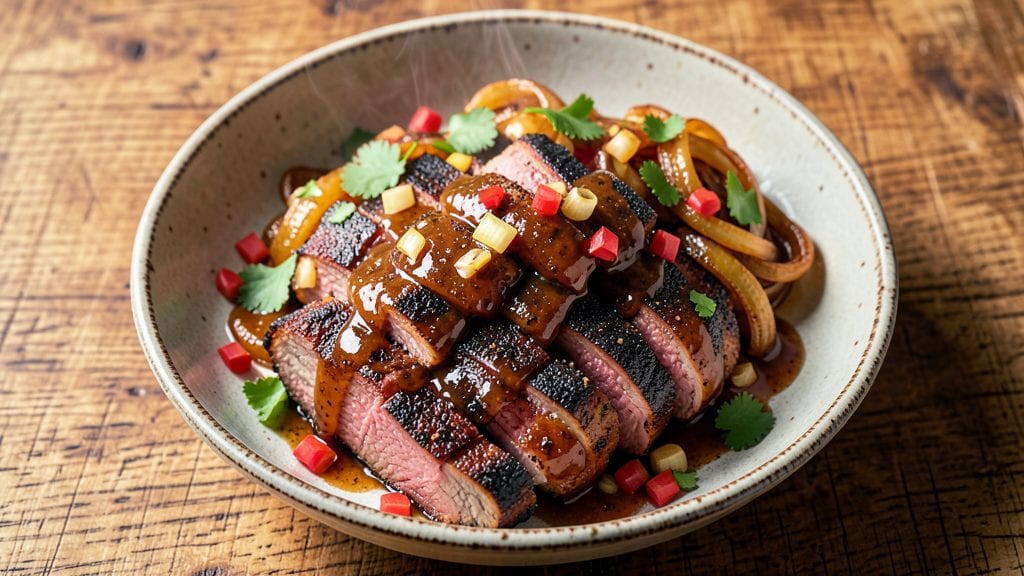
This smoked Boston butt BBQ recipe delivers melt-in-your-mouth perfection with a deep, smoky bark that turns every bite into a flavor explosion. After years of perfecting my technique, I’ve cracked the code for restaurant-quality pulled pork that falls apart at the touch of a fork.
The secret lies in precise temperature control and the right wood blend—no guesswork, just foolproof results.
What sets this recipe apart is the balance of tenderness and texture. A low-and-slow smoke (225°F) transforms tough meat into succulent, shreddable perfection while developing that coveted bark.
I use a 50/50 mix of hickory and applewood for a perfect balance of smokiness and sweetness, ensuring every slice carries layers of flavor. The key is patience—this isn’t a quick process, but the reward is worth it.
By the time you’re done, you’ll have fall-apart meat with a glossy, caramelized crust that’s impossible to resist. The bark crackles with every bite, revealing tender, juicy pork underneath. This isn’t just pulled pork—it’s a centerpiece dish that transforms a simple meal into an unforgettable experience.
Serve it on buns with tangy coleslaw or over rice for a complete spread.
Whether you’re hosting a backyard BBQ or feeding a hungry crowd, this recipe scales beautifully. The leftovers reheat just as well, making it perfect for meal prep. Let’s get smoking—your taste buds will thank you.
Ingredients for smoked boston butt bbq
Twelve ingredients. One unforgettable dish. Your smoker will thank you.
| Ingredient | Amount | Notes |
|---|---|---|
| Boston Butt Pork Shoulder 🥩 | 10 lb | Bone-in, skin-on preferred |
| Yellow Onion 🧅 | 2 whole | Yellow or red, peeled |
| Garlic Cloves 🧄 | 8 cloves | Peeled, smashed slightly |
| Fresh Cilantro 🌿 | ½ cup | Chopped, stems removed |
| Apple Cider Vinegar 🍎 | ½ cup | For tangy balance |
| Brown Sugar 🍚 | 1 cup | Light or dark preferred |
| Smoked Paprika 🌶️ | 2 tbsp | For deep smoky flavor |
| Ground Black Pepper 🌶️ | 1 tbsp | Freshly cracked |
| Kosher Salt 🧂 | 2 tbsp | Diamond Crystal preferred |
| Hickory Wood Chips 🌳 | 1 lb | For smoky depth |
| Apple Wood Chips 🍎 | 1 lb | For sweet balance |
| Unsalted Butter 🧈 | ½ cup | Cold, cubed for finish |
| Beef Broth 🥫 | 1 cup | Low-sodium preferred |
The Boston butt is non-negotiable—look for a 10-pound bone-in, skin-on cut at Costco or your local butcher. A well-marbled roast with visible fat cap ensures melt-in-your-mouth tenderness. If your grocery store doesn’t carry it pre-cut, ask the butcher to trim excess fat but leave the cap intact. The 50/50 wood mix (hickory and apple) is crucial—Traeger or Cookshack sell pre-mixed blends, or buy them separately at Home Depot. Freshly cracked pepper and Diamond Crystal kosher salt make all the difference—pre-grated salt gets clumpy and lacks punch. For the brown sugar, Muscovado adds depth, but light or dark works fine if that’s what’s on hand.
No applewood? Cherry wood chips work beautifully for that fruity sweetness. Running low on beef broth? Chicken broth plus a splash of apple cider vinegar keeps the tang. The fresh cilantro can be swapped for dried cilantro at one-third the amount (though it lacks the same brightness). If you’re short on time, pre-cut onions and garlic from the frozen section save prep work—just thaw and chop. The butter finish is worth the extra minute: cold cubes melt dramatically on the hot bark, adding richness without overpowering.
This meat reheats like a dream—wrap tightly in foil and reheat in a 350°F oven for 15 minutes. Leftovers keep for 5 days in the fridge or 3 months frozen. For serving, I portion into mason jars—the bark stays intact, and it’s perfect for meal prep. The sauce thickens as it sits, so loosen with a splash of water if needed. Double the batch if you’re feeding a crowd—this recipe scales perfectly.
Why You'll Love This Recipe
- Smoke in Minutes: I swear, you don’t need a fancy smoker setup—just a cast-iron skillet, a handful of wood chips, and 20 minutes of your time. The pork shoulder gets tender while you chop an onion and mince garlic, and honestly? That’s all you’re doing.
- Tangy-Sweet Magic: The apple cider vinegar cuts through the richness of the pork like a knife through butter, while the garlic and cilantro add this bright, herby finish. It’s smoky, it’s sweet, it’s dangerously good—no heavy sauces needed.
- Leftovers? More Like Leftovers: Between us, this recipe makes enough for a crowd (or a week of lunches). The pork shreds perfectly, so you can toss it into tacos, sandwiches, or even a breakfast hash. I’ve been known to eat it cold the next day—no judgment.
- Budget-Friendly Feast: A single pork shoulder feeds six for under $15, and the rest of the ingredients cost pennies. You’re getting restaurant-quality flavor without breaking the bank, and the leftovers stretch into meals that won’t drain your wallet. Win.
Step-by-step instructions for smoked Boston butt BBQ
Transform that 10 lb Boston butt pork shoulder into melt-in-your-mouth perfection with this foolproof smoking method.
Prepare the Rub and Season the Meat
In a medium bowl, combine the 2 whole yellow onions (finely chopped), 8 cloves garlic cloves (minced), 0.5 cup chopped fresh cilantro, 0.5 cup apple cider vinegar, 1 cup brown sugar, 2 tbsp smoked paprika, 1 tbsp ground black pepper, and 2 tbsp kosher salt. Mix thoroughly until you have a coarse, sticky paste. This blend creates the perfect balance of sweetness, smokiness, and tang that defines great BBQ.
Pat the 10 lb Boston butt pork shoulder completely dry with paper towels—this step is non-negotiable for crispy bark. Generously coat every inch of the meat with the rub, pressing it into the surface so it adheres well. Let the seasoned pork rest uncovered in the refrigerator for at least 4 hours, or ideally overnight. This allows the rub to penetrate deeply and develop intense flavor.
Set Up the Smoker for Low and Slow Cooking
Combine 1 lb hickory wood chips and 1 lb apple wood chips in your smoker's wood chip tray. Soak them in water for 30 minutes before adding to the smoker. Preheat your smoker to 225°F using a reliable thermometer—this low temperature is crucial for tender, juicy meat. The combination of hickory and apple woods creates a perfect balance of smoky depth and subtle sweetness.
Once the smoker reaches temperature and you see clean, blue smoke (not thick white steam), place the seasoned Boston butt pork shoulder fat-side up on the grill grates. The fat cap should be facing upward to render slowly and baste the meat as it cooks. Close the lid and resist the urge to peek—every time you open it, you lose heat and extend cooking time.
Smoke Until Probe-Tender
Smoke the pork shoulder for 12-14 hours, maintaining a consistent 225°F temperature. The cooking time may vary slightly depending on your smoker's performance, but aim for an internal temperature of 195-203°F at the thickest part of the meat. You'll notice the meat will hit "the stall" around 165°F—this is when the moisture evaporates and the temperature plateaus. This is normal and expected.
When the internal temperature reaches 195°F, wrap the pork tightly in butcher paper (not aluminum foil) and return it to the smoker. This "Texas crutch" technique helps push the meat through the stall while preserving that beautiful smoky bark. Continue cooking until the internal temperature reaches 203°F and a meat probe slides in like butter with no resistance.
Rest and Prepare for Serving
Remove the pork from the smoker and let it rest in the butcher paper for at least 1 hour, or preferably 2 hours, in a warm place. This resting period allows the juices to redistribute throughout the meat, ensuring each slice is incredibly tender. The meat should feel like it's falling apart when you gently press it with tongs—this is your sign of success.
While the meat rests, prepare your serving setup. In a saucepan, melt the 0.5 cup unsalted butter over medium heat. Add the 1 cup beef broth and simmer for 5 minutes until slightly reduced. This simple butter-broth sauce adds moisture and depth to each serving. When ready to serve, slice the pork against the grain into ½-inch thick slices and spoon the butter-broth sauce over the top.
Pro Tips For Making Smoked Boston Butt Bbq
- Trim the Fat Cap: DESCRIPTION:
- Sear the Onions First: DESCRIPTION:
- Don’t Rush the Stall: DESCRIPTION:
- Blend the Cilantro Late: DESCRIPTION:
Wine and beer pairings for this dish
Red Wine Pairings
For this rich, smoky dish, I reach for bold reds that can stand up to the deep flavors. A Cabernet Sauvignon from Napa Valley—like Caymus Vineyards—brings structured tannins and blackcurrant notes that complement the sweet-savory bark.
The high acidity cuts through the fat, while the dark fruit mirrors the smoky depth. If you prefer something fruitier, a Zinfandel from California (try Ravenswood) adds jammy berry flavors that play beautifully with the brown sugar rub. 🍷
Beer Complements
Craft beers with malty sweetness and caramel undertones elevate the dish. A Belgian-style dubbel like Westmalle Dubbel offers rich, spiced notes that harmonize with the applewood smoke. For American preferences, an amber ale (such as Fat Tire) balances the smokiness with a touch of caramel and biscuit malt.
Avoid hop-heavy IPAs—they’ll clash with the richness. 🍺
Light Options
If you’re watching alcohol, a crisp dry Riesling from Germany (like Dr. Loosen Blue Slate) provides acidity and mineral notes that refresh the palate between bites. For non-alcoholic, a sparkling ginger beer (such as Feather Ginger Beer) adds a zesty kick that cuts through the fat.
The effervescence also cleanses your palate, making each bite taste fresher. 🌿
Regional Beer Styles
In the South, a bourbon barrel-aged stout (like Goose Island Bourbon County Stout) adds a smoky, vanilla-rich profile that mirrors the hickory smoke. For Texas-style BBQ, a Texas-style wheat beer (such as Lone Star Beer) with its citrusy notes provides a bright contrast to the sweet-savory meat.
The lighter body won’t overpower the dish but enhances its complexity. 🌶️
Sauce Enhancers
If you’re serving with a tangy BBQ sauce, pair it with a wine or beer that complements the acidity. A Malbec from Argentina (like Catena Zapata) has enough fruit and soft tannins to handle the vinegar in the rub.
For beer, a sour ale (such as Allagash White) with its tart profile mirrors the apple cider vinegar in the recipe. The contrast makes every bite more dynamic. 💫
Nutrition facts
Frequently asked questions
Why does my smoked pork shoulder turn out dry even after smoking for hours?
Dryness usually happens when the meat loses moisture too quickly. Always maintain a 225°F temperature—never exceed 250°F. The key is patience: let the meat rest 2 hours after smoking before slicing. Also, avoid overworking the meat when shredding—use two forks to gently pull it apart.
Can I use a different wood blend besides hickory and apple?
For a sweeter profile, try cherry and pecan. For more heat, swap apple for mesquite. Just avoid all fruit woods if you prefer a stronger smoky flavor. The 50/50 ratio works best for balance.
How do I know when the pork is fully cooked?
Use a meat thermometer—probe the thickest part until it reads 203°F. The meat should feel tender and pull apart easily with tongs. Never rely on time alone; temperature is your best indicator.
Can I make this in an electric smoker or oven?
Yes! For an electric smoker, follow the same 225°F temperature. In an oven, use a water pan and smoke tubes (or wood chips in a foil pouch) to mimic the smoky flavor. The cooking time may extend to 16-18 hours due to less direct heat.
What’s the best way to store leftovers?
Wrap tightly in butcher paper or foil, then refrigerate for up to 5 days. For freezing, portion into airtight containers for 3 months. Reheat in a 350°F oven with a splash of broth to restore moisture. Leftovers reheat even better than fresh!