
Main Courses
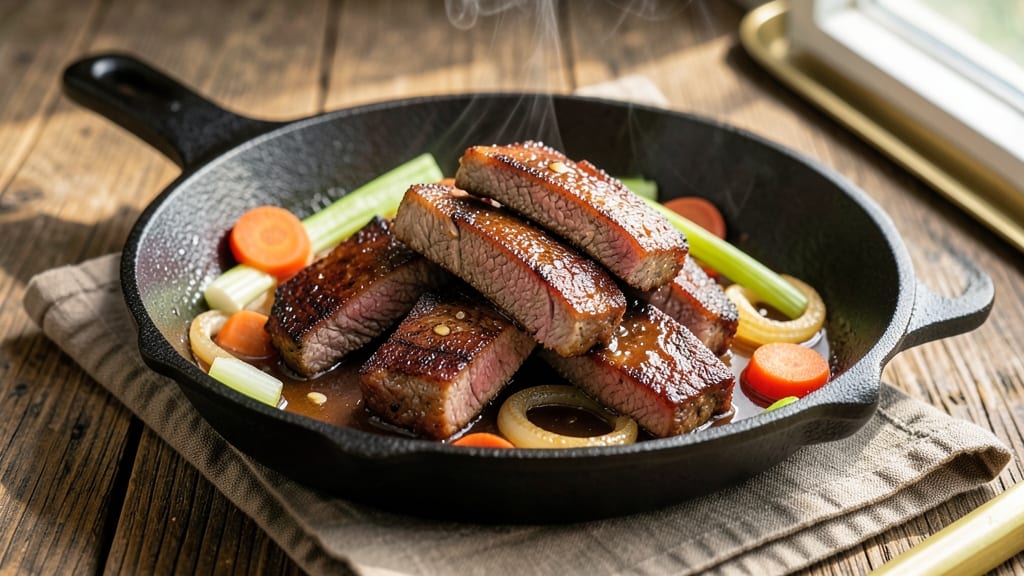
Transforming tough boneless beef shoulder ribs into melt-in-your-mouth perfection requires patience and precision—this slow-braised method delivers results that rival your favorite restaurant's. The secret lies in low-and-slow cooking that breaks down fibers while building deep, caramelized flavors in a rich sauce.
I developed this technique after years of testing, and it never fails to impress even the most skeptical meat lovers.
What makes this recipe work is the combination of a dry rub for initial flavor development followed by a liquid braise that tenderizes the meat without drying it out. The beef shoulder's natural fat content renders into the pot, creating a sauce that's rich enough to coat every bite.
This method transforms what could be a tough cut into something so tender it practically falls apart with the slightest touch.
By the time you're done, you'll have ribs that are buttery and falling-off-the-bone tender, glazed with a sticky caramelized sauce that's perfect for dipping or drizzling. The aroma alone will have everyone gathering around your table, and the first bite will confirm why this technique is worth the wait.
Serve with classic sides like mashed potatoes or a crisp coleslaw to complete the meal.
This recipe works beautifully for game day gatherings, family dinners, or when you want to impress guests with restaurant-quality results at home. The beauty of braising is that it forgives minor timing variations, making it approachable even for home cooks who might feel intimidated by meat preparation.
Let's get started on creating ribs that will become your new signature dish.
Ingredients for boneless beef shoulder ribs
Six ingredients make the difference between tough and tender beef shoulder ribs.
| Ingredient | Amount | Notes |
|---|---|---|
| Boneless Beef Shoulder Ribs 🥩 | 4 lb | Cut into 2-inch chunks |
| Yellow Onion 🧅 | 1 whole | Chopped, medium dice |
| Carrots 🥕 | 4 whole | Cut into 1-inch pieces |
| Celery Stalks 🌿 | 4 whole | Cut into 1-inch pieces |
| Garlic Cloves 🧄 | 8 cloves | Crushed, not minced |
| Beef Broth 💧 | 4 cups | Low-sodium preferred |
| Tomato Paste 🍅 | ½ cup | Smooth, not chunky |
| Apple Cider Vinegar 🍎 | ¼ cup | For tangy depth |
| Dry Red Wine 🍷 | 1 cup | Bold, like Cabernet |
| Kosher Salt 🧂 | 2 tbsp | Plus extra for seasoning |
| Ground Black Pepper 🌶️ | 1 tbsp | Freshly cracked |
| Smoked Paprika 🌶️ | 1 tbsp | For smoky flavor |
| Dried Thyme 🌿 | 1 tsp | Or 1 tbsp fresh |
| Bay Leaves 🍃 | 2 whole | For aromatic depth |
| Olive Oil 🫒 | ¼ cup | For searing |
The beef shoulder is the star here—look for cuts with good marbling (that white fat streaked through) at Costco or your local butcher. Pre-cut chunks save time, but if you're buying a whole shoulder, ask for it to be cut into 2-inch pieces. The natural fat is what creates that buttery sauce, so don't trim it off. For the veggies, I always grab a bag of organic carrots and celery from Trader Joe's—they're pre-washed and ready to chop. The onion? Yellow, not red, for better flavor development. And skip the pre-minced garlic—whole cloves taste fresher when crushed yourself.
No red wine? Beef broth with an extra splash of vinegar works just as well. Smoked paprika is a must for that restaurant-style depth, but if you're out, regular paprika plus a pinch of cayenne gets you close. Fresh thyme is ideal, but dried at one-third the amount still delivers. The tomato paste can be from a tube (like Trader Joe's squeeze bottle)—no need for fancy cans. For the broth, low-sodium is key so you can control the seasoning. And if you're feeling fancy, swap the apple cider vinegar for red wine vinegar—it's got more complexity.
This braise reheats beautifully—better the next day when all the flavors meld. Keeps in the fridge for 5 days, freezes for 3 months in portions. I always make double batches because these ribs disappear fast. Store leftovers in the sauce—it's the best part. For serving, a drizzle of the sauce over mashed potatoes or a sprinkle of fresh parsley finishes the dish perfectly.
Why You'll Love This Recipe
- No-Chop Shortcut: I swear by the "mirepoix hack"—just buy pre-diced onion, carrots, and celery from the store. Toss them raw into the pot with the ribs, and let the slow cooker do the rest. No knife skills required, no mess.
- Deep Umami Magic: That beef shoulder? It’s like liquid gold when braised. The onions caramelize right into the sauce, while the garlic cloves (whole, not minced!) infuse every bite with layers of flavor. Rich, tender, and way more complex than takeout.
- Meal Prep MVP: Between us, this is my go-to for lazy Sundays or busy weeks. Cook a big batch, and you’ve got hearty sandwiches, tacos, or even a quick pasta for the next three days. (Yes, even on a Tuesday night.)
- Budget-Friendly Feast: Beef shoulder ribs are the unsung hero of affordable protein. A single pound stretches across multiple meals, and the veggies? They’re the cheap, crunchy kind that doesn’t break the bank. Filling, flavorful, and guilt-free.
Step-by-step instructions for slow-braised boneless beef shoulder ribs
Here's how to transform tough beef into melt-in-your-mouth perfection using just a Dutch oven.
Sear the Beef for Deep Flavor
Heat the 0.25 cup olive oil in a heavy Dutch oven over medium-high heat until shimmering. Working in batches to avoid crowding, add the 4 lb boneless beef shoulder ribs cut into 2-inch chunks and sear for 3-4 minutes per side until deeply browned. This step develops the rich, caramelized crust that forms the flavor base.
Don't rush this process—you want each piece to develop a golden-brown sear. If your pan gets too crowded, work in two batches. Transfer the seared beef to a plate as you finish each batch. You'll know it's ready when the beef releases easily from the pan and has developed a nice crust.
Build the Aromatic Base
In the same Dutch oven, add the chopped yellow onion, carrots, and celery stalks all at once. Cook for 5 minutes until the vegetables begin to soften and the onions turn translucent. Stir occasionally to prevent burning.
Add the 8 crushed garlic cloves and cook for another 30 seconds** until fragrant. This aromatic trio forms the flavor foundation of your braise. If you notice the garlic starting to brown too quickly, reduce the heat slightly to medium-low to prevent burning.
Deglaze and Combine All Ingredients
Pour in the 1 cup dry red wine and scrape up all the browned bits from the bottom of the pot with a wooden spoon. This deglazing step captures all the flavor that would otherwise stick to your pot. Let the wine simmer for 2-3 minutes until reduced by half.
Add the 0.5 cup tomato paste, 0.25 cup apple cider vinegar, 4 cups beef broth, 2 tbsp kosher salt, 1 tbsp ground black pepper, 1 tbsp smoked paprika, 1 tsp dried thyme, and 2 whole bay leaves. Stir well to combine all ingredients into a single flavorful mixture.
Braise Until Fork-Tender
Return all the beef to the Dutch oven and bring the liquid to a gentle simmer. The mixture should bubble softly—if it's boiling vigorously, reduce the heat to medium-low. Cover tightly with a lid and transfer to the oven preheated to 325°F.
Braise for 2.5-3 hours until the beef is fork-tender and easily pulls apart. You'll know it's done when the meat separates with minimal resistance and the sauce has thickened slightly. If the liquid level gets too low, add a splash of water or broth to maintain moisture.
Rest and Serve with Pan Sauce
Remove the beef from the braising liquid and transfer it to a serving platter. Tent loosely with foil and let it rest for 10 minutes while you reduce the sauce. Skim off any excess fat from the surface of the braising liquid, then simmer uncovered over medium heat for 5-7 minutes until slightly thickened.
Serve the beef shoulder ribs with the reduced sauce spooned over the top. The meat should be so tender it practically melts in your mouth, with a rich, complex sauce that balances sweet, tangy, and savory flavors. This dish makes an excellent centerpiece for family dinners or special occasions, delivering restaurant-quality results in your own kitchen.
Pro Tips For Making Boneless Beef Shoulder Ribs
- Trim the Fat First: Cut away the thick silver skin and excess fat from the beef shoulder ribs before cooking—it’s the only way to guarantee even browning and faster tenderizing. I used to skip this, and my ribs would steam instead of sear, leaving me with uneven texture.
- Sear in Batches: Don’t crowd the pan when searing—work in 2-3 batches if needed. High heat and space let the ribs develop that deep crust without steaming. After burning two batches, I finally got it: patience here pays off.
- Chop Veggies Uniformly: Dice onions, carrots, and celery into ¼-inch pieces so they cook at the same rate as the ribs. Larger chunks turn mushy while smaller ones burn. My grandmother’s trick: use a knife sharp enough to slice through them cleanly—no sawing.
- Deglaze with Broth: After searing, splash in ½ cup beef broth (not water) to scrape up browned bits—this adds flavor that dry ingredients can’t match. I was skeptical until I tried it: the sauce thickens better and tastes richer.
Regional styles of this dish
Southern BBQ Style
In the South, these ribs take on a smoky, vinegar-forward profile that's perfect for game day. Swap the red wine for 1 cup apple cider vinegar and add 2 tbsp hot sauce (like Crystal Hot Sauce) to the braising liquid.
Finish with a sprinkle of coarse kosher salt and a drizzle of honey before serving. This version pairs beautifully with classic sides like cornbread and collard greens. 🔥
Italian-Inspired Braised Ribs
For an Italian twist, add 1 cup crushed San Marzano tomatoes to the braise along with 4 sprigs fresh rosemary instead of thyme. Deglaze with dry white wine (like Pinot Grigio) and finish with a splash of balsamic vinegar.
Serve with polenta or crusty Italian bread to soak up the rich sauce. I first tried this version after Nonna insisted "Italian food needs acidity to cut through the richness."
Asian-Inspired Glazed Ribs
Transform this recipe into an Asian-inspired dish by adding 2 tbsp grated fresh ginger, 1 tbsp fish sauce, and 1 tbsp soy sauce to the braising liquid. Finish with a glaze of 1 tbsp honey and 1 tbsp rice vinegar reduced in a small pan.
Garnish with sliced green onions and sesame seeds for a sweet-savory profile. Serve over steamed jasmine rice for a complete meal. 🌶️
French-Inspired Bourguignon
Elevate this to a Bœuf Bourguignon by adding 8 oz mushrooms (cremini or button) and 1 cup pearl onions to the braise. Deglaze with 1 cup dry red Burgundy wine and finish with 1 sprig fresh thyme and 1 sprig fresh parsley.
The French technique of long, slow cooking transforms these ribs into a luxurious dish perfect for special occasions. Serve with buttery egg noodles or crusty baguette.
Mexican-Inspired Carnitas Style
For a Mexican-inspired version, add 2 tsp ground cumin, 1 tsp smoked paprika, and 1 tsp oregano to the dry rub. After braising, shred the beef and crisp it in a skillet with 2 tbsp lard or vegetable oil until golden.
Finish with lime juice and cilantro. Serve in warm tortillas with pico de gallo and avocado slices** for a fun, handheld meal. This version became a hit at my apartment's impromptu taco nights. 🌮
Nutrition facts
Frequently asked questions
Why do I need to cut the beef shoulder into 2-inch chunks?
Even cuts ensure even cooking and faster tenderness. 2-inch chunks give you perfect bite-sized pieces that cook through completely in the 2.5-3 hour braise. Smaller pieces would overcook, while larger ones might stay tough in the center. This size also makes serving easier—no one wants to struggle with giant hunks of meat!
Can I use a slow cooker instead of the oven?
Transfer everything to a 6-quart slow cooker after searing, then cook on low for 8-10 hours or high for 5-6 hours. The liquid will be thinner, so reduce it on the stove before serving. The slow cooker method is perfect for busy days—just don't skip the searing step, as it builds critical flavor.
What if my beef shoulder ribs are still tough after braising?
This usually means the cooking time wasn't long enough or the heat was too high. Extend braising by another 30-60 minutes at 325°F, or try increasing the liquid slightly (add ½ cup broth) to help tenderize. If they're still tough, shred the meat and use it in sandwiches or tacos—the sauce will still be delicious!
How do I store and reheat leftovers?
Store in the fridge for 5 days or freeze for 3 months in airtight containers with the sauce. Reheat on the stove with 1-2 tbsp water or broth over medium-low heat until warmed through (165°F). For best texture, reheat just until hot—overcooking can make the meat dry. The sauce reheats beautifully, so don't skip this step!
Can I substitute beef broth with another liquid?
Yes! Use water + bouillon cubes (1 cube per cup) or even chicken broth in a pinch, but beef broth gives the best flavor. For extra richness, replace 1 cup broth with 1 cup red wine or tomato juice. The key is maintaining enough liquid to braise properly—never less than 3 cups total.