Desserts
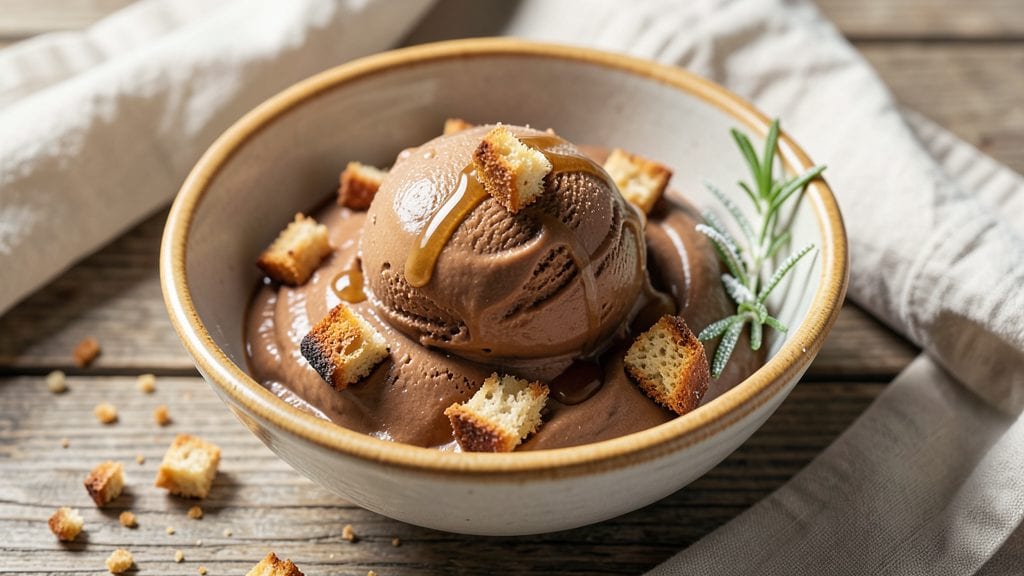
This old-fashioned brown bread ice cream recipe transforms humble ingredients into a dessert that tastes like nostalgia in every bite. The secret lies in blending toasted brown bread with rich vanilla custard, creating a creamy base with subtle caramelized notes that swirl through velvety ice cream.
I developed this version after years of testing—balancing texture and flavor to achieve that perfect, melt-in-your-mouth consistency without a trace of graininess.
The process begins with soaking stale brown bread in milk to create a smooth, flavorful base, then blending it into the custard mixture before churning. This traditional technique ensures a rich, custard-style ice cream that's far from the heavy, icy versions you might find elsewhere.
The result is a dessert with warm spice undertones and a luxurious creaminess that pairs beautifully with whipped cream or a drizzle of caramel.
What makes this recipe stand out is how it elevates simple ingredients into something extraordinary—no special equipment required, just patience and precise technique. The final product delivers a creamy, velvety texture with pockets of spiced brown bread flavor that linger with every spoonful.
Perfect for summer gatherings or a cozy night in, this ice cream is a testament to how classic flavors can feel completely modern.
For those looking to adapt, a vegan version swaps dairy for coconut milk and uses agar-agar instead of eggs, proving this recipe works for any dietary preference. Let's get started on creating this timeless dessert that feels like a warm hug in every bite.
Ingredients for old fashioned brown bread ice cream
Transform humble pantry staples into velvety nostalgia with these twelve essential ingredients.
| Ingredient | Amount | Notes |
|---|---|---|
| Brown Bread 🍞 | 4 cups | Stale or lightly toasted, crust removed |
| Whole Milk 🥛 | 2 cups | Full-fat for creaminess |
| Heavy Whipping Cream 🥛 | 1 ½ cups | 36% fat minimum |
| Granulated Sugar 🍚 | 1 cup | Fine white sugar preferred |
| Large Egg Yolks 🥚 | 4 whole | Fresh, room temperature |
| Pure Vanilla Extract 🌿 | 1 ½ tbsp | Bottled or homemade |
| Ground Cinnamon 🌶️ | 1 tsp | Freshly toasted for warmth |
| Ground Nutmeg 🌶️ | ½ tsp | Freshly grated preferred |
| Salt 🧂 | ½ tsp | Fine sea salt |
| Unsalted Butter 🧈 | ½ cup | Cold, cubed for churning |
| Light Corn Syrup 🍯 | ¼ cup | For smooth texture |
| Whipped Cream 🥛 | ½ cup | Optional garnish |
The brown bread is the heart of this recipe—stale or lightly toasted works best, as it absorbs the milk beautifully without adding moisture. Store-bought loaves from the bakery section tend to have more texture than pre-packaged varieties, but any whole-grain brown bread will do. For extra depth, toast the bread until it's just golden, then cool completely before processing. The milk and heavy cream should be full-fat—this ensures the custard develops that luxurious, restaurant-quality mouthfeel. If you're using ultra-pasteurized milk, let it sit at room temperature for 30 minutes before using to improve texture.
No heavy cream? Full-fat coconut milk works for a dairy-free version, though the texture will be slightly lighter. Swapping vanilla extract for vanilla bean paste adds flecks of vanilla that create beautiful swirls in the final product. The spices—cinnamon and nutmeg—should be freshly toasted if possible: lightly toast the whole spices in a dry pan for 30 seconds, then grind them in a spice grinder or mortar and pestle. This releases their essential oils and intensifies their flavor. For the sugar, turbinado sugar adds subtle caramel notes, but regular granulated sugar works perfectly fine. The corn syrup is non-negotiable for texture—it prevents ice crystals and keeps the ice cream silky smooth.
This custard base keeps for 3 days in the refrigerator, so make it ahead if you're using an ice cream maker. The finished ice cream freezes beautifully for up to 2 months—portion it into airtight containers with parchment paper between layers to prevent freezer burn. For a vegan adaptation, replace the egg yolks with 4 tbsp agar-agar mixed into 1 cup warm coconut milk, and use coconut cream instead of heavy cream. The whipped cream garnish should be lightly sweetened with a touch of vanilla and a pinch of salt to complement the spiced brown bread flavor. Store any leftovers in an airtight container with a layer of plastic wrap pressed directly onto the surface to minimize ice crystals.
Why You'll Love This Recipe
- I’ll be real: this is my go-to when I need something special but don’t have time for fancy recipes. Toss the bread in milk overnight, blend it up, and freeze. By dessert time, it’s ready—no churning, no waiting, just pure satisfaction.
- No Stale Ingredients Needed: Honestly, I keep a loaf of brown bread in my freezer just for this—no need to buy anything fancy. That crusty, slightly sweet bread? It’s the star, and it turns into this creamy, nostalgic texture that’s impossible to resist.
- Rich Without the Guilt: The combo of whole milk, heavy cream, and just a touch of sugar makes this dangerously smooth, but the egg yolks tie it all together like a hug. It’s decadent enough for dessert but feels lighter than most ice creams—no heavy syrup or artificial junk here.
- Weeknight Magic: I’ll be real: this is my go-to when I need something special but don’t have time for fancy recipes. Toss the bread in milk overnight, blend it up, and freeze. By dessert time, it’s ready—no churning, no waiting, just pure satisfaction.
Step-by-step instructions for old fashioned brown bread ice cream
Transform simple pantry staples into velvety ice cream with warm spiced swirls—this method guarantees a creamy texture every time.
Prepare the Brown Bread Base
Tear the 4 cups brown bread into small pieces and spread them evenly on a baking sheet. Toast in a 350°F oven for 10-12 minutes until completely dry and lightly golden. This step removes excess moisture that would make your ice cream icy. Let the toasted bread cool completely before processing.
Transfer the cooled bread to a food processor and pulse until you achieve a fine, crumbly texture—similar to coarse sand. The consistency should resemble breadcrumbs but not be too fine, as this affects the final texture of your ice cream. Set aside for the custard mixture.
Create the Creamy Custard Base
In a medium saucepan, combine the 2 cups whole milk, 1.5 cups heavy whipping cream, 1 cup granulated sugar, 4 whole large egg yolks, 1.5 tablespoons pure vanilla extract, 1 teaspoon ground cinnamon, 0.5 teaspoon ground nutmeg, and 0.5 teaspoon salt. Whisk until the sugar and salt dissolve completely—this prevents graininess in your final product.
Place the saucepan over medium heat and cook, stirring constantly with a wooden spoon or silicone spatula, until the mixture thickens enough to coat the back of a spoon (170-175°F). Remove from heat immediately to prevent curdling. Stir in the 0.5 cup unsalted butter and 0.25 cup light corn syrup until fully incorporated and smooth.
Combine and Chill the Mixture
Transfer the warm custard to a large mixing bowl and gradually whisk in the breadcrumbs until fully combined. The mixture should be thick and homogeneous—this ensures a creamy texture rather than a crumbly one. Let it cool to room temperature, then cover and refrigerate for at least 4 hours or overnight. Chilling is critical for developing the proper texture before churning.
While the mixture chills, prepare your ice cream maker according to the manufacturer's instructions. The colder the mixture is when you start churning, the smoother your final product will be. This step also allows flavors to meld beautifully, creating that warm spice profile throughout.
Churn and Freeze for Perfect Texture
Pour the chilled mixture into your ice cream maker and churn according to the machine's guidelines, typically 20-25 minutes. The ice cream will thicken and develop a soft-serve consistency. Transfer it to a lidded airtight container and freeze for 4-6 hours to firm up completely.
For serving, let the ice cream sit at room temperature for 5-10 minutes before scooping. This creates a smoother texture and makes it easier to serve. Garnish with the 0.5 cup whipped cream if desired, and enjoy the perfect balance of creamy vanilla base with warm brown bread and spice swirls.
Pro Tips For Making Old Fashioned Brown Bread Ice Cream
- Toast the Bread First: Dry-toast your brown bread slices until they’re deep golden and crisp—almost to the point of burning. I learned this the hard way: soggy bread in the custard makes the ice cream gummy, and you’ll taste the milk instead of the toasted nuttiness. Use a skillet over medium heat, flip often, and listen for that crackly sound.
- Strain the Custard Twice: After cooking the egg yolk mixture, strain it through a fine-mesh sieve and a cheesecloth-lined colander. The first strain catches stray bread bits, but the cheesecloth grabs the fine starch that makes the ice cream icy. Skimp here, and you’ll end up with a texture like a snow cone.
- Chill the Custard Hard: Pop the custard in the fridge for at least 4 hours—or overnight if you’re impatient like me—until it’s bone-chilling cold. I used to rush this step, and the ice cream would churn like glue. Cold custard whips faster, freezes smoother, and gives you that creamy, old-fashioned consistency.
- Sweeten Gradually: Add the sugar to the custard in two batches: half before cooking, half after. The first batch dissolves fully while heating, but the second batch (whisked in cold) balances the sweetness without making the ice cream cloying. Trust me, your taste buds will notice the difference.
Troubleshooting perfect results
Grainy Texture Fix
If your ice cream turns out grainy, it’s usually from over-processing the bread or not dissolving the sugar properly. For the bread base, pulse in the food processor just until it reaches a coarse crumb texture—no finer than fine sand.
When making the custard, whisk vigorously until the sugar and salt fully dissolve before heating. If you still see grit, strain the mixture through a fine-mesh sieve before churning. 💫
Icy Crystals Problem
Ice crystals form when moisture isn’t properly absorbed or the mixture isn’t cold enough when churning. First, ensure your bread is completely dry after toasting—no damp spots.
Chill the custard mixture for at least 4 hours before churning, and use an ice cream maker with a strong freezer (below 0°F). If crystals appear after freezing, let the ice cream sit at room temperature for 10 minutes before serving to soften slightly.
Custard Too Thin
A thin custard usually means the mixture didn’t thicken enough during cooking. Use a candy thermometer to monitor the temperature—remove from heat at 170-175°F (it will continue thickening slightly off the heat).
If it’s still too runny, whisk in 1 extra tablespoon of cornstarch mixed with 2 tablespoons cold milk, then heat gently until thickened. For extra insurance, add 1 extra egg yolk to the mixture before cooking.
Weak Flavor Profile
If the brown bread flavor feels muted, the bread wasn’t toasted enough or the spices weren’t fresh. Next time, toast the bread until it’s deep golden (almost browned) to intensify its flavor. For spices, use freshly ground cinnamon and nutmeg—pre-ground spices lose potency quickly.
You can also infuse the milk with 1 cinnamon stick while heating the custard for an extra depth of flavor.
Churning Issues
If your ice cream maker isn’t working properly, the mixture may not thicken correctly. First, ensure your machine is clean and free of ice buildup—scrape out any old residue before starting. If the mixture isn’t thickening after 25 minutes, it might be too warm.
Chill it for another hour before churning again. For no-churn methods, use more heavy cream (up to 2 cups) and ensure the mixture is very cold before freezing.
Freezer Burn Prevention
Freezer burn happens when air exposure dries out the ice cream. Always store it in an airtight container with parchment paper pressed directly onto the surface before sealing. Leave no air gaps—fill the container completely and press the lid down firmly.
For longer storage (up to 2 months), portion the ice cream into smaller containers (like silicone molds) to minimize surface area exposed to air. 🧊
Nutrition facts
Frequently asked questions
Can I use any type of brown bread for this recipe?
Yes, but texture matters! Whole-grain or bakery-style brown bread works best because it has more structure and flavor. Avoid pre-packaged varieties with added oils—they can make your ice cream greasy. Toasting the bread first removes excess moisture, ensuring a silky texture. For extra depth, lightly toast the bread until golden before processing.
What if I don’t have an ice cream maker?
No problem! Use the no-churn method: mix 1 cup whipped cream into the chilled custard, then freeze in an airtight container, stirring every 30 minutes for 3-4 hours. For a firmer texture, add 1 cup cold heavy cream before freezing. The result will be softer but still delicious—just let it sit at room temperature for 10 minutes before scooping.
Why does my ice cream taste like bread instead of vanilla?
The bread flavor should complement, not overpower! If it’s too strong, your bread was likely over-toasted or under-mixed. For balance, increase the vanilla extract to 2 tablespoons and add ½ teaspoon almond extract to round out the flavor. Also, ensure your spices are fresh—pre-ground cinnamon and nutmeg lose potency quickly.
Can I make this recipe vegan?
Replace the egg yolks with 4 tablespoons agar-agar mixed into 1 cup warm coconut milk, and use full-fat coconut cream instead of dairy. For texture, add 2 tablespoons cornstarch to the base. Chill the mixture for 6 hours (longer than dairy versions) before churning. The result will be creamier and just as flavorful!
How long will this ice cream keep in the freezer?
Store it in an airtight container with parchment paper pressed directly on the surface to prevent freezer burn. It stays fresh for up to 2 months—just let it sit at room temperature for 10 minutes before serving to soften. For best quality, portion into smaller containers to minimize air exposure.