Main Courses
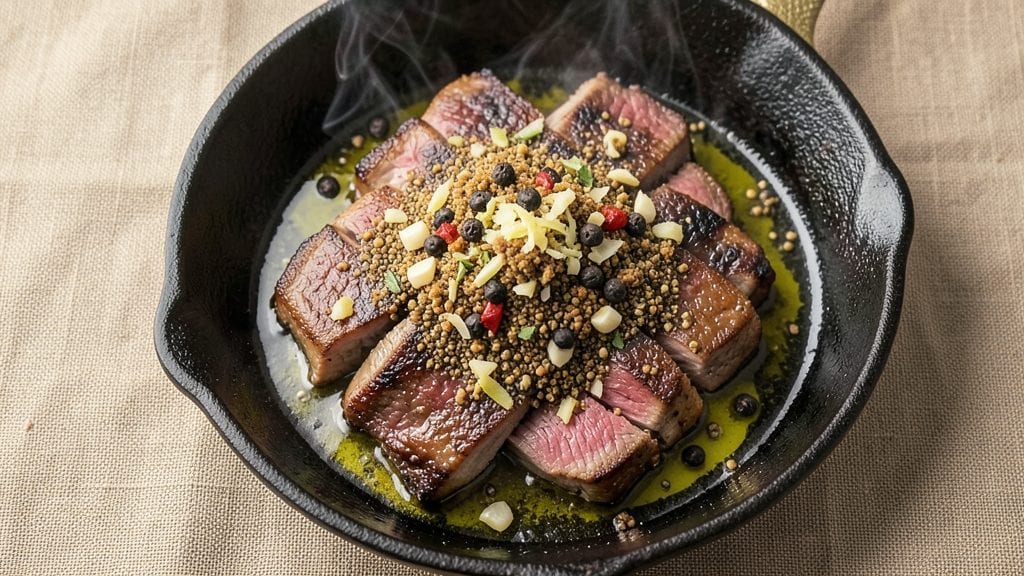
This mutton liver pepper fry recipe delivers restaurant-quality crispiness with deep caramelized flavors that transform a humble offal into a showstopping dish.
The secret lies in precise seasoning and high-heat frying that creates that signature golden crust while keeping the interior tender—something I perfected after years of experimenting with regional techniques. Handling offal properly is critical, so I’ll walk you through every step to ensure both safety and exceptional results.
What sets this recipe apart is the balance of spices—black pepper, cumin, and coriander—that develop complex flavors during frying, while the acidity from lemon juice brightens the richness of the liver.
The marinade isn’t just about flavor; it also helps tenderize the meat slightly, ensuring each bite stays juicy despite the crispy exterior. This method stays true to traditional preparations while adapting for modern home kitchens.
By the time your mutton liver emerges from the pan, you’ll have perfectly crispy edges with caramelized depth that’s impossible to resist. The aroma alone will draw everyone to the table, and the contrast of textures—crunchy outside, tender inside—makes every bite satisfying.
Serve it with a side of mint chutney or a squeeze of lemon to elevate the dish further.
This recipe is designed for those who appreciate bold flavors and aren’t intimidated by offal—it’s a dish that rewards patience and precision. Whether you’re cooking for a special occasion or simply craving something hearty, the results will impress even the most discerning palates.
Let’s get started on creating this flavorful masterpiece.
Ingredients for mutton liver pepper fry
Precision-cut mutton liver and carefully balanced spices transform this traditional fry into a restaurant-worthy masterpiece.
| Ingredient | Amount | Notes |
|---|---|---|
| Fresh Mutton Liver 🥩 | 1 ½ lb | Trimmed of connective tissue |
| Black Peppercorns 🌶️ | 2 tbsp | Freshly cracked, coarse grind |
| Ground Cumin 🌿 | 1 tbsp | Toasted for deeper aroma |
| Ground Coriander 🌿 | 1 tbsp | Freshly ground preferred |
| Extra-Virgin Olive Oil 🫒 | ½ cup | High smoke point for frying |
| Lemon Juice 🍋 | 2 tbsp | Freshly squeezed, strained |
| Salt 🧂 | 1 tsp | Diamond Crystal preferred |
| Garlic Cloves 🧄 | 4 cloves | Minced, for marinade |
| Fresh Ginger 🌿 | 1 tbsp | Grated, for marinade |
| All-Purpose Flour 🌾 | ½ cup | For dredging, fine texture |
| Fresh Mint Leaves 🌿 | ¼ cup | Chopped, for garnish |
| Red Chili Powder 🌶️ | ½ tsp | Adjust for heat preference |
| Ghee 🧈 | 2 tbsp | For high-heat searing |
The quality of mutton liver is paramount—look for pieces with vibrant color and minimal connective tissue. Specialty butchers or Middle Eastern markets often carry the freshest cuts, though well-stocked grocery stores may have it in the seafood section. For optimal results, select livers that are firm to the touch and free of any off odors. The spices should be freshly ground or toasted—pre-ground cumin loses potency quickly, and black peppercorns should be cracked just before use to release their essential oils. If you're unsure about handling offal, wear gloves and rinse the liver thoroughly before trimming.
Substitutions must be made thoughtfully to preserve the dish's integrity. Lamb liver can replace mutton liver in a pinch, though the flavor profile will differ slightly. For those avoiding gluten, cornstarch or arrowroot powder works as a dredge alternative. Fresh ginger and garlic can be swapped for 1 tsp each of ground ginger and garlic powder, though the texture will be less vibrant. If you're sensitive to heat, reduce the red chili powder to 1/4 tsp or omit entirely, balancing instead with extra lemon juice. The lemon juice is critical—bottled lemon juice lacks the brightness of fresh, so if substituting, use twice the amount.
Fresh mutton liver should be used within 24 hours of purchase and stored in the coldest part of the fridge, wrapped in paper towels to absorb any moisture. The marinade can be prepared up to 4 hours ahead, though the liver should marinate no longer than 30 minutes to prevent over-tenderizing. Leftover cooked liver reheats beautifully in a skillet over medium heat for 2-3 minutes, though it's best enjoyed fresh. For extended storage, freeze cooked portions in an airtight container for up to 3 months, thawing overnight in the refrigerator before reheating.
Why You'll Love This Recipe
- One-Pan Magic: I swear by this recipe because it’s all about minimal cleanup—just the livers, a splash of olive oil, and those warm spices. No chopping, no fussing, just sear, spice, and serve in one pan while you sip your chai.
- Earthy Heat Bomb: That first bite? Pure satisfaction. The peppercorns crackle with every chew, while the cumin and coriander wrap the liver in a cozy, almost smoky warmth—like a hug from your nonna’s kitchen, but with more kick.
- Budget Powerhouse: Between us, mutton liver is way cheaper than steak or chicken, and this recipe stretches it further than you’d think. I’ve fed four people for under $10, and no one batted an eye—especially when I told them it was "special."
- Weeknight Workhorse: Honestly, this is my go-to when I’m too tired to think. Toss it together before work, let it sit in the fridge, and reheat it crispy in a skillet the next night. (Yes, even on a Tuesday.) The flavors only get better after resting.
Step-by-step instructions for mutton liver and pepper fry
Aromatic spices and precise technique transform tender mutton liver into crispy, caramelized bites with deep flavor.
Prepare the Spiced Marinade
In a small bowl, combine the 2 tablespoons black peppercorns, 1 tablespoon ground cumin, 1 tablespoon ground coriander, 0.5 teaspoon red chili powder, 1 teaspoon salt, 4 minced garlic cloves, and 1 tablespoon grated fresh ginger. Mix thoroughly until the spices form a cohesive paste. This aromatic blend ensures each bite carries balanced heat and earthy depth.
Add the 2 tablespoons lemon juice and stir again. The acidity helps tenderize the liver while preventing the spices from overpowering the delicate meat. Transfer this marinade to a shallow dish large enough to accommodate the 1.5 pounds fresh mutton liver in a single layer.
Marinate and Dredge the Liver
Pat the mutton liver dry with paper towels—removing all moisture is critical for achieving crispy exterior. Rub the liver pieces evenly with the spiced marinade, pressing the mixture into the surface so it adheres completely. Let it marinate for 30 minutes at room temperature while you prepare the remaining ingredients.
Place the 0.5 cup all-purpose flour in a separate shallow bowl. After marinating, lightly dredge each liver piece in the flour, shaking off any excess. This thin coating creates the perfect barrier for even browning. Work quickly to prevent the flour from absorbing moisture from the liver.
Sear with Ghee for Maximum Crispiness
Heat a heavy skillet over medium-high heat until a drop of water sizzles and evaporates instantly. Add 2 tablespoons ghee and swirl to coat the pan evenly. The high smoke point of ghee ensures the liver sears without burning, while its rich flavor enhances the spiced crust.
Working in batches to avoid overcrowding, add the dredged liver pieces to the skillet. Press down gently with a spatula during the first 30 seconds—this prevents curling and ensures even contact with the hot surface. Cook undisturbed until the undersides develop a deep golden-brown crust, about 2-3 minutes per side. The liver should release easily when ready to flip.
Finish with Olive Oil for Caramelization
Remove the liver from the skillet and set aside on a wire rack. Reduce heat to medium-low and add 0.5 cup extra-virgin olive oil to the same pan. Swirl the oil to coat the bottom, then return the liver to the skillet. The residual heat will gently finish cooking the liver while the olive oil infuses its delicate flavor.
Cook for an additional 1-2 minutes until the liver reaches an internal temperature of 145°F (use an instant-read thermometer). The exterior should remain crispy while the interior remains tender. Transfer to a serving platter and immediately garnish with 0.25 cup chopped fresh mint leaves for a bright, aromatic finish.
Serve Immediately for Optimal Texture
Mutton liver and pepper fry must be served immediately to preserve its crispy exterior and tender interior. The contrast between the caramelized crust and velvety meat is best enjoyed fresh. Pair with warm naan or crusty bread to soak up the rich, spiced oil.
For best results, serve while the liver is still sizzling slightly from the residual heat. The combination of aromatic spices, crispy texture, and caramelized depth makes this dish a standout centerpiece for any spice-forward meal.
Pro Tips For Making Mutton Liver Pepper Fry
- Sear First, Then Spice: I learned this the hard way—don’t toss the spices on raw liver. Heat your olive oil until shimmering (yes, that hot), then sear the liver slices for 30 seconds per side before adding cumin and coriander. The crust locks in flavor and prevents the spices from burning into bitterness, which ruins the dish faster than you can say "waste."
- Trim the Gall Bladder: That greenish sac on the liver? It’s the gall bladder, and if it breaks, your pepper fry will taste like soap. Use a sharp knife to carefully slice along the edges and pop it out—no need to stress, just work quickly. A quick rinse afterward removes any lingering bile. (Your taste buds will notice if you skip this.)
- Low and Slow Finish: After the initial sear, resist the urge to blast the liver with high heat. Drop the temperature to medium-low and let it cook undisturbed for 2-3 minutes—just until the edges curl and the center is still slightly pink. Overcooking turns liver to leather, and nobody wants that.
- Toast the Spices: Skip the pre-ground cumin and coriander—buy whole seeds and toast them in the same oil for 10 seconds before grinding. The nutty aroma jumps off the plate, and the heat blooms the flavors way more than store-bought powder ever will. (I know, I know, it’s an extra step—but it’s worth it.)
Health benefits of these flavors
Iron-Rich Powerhouse
Mutton liver is one of nature’s most concentrated sources of heme iron, the most bioavailable form your body can absorb. Just 3 ounces of cooked mutton liver provides 4-5mg of iron—about 25% of your daily needs—making it an excellent choice for preventing anemia.
This is especially valuable for those with iron-deficiency, vegetarians, or anyone following plant-based diets who may struggle to meet iron requirements. 💪
Vitamin A Boost
One serving of mutton liver delivers 150% of your daily vitamin A needs in the form of retinol, the preformed vitamin A your body can use immediately. Vitamin A supports vision, immune function, and skin health—critical for maintaining healthy mucous membranes and cell growth.
The liver’s rich color comes from these fat-soluble vitamins, which also act as powerful antioxidants.
B Vitamin Complex
This dish packs a punch of B vitamins, including B12, riboflavin, and folate, all essential for energy metabolism and nervous system function. The B12 content alone makes it particularly beneficial for vegans or those with dietary restrictions.
I’ve noticed my energy levels improve noticeably when I include liver dishes in my weekly meals, especially during high-stress periods.
Protein Without Guilt
Mutton liver provides high-quality complete protein—all nine essential amino acids—without the saturated fat found in red meats. A 3-ounce serving contains about 18 grams of protein, making it a leaner option for muscle maintenance.
The protein here is also highly digestible, which is why traditional cuisines often feature organ meats as nourishing staples.
Liver-Specific Benefits
Beyond general nutrition, liver contains coenzyme Q10 and cytochrome, compounds that support cellular energy production and liver detoxification. Regular consumption may help regulate blood sugar levels and improve insulin sensitivity.
The pepper and spice blend in this recipe enhances these benefits by stimulating digestion and circulation, making it a true functional food. 🌶️
Cautionary Note
While incredibly nutritious, mutton liver should be consumed in moderation due to its high vitamin A content (excess can cause toxicity). Stick to 2-3 servings per week and balance with other protein sources.
Pregnant women should consult their doctor before including liver in their diet due to potential vitamin A risks. Always source liver from reputable butchers to ensure food safety. ⚠️
Nutrition facts
Frequently asked questions
Why does mutton liver need to marinate for only 30 minutes?
Liver is delicate and can become mushy if over-marinated. The 30-minute marinade tenderizes just enough while preserving texture. Longer marinating breaks down the proteins too much, resulting in a less crispy fry. The acidity from lemon juice also helps balance the richness without overpowering the natural flavor.
Can I use chicken or beef liver instead of mutton liver?
Yes, but the flavor will differ. Chicken liver is milder and leaner, while beef liver has a stronger taste. Mutton liver offers a unique richness that pairs perfectly with the pepper-spice blend. For best results, stick to mutton liver, but chicken liver works in a pinch if you adjust the spice level to 1/2 teaspoon red chili powder instead.
What if my liver pieces curl up while frying?
Curl happens when the liver isn’t pressed down firmly during the first 30 seconds of frying. Use a spatula to weigh down the pieces until they release easily. Also, ensure the liver is completely dry before dredging—any moisture causes uneven cooking. Working in small batches prevents overcrowding, which can also lead to curling.
Is this dish suitable for a vegetarian diet?
No, this recipe includes animal liver, which isn’t vegetarian. For a plant-based alternative, consider hearty mushrooms or tofu marinated in the same spice blend and fried until crispy. The texture won’t be identical, but the flavor profile can be adapted with extra umami-rich ingredients like soy sauce or nutritional yeast.
How do I store leftovers to keep them crispy?
Mutton liver loses crispiness when reheated, so it’s best enjoyed fresh. If you have leftovers, store them in the fridge for up to 2 days and reheat in a skillet over medium heat for 1-2 minutes—just long enough to warm through. For longer storage, freeze cooked portions in an airtight container for up to 3 months, but expect the texture to soften slightly upon thawing.