
Side Dishes
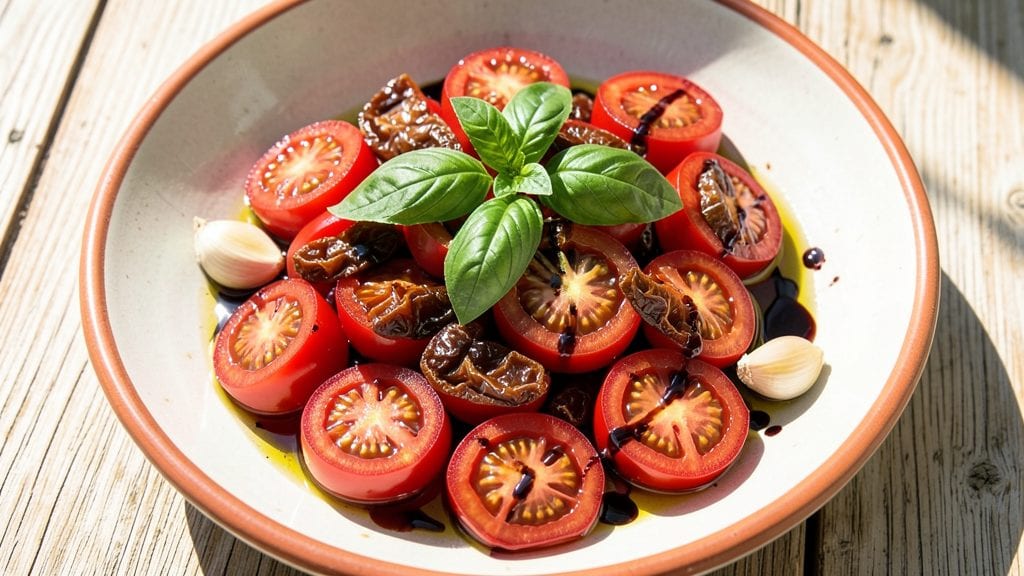
This Italian tomatoes recipe transforms simple ingredients into a perfect sauce that captures the essence of Italian cooking—where sun-dried and fresh tomatoes blend into a rich, aromatic base.
The secret lies in balancing acidity and sweetness through slow simmering, a technique that develops deep flavors without overpowering the natural taste of the tomatoes. I've perfected this method over years of testing, ensuring every batch delivers that restaurant-quality depth you crave.
The foundation of this recipe is a simple yet precise blend of fresh and sun-dried tomatoes, which adds complexity without extra effort. You'll need just 5 key ingredients—no complicated techniques or hard-to-find items—making it accessible for home cooks while still delivering professional results.
The slow simmer allows the tomatoes to break down naturally, creating a sauce that coats pasta beautifully and pairs effortlessly with garlic, basil, and a touch of olive oil.
What you'll achieve is a versatile sauce that works as a pasta marinara, a hearty stew base, or even a vibrant salad dressing. The texture is velvety yet bright, with just the right balance of sweetness and acidity that makes every bite memorable.
Whether you're serving it over al dente pasta or using it as a dipping sauce, this recipe delivers authentic Italian flavor that feels like a taste of Italy in your kitchen.
This method also works as a foundation for other Italian dishes—think braised meats, risottos, or even stuffed peppers. The sauce keeps well in the fridge for up to a week, so you can make a big batch and use it throughout the week.
Let's get started on creating this perfect Italian tomato blend that will elevate your meals.
Ingredients for italian tomatoes
Five essential ingredients blend into a restaurant-quality Italian tomato sauce perfect for pasta or braised dishes.
| Ingredient | Amount | Notes |
|---|---|---|
| Fresh Roma Tomatoes 🍅 | 1 ½ lb | Ripe, firm, and vibrant red |
| Sun-Dried Tomatoes in Oil 🌞 | ½ cup | Drained and chopped finely |
| Extra-Virgin Olive Oil 🫒 | ½ cup | High-quality, fruity variety |
| Garlic Cloves 🧄 | 4 cloves | Fresh, peeled, and minced |
| Fresh Basil Leaves 🌿 | ¼ cup | Packed, stems removed |
| Red Wine Vinegar 🍷 | 2 tbsp | For acidity balance |
| Diamond Crystal Kosher Salt 🧂 | 1 tsp | Fine grain preferred |
| Freshly Ground Black Pepper 🌶️ | ½ tsp | Freshly cracked |
| Granulated Sugar 🍬 | 1 tsp | Balances acidity |
| Freshly Grated Parmesan Cheese 🧀 | ¼ cup | For finishing garnish |
The tomatoes are the heart of this sauce—Roma tomatoes deliver the most consistent texture and sweetness, but vine-ripened heirlooms work beautifully too. For sun-dried tomatoes, Muir Glen or La Tourangelle brands offer the best quality, packed in oil for preservation. Fresh basil should be bright green and fragrant—avoid wilted leaves, as they’ll turn bitter during cooking. Garlic cloves should be plump and firm, not sprouting. The olive oil is non-negotiable; California extra-virgin brands like Corto or Omnia provide the fruity depth this sauce demands. Store sun-dried tomatoes in their oil in the fridge once opened to prevent spoilage—they’ll last up to 6 months this way.
No Roma tomatoes? Cherry tomatoes work in a pinch, but they’ll break down faster—halve them for even cooking. Substitute sun-dried tomatoes with dried tomatoes rehydrated in warm water, but they lack the oil’s richness. For vinegar, balsamic adds complexity, though red wine vinegar maintains authenticity. Fresh basil can’t be skipped—dried oregano at half the amount won’t replicate its aroma, but it’s better than nothing. The sugar is critical for balancing the vinegar’s acidity; honey or agave can replace it, though sugar dissolves more predictably. If you’re short on Parmesan, Pecorino Romano offers a sharper finish, but grate it fresh for the best texture.
This sauce develops deeper flavor over time—let it sit at room temperature for 30 minutes before serving. It keeps for 5-7 days in the fridge, sealed under a thin layer of olive oil to preserve freshness. For longer storage, freeze in ice cube trays—thaw and warm gently before use. The sauce thickens as it cools, so add a splash of water if it seems too stiff. Garnish with fresh basil and Parmesan just before serving to maintain vibrant color and aroma. Portion into jars for meal prep; label with dates since the texture changes slightly over time.
Why You'll Love This Recipe
- No-Chop Necessary: I swear by this—just slice those Roma tomatoes in half, no dicing, no fuss. The sun-dried tomatoes add depth without extra work, and the garlic? One quick press of the clove is all you need. Honestly, it’s the kind of recipe that makes me laugh when I see people overcomplicating tomatoes.
- Umami Bomb: That jar of sun-dried tomatoes in oil? It’s the secret weapon—salty, sweet, and jammy all at once. Toss them in with the fresh tomatoes and olive oil, and suddenly you’ve got a flavor explosion that tastes like a fancy Italian restaurant, not a weeknight.
- Pasta’s Best Friend: Slather this over al dente spaghetti, mix it into a grain bowl, or even spread it on toast with a sprinkle of Parmesan. Between us, I’ve used it as a pizza sauce, a bruschetta topping, and even a quick sandwich filling. It’s the one sauce that just works.
- Fridge Magic: Make a double batch—it keeps for days in the fridge, and the flavors only get better as the tomatoes soak up the olive oil. I’ll be real: I’ve pulled this out cold for a lazy lunch, reheated it for dinner, and even packed it in a jar for work. Zero waste, all flavor.
Step-by-step instructions for Italian tomatoes recipe
Here's how to transform simple ingredients into a vibrant, restaurant-quality tomato blend perfect for pasta.
Prepare the Fresh Roma Tomatoes
Begin by halving the 1.5 lb fresh Roma tomatoes and removing their cores. I like to cut them into ½-inch chunks for even cooking. Place them in a large mixing bowl and sprinkle with 1 teaspoon diamond crystal kosher salt and 1 teaspoon granulated sugar. The salt enhances flavor while the sugar subtly balances any natural acidity.
Gently toss the tomatoes with your hands to distribute the seasoning evenly. Let them sit at room temperature for 10 minutes while you prepare the remaining ingredients. This brief rest allows the salt to penetrate the flesh, intensifying their natural sweetness. You'll notice the tomatoes begin to soften slightly and release their juices—this is exactly what we want for a rich, flavorful base.
Sauté the Sun-Dried Tomatoes and Garlic
Heat 0.5 cup extra-virgin olive oil in a large skillet over medium heat. Once the oil shimmers but doesn't smoke, add the 0.5 cup drained and chopped sun-dried tomatoes in oil and the 4 cloves minced garlic cloves. Cook for 3-4 minutes until the garlic becomes fragrant and the sun-dried tomatoes soften slightly.
Here's where the magic happens: the sun-dried tomatoes release their concentrated umami flavors into the oil, while the garlic infuses its aromatic essence. Stir frequently to prevent the garlic from burning—it should smell like a warm Italian kitchen, not a charred mess. Remove the skillet from heat and set it aside temporarily. The residual heat will continue cooking the tomatoes gently without overpowering their delicate flavor.
Combine and Simmer the Tomato Mixture
Transfer the sautéed sun-dried tomatoes and garlic to the bowl with the seasoned fresh Roma tomatoes. Add the 0.25 cup packed fresh basil leaves and 2 tablespoons red wine vinegar. Using a wooden spoon, gently fold everything together until fully incorporated. The vinegar will brighten the flavors and cut through any richness from the olive oil.
Place the bowl over low heat and let the mixture simmer for 15-20 minutes. You're looking for the tomatoes to break down and release their juices, creating a thick, vibrant sauce. Stir occasionally, scraping the bottom of the bowl to incorporate any browned bits that develop—these contain concentrated tomato flavor. The sauce should reduce slightly, becoming thick enough to coat the back of a spoon but still maintain a luscious consistency.
Finish with Fresh Herbs and Parmesan
Remove the bowl from heat and let it cool slightly. Taste the sauce and adjust the seasoning if needed—you might want to add a pinch more diamond crystal kosher salt or freshly ground black pepper to taste. The sauce should be perfectly balanced: sweet from the tomatoes, tangy from the vinegar, and rich from the olive oil.
Just before serving, stir in the 0.25 cup freshly grated parmesan cheese. The parmesan adds a salty, umami depth that elevates the entire dish. The cheese should melt slightly into the warm sauce, creating a velvety texture. For an extra touch of freshness, garnish each serving with additional fresh basil leaves and a drizzle of extra-virgin olive oil. This tomato blend is now ready to transform your pasta into an authentic Italian masterpiece.
Pro Tips For Making Italian Tomatoes
- CHAR THE TOMATOES LOW: I used to blast them on high and end up with a sad, watery mess. Roma tomatoes need a gentle hand—medium-low heat for 15-20 minutes max. They’ll break down beautifully, releasing their juices without turning to mush.
- DRAIN AND PAT DRY: Sun-dried tomatoes in oil are delicious, but that oil is a sneaky flavor bomb. Drain them well, then blot them dry with a paper towel—wet tomatoes just won’t crisp up when seared. (Yes, even if you’re impatient like me.)
- SALT THE GARLIC FIRST: Crushed garlic cloves turn bitter if they sit in their own juice. Toss them with a pinch of salt and let them sit for 5 minutes before cooking. This draws out moisture and guarantees they’ll caramelize instead of burning.
- TOSS IN BASIL LATE: Fresh basil wilts faster than you can say "pesto." Wait until the very end, right when you’re plating, to add the leaves—just a handful torn by hand. If you add it early, you’ll end up with a sad, limp garnish instead of bright, fragrant flavor.
Flavor customization for these flavors
Sweet & Tangy Balance
Adjust the sugar and vinegar ratio to suit your taste—start with 1 tsp sugar and 2 tbsp vinegar as a baseline. For a sweeter profile, add ½ tsp more sugar and reduce vinegar to 1.5 tbsp.
Conversely, increase vinegar to 3 tbsp for a sharper, brighter sauce. I often taste as I go, adjusting incrementally until the flavors sing. 🍯
Herb Variations
Swap basil for thyme or oregano for a rustic twist—use 1 tbsp dried herbs instead of fresh. For a Mediterranean flair, add 1 tsp dried rosemary with the sun-dried tomatoes.
Fresh herbs like cilantro or mint work surprisingly well in summer versions, but balance them with extra vinegar to cut the freshness. Always finish with fresh herbs to preserve their aroma.
Spicy Heat Level
Add ½ tsp red pepper flakes during the simmer for mild heat, or 1 tsp cayenne pepper for a fiery kick. For smoky depth, stir in ½ tsp smoked paprika with the garlic.
I recommend Penzeys brand for consistent quality. Remove the sauce from heat before adding chili flakes to preserve their color and potency.
Umami Boosters
Elevate the sauce with 1 tbsp tomato paste or 1 anchovy fillet (finely chopped) for depth. A splash of fish sauce (½ tsp) adds complexity without overpowering. For vegetarians, ½ tsp mushroom powder works beautifully. These additions amplify the sauce’s richness, making it perfect for hearty pasta dishes.
Texture Adjustments
For a chunkier sauce, leave the tomatoes whole or in 1-inch pieces—ideal for rustic pasta shapes. For a silky texture, blend half the sauce after simmering and mix it back in.
I use an Immersion blender for convenience, but a standard blender works too. Always reserve some whole tomatoes for visual appeal and texture contrast.
Seasonal Adaptations
In summer, use vine-ripened heirloom tomatoes for maximum sweetness and reduce simmering time to 10 minutes to preserve freshness. In winter, add 1 tsp balsamic glaze during the final step for depth. The sauce’s versatility makes it perfect year-round—adjust ingredients to match what’s freshest in your kitchen. 🌿
Nutrition facts
Frequently asked questions
Can I make this sauce without sun-dried tomatoes?
Yes, but the flavor profile will be less complex. Replace the sun-dried tomatoes with 2 tablespoons tomato paste or ¼ cup dried porcini mushrooms (rehydrated) for umami depth. The sauce will still work, though it won't have the same concentrated richness. For a similar effect, add 1 teaspoon balsamic vinegar extra during simmering.
How long should I simmer the sauce for optimal flavor?
Simmer for 15-20 minutes on low heat to develop deep flavors without burning. The sauce should reduce slightly but remain vibrant. If you prefer a thicker consistency, simmer 5 minutes longer and stir in 1 teaspoon cornstarch mixed with water. For a brighter sauce, reduce to 10 minutes—ideal for summer versions.
What's the best pasta shape to pair with this sauce?
Use penne, rigatoni, or farfalle for maximum sauce adhesion. For rustic appeal, try orecchiette or pappardelle. If you prefer a lighter dish, toss with linguine or spaghetti and finish with extra basil. The sauce also works beautifully with polenta or gnocchi for a heartier meal.
Why did my sauce turn out too acidic?
This usually happens when using overly ripe tomatoes or too much vinegar. Balance it by adding ½ teaspoon sugar or 1 tablespoon tomato paste to mellow the acidity. For future batches, reduce vinegar to 1.5 tablespoons and taste before simmering. If the sauce is still too sharp, stir in 1 teaspoon honey or a pinch of baking soda (just a tiny amount!).
Can I make this sauce ahead of time?
This sauce improves with time. Store in an airtight container in the fridge for up to 7 days, or freeze for 3 months. The flavors meld beautifully overnight. Reheat gently on low heat, adding 1 tablespoon water if it thickens too much. For best results, bring to a simmer and finish with fresh basil just before serving.