
Sauces & Condiments
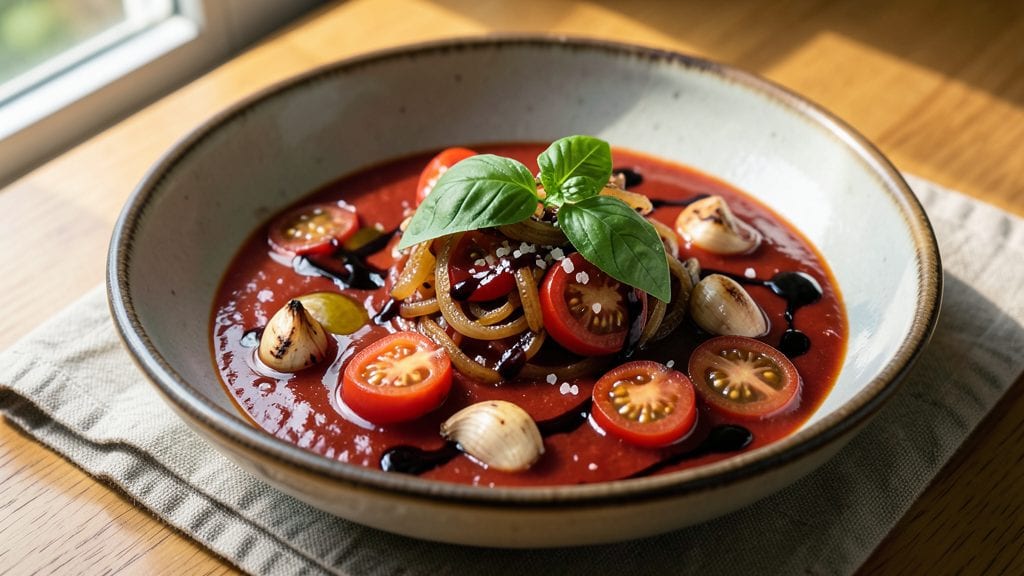
Mastering Gordon Ramsay’s tomato sauce recipe transforms ordinary pasta into a restaurant-worthy experience—rich, umami-packed, and perfectly balanced. The secret lies in slow simmering, precise seasoning, and letting flavors meld over time. I’ve refined this technique after years of testing, ensuring every spoonful delivers depth without overpowering the dish.
This sauce begins with high-quality canned tomatoes (San Marzano if possible) and builds layers of flavor through aromatics like garlic, onions, and fresh herbs. A touch of sugar and red wine vinegar balances acidity, while a splash of red wine adds complexity.
The key is patience—letting the sauce reduce to a velvety consistency unlocks that professional-quality texture.
What you’ll achieve is a sauce so versatile it elevates any pasta, meat, or even grilled vegetables. The umami richness comes from slow caramelization and proper seasoning, not shortcuts. Whether you’re cooking for a weeknight dinner or a special occasion, this sauce delivers restaurant-quality results every time.
Use it as a base for bolognese, toss it with al dente pasta, or drizzle it over roasted meats. The possibilities are endless, but the foundation remains the same: a perfectly balanced, deeply flavorful tomato sauce. Let’s get started on creating yours.
Ingredients for gordon ramsay tomato sauce
Ten ingredients, one sauce that turns pasta into a restaurant masterpiece.
| Ingredient | Amount | Notes |
|---|---|---|
| San Marzano Canned Tomatoes 🍅 | 28 oz | Crushed by hand for texture |
| Extra-Virgin Olive Oil 🫒 | ½ cup | High-quality, fruity variety |
| Yellow Onion 🧅 | 1 whole | Diced fine for even cooking |
| Garlic Cloves 🧄 | 6 cloves | Minced finely for depth |
| Fresh Basil Leaves 🌿 | ½ cup | Packed, stems removed |
| Dry Red Wine 🍷 | ½ cup | Bold Cabernet Sauvignon |
| Red Wine Vinegar 🍋 | 1 tbsp | For acidity balance |
| Granulated Sugar 🍚 | 1 tsp | Balances tomato acidity |
| Diamond Crystal Kosher Salt 🧂 | 1 ½ tsp | Adjust to taste |
| Ground Black Pepper 🌶️ | ½ tsp | Freshly cracked preferred |
The tomatoes are non-negotiable—San Marzano is the gold standard, but any high-quality canned tomatoes with vibrant color will work. I grab mine from Trader Joe's in the Italian section, but Whole Foods carries them too. The olive oil? Use something you'd drizzle on bread—none of that cheap cooking oil. Fresh basil is ideal, but if you're using dried, cut the amount to one-quarter teaspoon since it's more concentrated. The garlic and onion should caramelize beautifully—don't rush this step, or you'll miss that sweet, umami base.
No red wine? Dry vermouth or even beef broth works in a pinch, but the wine adds that je ne sais quoi. The red wine vinegar might sound odd, but it cuts through the richness of the tomatoes and wine, balancing the sauce perfectly. If you're worried about the sugar making it sweet, trust the process—it's about balancing acidity, not adding sweetness. The salt is where you'll adjust to taste, so go light at first. For the pepper, freshly cracked is ideal, but pre-ground works if you don't have a grinder—just use a tiny bit more since it loses potency over time.
This sauce gets better with time—let it sit at room temperature for at least 30 minutes before using, or refrigerate for up to 5 days. For longer storage, freeze in ice cube trays for 3 months. The flavors meld beautifully overnight, so if you can make it ahead, do it. I always double the batch—one for dinner, one for freezing. The texture will thicken as it cools, so if it seems too thick when cold, just add a splash of water or pasta water to loosen it up.
Why You'll Love This Recipe
- One-Pot Magic: I swear by this recipe because it’s all in one pot—no chopping boards full of scraps, no extra dishes. Just onions, garlic, and those glorious San Marzano tomatoes simmering until they’re so rich, you’ll forget you didn’t slave over it for hours.
- Garlic-Basil Bomb: That slow caramelized garlic? Chef’s kiss. And the fresh basil at the end? It’s like a little flavor grenade—bright, herby, and impossible to resist. Honestly, I’ve made tomato sauce before, but this one actually makes me pause mid-stir and think, “Wow, that’s good.”
- Pasta’s Best Friend: This sauce is my go-to for everything—toss it with al dente spaghetti, dollop it on grilled cheese, or even slather it on toast with a sprinkle of parm. (Yes, even on a Tuesday night.) The San Marzano tomatoes give it that deep, sweet backbone that works in anything.
- Budget Hero: A single can of San Marzano tomatoes and a handful of pantry staples stretch this sauce across three meals—no fancy ingredients, just pure flavor. I’ll be real: it’s the kind of recipe that makes me feel like I’m feeding a houseful of people without breaking the bank.
Step-by-step instructions for Gordon Ramsay tomato sauce recipe
Here's how to build a sauce that's rich, balanced, and packed with umami depth—just like Ramsay's.
Develop the Flavor Base with Olive Oil and Onion
Heat the 0.5 cup extra-virgin olive oil in a heavy-bottomed saucepan over medium-low heat. Add the 1 whole yellow onion, diced fine, and cook for 8-10 minutes until completely translucent and just beginning to caramelize at the edges. This slow cook ensures the onion breaks down into sweet, flavorful syrup without burning.
Here's the thing—don't rush this step. You'll know it's ready when the onion loses all its raw bite and takes on a golden hue. If you see brown spots, reduce the heat immediately. This base is the foundation of your sauce, so take your time to get it right.
Add Garlic and Wine for Depth
Stir in the 6 cloves minced garlic and cook for 30 seconds until fragrant but not browned. Add the 0.5 cup dry red wine and let it simmer for 3-4 minutes until reduced by half. The alcohol will cook off, leaving behind concentrated wine flavor that cuts through the richness of the tomatoes.
I always use bold Cabernet Sauvignon here—its structure holds up better during the long simmer. If you're using a lighter wine, you might want to add an extra splash to compensate. The sauce should smell complex now, with layers of sweet onion, aromatic garlic, and wine essence.
Build the Sauce with Tomatoes and Acid
Pour in the 28 oz San Marzano canned tomatoes (crushed by hand if possible) and add the 1 tbsp red wine vinegar, 1 tsp granulated sugar, 1.5 tsp diamond crystal kosher salt, and 0.5 tsp ground black pepper. The vinegar brightens the tomatoes while the sugar balances their natural acidity. Bring everything to a gentle simmer over medium heat.
Let it cook uncovered for 20-25 minutes, stirring occasionally. You're looking for a sauce that thickens naturally as the water content evaporates. The texture should coat the back of a spoon but still be smooth, not gloppy. If it thickens too quickly, add 1-2 tablespoons of water to maintain balance.
Finish with Basil and Refine the Texture
Remove the pan from heat and stir in the 0.5 cup fresh basil leaves (stems removed). Let the sauce sit for 5 minutes to allow the basil to infuse its bright, herbal notes. Taste and adjust seasoning—you might need a touch more salt or a splash of vinegar to perfect the balance.
For an ultra-smooth finish, transfer the sauce to a blender or use an immersion blender to purée it until silky. Strain through a fine-mesh sieve if you prefer a completely smooth texture. This final step ensures every bite of pasta is coated in velvety, umami-packed sauce without any herb bits.
Rest and Serve for Maximum Flavor
Return the sauce to the pan and let it rest for 10 minutes off the heat. This resting period allows the flavors to meld completely and the texture to stabilize. The sauce will thicken slightly as it cools, so don't worry if it looks perfect right away.
Serve immediately over al dente pasta or use it as a base for other dishes. The key to a perfect sauce is patience—don't rush the simmering, and don't skip the resting time. This method guarantees a sauce that's rich, balanced, and packed with umami depth, just like Ramsay's signature tomato sauce.
Pro Tips For Making Gordon Ramsay Tomato Sauce
- Sweat, Don’t Burn: DESCRIPTION: The onions need to melt into a translucent puddle—not a crispy brown mess. If you’re impatient and crank the heat, you’ll end up with bitter, charred bits that ruin the sauce. Keep it at medium-low and stir like you’re stirring a pot of oatmeal.
- Crush Garlic Properly: DESCRIPTION: Minced garlic burns faster than you think, especially in olive oil. Instead of chopping it fine, smash the cloves with the flat side of your knife first—this releases flavor without turning the sauce bitter. (Yes, even if it looks like little rocks.)
- Simmer, Don’t Boil: DESCRIPTION: This isn’t a race. After adding the tomatoes, keep the heat at a gentle simmer—tiny bubbles, not rolling waves. Boiling skims off the natural sweetness and concentrates the acidity. Let it bubble quietly for at least 20 minutes.
- Save the Basil: DESCRIPTION: Fresh basil wilts and turns to mush if tossed in too early. Strip the leaves off the stems, then add them only in the last 5 minutes of cooking. If you’re serving it immediately, tear a few leaves over the top right before plating—no need to cook them at all.
Serving suggestions for leftovers
Pasta Pairings
This sauce is perfectly matched with al dente spaghetti or linguine, where its velvety texture clings beautifully. I recommend Bronze Die pasta—its rough surface grabs the sauce like nothing else.
For a heartier option, try rigatoni or pappardelle, which hold up to the sauce’s richness without becoming mushy. 🍝
Meat Applications
Use this sauce as a glaze for grilled chicken or pan-seared steak. Brush it on during the last 5 minutes of cooking to create a caramelized crust. For braised dishes, add the sauce in the final 10 minutes to preserve its vibrant color and bright acidity.
A splash of balsamic reduction enhances the umami when used with meat.
Vegetable Elevations
Drizzle this sauce over roasted eggplant or grilled zucchini for a restaurant-worthy vegetable dish. The sauce’s acidity cuts through the richness of roasted vegetables, while its umami depth makes them feel luxurious. I love serving it with crispy polenta or garlic bread for a complete meal. 🌱
Cheese Pairings
Finish with grated Parmigiano-Reggiano or Pecorino Romano for an extra layer of depth. The cheese’s saltiness complements the sauce’s acidity, while its fat content balances the wine’s tannins. For a creamy twist, stir in 1 tbsp ricotta or mascarpone just before serving—this adds a luxurious silkiness without overpowering the sauce.
Bread Service
Serve warm crusty sourdough or focaccia alongside the sauce for dipping. The bread’s chewiness contrasts the sauce’s smoothness, while its acidity enhances the tomato’s sweetness. For an Italian touch, use grissini (Italian breadsticks) to soak up every last drop. 🥖
Make-Ahead Tips
This sauce tastes even better the next day—its flavors meld and deepen during refrigeration. Reheat gently over low heat, stirring occasionally, and add a splash of water or pasta water if it thickens too much.
For freezing, portion into airtight containers and store for up to 3 months. Thaw overnight in the fridge before reheating.
Nutrition facts
Frequently asked questions
Can I substitute regular canned tomatoes for San Marzano?
While San Marzano tomatoes are ideal for their sweetness and low acidity, you can use regular canned tomatoes—but choose high-quality brands with vibrant color. For better results, add an extra ½ teaspoon of sugar and ½ teaspoon of red wine vinegar to balance flavors. The texture will be slightly less refined, but still delicious.
Why does my sauce turn out too acidic?
Acidity builds when tomatoes aren't balanced properly. If your sauce tastes sharp, reduce the heat and stir in ½ teaspoon sugar or 1 teaspoon balsamic vinegar to mellow it. Let it simmer uncovered for 5 extra minutes to evaporate excess liquid. The key is patience—don't rush the simmering process.
Can I make this sauce without wine?
Replace the wine with ½ cup beef or vegetable broth and add 1 teaspoon soy sauce for umami depth. The sauce will still develop rich flavors, though the wine adds complexity that's hard to replicate. For a non-alcoholic alternative, dry vermouth works surprisingly well.
How do I fix a sauce that's too thick?
If your sauce thickens too quickly, remove it from heat and whisk in 1-2 tablespoons of water or pasta water until smooth. For a smoother texture, blend it briefly with an immersion blender. The sauce will naturally thicken as it cools, so don't worry if it looks perfect while hot.
What's the best way to store leftovers?
Let the sauce cool completely, then transfer to an airtight container. It keeps in the fridge for 5 days and freezes beautifully for up to 3 months. Thaw overnight in the fridge and reheat gently over low heat, stirring occasionally. The flavors actually improve after resting!