Side Dishes
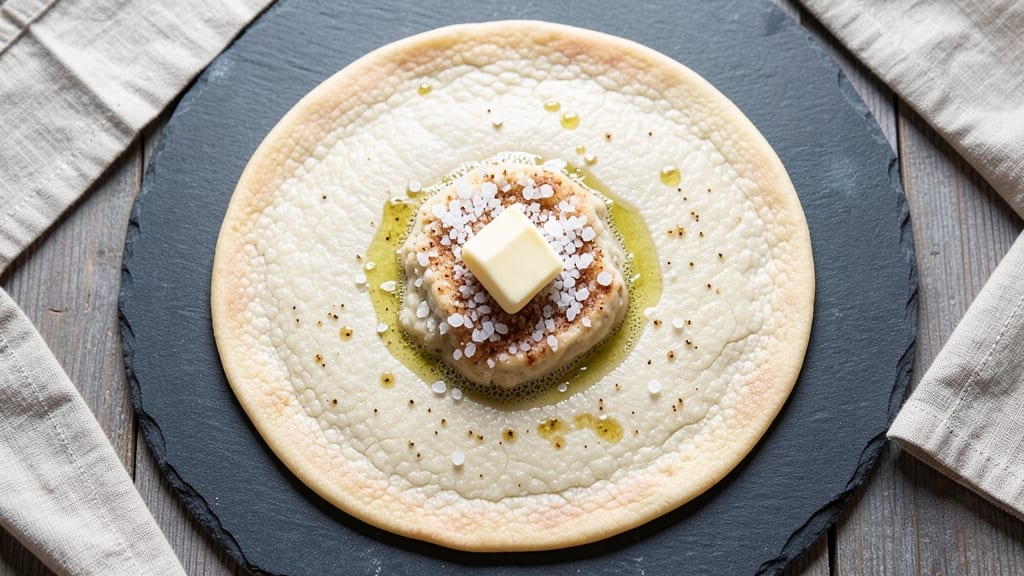
Cold fermented pizza dough transforms your homemade pizza into something restaurant-quality with just 24 hours of patience. This method develops deeper flavor, crispier crust, and that coveted airy texture—all while requiring minimal effort. I’ve tested countless variations, and this recipe consistently delivers results that rival artisanal pizzerias.
The key lies in the cold fermentation process, where the dough rests in the refrigerator for 24 to 72 hours. This slow rise enhances gluten development, creating a chewy yet crispy crust with a perfect leopard-spotted surface.
Unlike quick doughs, this version tastes better the longer it ferments, making it ideal for meal prep or spontaneous pizza nights.
Once baked, you’ll notice the difference immediately: a golden, blistered crust with an open crumb structure that holds toppings beautifully. The flavor is richer, the texture more satisfying, and the process simpler than you’d expect.
Whether you’re making classic Margherita or loaded deep-dish, this dough is your foundation for foolproof, professional-quality pizza.
Pair it with your favorite sauce, cheese, and toppings—we’ll cover baking techniques and variations in the instructions. The dough keeps well in the fridge for up to 5 days, so you can always have pizza on hand when cravings strike.
Ingredients for cold fermented pizza dough
Nine simple ingredients transform into restaurant-quality pizza dough with just 24 hours of patience.
| Ingredient | Amount | Notes |
|---|---|---|
| King Arthur Bread Flour 🌾 | 3 ½ cups | High-protein for chewy crust |
| Active Dry Yeast 🍞 | ¼ tsp | Freshly opened for best results |
| Granulated Sugar 🍚 | ½ tsp | Feeds yeast for activation |
| Diamond Crystal Kosher Salt 🧂 | 1 ½ tsp | Fine grain preferred |
| Unsalted Butter 🧈 | ¼ cup | Cold, cubed for fat content |
| Warm Water 💧 | 1 ¼ cups | 105-110°F for yeast activation |
| Olive Oil 🫒 | 1 tbsp | Extra-virgin for richness |
| Garlic Powder 🧄 | 1 tsp | For subtle depth of flavor |
| Dried Oregano 🌿 | ½ tsp | Italian blend preferred |
| Cornmeal 🌽 | ½ cup | For dusting work surface |
| Semolina Flour 🌾 | ¼ cup | For dusting peel or baking sheet |
The flour is non-negotiable here—King Arthur Bread Flour has the perfect protein content for that signature chewy-yet-crispy crust. Whole Foods or specialty baking stores carry it, but if you're in a pinch, King Arthur All-Purpose works too (just add 1 extra tbsp). The yeast should be freshly opened—if it's been sitting in your pantry for months, it's time to toss it. For the butter, Plugrá or Land O'Lakes unsalted are my go-tos, but any brand works as long as it's cold. The warm water temperature is critical: too hot and you'll kill the yeast, too cold and it won't activate properly. Use a thermometer if you're unsure—105-110°F is ideal.
No bread flour? All-purpose plus 1 extra tbsp vital wheat gluten gets you close. Short on olive oil? Avocado oil or melted coconut oil works in a pinch, but the flavor won't be as rich. The garlic powder and oregano are just for flavor—skip them if you're making a plain white pizza. For the cornmeal and semolina, Bob's Red Mill is my preferred brand—they're finely ground and stay fresh longer. If you're making a big batch, double the recipe and freeze the dough balls for up to 3 months. The dough will need an extra hour of cold fermentation if thawed overnight in the fridge.
This dough keeps beautifully in the fridge for up to 5 days, wrapped tightly in plastic wrap. For longer storage, portion into 8-ounce balls, wrap individually, and freeze for up to 3 months. Thaw overnight in the fridge before using. The longer it ferments, the better it tastes—72 hours is ideal for maximum flavor development. Once shaped, let the dough rest at room temperature for 1-2 hours before baking to prevent shrinking. The leopard-spotted crust? That's just the magic of cold fermentation—no extra effort required.
Why You'll Love This Recipe
- No Yeast Stress: Mix it, cover it, forget it. The King Arthur Bread Flour handles the cold ferment like a champ—no midnight wake-ups to knead, no sweaty kitchen. I’ve made this dough on a Monday night, let it chill overnight, and pulled it out for dinner the next day without a second thought.
- Buttery, Airy Magic: That unsalted butter mixed into the dough? It’s the secret weapon. The crust gets this perfect balance—crispy edges with a pillowy center that’s almost too good to top. Honestly, I’ve caught myself eating it plain before the sauce even hits the pan.
- Weeknight Wonder: This dough is my go-to for game days, lazy Fridays, or when I’m too tired to think. Shape it into a classic pizza, or try it as a focaccia with olive oil and rosemary. My college-aged kids even beg for it when I make it—(yes, even on a Tuesday night).
- Budget-Friendly Stretch: A single batch of dough makes two pizzas, and the ingredients won’t break the bank. The kosher salt and sugar are minimal, but they make all the difference. I’ve used this dough for leftovers turned into garlic knots the next day, and it’s still delicious—no waste, just good eating.
Step-by-step instructions for cold fermented pizza dough
This method transforms simple ingredients into a flavorful dough with a deep, complex taste—no rush, no stress, just time.
Activate the Yeast and Mix the Dough
In a large mixing bowl, combine the 1.25 cups warm water with the 0.5 tsp granulated sugar and 0.25 tsp active dry yeast. Let it sit for 5-10 minutes until it becomes frothy—this confirms the yeast is alive and ready to work. If it doesn’t bubble, your yeast may be dead, and you’ll need to start over.
Once bubbly, add the 3.5 cups King Arthur Bread Flour, 1.5 tsp diamond crystal kosher salt, 1 tbsp olive oil, 1 tsp garlic powder, and 0.5 tsp dried oregano. Mix with a wooden spoon or dough whisk until a shaggy dough forms. The flour should be fully incorporated, but don’t worry if it looks dry at this stage.
Knead the Dough for Structure
Turn the dough onto a lightly floured surface dusted with 0.25 cup semolina flour to prevent sticking. Knead for 8-10 minutes by hand or 5-6 minutes with a stand mixer fitted with a dough hook. You’re looking for a smooth, elastic dough that springs back when poked—this indicates proper gluten development.
If the dough feels too sticky, add more semolina flour a tablespoon at a time. Too dry? Spritz with a little warm water. The goal is a dough that’s pliable but not tacky. Once achieved, shape it into a loose ball, place it back in the bowl, and cover with a damp towel or plastic wrap.
Cold Ferment for 24 Hours
Refrigerate the dough for 24 hours. This slow fermentation allows the flavors to deepen and the gluten to relax, resulting in a dough that’s easier to stretch and yields a pizza with a crispy yet chewy crust. The cold also prevents overproofing, which can make the dough collapse when baked.
After 12 hours, give the dough a gentle shake or press it down slightly to redistribute any liquid that may have pooled on top. This ensures even fermentation. By the end of 24 hours, the dough should have nearly doubled in size and feel slightly puffy when pressed gently.
Shape and Rest Before Baking
Remove the dough from the fridge and let it sit at room temperature for 1-2 hours to soften slightly. This makes it easier to handle without tearing. Divide it into 4 equal portions (about 1 pound each) and shape them into balls. To prevent sticking, dust your work surface with 0.5 cup cornmeal and use your hands or a rolling pin to shape each ball into a smooth, taut sphere.
Cover the shaped dough balls with a damp towel and let them rest for 30 minutes before rolling out. This final rest ensures the gluten relaxes further, making the dough more pliable and less likely to shrink during baking. The dough should feel springy and yield slightly when pressed with your fingertip.
Pro Tips For Making Cold Fermented Pizza Dough
- WEIGH YOUR FLOUR: King Arthur Bread Flour is deceptive—scooping it from the bag packs in air and gives you inconsistent dough. Use a kitchen scale for precise 500g measurements, or at least spoon it into the bowl and level it off. I learned this the hard way when my first cold-fermented dough came out either gummy or too dry.
- HYDRATE THE YEAST FIRST: Skip mixing the yeast with dry ingredients—it’s slower and less reliable. Instead, dissolve the yeast and sugar in warm water (105–110°F) and let it foam for 5–10 minutes before adding to the flour. This guarantees it’s active and cuts down on fermentation surprises later.
- SALT THE BUTTER: Unsalted butter is a gift, but don’t forget to season it. Mix the salt directly into the softened butter before working it into the dough—this distributes flavor evenly and saves you from salty patches. (Yes, even if the recipe says to add salt separately.)
- STRETCH THE DOUGH DAILY: Cold fermentation is forgiving, but don’t let the dough sit untouched for days. Every 24 hours, give it a gentle stretch and fold to wake up the gluten and prevent a dense, chewy result. It’s easy to forget, but this keeps the texture light and manageable.
Flavor customization for these flavors
Herb-Infused Variations
For a Mediterranean twist, add 1 tbsp fresh rosemary or 1 tsp dried thyme to the dough during mixing. The herbs infuse subtle earthy notes that pair perfectly with sun-dried tomato and feta toppings.
I like to use Penzeys Mediterranean Herb Blend—just 1 tsp during the final knead for a balanced flavor without overpowering. 🌿
Try 1 tsp smoked paprika or ½ tsp chipotle powder for a smoky BBQ-inspired dough. This works amazingly with pulled pork, caramelized onions, and pepper jack cheese.
The smokiness carries through the crust, giving your pizza a restaurant-quality depth. Store the spiced dough separately to avoid flavor transfer.
Sweet & Savory Adaptations
Swap ½ cup of the bread flour for ½ cup all-purpose flour and add 2 tbsp honey or 1 tbsp maple syrup to the dough. This creates a slightly sweet base perfect for breakfast pizzas with ricotta, cinnamon, and apple slices.
The sweetness balances savory toppings like bacon or prosciutto. 🍯
For a dessert pizza, reduce the yeast to 0.125 tsp and add ¼ cup powdered sugar to the dough. Top with Nutella, strawberries, and crushed pistachios after baking.
The cold fermentation keeps the crust crisp while the sugar caramelizes slightly for a gourmet dessert. Keep this batch small—it disappears fast!
Gluten-Free & Allergen-Friendly
Replace King Arthur Bread Flour with 1:1 gluten-free flour blend (like King Arthur Measure for Measure) and add 1 tbsp xanthan gum to mimic gluten structure. The dough will be slightly denser but still stretchable.
Use ½ tsp extra yeast since gluten-free dough ferments slower. For nut-free, omit olive oil and use avocado oil instead. 🌾
For a dairy-free option, substitute unsalted butter with ½ cup coconut oil (solid) or vegan butter. The dough stays pliable, and the flavor remains rich.
I recommend Miyoko’s Creamery vegan butter for the best texture. All other ingredients remain the same—just adjust the salt slightly if using unsalted vegan butter.
Regional Flavor Profiles
For a Neapolitan-style crust, reduce the olive oil to ½ tbsp and add 1 tsp diastatic malt powder (found in baking sections). This creates a thinner, more delicate crust with a blistered, charred edge. Top with San Marzano tomatoes, fresh mozzarella, and basil for an authentic taste. 🍅
Inspired by New York-style, increase the olive oil to 2 tbsp and add 1 tbsp corn oil for extra fat. The dough becomes fatter and chewier, perfect for folded slices with pepperoni and extra cheese.
Bake at a higher temp (550°F) for a crispier, foldable crust. The cold fermentation prevents a tough texture that plagues many NYC-style attempts.
Nutrition facts
Frequently asked questions
Why does cold fermentation make pizza dough better?
The slow cold process (24-72 hours) develops deeper flavor through enzymatic activity and allows gluten to relax fully. This creates a chewier, crispier crust with better texture and less risk of overproofing. The longer fermentation also breaks down starches for a sweeter, more complex taste.
Can I make this dough without a stand mixer?
Hand-kneading works perfectly—just knead for 8-10 minutes on a floured surface until the dough springs back when poked. For extra strength, use King Arthur Bread Flour and work the dough vigorously to develop gluten. The cold fermentation will still improve texture even if kneading isn't perfect.
What if my dough doesn't rise much during cold fermentation?
Cold fermentation is slower than room-temperature proofing, so minimal rise is normal. If the dough barely changes, it may need extra yeast (0.125 tsp more) or warmer water (110°F) next time. Check yeast freshness—old yeast loses potency. The dough will still work for pizza, though the texture may be slightly denser.
How do I prevent the dough from sticking when shaping?
Dust your work surface generously with cornmeal or semolina flour before handling. For extra insurance, chill the dough balls for 30 minutes before shaping. Work quickly and use a damp towel to wipe your hands between dough pieces. The cold dough is less sticky when properly rested.
Can I use this dough for other baked goods besides pizza?
Yes! The same dough works for calzones, focaccia, or garlic knots. For focaccia, shape into a rectangle, dimple with fingers, and bake with olive oil. For knots, roll into ropes and bake until golden. The cold fermentation improves all baked goods by developing flavor and improving texture—just adjust baking times and methods for each shape.