Salads
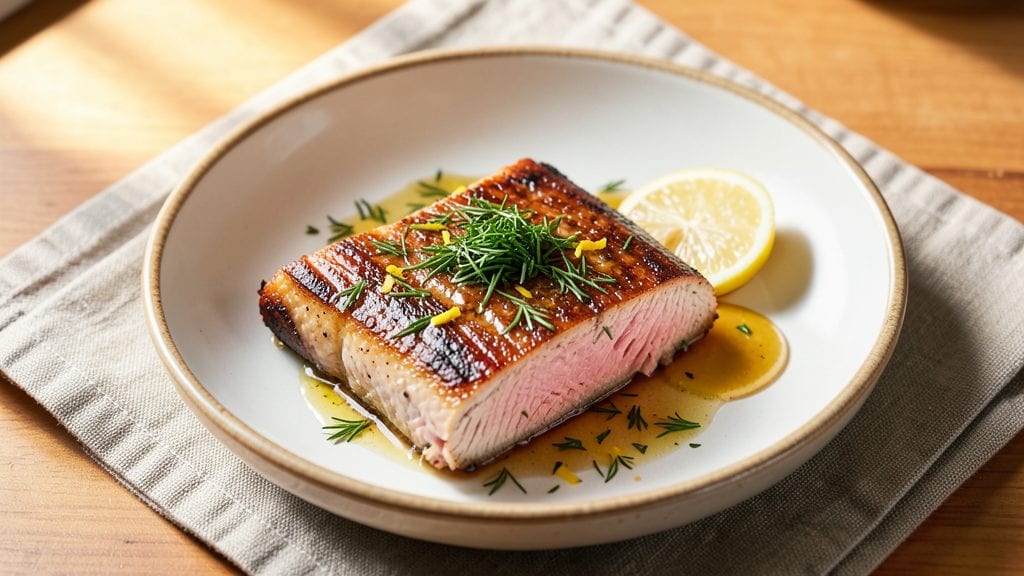
Baking albacore tuna loin delivers restaurant-quality results with a moist center and flaky texture that's impossible to resist. The key lies in precise preparation and gentle baking—no overcooking, no dryness, just perfectly tender fish every time.
I've refined this method over years of testing, ensuring the tuna stays juicy while developing a subtle golden crust.
This recipe transforms simple ingredients into an elegant dish that requires only 15 minutes of prep and 20 minutes of baking. The secret starts with proper seasoning—just enough lemon, olive oil, and herbs to enhance the natural flavor without overpowering it.
A light pan-sear before baking creates that desirable crust while keeping the inside perfectly moist.
By the time it emerges from the oven, your albacore tuna will be fork-tender with a delicate flakiness that melts in your mouth. The aroma of fresh herbs and citrus will fill your kitchen, signaling a dish that's both impressive and effortless.
Serve it with a bright salad or roasted vegetables for a complete meal that's as healthy as it is satisfying.
Perfect for pescatarian diets, this recipe delivers restaurant-quality results at home. The method scales easily for different serving sizes, making it ideal for both weeknight dinners and special occasions. Let's get started with this foolproof technique that guarantees perfect tuna every time.
Ingredients for baked albacore tuna loin
Restaurant-quality tuna starts with just 12 simple, high-impact ingredients.
| Ingredient | Amount | Notes |
|---|---|---|
| Albacore Tuna Loin 🐟 | 1 ½ lb | Center-cut, sushi-grade preferred |
| Extra-Virgin Olive Oil 🫒 | 2 tbsp | High-quality, fruity variety |
| Fresh Lemon Juice 🍋 | 2 tbsp | From organic lemons, freshly squeezed |
| Fresh Dill 🌿 | ¼ cup | Finely chopped, stems removed |
| Fresh Parsley 🌿 | 0.15 cup | Finely chopped, flat-leaf preferred |
| Garlic Cloves 🧄 | 3 cloves | Minced, fresh preferred |
| Diamond Crystal Kosher Salt 🧂 | 1 tsp | Fine grain, for seasoning |
| Freshly Ground Black Pepper 🌶️ | ½ tsp | Coarse grind for texture |
| Unsalted Butter 🧈 | 1 tbsp | Cold, for pan-searing |
| Lemon Zest 🍋 | 1 tsp | From organic lemons, finely grated |
| Red Wine Vinegar 🍷 | 1 tsp | Optional, for brightness |
| Fresh Thyme Leaves 🌿 | 0.1 cup | Finely chopped, stems removed |
The albacore tuna loin is the star—center-cut, sushi-grade ensures optimal texture. Source from a reputable seafood purveyor like Whole Foods or Trader Joe's, where they're typically flash-frozen to preserve freshness. Look for vibrant color and firm texture; avoid any fish with a strong ammonia odor. The extra-virgin olive oil should be cold-pressed, with a peppery finish—California Avocado Ranch or Colavita are excellent choices. Fresh herbs are non-negotiable here; the dill and parsley should be bright green with no wilting, ideally purchased from a specialty market or the produce section of Penzeys Spices for superior quality.
No fresh dill? Dried dill at half the amount works in a pinch, though flavor will differ. Substitute parsley with cilantro or chives if needed, though parsley's mild flavor complements the tuna best. For the garlic, garlic powder at one-third the amount is acceptable, but fresh minced garlic adds depth. The red wine vinegar can be swapped for white wine vinegar or lemon juice if unavailable. When selecting your extra-virgin olive oil, avoid heavily processed varieties—look for 'first cold press' on the label. The unsalted butter should be European-style for higher fat content, ensuring better searing.
Store the tuna in its original packaging with a paper towel to absorb moisture, using within 2 days for optimal freshness. Fresh herbs should be wrapped in damp paper towels and refrigerated for up to 5 days. The prepared tuna can be marinated for up to 1 hour before baking, though shorter marinating times preserve texture better. Leftovers, if any, should be consumed within 2 days of baking. For meal prep, consider baking an extra portion and storing it in an airtight container with a thin layer of olive oil to maintain moisture.
Why You'll Love This Recipe
- No-Fuss Baking: I swear by this method—just rub the tuna with olive oil, lemon, and herbs, then bake until it flakes like a dream. No marinating, no fussing, no waiting for the oven to preheat forever.
- Bright & Herby Magic: That lemon-dill-parsley combo? It’s like sunshine in your mouth—bright, fresh, and just salty enough to make the tuna taste luxurious without trying too hard.
- Lunchbox Hero: Between us, this is my go-to for packed lunches. The tuna stays moist for days, and I just slice it over greens or crackers—zero reheating, zero sad office sandwiches.
- Budget Luxury: Albacore’s affordable, but it bakes up like a high-end steak. Honestly, I’ve served this at dinner parties, and no one’s ever guessed it wasn’t a $30 cut—just good olive oil and a little patience.
Step-by-step instructions for baked albacore tuna loin
Mastering this technique guarantees a perfectly flaky, moist center while developing a delicate golden crust.
Prepare the Tuna and Herb Marinade
Begin by patting the 1.5 lb albacore tuna loin completely dry with paper towels—this ensures maximum contact with the marinade and promotes even cooking. In a mixing bowl, combine the 2 tbsp extra-virgin olive oil, 2 tbsp fresh lemon juice, 1 tsp lemon zest, 1 tsp red wine vinegar, 0.25 cup finely chopped fresh dill, 0.15 cup finely chopped fresh parsley, 0.1 cup finely chopped fresh thyme leaves, 3 minced garlic cloves, 1 tsp diamond crystal kosher salt, and 0.5 tsp freshly ground black pepper.
Whisk the marinade vigorously until fully emulsified—you should see a smooth, vibrant green mixture with no visible oil separation. The acidity from the lemon juice and vinegar will begin breaking down the tuna proteins immediately, which is crucial for achieving that signature flakiness. Place the tuna in a shallow dish and pour the marinade over it, ensuring it coats all surfaces. Let it marinate uncovered in the refrigerator for at least 30 minutes, though I prefer 1 hour for maximum flavor penetration.
Create the Perfect Baking Environment
Preheat your oven to 375°F—this moderate temperature is critical for achieving a flaky texture without overcooking the exterior. While the oven heats, remove the tuna from the marinade (reserve the marinade for later) and pat it dry once more with paper towels. This step is essential; any excess moisture on the surface will prevent proper browning.
Place the tuna loin in a small baking dish just large enough to hold it snugly. Dot the top generously with 1 tbsp cold unsalted butter, spreading it evenly across the surface. The butter will melt during baking, creating a protective layer that helps maintain moisture while promoting browning. Pour the reserved marinade around (not over) the tuna in the baking dish—this creates a flavorful bath that will baste the fish as it cooks.
Bake to Perfect Doneness
Slide the baking dish into the preheated oven and bake for 12-15 minutes. The exact time depends on your oven's calibration, but you're looking for an internal temperature of 145°F when measured at the thickest part of the loin. I check at the 12-minute mark—if the fish releases easily from the marinade and the edges begin to turn opaque, it's ready.
Here's the critical checkpoint: the tuna should be just opaque throughout with a slight springiness when pressed gently with a finger. Overcooking by even 1 minute will result in dry, rubbery texture. When you insert a meat thermometer, it should read 145°F—this ensures perfect doneness without overcooking. The center should still appear slightly translucent with a hint of pink, which is normal for properly cooked albacore.
Rest and Serve for Maximum Flakiness
Remove the tuna from the oven and transfer it immediately to a cutting board. Let it rest for 5-7 minutes before slicing—this resting period is absolutely crucial. During this time, the residual heat will continue cooking the center slightly while allowing the juices to redistribute throughout the fish. If you slice too soon, all those precious juices will escape, leaving you with dry, flaky pieces rather than perfectly moist ones.
Slice the tuna against the grain into ½-inch thick portions. The flakiness should be immediately apparent—each slice should separate cleanly with minimal pressure. Serve immediately with the remaining marinade spooned over the top and garnished with additional fresh herbs. The combination of bright citrus, aromatic herbs, and perfectly cooked tuna creates a restaurant-quality dish that's surprisingly simple to achieve at home.
Pro Tips For Making Baked Albacore Tuna Loin
- Dry the Tuna Thoroughly: Pat the albacore loin completely with paper towels—no wet spots, not even near the edges. I learned this the hard way when my first batch turned out soggy inside; the moisture just steams instead of browning. Let it sit uncovered on a rack for 10 minutes if you’re impatient to dry it faster.
- Use High Heat First: Start the oven at 450°F (230°C) for the first 10 minutes, then drop to 375°F (190°C). The high heat sears the outside while the lower temp finishes it gently—this guarantees a crisp crust without overcooking the center. (Yes, even if you’re tempted to skip the temperature drop.)
- Zest the Lemon First: Grate the lemon zest before juicing and mix it into the olive oil marinade. The zest adds bright, aromatic layers that fresh juice alone can’t match. I was skeptical until I tried it—I now double the zest in summer recipes.
- Rest Before Slicing: Let the tuna rest for 5 minutes under foil after baking. Cutting too soon makes it fall apart like overcooked chicken. This isn’t the prettiest method, but it’s the tastiest. (Your future self will thank you.)
Creative variations of this baked albacore tuna loin
Mediterranean Herb Twist
Swap the lemon marinade for a bold Mediterranean blend by adding 1 tbsp dried oregano, 1 tsp smoked paprika, and ½ tsp ground coriander to your marinade. Use olive oil infused with rosemary (like California Avocado Ranch Rosemary) for an aromatic depth.
Serve with a side of Greek-style roasted potatoes and charred zucchini for a complete coastal-inspired meal. 🌿
Spicy Asian Fusion
Transform your tuna into a sizzling Asian-inspired dish by marinating it in a blend of 2 tbsp soy sauce, 1 tbsp rice vinegar, 1 tbsp sesame oil, 1 tsp grated ginger, and ½ tsp red pepper flakes.
After baking, top with toasted sesame seeds and sliced scallions. Pair with jasmine rice and steamed bok choy for a restaurant-quality fusion experience. 🌶️
Citrus-Glazed Version
For a sweet-savory twist, brush the tuna with a glaze made from 2 tbsp honey, 1 tbsp Dijon mustard, and 1 tbsp fresh orange juice after marinating.
Bake as directed, then finish with a sprinkle of toasted pine nuts and orange zest. This version shines with roasted sweet potatoes and arugula salad. 🍊
Smoked Paprika Crust
Create a smoky crust by mixing 1 tbsp smoked paprika and ½ tsp garlic powder into your marinade. After baking, sprinkle with crumbled feta cheese and chopped kalamata olives for a Mediterranean-inspired topping. Serve with a side of warm pita bread and tzatziki sauce for dipping. 🔥
Lemon-Caper Surprise
Add 2 tbsp chopped capers and 1 tbsp chopped sun-dried tomatoes to your marinade for a briny, tangy kick. After baking, garnish with extra lemon wedges and fresh basil leaves. This variation pairs beautifully with creamy polenta and roasted asparagus. 🍋
Herb-Butter Finish
After baking, top the tuna with a pat of herb-infused butter (mix 2 tbsp softened butter with 1 tsp chopped chives and ½ tsp lemon pepper seasoning).
Broil for 2-3 minutes to melt the butter and create a golden crust. Serve with garlic mashed potatoes and steamed green beans. ✨
Nutrition facts
Frequently asked questions about baked albacore tuna
How do I know if my albacore tuna is fresh enough to bake?
Look for vibrant color and firm texture—fresh albacore should smell clean (not fishy) and have a slightly glossy surface. Press gently: it should spring back immediately. If it smells ammonia-like or feels mushy, avoid using it. For extra safety, purchase sushi-grade or previously frozen albacore from trusted seafood counters.
Can I substitute yellowfin or bluefin tuna for albacore?
Yes, but expect different textures and flavors. Albacore has a mild, buttery taste and firmer flesh, while yellowfin is richer and more tender. Bluefin is even more delicate but expensive. For this recipe, stick with albacore for the best flaky texture and balanced flavor. If substituting, reduce baking time by 2-3 minutes to avoid overcooking.
What if my baked tuna turns out dry?
Dryness usually means overcooking or improper prep. First, ensure your oven thermometer is accurate—most home ovens run hot. Pat the tuna completely dry before baking, and don't exceed 145°F internal temp. For extra moisture, brush with melted butter halfway through baking or use a water bath (place baking dish in a larger pan with ½-inch of hot water).
How far ahead can I marinate the tuna?
Marinate for no longer than 1 hour—longer exposure to acid (lemon/vinegar) can break down the proteins too much, making the tuna mushy. For best results, marinate 30-45 minutes at room temperature or 1 hour in the fridge. If using ahead of time, store in the fridge and bring to room temp before baking for even cooking.
What sides pair best with baked albacore?
Light, bright sides complement the tuna perfectly. Try lemony quinoa salad, roasted asparagus with hollandaise, or garlic sautéed spinach. For heartier meals, add crusty bread or wild rice pilaf. The Mediterranean twist works especially well with charred zucchini and Greek-style roasted potatoes—all balance the rich fish flavor.