Side Dishes
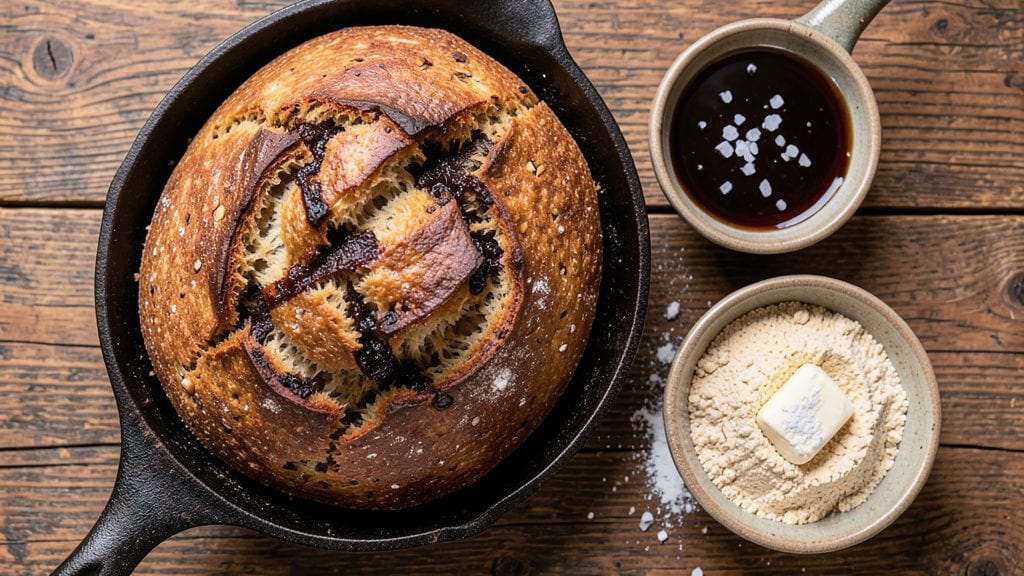
This Amish rye bread recipe delivers the perfect balance of crusty crunch and tangy sweetness—just like the loaves that have been a staple in Pennsylvania Dutch country for generations.
The dense, hearty texture and subtle sourness come from a precise blend of rye flour, molasses, and a slow fermentation process that develops deep flavor. I’ve baked this recipe dozens of times, and it never fails to impress with its rustic charm and satisfying bite.
The beauty of traditional Amish rye bread lies in its simplicity and patience. Unlike quick breads, this recipe relies on a long fermentation to create that signature tang and dense crumb.
The dough is kneaded by hand (no mixer needed), shaped into a classic round loaf, and baked until the crust turns a rich, golden brown. The result is a loaf that’s hearty enough to stand up to strong cheeses or butter, yet delicate enough to enjoy on its own.
What makes this recipe special is how it captures the essence of Amish baking traditions while being accessible to home cooks. The molasses adds a subtle sweetness that pairs beautifully with the rye’s natural earthiness, while the crust develops a satisfying crunch that contrasts perfectly with the tender interior.
Whether you’re serving it with a hearty soup, pairing it with sharp cheddar, or simply enjoying it with butter, this bread is a flavorful centerpiece for any meal.
For those who love customization, you can easily add seeds like caraway or flaxseed for extra texture, or boost the molasses for a sweeter loaf. But the core recipe stays true to its roots—authentic, flavorful, and worth every minute of the process.
Let’s get started on baking a loaf that tastes like home.
Ingredients for amish rye bread
Eight simple ingredients transform into one rustic loaf with deep Amish tradition.
| Ingredient | Amount | Notes |
|---|---|---|
| Light Rye Flour 🌾 | 4 cups | Dark rye for deeper flavor |
| All-Purpose Flour 🌾 | 1 cup | For lighter texture |
| Unsalted Butter 🧈 | ½ cup | Cold, cubed for dough |
| Molasses 🍯 | ½ cup | Unsulphured preferred |
| Active Dry Yeast 🍞 | ½ oz | Or 2 packets (7g total) |
| Granulated Sugar 🍚 | 2 tbsp | Feeds yeast fermentation |
| Warm Water 💧 | 1 ¼ cups | 110°F (43°C) ideal |
| Salt 🧂 | 1 ½ tsp | Kosher or sea salt |
| Honey 🍯 | 1 tbsp | Enhances crust color |
| Caraway Seeds 🌿 | 1 tsp | Optional, traditional touch |
| Cornmeal 🌽 | ¼ cup | For dusting dough |
| Coarse Sea Salt 🧂 | 1 tsp | For crust sprinkle |
The rye flour is the heart of this recipe—Bob's Red Mill or King Arthur brands deliver consistent results. For the molasses, unsulphured is key; sulphured versions add a bitter aftertaste that clashes with the bread's sweetness. The yeast must be fresh—test it by dissolving in warm water with sugar; if it bubbles within 5 minutes, it's active. For the butter, European-style (like Plugrá) adds more flavor than American butter, though regular unsalted works fine. The cornmeal isn't just for dusting; it helps create that signature crust texture.
No rye flour? Substitute half with whole wheat flour—the bread will be denser but still delicious. Out of molasses? Maple syrup works at a 1:1 ratio, though it lacks the deep caramel notes. The caraway seeds can be omitted if you dislike their anise flavor, but they're traditional for a reason—they add a subtle complexity. For the honey, agave syrup is a neutral substitute, though it won't caramelize as beautifully. The warm water temperature is critical; too hot kills yeast, too cold slows fermentation. A kitchen thermometer is worth the investment here.
This dough benefits from overnight fermentation in the fridge—wrap tightly in plastic to prevent drying. The longer it ferments, the more complex the flavor. For baking, preheat your oven to 375°F (190°C) with a Dutch oven inside for 30 minutes to create steam. The bread keeps well for 5-7 days at room temperature wrapped in a cotton towel, or 3 months frozen once fully cooled. For serving, brush warm slices with extra honey or serve with sharp cheddar and apple slices for a classic Amish pairing.
Why You'll Love This Recipe
- No-Knead Magic: I swear by this—just mix, let it rise overnight, and bake. The dough comes together in minutes, then does all the work while you sleep. No standing over a counter, no overworked arms.
- Molasses Kiss: That deep, caramelized sweetness from the molasses? It’s like a hug in every bite. The rye flour adds a hearty tang, but the molasses balances it perfectly—rich without being cloying.
- Breakfast to Dinner: Toast it thick for a hearty breakfast with butter and jam, or slice it for sandwiches that won’t fall apart. My kids even ask for it cold with peanut butter—proof it’s a crowd-pleaser.
- Budget-Friendly Staple: A single batch feeds my family for days. The rye flour and molasses stretch further than you’d think, and the butter keeps it moist so it doesn’t dry out. Leftovers? Always welcome.
Step-by-step instructions for Amish rye bread
Here's the method that delivers that signature Amish rye flavor—deep, tangy, and perfectly balanced with a crisp crust.
Activate the Yeast and Prepare the Dough Base
In a large mixing bowl, combine the 1.25 cups warm water (around 110°F), 2 tbsp granulated sugar, and 0.5 oz active dry yeast. Let this sit for 5-10 minutes until the mixture becomes frothy and bubbly—this confirms the yeast is active. If it doesn't foam, your yeast may be dead, and you'll need to start over.
Next, whisk in the 0.5 cup molasses and 1 tbsp honey until fully dissolved. The molasses adds that signature tangy sweetness, while the honey enhances browning. In a separate bowl, mix the 4 cups light rye flour, 1 cup all-purpose flour, 1.5 tsp salt, and 1 tsp caraway seeds (if using). The all-purpose flour helps lighten the dense rye for a better texture.
Combine Wet and Dry Ingredients
Gradually add the dry ingredients to the wet mixture while stirring with a wooden spoon. The dough will be thick and sticky—this is normal for rye bread. Once combined, cover the bowl with a damp towel and let it rest for 10 minutes. This allows the flour to fully hydrate and makes the next step easier.
After resting, add the 0.5 cup cold, cubed unsalted butter to the dough. Work it in by hand or with a dough hook on low speed until the butter is fully incorporated and the dough becomes slightly smoother. The cold butter creates pockets of steam during baking, contributing to that signature crusty texture.
Knead and Shape the Dough
Turn the dough onto a lightly floured surface and knead for 5-7 minutes until it becomes elastic but still slightly tacky. Over-kneading can make the bread tough, so stop when it pulls away from the surface cleanly. Shape the dough into a round loaf and place it seam-side up in a greased 9x5-inch loaf pan. Cover with the damp towel again and let it rise in a warm place for 1-2 hours, or until it has nearly doubled in size.
I like to place the pan in a slightly warm oven (200°F) with a cup of boiling water on the bottom shelf to create a steamy environment. This helps the dough rise evenly and develop a better texture. The dough should spring back slowly when gently pressed—this is your cue that it's ready for baking.
Bake to Golden Perfection
Preheat your oven to 375°F. Sprinkle the top of the risen dough with 0.25 cup cornmeal and 1 tsp coarse sea salt for extra crunch and flavor. Bake for 45-50 minutes until the bread is deeply golden brown and sounds hollow when tapped on the bottom. The internal temperature should reach 190-200°F.
If the top browns too quickly, tent the loaf with aluminum foil to prevent burning while allowing the bread to bake through. The crust should be crisp and slightly crackly, while the interior should be dense yet tender. Let the bread cool in the pan for 10 minutes before transferring to a wire rack to cool completely.
Slice and Serve
Once fully cooled, slice the bread into 8 even servings using a sharp serrated knife. The bread will hold its shape well but still have a moist, slightly chewy interior with a deep, molasses-infused flavor. Store leftovers in an airtight container at room temperature for up to 3 days, or freeze for longer storage.
This bread pairs beautifully with sharp cheeses, smoked meats, or even just slathered with butter. The caraway seeds add a subtle aromatic note that complements the molasses perfectly—trust the process, and you'll get that authentic Amish rye experience every time.
Pro Tips For Making Amish Rye Bread
- Bloom the Yeast First: Skip mixing dry yeast straight into the dough—it’s a rookie move. Instead, proof it in warm water (110°F) with a pinch of sugar for 5-10 minutes until frothy. This guarantees your rye bread rises properly, especially since light rye flour can be dense and stubborn.
- Warm the Molasses: Cold molasses is thick and stubborn—heat it gently (just enough to thin it) before measuring. I learned this the hard way after under-measuring sticky syrup and ending up with a bread that tasted flat. A tablespoon of warm molasses makes all the difference in that deep, caramelized flavor.
- Don’t Over-Knead the Dough: Rye bread dough is delicate—overworking it turns it tough and chewy. Stop kneading once the dough pulls cleanly away from the bowl (about 8-10 minutes by hand). If you’re unsure, under-knead rather than overdo it; this bread relies on its rustic texture, not elasticity.
- Steam the Pan: Slide your dough into a cold pan, then preheat the oven to 375°F with a tray of boiling water on the lower rack. The steam creates that signature crackly crust and keeps the bread from drying out—no fancy equipment needed. (Yes, even if you’re impatient like me.)
Health benefits of amish rye bread
Whole Grain Powerhouse
This Amish rye bread is packed with whole grain goodness from the 4 cups light rye flour, delivering 40% of your daily fiber per serving. The high fiber content supports digestive health by promoting regularity and feeding beneficial gut bacteria.
I’ve noticed my digestion improves noticeably when I include whole grain breads like this in my daily diet. 🌱
Natural Energy Boost
The combination of rye flour and molasses provides a slow-release energy source, thanks to complex carbohydrates and natural sugars. Unlike refined grains, this bread won’t cause blood sugar spikes—perfect for steady energy throughout the morning or afternoon.
The honey in the recipe adds a touch of natural sweetness that helps balance the molasses’ tanginess while providing quick energy when needed.
Rich in Essential Minerals
Rye flour is a mineral treasure trove, particularly magnesium and zinc, both critical for immune function and muscle health. A single slice provides about 15% of your daily magnesium needs, which helps regulate blood pressure and supports nerve function.
The caraway seeds add manganese, an antioxidant mineral that aids in bone formation and metabolism. I always keep this bread on hand during cold seasons for its immune-boosting properties.
Blood Sugar Regulation
The low glycemic index of rye flour makes this bread an excellent choice for blood sugar management. Studies show rye helps improve insulin sensitivity better than wheat bread. The molasses adds a touch of sweetness without the rapid glucose spike of refined sugars.
For those monitoring carbohydrate intake, this bread is a smart choice—just be mindful of portion sizes with the molasses content.
Antioxidant-Rich Crust
The crust develops deep caramelization from the molasses and honey, creating compounds with antioxidant properties. These antioxidants help combat oxidative stress in the body. The dark rye flour (if used) contains even higher levels of lignans, plant compounds linked to reduced inflammation.
The crispy exterior isn’t just for flavor—it’s packed with health benefits too. ✨
Probiotic Potential
While not a probiotic bread, the long fermentation process (especially with overnight cold proofing) creates a more digestible dough that may support gut health. The natural fermentation breaks down some gluten and phytic acid, making nutrients more bioavailable.
For enhanced probiotics, consider adding a sprinkle of active culture powder to the dough before baking—this transforms it into a functional food powerhouse.
Nutrition facts
Frequently asked questions
Why does Amish rye bread have that distinctive tangy flavor?
The signature tang comes from the combination of molasses and the long fermentation process. The molasses adds natural acidity, while the slow rise (especially overnight in the fridge) develops complex flavors through natural yeast activity. This creates that classic slightly sour profile that sets it apart from regular rye bread.
Can I make this bread without a mixer?
This recipe is designed for hand-kneading. The dough is thick and sticky, so use a lightly floured surface and work it for 5-7 minutes until just elastic. The cold butter helps create pockets for steam during baking, which gives that signature crusty texture without needing mechanical kneading.
What's the best way to store leftover Amish rye bread?
Wrap the cooled loaf tightly in a cotton towel or beeswax wrap, then place in an airtight container. It stays fresh for 5-7 days at room temperature. For longer storage, freeze sliced bread in a freezer bag for up to 3 months. The crust stays crispy when properly stored!
How do I know when the dough is fully risen?
Press the dough gently with your finger—if it springs back slowly (not quickly), it's ready. For visual confirmation, the dough should nearly double in size. If using a loaf pan, it should fill about 80% of the pan's height before baking. A warm oven with a cup of boiling water helps create ideal rising conditions.
Can I add other seeds besides caraway?
Yes! Try flaxseeds for omega-3s or sesame seeds for nuttiness. Just reduce the molasses slightly to balance flavors. The seeds should be 1-2 tablespoons total to avoid overpowering the bread's natural taste. For extra crunch, sprinkle seeds on top before baking.