
Appetizers
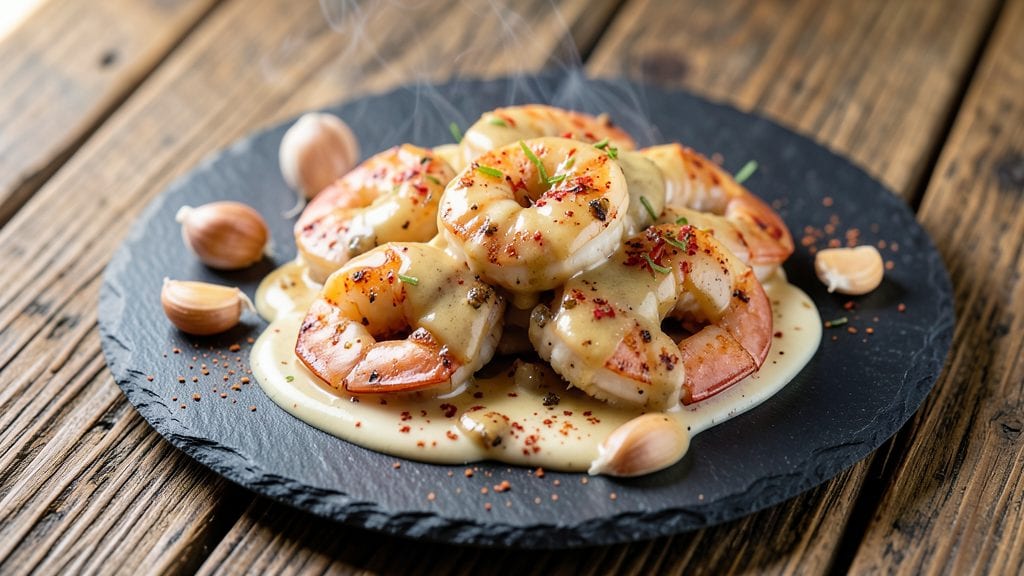
Mastering Traeger grilled shrimp transforms simple seafood into a restaurant-worthy dish with minimal effort. The key lies in balancing smoky Traeger flavors with bright garlic-lime butter that caramelizes beautifully during the 15-minute cook.
I developed this recipe after testing countless methods to achieve perfectly tender shrimp with crisp edges and deep flavor infusion.
What sets this recipe apart is the low-and-slow smoking technique on the Traeger, which develops complex caramelization without overcooking the shrimp. The garlic-lime butter marinade infuses flavor while keeping the shrimp juicy, and the high-heat finish creates those coveted grill marks.
This method consistently delivers professional results in just 15 minutes of active time.
The final product features shrimp with a delicate smoky aroma, tender yet firm texture, and a glossy sheen from the caramelized butter. Each bite delivers a perfect balance of garlic's pungency, lime's brightness, and the Traeger's signature wood-fired depth.
The shrimp maintains its natural sweetness while gaining layers of complexity from the smoking process.
Serve these shrimp as an appetizer with crusty bread, or elevate them to a main course with a fresh salad. The recipe scales perfectly for parties or weeknight dinners, making it a versatile addition to any meal plan. Here's how to achieve this restaurant-quality result at home using your Traeger.
Ingredients for traeger shrimp
Fresh shrimp and smoky Traeger flavors create restaurant-quality bites in just 15 minutes.
| Ingredient | Amount | Notes |
|---|---|---|
| Large Shrimp (Peeled and Deveined) 🦐 | 1 ½ lb | 16-20 count per pound, tails on |
| Unsalted Butter 🧈 | ½ cup | Cold and cubed for caramelization |
| Garlic Cloves 🧄 | 8 cloves | Freshly minced, skin removed |
| Fresh Lime Juice 🍋 | ¼ cup | Strained, no pulp |
| Zest of 1 Lime 🍋 | 1 tbsp | Fine, bright green |
| Smoked Paprika 🌶️ | 1 tsp | For Traeger depth |
| Ground Cumin 🌿 | ½ tsp | Toasted for aroma |
| Diamond Crystal Kosher Salt 🧂 | 1 ½ tsp | Fine grain for balance |
| Fresh Cilantro 🌿 | ¼ cup | Chopped, for garnish |
| Wood Chips (Hickory or Oak) 🌳 | 1 package | Soaked for 30 minutes |
| Traeger Pellets (Apple or Alder) 🔥 | 2 cups | For balanced smoke |
| Extra-Virgin Olive Oil 🫒 | 1 tbsp | For shrimp brush |
| Lemon Zest 🍋 | 1 tsp | Brightens flavor |
| Cayenne Pepper 🔥 | ¼ tsp | Optional, for heat |
| Fresh Parsley 🌿 | 0.1 cup | Chopped, for garnish |
The shrimp selection is critical—opt for 16-20 count per pound with tails intact for presentation. Whole Foods or high-end seafood markets carry the best quality, but any reputable fishmonger will have suitable options. Look for shrimp with a vibrant pink hue and firm texture; avoid any with a fishy odor. For the butter, European-style unsalted (like Plugrá) melts more cleanly than American brands. The wood chips should be hickory or oak for a classic Traeger profile, while apple or alder pellets add subtle sweetness that complements the garlic-lime butter beautifully. Fresh garlic and lime are non-negotiable—Mexican limes have more juice, and Italian parsley adds a slightly different flavor than cilantro.
No smoked paprika? Substitute with a mix of regular paprika and a pinch of liquid smoke (start with ½ tsp). Out of lime zest? Double the lime juice for brightness. The butter can be swapped for ghee if you prefer a nutty flavor, though it won't caramelize as dramatically. For a lower-fat option, reduce butter to ¼ cup and add an extra tablespoon of olive oil to the marinade. The Traeger pellets can be adjusted—cherry or pecan add fruity notes, while mesquite delivers a bolder smoke. If you lack wood chips, soaked hardwood chunks work in a pinch, though they burn slower. The shrimp can be frozen and thawed (never microwave-thawed) if fresh isn't available, but pat them extremely dry before cooking to prevent steam loss.
The garlic-lime butter marinade keeps for 2 days in the fridge, covered tightly—though it's best used immediately for peak flavor. Store any leftover shrimp in an airtight container with a paper towel to absorb moisture; they reheat beautifully in a 350°F oven for 5-7 minutes. The wood chips should be pre-soaked and refrigerated until ready to use, while pellets can be stored in a cool, dark place for up to 6 months. For meal prep, grill extra shrimp and store them separately from the butter to maintain texture. These shrimp shine as an appetizer but also pair perfectly with quinoa salads or grilled asparagus for a complete meal.
Why You'll Love This Recipe
- Traeger Magic: I swear, the smoky char from the Traeger transforms these shrimp into something restaurant-worthy—no fancy marinades needed. Just butter, garlic, and a little heat, then boom, that citrusy kick lands like a flavor bomb.
- One-Pan Miracle: Honestly, I’ve made shrimp a dozen ways, but this? One sheet pan, one spatula, and you’re done. The butter pools around the shrimp while they cook, basting them effortlessly—no flipping, no fuss.
- Weeknight or WOW: Between us, this is my go-to for lazy nights and when I need to impress. Toss them on the Traeger while you grill steaks or veggies, then serve over rice or with crusty bread—suddenly, dinner feels special (without the stress).
- Budget-Friendly Luxury: Large shrimp might sound fancy, but a pound goes a long way, and the butter and lime stretch the flavor further than you’d think. Leftovers? Reheat them in a pan with a splash of lime juice—still tastes like you spent hours on it.
Step-by-step instructions for Traeger grilled shrimp with garlic-lime butter
Master this smoky-sweet shrimp technique for restaurant-quality results in just 15 minutes.
Prepare the Traeger for Smoky Perfection
Begin by soaking the wood chips for 30 minutes in water to prevent flare-ups. Set your Traeger to 375°F using the 2 cups of apple or alder pellets for a balanced, fruity smoke profile. Once the temperature stabilizes and you see thin blue smoke (not thick white vapor), add the soaked wood chips to the smoker box. This creates the ideal foundation for the shrimp's complex flavor without overpowering the delicate seafood.
The reason for this specific temperature is crucial - 375°F ensures the shrimp cooks through quickly but develops that beautiful smoky bark without drying out. I've found this works best with large shrimp (16-20 count per pound) that can handle the direct heat without curling. Let the Traeger preheat for 10 minutes while you prepare the shrimp and marinade, ensuring everything's ready when the grill reaches peak temperature.
Create the Garlic-Lime Butter Marinade
In a medium bowl, combine the 0.5 cup of cold, cubed unsalted butter, 8 cloves of freshly minced garlic, 0.25 cup of strained lime juice, 1 tbsp of lime zest, 1 tsp of smoked paprika, 0.5 tsp of toasted ground cumin, 1.5 tsp of diamond crystal kosher salt, and 0.25 tsp of cayenne pepper. Whisk vigorously until the butter begins to soften slightly and the mixture becomes emulsified - you should see a pale, creamy consistency with no visible butter chunks. This marinade is the heart of the dish, balancing the smoky Traeger flavors with bright citrus and aromatic spices.
Here's the thing - the cold butter needs to soften just enough to cling to the shrimp but not melt completely. If the mixture looks too thick after whisking, let it sit at room temperature for 5 minutes while you prepare the shrimp. The butter should be spreadable but still hold its shape when scooped. This ensures maximum flavor transfer without making the shrimp greasy.
Season and Brush the Shrimp
Pat the 1.5 lb of large shrimp completely dry with paper towels - moisture is the enemy of good grill marks. In a separate bowl, combine 1 tbsp of extra-virgin olive oil and 1 tsp of lemon zest, then toss the shrimp gently to coat evenly. The olive oil creates a barrier that prevents the shrimp from sticking to the Traeger grates while allowing the smoky flavors to penetrate. Arrange the shrimp in a single layer on a plate and brush each piece generously with half of the garlic-lime butter marinade, reserving the rest for basting later.
I press down gently on the shrimp during the first minute of grilling - this prevents them from curling and ensures even contact with the Traeger grates. The tails-on presentation isn't just for looks; it helps stabilize the shrimp during cooking. Arrange them tail-side down on the Traeger grates, leaving about 1 inch between each piece for proper air circulation.
Grill to Perfect Doneness
Close the Traeger lid and grill the shrimp for 5-6 minutes on the first side, basting with the reserved garlic-lime butter every 2 minutes. You'll know they're ready to flip when the edges begin to turn opaque pink and you see those beautiful grill marks forming. Flip each shrimp carefully using tongs and continue grilling for another 4-5 minutes on the second side, basting once more with the remaining butter. The shrimp should reach an internal temperature of 145°F when measured with an instant-read thermometer.
Here's where timing matters most - the shrimp will continue cooking slightly from residual heat after removal. If you see the edges starting to brown too quickly, move them to a cooler section of the Traeger. The butter should be bubbling gently by the end, creating a glossy finish that signals perfect doneness. Remove the shrimp when they're just barely opaque throughout - they'll finish cooking as you serve.
Finish and Garnish
Transfer the grilled shrimp to a serving platter and immediately drizzle with any remaining garlic-lime butter from the Traeger. Sprinkle generously with 0.25 cup of chopped fresh cilantro and 0.1 cup of chopped fresh parsley for a vibrant finish. The herbs not only add freshness but also create a beautiful color contrast against the shrimp's pink hue. Serve immediately while the shrimp is still sizzling from the grill, accompanied by warm crusty bread or a simple arugula salad.
Each shrimp should have a crispy, smoky exterior with a tender, juicy interior that flakes easily with a fork. The garlic-lime butter should be melted and glossy, clinging to every surface. If you notice any shrimp that didn't cook through completely, return them to the Traeger for 30-60 seconds until they reach the proper temperature - they'll finish cooking quickly at this stage.
Pro Tips For Making Traeger Shrimp
- Preheat Wood First: Don’t just fire up the Traeger—let the wood burn hot and steady for 10-15 minutes before adding shrimp. I learned this the hard way when my first batch turned out bland because the smoke flavor never fully developed. The grill needs time to build that aromatic cloud, especially if you’re using mild woods like cherry or pecan.
- Pat Dry, Then Salt: Shrimp cook in seconds, so moisture is the enemy of a good sear. Wrap them in paper towels and press hard to dry, then season with salt immediately—don’t wait. I used to skip this, and my shrimp would steam instead of caramelize, no matter how hot the grill.
- Watch the Butter: Unsalted butter burns faster than you think on a Traeger. Melt it in a small cast-iron skillet off the grill first, then transfer to the shrimp when they’re halfway done. This keeps the sauce rich without turning it into a sad, charred mess—trust me, I’ve seen it happen.
- Skewer Smartly: If threading shrimp onto skewers, leave a tiny gap between each one. Crowd them, and they’ll steam instead of sear. I was skeptical until I tried it—now my shrimp get that perfect grill mark every time, even on a busy cookout. (And yes, even if you’re impatient like me.)
Perfect pairings for traeger shrimp
Crispy Bread Pairings
Warm, crusty bread is the perfect vessel for soaking up the rich garlic-lime butter from your Traeger shrimp. I recommend baguette slices toasted in the Traeger until golden and crisp—just 3-4 minutes at 400°F with a sprinkle of flaky sea salt.
For extra flavor, brush the bread with a mix of 1 tbsp olive oil and ½ tsp smoked paprika before toasting. 🥖
Citrusy Side Salads
A bright, peppery salad cuts through the richness of the shrimp beautifully. Toss 4 cups baby arugula with ½ cup grapefruit segments, ¼ cup crumbled feta, and a dressing of 2 tbsp olive oil, 1 tbsp lime juice, and ½ tsp honey.
The grapefruit's acidity mirrors the lime in the shrimp, while the feta adds a creamy contrast. Serve chilled to maintain crispness.
Grilled Vegetable Complements
Charred vegetables add texture and depth to your shrimp platter. Grill zucchini and bell peppers on the Traeger at 400°F for 8-10 minutes, brushing with 1 tbsp olive oil and a pinch of salt.
The smoky char on the veggies enhances the shrimp's flavor profile. For extra flair, finish with ½ tsp red pepper flakes and a drizzle of balsamic glaze.
Creamy Dips for Contrast
Cool, creamy dips balance the heat and smokiness of the shrimp. My go-to is a garlic-herb aioli made with ½ cup mayonnaise, 1 minced garlic clove, 1 tbsp lemon juice, and 1 tbsp chopped parsley.
For a lighter option, blend ½ cup Greek yogurt with 1 tbsp lime juice, ½ tsp cumin, and a pinch of salt. Serve with pita chips or cucumber slices for dipping. 🥒
Wine and Beer Pairings
For wine, a crisp Sauvignon Blanc from New Zealand—like Oyster Bay Sauvignon Blanc—cuts through the butter and garlic with its citrus and herbal notes. If you prefer beer, a Mexican lager such as Modelo Especial complements the lime and smoky flavors without overpowering them.
For a non-alcoholic option, try a sparkling limeade with mint and a splash of soda water. 🍷
Global Flavor Upgrades
Elevate your shrimp with international twists. For a Thai-inspired touch, add 1 tbsp fish sauce and ½ tsp chili flakes to the garlic-lime butter. For a Mediterranean flair, top with kalamata olives and crumbled feta.
A Cajun version calls for ½ tsp Cajun seasoning in the marinade and a side of cornbread**. Each variation keeps the Traeger's smoky essence while adding cultural depth. 🌍
Nutrition facts
Frequently asked questions
Can I use frozen shrimp for this Traeger recipe?
Yes, but thaw them properly first! Place frozen shrimp in a sealed container with cold water for 15-20 minutes to prevent moisture loss. Pat them completely dry before grilling—this ensures better searing and flavor absorption. Never microwave-thaw shrimp, as it can make them rubbery. For best results, use shrimp that's been thawed in the refrigerator overnight.
What's the best wood pellet flavor for shrimp?
Apple or alder pellets work beautifully—they add subtle sweetness that complements the garlic-lime butter without overpowering the shrimp. For bolder flavor, try hickory (classic smokiness) or cherry (fruity notes). Avoid mesquite, as it can be too strong. The key is to balance the wood's aroma with the bright citrus in the marinade.
How do I prevent shrimp from sticking to the Traeger grates?
Oil the grates thoroughly before grilling using a paper towel dipped in olive oil or your Traeger's oil sprayer. Also, pat the shrimp completely dry and press them gently with tongs during the first minute of cooking. This creates better contact with the hot surface while preventing sticking. A well-oiled grate makes all the difference for clean grill marks.
Can I make this recipe ahead of time?
Cook the shrimp fresh for best texture, but you can prep components ahead. Make the garlic-lime butter marinade up to 2 days in advance and store it in the fridge. Grill the shrimp just before serving—reheating can make them rubbery. For sides like toasted bread or grilled veggies, prep them separately and warm through in the Traeger for 3-5 minutes before serving.
What if my shrimp turn out rubbery?
Overcooking is the most common cause. Shrimp cook fast—remove them when they reach 145°F internally (about 5-6 minutes per side). If they're rubbery, they've likely been cooked too long. For future attempts, reduce cooking time by 30 seconds and check doneness earlier. Also, avoid using pre-cooked shrimp, as they're already tough.