
Main Courses
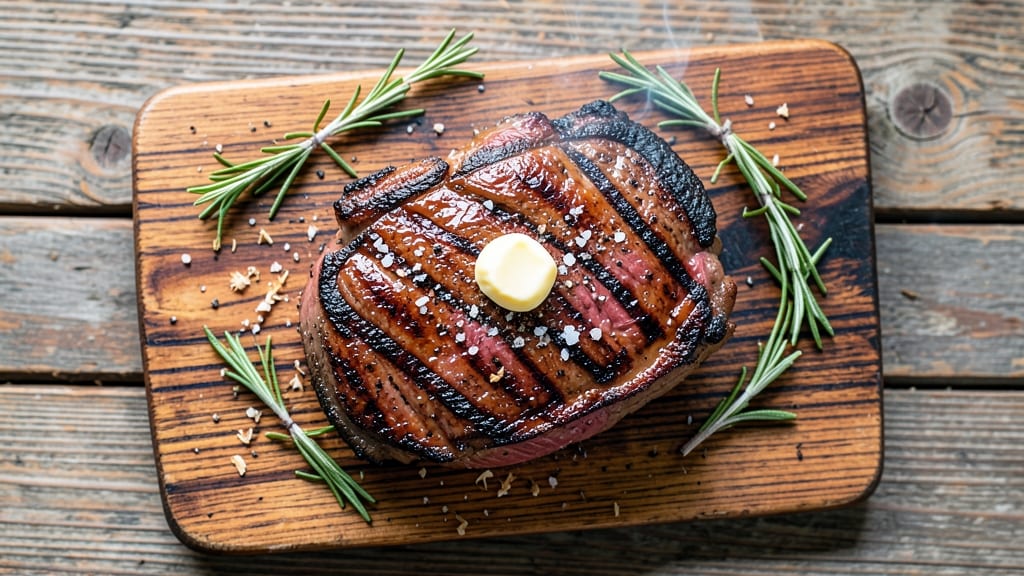
Mastering Traeger ribeye steak transforms a simple cut into a restaurant-worthy centerpiece with smoky depth and buttery tenderness. The key lies in precise temperature control and wood pellet selection—hickory for bold flavor, cherry for subtle sweetness—each creating a distinct crust while keeping the interior melt-in-your-mouth perfect. After years of perfecting this method, I’ve developed a foolproof approach that ensures every bite delivers that ideal balance between char and juiciness.
This recipe leverages the Traeger’s ability to maintain consistent low-and-slow heat, which is essential for developing flavor without overcooking. Start with a dry-brined ribeye for maximum seasoning penetration, then smoke at 225°F until internal temperature reaches 110°F—well below traditional doneness—to preserve moisture.
The reverse sear technique finishes the steak with a high-heat sear, locking in juices while creating that coveted caramelized crust.
What you’ll achieve is a steak with a smoky, bark-like exterior that gives way to a velvety interior, where every forkful reveals layers of flavor from the wood pellets. The resting period is critical—10 to 15 minutes on a cutting board—allowing juices to redistribute evenly.
Serve with roasted garlic potatoes or grilled asparagus to complement the rich, meaty profile without overpowering it.
This method isn’t just about cooking; it’s about understanding how wood pellets and temperature interact to create depth of flavor. Whether you’re hosting a dinner party or treating yourself to a special meal, this Traeger ribeye steak delivers professional-quality results with minimal effort.
Let’s get started on creating your perfect steak.
Ingredients for traeger ribeye steak
Four essential ingredients transform a ribeye into smoky perfection—wood pellets, dry brine, butter, and patience.
| Ingredient | Amount | Notes |
|---|---|---|
| Ribeye Steak 🥩 | 2 lb | Bone-in, 1-1.5 inch thick |
| Kosher Salt 🧂 | 2 tbsp | Diamond Crystal preferred |
| Freshly Ground Black Pepper 🌶️ | 1 tbsp | Freshly cracked for best flavor |
| Hickory Wood Pellets 🌳 | 2 cups | For bold smoky flavor |
| Cherry Wood Pellets 🍒 | 1 cup | For subtle sweetness |
| Butter 🧈 | ½ cup | Unsalted, softened |
| Garlic Cloves 🧄 | 4 cloves | Minced for butter compound |
| Fresh Rosemary 🌿 | ¼ cup | Chopped, for butter compound |
| Extra-Virgin Olive Oil 🫒 | 2 tbsp | For high-heat sear |
| Red Wine Vinegar 🍷 | 1 tbsp | For dry brine |
| Vegetable Oil 🫒 | 2 tbsp | For reverse sear |
The ribeye is your star, so spring for bone-in, 1-1.5 inch thick cuts—they hold up better to low-and-slow smoking. Costco or local butchers usually carry the best quality. For wood pellets, Traeger's own hickory and cherry blends work perfectly, but Lumberjack brand is a solid budget pick. The key is mixing them—hickory for that bold, smoky punch and cherry for subtle sweetness. If you can't find cherry, mesquite is a decent swap, though it's more aggressive. The butter compound? Use European-style butter—it has higher fat content, which means richer flavor when melted over the steak.
No hickory pellets? Oak works in a pinch, though it'll be less intense. Running out of rosemary? Fresh thyme or sage will give you a similar aromatic profile. The dry brine is non-negotiable—it's what makes the crust crispy and the interior juicy. I like to mix the Diamond Crystal kosher salt and red wine vinegar in a bowl and coat the steak thoroughly. Let it sit uncovered in the fridge for at least 4 hours, up to 24—the longer it brines, the better it'll be. For the reverse sear, high-smoke-point vegetable oil is a must—avoid olive oil here, as it'll burn at high heat.
Once cooked, let the steak rest for 10-15 minutes—this is where most home cooks mess up. The juices need time to redistribute, or you'll end up with a dry steak. Store leftovers in an airtight container for 3-4 days, though honestly, it's so good it won't last that long. If you're prepping ahead, cook the steak, let it cool completely, then vacuum-seal it—it'll keep for up to 2 weeks in the freezer. The butter compound? Make it fresh, but if you're short on time, store it in the fridge for up to 3 days—just give it a quick stir before using.
Why You'll Love This Recipe
- Two-Ingredient Magic: I swear by this—just salt, pepper, and the smoky kiss of hickory and cherry wood. That’s it. No fancy marinades, no stressing over rubs. The Traeger does the heavy lifting while I sip my coffee and pretend I’m a grill master.
- Smoke Bomb Flavor: The hickory gives it that deep, campfire richness, but the cherry wood? It adds this subtle sweetness that makes every bite feel like a little celebration. Honestly, I’ve tried fancy dry-aged steaks—this holds its own.
- Date Night Ready: No one wants to spend hours in the kitchen for a romantic dinner. Fire up the Traeger, throw on the steak, and let the wood chips work their magic. By the time you’re done with wine and conversation, dinner’s ready—perfectly medium-rare, no guesswork.
- Leftovers? No Problem: A single ribeye feeds two, but the leftovers? They’re even better cold the next day—crispy edges, tender center, all wrapped in that smoky aroma. I pack them in my lunchbox like it’s a secret weapon. (Between us, my coworkers think I’ve discovered some gourmet caterer.)
Step-by-step instructions for smoky crust and buttery center mastery
Here's how to transform a simple ribeye into restaurant-quality perfection using your Traeger.
Prepare the Ribeye with Dry Brine
Pat the ribeye completely dry with paper towels—this is non-negotiable for crispy bark. Place it on a wire rack set over a baking sheet to allow airflow on all sides. In a small bowl, combine the 2 tablespoons kosher salt and 1 tablespoon freshly ground black pepper, then rub this mixture generously over the entire surface of the steak, pressing it into the meat. The salt will begin drawing out moisture immediately, which is exactly what we want.
Transfer the steak to a plate and refrigerate uncovered for 12-24 hours. This dry brine creates an incredible crust while keeping the interior juicy. I like to do this overnight, but even 12 hours makes a noticeable difference. The steak will look slightly dehydrated on the surface—that's perfect. When you're ready to cook, remove it from the fridge and let it sit at room temperature for 30 minutes before smoking.
Set Up the Traeger for Perfect Smoke
Fill your Traeger with the 2 cups hickory wood pellets and 1 cup cherry wood pellets—the hickory gives bold smoke flavor while the cherry adds subtle sweetness. Set the temperature to 225°F and let it preheat for at least 30 minutes until you see steady, thin blue smoke. This low-and-slow approach ensures deep smoke penetration without drying out the meat.
While the Traeger preheats, prepare your garlic herb butter by combining the 0.5 cup softened butter, 4 minced garlic cloves, and 0.25 cup chopped fresh rosemary in a small bowl. Mix well and form into a log shape, then wrap tightly in plastic wrap and refrigerate. This compound butter will add incredible flavor during the final sear.
Smoke the Ribeye Low and Slow
Place the ribeye on the Traeger grates, fat side up, and smoke for 1 hour to 1 hour 15 minutes until the internal temperature reaches 125°F. You'll notice the steak developing a beautiful bark on the outside while remaining perfectly pink inside. The key here is patience—resist the urge to check the temperature too often, as each time you open the lid, you lose heat and extend cooking time.
About 15 minutes before the steak reaches 125°F, prepare your high-heat sear station. Remove the ribeye from the Traeger and let it rest for 5 minutes. This brief rest prevents the steak from overcooking when you introduce the high heat.
Reverse Sear for Perfect Doneness
Heat a cast-iron skillet over high heat until it's screaming hot. Add the 2 tablespoons vegetable oil and let it shimmer for 1 minute. Place the ribeye in the skillet, fat side down, and sear for 2-3 minutes until a deep crust forms. Flip carefully and sear the other side for 1-2 minutes. The steak should now be 130-135°F internally—this is ideal for medium-rare.
Remove the steak from the skillet and let it rest on a cutting board for 10 minutes. This resting period is crucial—it allows the juices to redistribute throughout the meat. While it rests, add the garlic herb butter to the hot skillet and let it melt, then spoon this fragrant butter over the top of the steak. Slice against the grain into ½-inch thick portions and serve immediately with the melted butter pooling on top.
Optional Crust Enhancement
For an extra crispy crust, brush the steak with the 2 tablespoons extra-virgin olive oil and 1 tablespoon red wine vinegar mixture right before the final sear. The acid in the vinegar helps break down the surface proteins, creating a stunning crust while adding a bright, tangy note that cuts through the richness of the meat. Use this step if you want to take your steak to the next level of flavor complexity.
The result should be a steak with a deep mahogany crust, a pink center that yields slightly to pressure, and layers of smoky, herby, and buttery flavor in every bite. Serve with a simple arugula salad dressed with a touch of lemon to cleanse the palate between each incredible bite.
Pro Tips For Making Traeger Ribeye Steak
- Preheat with Wood Mix: Split your pellets 50/50 hickory and cherry—hickory adds bold smoke, cherry keeps it from overpowering the beef’s natural richness. I learned this the hard way after a batch tasted like a campfire instead of a steakhouse.
- Salt the Night Before: Ribeye loves a dry brine. Sprinkle salt (and a crack of pepper) on the steak 12–24 hours ahead—it seasons deeper and forms that perfect crust. Yes, it’s easy to forget, but your guests won’t notice the effort.
- Watch the Temp Swings: Start at 450°F until sear marks form (3–4 minutes per side), then drop to 250°F for the rest. I used to hover between temps, and the steak ended up either charred or gray. Consistency is everything.
- Rest Under Foil: Pull the steak at 125°F internal, wrap it loosely in foil, and let it sit 5–10 minutes. This keeps juices from pooling on the cutting board—no one wants a dry first bite. (Your future self will thank you.)
Pro cooking tips for this recipe
Wood Pellet Pairings
Your choice of wood pellets makes all the difference in flavor. For this ribeye, I recommend 2 cups hickory for bold, smoky depth and 1 cup cherry for subtle sweetness—this combo creates a balanced, complex profile.
If you prefer fruitier notes, swap half the hickory for apple or peach pellets, which add a delicate floral quality. Avoid strong flavors like mesquite unless you want an aggressive, earthy taste that can overpower the steak. 🌳
Temperature Control Secrets
Maintaining 225°F is critical for even smoke penetration. Use a dual-probe thermometer like the ThermoWorks Smoke to monitor both the Traeger and steak internal temp. If the temperature fluctuates more than ±5°F, check for drafts or adjust the pellet hopper.
For thicker steaks (1.5+ inches), extend smoking time to 1 hour 30 minutes to reach 125°F internally—this ensures a perfect reverse sear. 🌡️
Reverse Sear Timing
The 5-minute rest before the final sear is non-negotiable—it prevents overcooking when you hit high heat. For a medium-rare finish, aim for 130-135°F after searing. If your steak hits 140°F during the reverse sear, it’s overdone.
Use a meat thermometer and pull it 5°F below your target doneness, then finish with the skillet. 💡
Butter Compound Hacks
For the garlic herb butter, I crush 4 garlic cloves into a paste first to release more flavor. Add ½ cup softened European-style butter (like Plugrá) and ¼ cup chopped rosemary, then chill for 30 minutes before shaping into a log.
This ensures it holds together during storage. For extra richness, add 1 tsp smoked paprika to the butter mixture—it adds a subtle smoky depth that complements the steak perfectly. 🧈
Avoiding Common Mistakes
Never skip the room-temperature step—cold steak cooks unevenly. If your crust isn’t crispy enough, try brushing with 1 tbsp olive oil before the final sear. For extra bark, sprinkle 1 tsp smoked salt (like Morton Kosher Smoked Salt) on the steak right before searing.
And always slice against the grain—this shortens muscle fibers, making each bite more tender. 🔥
Traeger-Specific Tips
Clean your Traeger grates with a wire brush before cooking to prevent sticking. If using a Traeger Grill Pro, set the Wifi feature to monitor temps remotely via the app. For pellet shortages, mix ½ hickory and ½ oak—oak is milder but still delivers great flavor.
And if your steak isn’t smoking enough, add 1-2 extra pellets to the hopper for a stronger flavor infusion. 💨
Nutrition facts
Frequently asked questions
Can I use a different wood pellet blend for my Traeger ribeye?
The classic hickory-cherry combo works best, but you can experiment! For a fruitier profile, try apple or peach pellets instead of half the hickory. Avoid mesquite—it's too strong and can overpower the steak's natural flavor.
How do I know when my ribeye is done with the reverse sear?
Use a meat thermometer for precision. For medium-rare, pull the steak when it hits 130-135°F after the final sear. If you prefer medium, aim for 140-145°F. Never guess—overcooking ruins the tenderness!
Why does my Traeger ribeye turn out dry?
Most likely, you skipped the resting time or overcooked it. Always let the steak rest 10-15 minutes before slicing, and pull it 5°F below your target doneness. If it's still dry, your smoke temp was too high—stick to 225°F for perfect moisture.
Can I cook a thicker ribeye (2+ inches) with this method?
Yes! Extend the smoking time to 1 hour 30 minutes to 2 hours to reach 125°F internally before the reverse sear. Thicker cuts need more time to develop flavor without drying out. Adjust your final sear time accordingly—thicker steaks may need 3-4 minutes per side.
What sides pair best with Traeger ribeye?
Roasted garlic potatoes or creamy mashed potatoes balance the richness perfectly. For freshness, try grilled asparagus with lemon zest or a simple arugula salad with balsamic glaze. Avoid heavy sides—they'll overpower the steak's smoky flavor.