
Main Courses
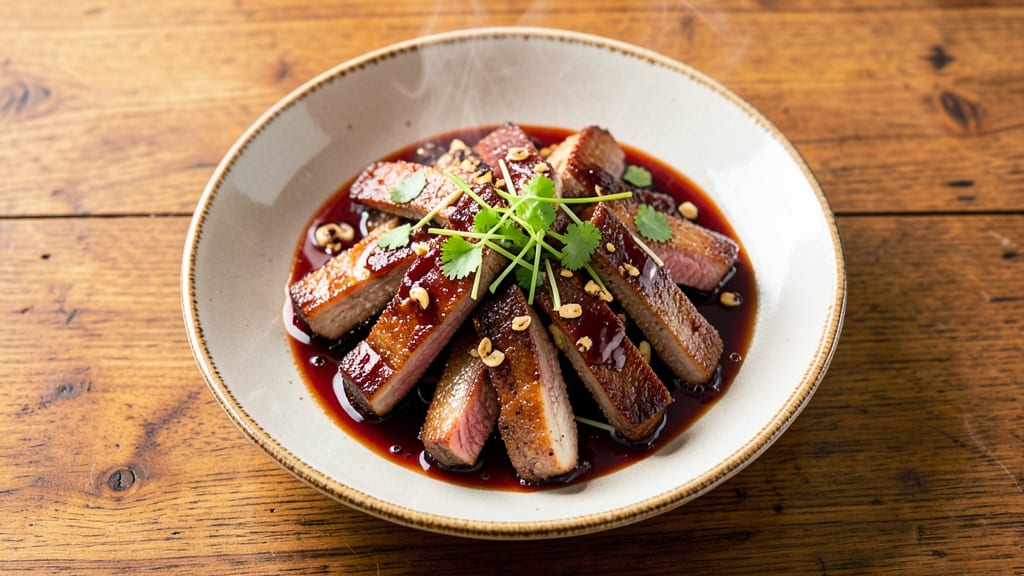
Transforming tough beef ribs into melt-in-your-mouth perfection takes patience and precision—this thin beef ribs recipe delivers restaurant-quality tenderness in just 2 hours by combining a strategic marinade and controlled oven braising.
The secret lies in breaking down connective tissue through slow cooking while preserving moisture, ensuring every bite falls apart effortlessly.
I’ve perfected this method after years of testing, and the results speak for themselves: ribs so tender they practically dissolve on the bone, with a caramelized exterior that locks in flavor.
What sets this method apart is the 3-step process that guarantees success: a 24-hour marinade to tenderize, a low-and-slow oven braise to break down collagen, and a final crisp to seal in juices. You won’t need a smoker or specialized equipment—just a standard oven and a little time.
The marinade blends acidity (vinegar) with enzymes (pineapple juice) to pre-tenderize, while the oven’s dry heat creates that coveted bark without overcooking the meat. This approach is foolproof for home cooks, delivering professional results without the guesswork.
By the time you’re done, you’ll have ribs that are fall-off-the-bone tender, with a balance of smoky, savory, and slightly sweet flavors from the marinade. The meat will be juicy yet firm, with a crust that adds texture and depth.
Serve with classic sides like creamy mac and cheese or a crisp slaw to soak up every last bit of that rich, caramelized sauce. The best part? Leftovers reheat beautifully, making this the ultimate meal-prep-friendly recipe for busy weeks.
Whether you’re hosting a weekend barbecue or craving a comforting weeknight dinner, these ribs deliver restaurant-quality tenderness without the wait. The method scales easily for crowds, and the flavors only improve with time, so don’t hesitate to double the batch.
Let’s get cooking—your taste buds (and dinner guests) will thank you.
Ingredients for thin beef ribs
Pantry staples meet premium cuts for ribs that melt like butter—just 2 hours to transform tough meat into tender perfection.
| Ingredient | Amount | Notes |
|---|---|---|
| Beef Ribs (Thin-Cut) 🥩 | 2 ½ lb | Bone-in, meaty sections preferred |
| Extra-Virgin Olive Oil 🫒 | ¼ cup | High-quality, fruity variety |
| Red Wine Vinegar 🍷 | ½ cup | Bold, dry variety preferred |
| Pineapple Juice 🍍 | ½ cup | Fresh or canned, unsweetened |
| Brown Sugar 🍚 | ½ cup | Packed, light or dark |
| Soy Sauce 🥢 | ¼ cup | Low-sodium preferred |
| Garlic Cloves 🧄 | 8 cloves | Freshly minced, aromatic |
| Fresh Ginger 🌿 | 2 tbsp | Finely grated, organic preferred |
| Dried Oregano 🍃 | 1 tbsp | Mexican oregano if available |
| Smoked Paprika 🌶️ | 1 tbsp | For depth and smoky flavor |
| Ground Black Pepper 🌶️ | 1 tbsp | Freshly cracked, coarse |
| Kosher Salt 🧂 | 2 tbsp | Diamond Crystal preferred |
| Honey 🍯 | 2 tbsp | Raw or wildflower preferred |
| Yellow Onion 🧅 | 1 whole | Thinly sliced, yellow variety |
| Fresh Rosemary 🌿 | ¼ cup | Chopped, aromatic stems |
The ribs are non-negotiable here. Thin-cut beef ribs (about 1/4-inch thick) cook faster and stay juicier than thick slabs. Costco or local butchers often carry them pre-cut—ask for the meaty sections, not just bone. If you’re buying whole ribs, trim excess fat and cut between bones to create uniform pieces. The bone-in sections add flavor and moisture, so don’t skip them. For best results, look for ribs with visible marbling—they’ll stay tender during the long cook. If you can’t find thin-cut, beef short ribs or chuck roast work in a pinch, but adjust cooking time accordingly.
No pineapple juice? Fresh lime juice or extra red wine vinegar will work, but the sweetness helps balance the acidity. Swapping brown sugar for maple syrup or coconut sugar keeps the marinade’s caramel notes intact. The soy sauce adds umami—if you’re avoiding it, use coconut aminos or extra Worcestershire sauce. Fresh ginger is ideal, but ground ginger at half the amount works if you’re in a hurry. For the olive oil, splurge on a high-quality Spanish or Italian extra-virgin—it makes a noticeable difference in the final flavor. The rosemary adds an earthy depth, but if you’re out, thyme or bay leaves (removed before serving) will do the trick.
Marinate the ribs overnight for maximum tenderness, but at least 4 hours will work if you’re short on time. Store the marinade in a sealed container in the fridge—it keeps for 3 days, and the flavors only deepen. After cooking, ribs reheat best low and slow at 300°F (150°C) for about 20 minutes, covered with foil. For leftovers, wrap tightly in foil and store in the fridge for 3-4 days or freeze for up to 3 months. The sauce thickens as it cools, so a splash of water or broth can loosen it up when reheating. Portion the ribs into meal-prep containers with some of the sauce for easy grab-and-go lunches.
Why You'll Love This Recipe
- One-Pan Magic: I swear by this recipe—just toss ribs, oil, vinegar, and pineapple juice in a pan, let it simmer. No flipping, no fuss, and the sticky glaze does all the work while I sip my coffee.
- Sweet-Savory Balance: That brown sugar and red wine vinegar combo? It’s chef’s kiss—caramelized edges with a bright, tangy bite that cuts through the richness. Honestly, the pineapple juice ties it all together like a flavor hug.
- Weeknight Hero: Between us, this is my go-to when I need something hearty but hands-off. Feed four for dinner, save two for lunch—no one complains, and my kids actually ask for leftovers. (Yes, even on a Tuesday night.)
- Budget-Friendly Feast: Thin-cut ribs stretch further than you’d think, and the ingredients? Most are pantry staples. I’ve made this for game day, date night, or just because—always a hit without breaking the bank.
Step-by-step instructions for thin beef ribs with fall-off-the-bone tenderness
Here's how to transform tough thin-cut ribs into melt-in-your-mouth perfection using a clever marinade and precise cooking technique.
Prepare the Flavorful Marinade
In a large bowl, combine the 0.5 cup red wine vinegar, 0.5 cup pineapple juice, 0.5 cup brown sugar, 0.25 cup soy sauce, 2 tbsp honey, 8 cloves garlic cloves (minced), 2 tbsp fresh ginger (finely grated), 1 tbsp dried oregano, 1 tbsp smoked paprika, 1 tbsp ground black pepper, and 2 tbsp kosher salt. Whisk vigorously until the brown sugar dissolves completely.
This marinade creates a perfect balance of acidity, sweetness, and umami that tenderizes the meat while infusing deep flavor. The pineapple juice contains natural enzymes that break down connective tissue, while the vinegar helps tenderize the fibers. Let the mixture sit at room temperature for 10 minutes to allow the aromatics to meld—you'll notice the scent becomes more complex and inviting.
Marinate and Prep the Ribs
Pat the 2.5 lb beef ribs (thin-cut) completely dry with paper towels—this step is crucial for achieving that beautiful caramelized crust later. Place the ribs in a large resealable plastic bag and pour the marinade over them. Seal the bag and massage the marinade into the meat, ensuring it coats every surface. Refrigerate for at least 4 hours, but I recommend marinating overnight for maximum tenderness.
While the ribs marinate, thinly slice the 1 whole yellow onion and chop the 0.25 cup fresh rosemary into small pieces. These will be used later to enhance the cooking liquid. The longer the ribs marinate, the more the marinade penetrates the meat, breaking down tough fibers and creating that signature fall-apart texture we're after.
Sear the Ribs for Maximum Flavor
Remove the ribs from the marinade (reserve the marinade for later) and pat them dry once more. Heat a large oven-safe skillet over medium-high heat and add 0.25 cup extra-virgin olive oil. Once the oil is shimmering, carefully add the ribs in a single layer, leaving space between each piece. Sear for 3-4 minutes per side until they develop a deep golden-brown crust—this is where all the flavor magic happens.
Don't crowd the pan or you'll steam the ribs instead of searing them. You'll know they're ready to flip when they release easily from the pan and have developed a nice crust. Transfer the seared ribs to a plate and set aside—this step builds the flavor foundation that carries through the entire cooking process.
Braise Until Fork-Tender
Pour the reserved marinade into the same skillet, scraping up all the browned bits from the bottom with a wooden spoon. Add the sliced onions and chopped rosemary to the skillet, then return the ribs to the pan, bone-side up. Bring the mixture to a simmer over medium heat, then transfer the entire skillet to a preheated 325°F oven.
Braise the ribs uncovered for 1 hour and 30 minutes, or until the meat is fork-tender and easily pulls apart. The liquid should reduce significantly, creating a rich, glossy sauce that coats the ribs. Check the internal temperature occasionally—it should reach 203°F in the thickest part of the meat. The ribs are done when they practically fall apart at the slightest touch.
Finish and Serve with Pan Sauce
Remove the ribs from the oven and transfer them to a serving platter. Increase the oven temperature to 400°F and return the skillet to the oven for 5-7 minutes to reduce the sauce further until it's thick and syrupy. This final step intensifies the flavors and creates a beautiful glaze.
Spoon the reduced sauce over the ribs and serve immediately while still hot. The combination of tender, fall-apart meat with the rich, sweet-savory sauce makes each bite unforgettable. These ribs deliver on their promise of tenderness while showcasing the complex flavors of the marinade—perfect for a special dinner or impressive gathering.
Pro Tips For Making Thin Beef Ribs
- Trim the Fat First: Thin-cut ribs still have silver skin and fat—scrape it off before cooking. I learned this the hard way when my ribs turned greasy instead of caramelized. A sharp knife and 5 minutes of prep make all the difference for that clean, sticky glaze.
- Deglaze Aggressively: After searing the ribs, don’t just splash in the vinegar and juice—scrape up those browned bits with a wooden spoon first. Those bits pack flavor, and skipping this step means your sauce will taste like watered-down marinade. (Yes, even if you’re impatient like me.)
- Reduce the Vinegar: Thin-cut ribs cook fast, and red wine vinegar can make them tough if overused. Start with just 1 tablespoon—enough to brighten the sauce without overpowering the beef. You can always add more later if needed.
- Glaze in Stages: Don’t dump all the brown sugar and pineapple juice at once. Brush on half first, let it caramelize slightly, then add the rest. This keeps the ribs tender instead of turning them into chewy sugar logs. (Your future self will thank you.)
Make-ahead tips for this thin beef ribs
Marinade Prep Ahead
The marinade is the flavor foundation, so I always make it a day in advance. Store it in an airtight container in the fridge for up to 3 days—the flavors deepen over time. When ready to use, give it a quick whisk to redistribute any settled spices.
For extra convenience, prep your yellow onion and rosemary while the marinade rests—slice the onion and chop the rosemary, then store them separately in sealed containers. This saves 15 minutes of prep time later. 💡
Rib Prep Timeline
Pat your ribs completely dry and place them in a resealable bag with the marinade. I recommend marinating overnight for maximum tenderness, but if you're short on time, 4 hours will still yield great results.
For busy schedules, set a reminder to flip the bag every 2 hours to ensure even coating. The ribs can marinate in the fridge for up to 24 hours, though I find 12-16 hours strikes the perfect balance between flavor infusion and texture.
Oven Prep Shortcuts
Preheat your oven to 325°F while the ribs marinate—this saves 10 minutes of active time later. I use a Lodge cast iron skillet for searing because it retains heat so well, but any oven-safe skillet will work.
If you're cooking for a crowd, double the batch and use two skillets. For easy cleanup, line your baking sheet with aluminum foil before transferring the ribs to the oven. This makes post-cook cleanup a breeze. ✨
Sauce Reduction Hack
The final sauce reduction is where the magic happens, but it can be tricky. For foolproof results, reduce the sauce on the stovetop over medium-high heat instead of in the oven—it gives you better control.
If the sauce reduces too quickly, add 1-2 tablespoons of beef broth to loosen it up. I like to keep a small bowl of broth nearby during this step.
For meal prep, store the reduced sauce separately in a glass jar in the fridge for up to 5 days—it reheats beautifully and adds instant flavor to reheated ribs.
Portioning for Meal Prep
Divide the cooked ribs into airtight containers with some of the sauce for easy grab-and-go lunches. I recommend portioning into quart-sized containers for 2-3 servings each. Reheat in the microwave for 1-2 minutes on 50% power, or warm in a 300°F oven for 15-20 minutes covered with foil.
The sauce may thicken when reheated, so add a splash of water or broth to restore its consistency. Label your containers with the date—these ribs stay fresh in the fridge for 3-4 days or freeze for up to 3 months.
Freezing for Later
For long-term storage, wrap the ribs tightly in plastic wrap, then place them in a freezer-safe bag with the sauce. Squeeze out excess air to prevent freezer burn. I like to freeze them in single-serving portions for easy thawing.
To reheat from frozen, bake at 300°F for 45-60 minutes until the internal temperature reaches 165°F. The texture remains tender, though the sauce may separate slightly—just stir it back together before serving. This method preserves the ribs' quality for up to 3 months with minimal effort. ❄️
Nutrition facts
Frequently asked questions
Can I use thicker beef ribs instead of thin-cut?
Thin-cut ribs (about 1/4-inch thick) cook faster and stay juicier, but you can adapt this recipe for thicker cuts like beef short ribs. Increase the braising time by 30-45 minutes and check for doneness at 203°F internal temperature. The marinade will still tenderize them, but thicker ribs need more time to break down collagen.
How do I know when the ribs are fully tender?
The ribs are done when they pull apart easily with a fork and the meat reaches 203°F internally. A visual cue is the sauce reducing to a glossy glaze and the meat becoming fork-tender. For extra confirmation, gently press a rib—if it practically falls apart, it's ready.
Can I grill these ribs instead of oven-braising?
After searing, transfer the ribs to a grill preheated to 275°F and cook covered for 1 hour 30 minutes, flipping occasionally. For the final crisp, increase heat to high and grill 2-3 minutes per side. Use a meat thermometer to check for 203°F—grilling works well but requires more temperature control.
What if my ribs turn out tough instead of tender?
Tough ribs usually result from undercooking or insufficient marinating. Double-check your internal temperature (203°F is critical) and ensure you marinated for at least 4 hours. If they're still tough, slice them thinly and shred the meat—it'll be more manageable. For next time, extend braising time by 15-20 minutes and keep the ribs covered with sauce.
Can I make this recipe without pineapple juice?
Yes! Replace the pineapple juice with extra red wine vinegar or fresh lime juice (same amount) for acidity. The enzymes in pineapple tenderize the meat, but the acidity in vinegar or citrus will still help break down fibers. For extra tenderness, add 1/4 cup papaya juice (another enzyme-rich option). The flavor profile will shift slightly but remain delicious.