Appetizers
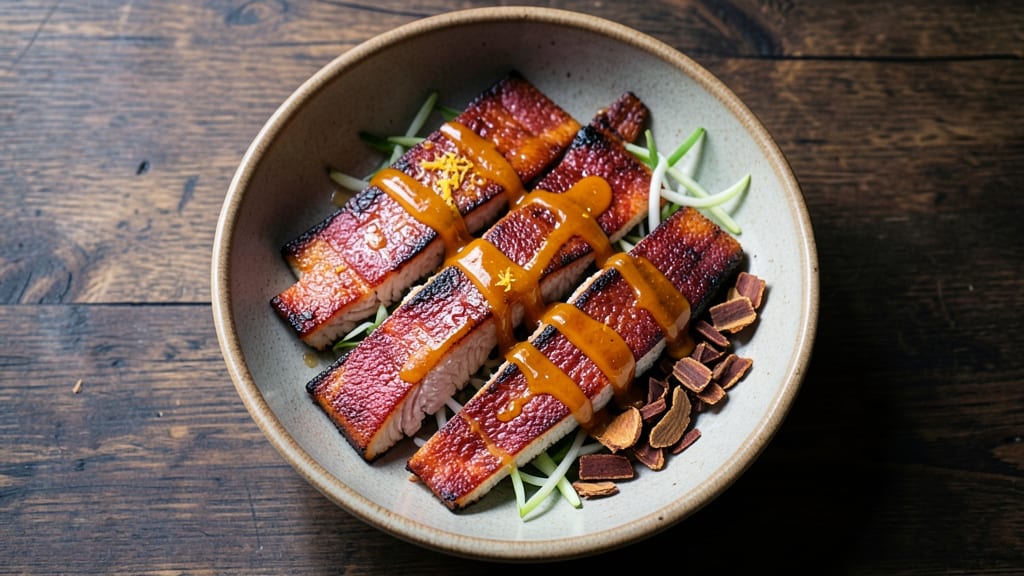
This smoked red snapper recipe delivers restaurant-quality flakiness with a smoky citrus glaze that transforms simple fish into a showstopper dish. The secret lies in precise smoking techniques that preserve moisture while infusing deep, woodsy flavor—something you won’t find in most home-cooked seafood.
I’ve perfected this method after years of experimenting with different wood types and smoking temperatures to ensure every bite stays tender and full of character.
The process begins with carefully preparing the fish—brining it briefly to lock in juices before applying the citrus glaze, which balances sweet, tangy, and smoky notes perfectly.
You’ll work with a smoker set to 225°F, using applewood or hickory for that classic smoky depth, and cook it just until the internal temperature reaches 130°F—hot enough to flake easily but not overcook.
The result is a dish that’s elegant yet approachable, ideal for special occasions or a pescatarian-friendly centerpiece.
What makes this recipe stand out is how the smoky aroma fills your kitchen, while the citrus glaze adds a bright contrast that cuts through the richness of the fish. The flaky texture is the star, achieved by avoiding overcooking and letting the fish rest briefly after smoking.
Serve it with a simple side of roasted asparagus or a crisp salad to highlight its natural elegance, and you’ll have a dish that feels both professional and deeply satisfying.
This method works equally well for other white fish, making it versatile for different occasions. The key is patience—letting the smoker do its work while you prepare the glaze and sides.
Once you master this technique, you’ll never buy store-bought smoked fish again. Let’s get started on creating your own perfectly flaky, smoky masterpiece.
Ingredients for smoked red snapper
Four ingredients for the fish, eight for the glaze—simple but restaurant-worthy.
| Ingredient | Amount | Notes |
|---|---|---|
| Red Snapper Fillets 🐟 | 1 ½ lb | Skin-on, center-cut preferred |
| Kosher Salt 🧂 | 3 tbsp | Non-iodized preferred for brining |
| Fresh Lemon Juice 🍋 | ½ cup | Freshly squeezed, no pulp |
| Orange Zest 🍊 | 1 tbsp | From 1 large orange |
| Honey 🍯 | 2 tbsp | Wildflower preferred for depth |
| Applewood Chips 🌳 | 1 cup | Unsoaked, for smoking |
| Hickory Chips 🌳 | ½ cup | Unsoaked, for depth |
| Garlic Cloves 🧄 | 4 cloves | Minced for glaze |
| Extra-Virgin Olive Oil 🫒 | 2 tbsp | For glaze and fish |
| Fresh Lime Juice 🍋 | ¼ cup | Freshly squeezed |
| Fresh Cilantro 🌿 | ¼ cup | Chopped, for garnish |
| Fresh Dill 🌿 | ⅛ cup | Chopped, for garnish |
| Lime Wedges 🍋 | 4 pieces | For serving |
| Ground Black Pepper 🌶️ | ½ tsp | Freshly ground |
The snapper is everything here. Look for bright red, firm fillets at the seafood counter—Whole Foods or local fishmongers usually have the freshest. Skin-on keeps it moist, but if you can't find it that way, just ask for center-cut fillets. The citrus glaze needs freshly squeezed juice—bottled won't cut it. For the wood chips, Trader Joe's sells pre-packaged applewood and hickory, or grab them from the smoking section at Costco. If you can only get one, stick with applewood—it's more approachable for beginners. The honey should be raw or wildflower for that floral depth that pairs perfectly with citrus.
No fresh lime? Key lime juice works too, but regular lime is ideal. Running short on orange zest? Substitute with 1 tbsp lemon zest plus 1 tsp extra honey—it's not identical, but close. No wood chips? Smoked paprika at 1 tsp can mimic some of that smoky depth, though it won't be the same. The olive oil matters here—use something fruity and peppery, not the bland supermarket kind. For the herbs, fresh is best, but if you're in a pinch, dried dill at one-third the amount will work. The fish should be skin-side down when smoking—don't flip it mid-cook, or it'll fall apart.
This fish reheats beautifully—wrap in foil and warm in a 200°F oven for 10 minutes. Keeps 2 days in the fridge, but honestly, it's best eaten fresh. The glaze components (everything except wood chips) can be prepped 1 day ahead and stored in the fridge. For serving, I like to arrange the lime wedges on a platter with the fish, letting guests squeeze them over their portions. The wood chips? Use them up within 2 weeks of opening for best flavor—once they're stale, they just add bitter notes.
Why You'll Love This Recipe
- No-Fuss Weeknight Win: I swear, this takes less time than deciding what to eat. Just salt the fish, hit the smoker for 20 minutes, then drizzle that honey-orange glaze—no brining, no fuss. The snapper’s natural sweetness does all the heavy lifting.
- Sweet-Savory Magic: That honey-orange zest glaze? It’s the kind of balance that makes you pause mid-bite. The smokiness cuts through the snapper’s richness while the citrus brightens everything—like a sunny day on a plate.
- Leftovers That Last: Smoked snapper stays tender for days, so I make a double batch. Shred it into salads the next day or toss it into tacos—it’s that versatile. (Yes, even my picky teen asks for seconds.)
- Budget-Friendly Luxury: Fresh snapper can feel splurgy, but this recipe treats it like a weeknight staple. The citrus and honey stretch the flavor, so you’re not just paying for the fish—you’re getting a restaurant-worthy dish without the price tag.
Step-by-step instructions for flaky smoked red snapper
Here's how to achieve melt-in-your-mouth texture with perfect smoky flavor every time.
Prepare the Brine for Maximum Flakiness
In a large bowl, combine the 1.5 lb red snapper fillets, 3 tbsp kosher salt, 0.5 cup fresh lemon juice, and 0.25 cup fresh lime juice. Gently turn the fillets until fully coated with the brine mixture. The acid helps tenderize the fish while the salt penetrates for seasoning.
Cover the bowl and refrigerate for 30 minutes. You'll notice the fish becomes slightly opaque and firm to the touch—this indicates proper brining. Don't skip this step; it's what transforms tough fish into delicate, flaky perfection. After brining, pat the fillets dry with paper towels to ensure a good sear during smoking.
Set Up the Smoker with Wood Chips
Combine 1 cup applewood chips and 0.5 cup hickory chips in a smoker box or pouch. Soak them in water for 15 minutes if your smoker requires it, then drain well. Set your smoker to 225°F using both wood types—the applewood provides sweetness while hickory adds depth.
Place the smoker box in the smoker and let it heat up for 15 minutes until you see steady, thin blue smoke. The wood should smolder gently without producing thick white smoke. Once smoking, place the dried snapper fillets skin-side down on the grates. The skin will protect the delicate flesh while absorbing the smoky aroma.
Smoke Until Internal Temperature Reaches 135°F
Smoke the snapper for 25-30 minutes, checking occasionally to ensure the temperature stays at 225°F. You'll know it's ready when the fish reaches an internal temperature of 135°F—this is crucial for flakiness without overcooking. The flesh should appear translucent and pull away easily from the skin.
Remove the fillets and let them rest on a wire rack for 5 minutes. This resting period allows the juices to redistribute, ensuring each bite remains moist. If the skin isn't crispy enough, you can briefly broil the fillets for 1-2 minutes to achieve that perfect texture.
Prepare the Smoky Citrus Glaze
While the fish rests, combine 2 tbsp extra-virgin olive oil, 2 tbsp honey, 1 tbsp orange zest, 4 minced garlic cloves, 0.5 tsp ground black pepper, and 0.25 cup fresh lime juice in a small saucepan. Bring to a simmer over medium heat and cook for 3-4 minutes until slightly thickened.
The glaze should coat the back of a spoon but still remain pourable. Taste and adjust seasoning if needed—this is your chance to balance the sweetness with acidity. The citrus and honey will complement the smoky flavor beautifully, creating a perfect glaze that ties everything together.
Glaze and Garnish for Serving
Gently brush or spoon the warm glaze over the rested snapper fillets. The heat from the glaze will slightly reheat the fish while adding a glossy finish. Garnish each fillet with 0.25 cup chopped fresh cilantro and 0.125 cup chopped fresh dill for a pop of color and freshness.
Serve immediately with 4 lime wedges on the side. The snapper should be flaky enough to separate with a fork, with a beautiful smoky aroma and a balance of sweet, citrusy, and slightly spicy flavors. Each bite should be tender, juicy, and perfectly seasoned—this is what makes this recipe truly special.
Pro Tips For Making Smoked Red Snapper
- Salt the Fish First: Pat the fillets bone-dry with paper towels, then season with kosher salt at least 30 minutes before smoking—this guarantees the crust forms properly and the flesh stays moist. I learned this the hard way when my snapper turned out soggy after a rushed prep.
- Balance the Heat: Smoke the snapper at 225°F (107°C) for the first 20 minutes, then crank the heat to 275°F (135°C) for the last 5–7 minutes. The lower temp keeps it tender, while the higher finish gives that perfect smoky bark without drying it out.
- Zest Before Zoning: Sprinkle the orange zest directly onto the fillets in the last 10 minutes of smoking—this locks in the citrus aroma instead of letting it burn off. Fresh lemon juice should go on after smoking, not before, or it’ll steam the fish.
- Honey Glaze Last: Brush honey over the snapper only in the final 2–3 minutes—if you do it earlier, it’ll caramelize into a sticky mess instead of a glossy finish. A quick spray of water right before the honey helps it spread evenly.
Troubleshooting perfect results
Overcooked Fish Fix
If your snapper fillets turn opaque and rubbery, they’ve been overcooked. The key is stopping at 135°F internal temperature—any higher, and the texture suffers. To salvage overcooked fish, wrap it in a damp paper towel and microwave for 30 seconds on high.
The moisture helps restore some tenderness. For a better fix, try reheating in a 350°F oven for 5-7 minutes with a splash of orange juice to keep it moist. 💡
Uneven Smoking
Uneven color or texture often means inconsistent heat distribution. Check your smoker’s airflow—blocked vents or crowded racks create hot spots. I recommend spacing fillets 1 inch apart and rotating the smoker tray every 10 minutes for even exposure.
If your smoker struggles to maintain 225°F, add ½ cup extra wood chips to stabilize the temperature. A digital thermometer probe inserted into a fillet ensures accuracy.
Glaze Too Thin
If your citrus glaze runs off the fish instead of sticking, it’s likely too watery. Simmer the glaze components longer—5-6 minutes instead of 3-4—until it thickens to a honey-like consistency.
For an instant fix, mix 1 tsp cornstarch with 1 tbsp cold water, stir into the glaze, and simmer for 1 minute. Avoid over-diluting with extra lime juice; balance is key. Taste as you go! 🍋
Skin Not Crispy
Skin-side down is crucial, but if it still turns soggy, try this: After smoking, broil the fillets skin-side up for 1-2 minutes until golden. For extra crispiness, pat the skin dry with a paper towel before smoking—moisture is the enemy of crunch.
If your smoker lacks direct heat, place fillets on a preheated grill pan for 30 seconds post-smoking to crisp the skin.
Wood Chips Burning
Thick white smoke or bitter flavor means your wood chips are burning too fast. Soak them longer—20-30 minutes in water—to slow combustion. Use smaller wood chips (¼-inch size) for gradual release.
If flames flare up, close the smoker’s air intake slightly or move the wood box away from the heat source. Hickory burns hotter; balance it with more applewood for milder smoke. 🌳
Fish Sticking to Grates
Use a lightly oiled grate or aluminum foil sling to prevent sticking. If fillets tear when removing, let them rest 5 minutes longer—overly firm fish won’t release easily.
For stubborn cases, run a silicon spatula under the edges before lifting. Avoid flipping fillets mid-smoke; the skin acts as a natural barrier and protects the delicate flesh.
Nutrition facts
Frequently asked questions
Can I use frozen red snapper for this recipe?
Fresh is ideal, but you can use frozen snapper if thawed properly. Place the fillets in the fridge overnight in a sealed bag to thaw slowly. Pat them completely dry before brining—the extra moisture can make the skin soggy. Never thaw at room temperature, as this promotes bacterial growth.
What if I don't have a smoker?
No smoker? No problem! Use a grill with indirect heat or even your oven broiler. For the grill, place wood chips on one side and cook the fish on the other with the lid closed. For the oven, set to 250°F with a smoker box of wood chips on the bottom rack for 25 minutes. The key is patience—low and slow works best.
How do I know when the snapper is done?
Use a meat thermometer to check the internal temperature—130°F is perfect for flaky texture. The flesh should appear opaque and pull away easily from the bone. Overcooking beyond 140°F turns it dry and rubbery. If you don’t have a thermometer, look for translucent edges and a gentle flake when tested with a fork.
Can I make the citrus glaze ahead of time?
Prepare the glaze 1 day ahead and store it in an airtight container in the fridge. Reheat it gently in a saucepan over low heat until warm before brushing on the fish. The flavors meld beautifully overnight, adding even more depth. Just avoid reheating it too long—it should remain pourable, not thickened.
What are the best sides to serve with smoked snapper?
Light, fresh sides complement the rich smoky flavor perfectly. Try roasted asparagus with lemon zest, a cucumber-avocado salad, or wild rice pilaf. For a heartier option, serve with grilled zucchini**> or crusty sourdough bread to soak up the glaze. Avoid heavy starches like mashed potatoes—they can overwhelm the delicate fish.