Appetizers
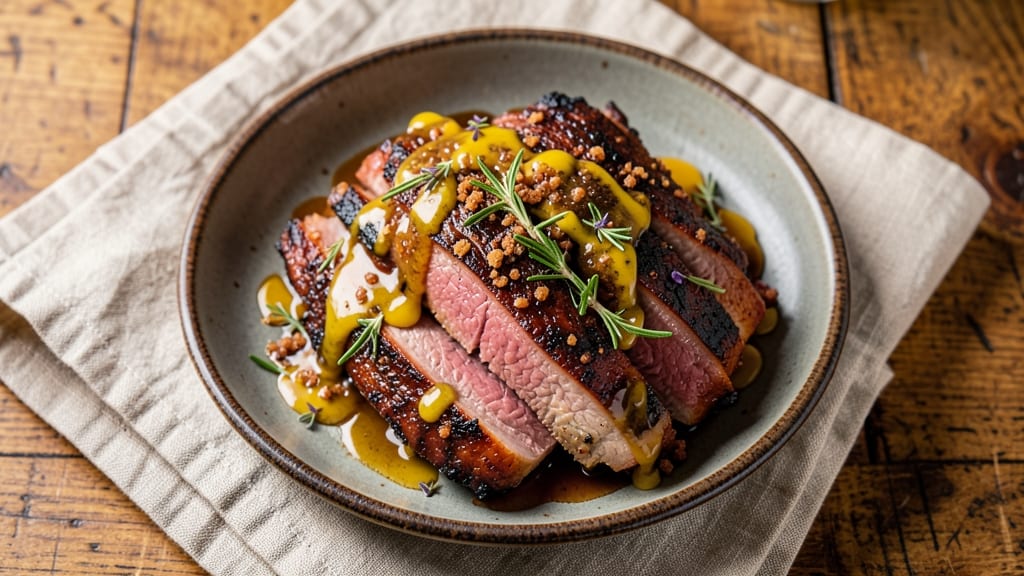
This smoked deer neck roast recipe transforms tough cuts into melt-in-your-mouth perfection through low-and-slow smoking techniques. The result? A dish where gamey richness and smoky depth create an unforgettable flavor profile that elevates any meal.
I’ve perfected this method over years of experimentation, ensuring every bite delivers that ideal balance of tenderness and complexity.
The process begins with a careful marinade and rub that tenderizes the meat while building flavor, followed by precise smoking at 225°F until the internal temperature reaches 195°F. This slow cook transforms connective tissue into silky richness, while the bark develops a deep, caramelized crust.
The key lies in patience—rushing this step ruins the texture, but the reward is worth every minute spent monitoring the smoker.
By the time you slice into this roast, you’ll find perfectly tender meat that falls apart with minimal effort, infused with smoky aromatics and a subtle sweetness from the wood. The aroma alone will draw everyone to the table, promising a dining experience that feels both rustic and refined.
Pair it with roasted root vegetables or a bold red wine to complete the meal.
This recipe isn’t just about technique—it’s about transforming an often-overlooked cut into a showstopping centerpiece. Whether you’re a seasoned smoker or new to the process, these steps ensure professional-quality results without shortcuts. Let’s get started on creating a dish that will impress even the most discerning palates.
Ingredients for smoked deer neck roast
Precision-crafted ingredients transform tough deer neck into melt-in-your-mouth smoky perfection.
| Ingredient | Amount | Notes |
|---|---|---|
| Deer Neck Roast 🦌 | 3 lb | Bone-in, well-marbled cut preferred |
| Yellow Mustard 🍯 | ¼ cup | For marinade adhesion |
| Worcestershire Sauce 🍶 | ¼ cup | High-quality, umami-rich |
| Apple Cider Vinegar 🍎 | ¼ cup | For acidity balance |
| Brown Sugar 🍚 | ½ cup | Light or dark variety |
| Kosher Salt 🧂 | 2 tbsp | Diamond Crystal preferred |
| Black Peppercorns 🌶️ | 1 ½ tbsp | Freshly cracked preferred |
| Garlic Powder 🧄 | 1 tbsp | Not garlic salt |
| Smoked Paprika 🌶️ | 1 tbsp | For deep smoky flavor |
| Ground Cumin 🌿 | 1 tsp | Toasted for depth |
| Fresh Rosemary 🌿 | ¼ cup | Finely chopped, fresh preferred |
| Fresh Thyme 🌿 | ¼ cup | Leaves only, stems removed |
| Hickory Wood Chips 🌳 | 2 cups | Unsoaked, food-grade |
| Cherry Wood Chips 🍒 | 1 cup | For subtle sweetness |
| Beef Broth 🍲 | 1 cup | Low-sodium, for basting |
The deer neck roast is the foundation—bone-in cuts with good marbling yield the best results, as the connective tissue breaks down beautifully during the slow cook. Source your meat from a reputable butcher specializing in game meat; local game processors or high-end grocery stores like Whole Foods often carry quality cuts. If you can't find deer neck, venison shoulder works as a substitute, though the texture will differ slightly. The key is ensuring the meat is well-chilled and vacuum-sealed—never thaw at room temperature, as this promotes bacterial growth. For optimal flavor, marinate the roast overnight, allowing the acids and spices to deeply penetrate the dense muscle fibers.
Substitutions should be made thoughtfully to preserve the dish's balance. While balsamic vinegar can replace apple cider vinegar, it adds a slightly different complexity. For those avoiding sugar, maple syrup or agave nectar can be used at a 1:1 ratio, though it may slightly alter the caramelization. If fresh rosemary or thyme isn't available, dried herbs at one-third the amount work, though the aroma won't be as pronounced. The wood chips are non-negotiable for authentic flavor—avoid pre-soaked chips, as they lose their smoky essence. For a milder smoke profile, reduce hickory to 1 cup and increase cherry to 1.5 cups, though the hickory's boldness is what creates that signature bark. The beef broth should be low-sodium to avoid over-salting the tenderized meat.
Proper storage begins with the marinade—it can be refrigerated for up to 5 days in an airtight container, though flavor peaks within the first 24 hours. The wood chips should be stored in a cool, dry place away from direct sunlight and used within 6 months for optimal smokiness. Once smoked, the roast can be sliced and stored in the refrigerator for 4-5 days or frozen for up to 3 months. For best results, reheat sliced portions in a 350°F oven with a splash of beef broth to restore moisture. The bark, often discarded, can be finely chopped and used as a flavorful garnish for soups or stews, maximizing every bit of this labor-intensive dish.
Why You'll Love This Recipe
- Smoke in Minutes: The deer neck roast goes from fridge to smoker in 15 minutes—no fancy prep, just a quick rub of brown sugar and Worcestershire. Honestly, the hardest part is deciding whether to smoke it low-and-slow or crank it up for faster results.
- Sweet-Savory Magic: That yellow mustard and apple cider vinegar combo? It’s the secret weapon—tangy enough to cut through the richness, sweet enough to caramelize into a sticky, irresistible crust. (Yes, even on a Tuesday night.)
- Leftovers That Shine: Slice the roast thin for sandwiches, shred it into tacos, or toss it into a hearty stew. Between us, I’ve turned last night’s leftovers into today’s lunch without breaking a sweat—proof it’s a meal that gives back.
- Budget-Friendly Luxury: Deer neck is leaner than a ribeye but packs serious flavor, and this recipe stretches every bite. I’ll be real: it’s the kind of dish that makes expensive cuts feel unnecessary—especially when your guests keep asking for seconds.
Step-by-step instructions for smoked deer neck roast
Master this method and you'll transform tough deer neck into fall-apart tender meat with perfect smoky depth.
Prepare the Dry Rub and Marinade
In a large bowl, combine the 0.5 cup brown sugar, 2 tablespoons kosher salt, 1.5 tablespoons cracked black peppercorns, 1 tablespoon garlic powder, 1 tablespoon smoked paprika, 1 teaspoon ground cumin, 0.25 cup finely chopped fresh rosemary, and 0.25 cup fresh thyme leaves. Mix thoroughly until all ingredients are evenly distributed and the herbs are fully incorporated. This dry rub will create the perfect balance of sweet, smoky, and herbal flavors that complement the gamey depth of deer.
In a separate container, whisk together the 0.25 cup yellow mustard, 0.25 cup Worcestershire sauce, and 0.25 cup apple cider vinegar to create the marinade. The mustard helps the seasoning adhere to the meat, while the vinegar tenderizes the fibers and balances the richness. Set both the dry rub and marinade aside for the next step.
Season and Marinate the Deer Neck Roast
Pat the 3 lb deer neck roast dry with paper towels to remove any surface moisture. This step is crucial for achieving a proper bark during smoking. Generously coat the roast with the marinade, ensuring it penetrates any crevices or bone indentations. Then, apply the dry rub evenly over all surfaces, pressing it firmly into the meat so it adheres well.
Place the seasoned roast on a plate or tray and refrigerate for at least 4 hours or up to overnight. This extended marination allows the flavors to deeply penetrate the meat while the acidic components begin breaking down tough connective tissues. For best results, marinate for the full 24 hours—this is where the magic happens for maximum tenderness.
Set Up the Smoker for Low and Slow Cooking
Combine the 2 cups hickory wood chips and 1 cup cherry wood chips in a smoker box or directly in your smoker's wood chip tray. The hickory provides a strong, classic smoke flavor while the cherry adds subtle sweetness that pairs beautifully with the gamey notes. Soak the wood chips if your smoker requires it, but since these are unsoaked food-grade chips, you can use them dry.
Preheat your smoker to 225°F using the prepared wood chips. Maintain this temperature consistently throughout the cook—fluctuations will affect the final texture. When the smoker reaches the target temperature and you see steady, thin blue smoke (not thick white smoke), you're ready to begin smoking. Place the marinated deer neck roast fat-side up on the smoker grate to allow the rendered fat to baste the meat as it cooks.
Smoke the Roast Until Probe-Tender
Smoke the deer neck roast undisturbed for 6-8 hours, maintaining the 225°F temperature. During this time, the collagen in the connective tissues will slowly break down, transforming into gelatin that makes the meat incredibly tender. Every hour, inject the roast with 2-3 ounces of beef broth to keep it moist—this technique, called the "Texas crutch," helps maintain moisture and adds depth of flavor.
Continue smoking until the internal temperature reaches 195-200°F and a meat probe slides in like butter with no resistance. This typically takes 8-10 hours total, but don't rush it—the low and slow process is what creates that melt-in-your-mouth texture. The bark should be dark and crispy, with a beautiful mahogany color indicating proper smoke penetration.
Rest and Slice for Maximum Tenderness
Once the roast reaches the target internal temperature, remove it from the smoker and transfer it to a cutting board. Tent loosely with aluminum foil and let it rest for at least 1 hour (preferably 2 hours) before slicing. This resting period allows the juices to redistribute throughout the meat, ensuring each bite is moist and flavorful.
Slice the deer neck roast against the grain into ¼-inch thick portions. The meat should pull apart easily with just a slight tug, indicating perfect tenderness. Serve immediately with the natural juices spooned over the top. The combination of smoky, sweet, and herbal flavors will complement the rich, gamey depth of the deer, creating a dish that's both rustic and refined.
Pro Tips For Making Smoked Deer Neck Roast
- Trim the Fat First: Deer neck roast has a thick fat cap that can turn greasy if left intact. Use a sharp knife to score the fat in a crosshatch pattern—this renders it faster and keeps your mustard glaze from sliding off. I learned this the hard way when my first attempt ended up with a slick, unappetizing crust.
- Start with Cold Meat: Resist the urge to rush—take your deer neck straight from the fridge and pat it dry. Cold meat sears more evenly and holds its shape better under smoke. I used to warm it up first, and the exterior would cook faster than the center, leaving me with a dry exterior and raw middle.
- Mix the Glaze Early: Combine your yellow mustard, Worcestershire, apple cider vinegar, and brown sugar into a paste before you apply it. This ensures even coating and prevents clumps that can burn or stick. I once slathered it on thick, and half of it ended up as a sticky mess in the smoker.
- Smoke Low and Slow: Deer neck needs patience—aim for 225°F (107°C) and let it cook until it hits 195°F (90°C) internally. The collagen breaks down into gelatin, making it fork-tender. I tried cranking the heat to speed things up, and the result was chewy instead of meltingly tender.
Dietary considerations for smoked deer neck roast
Game Meat Safety
Wild game like deer requires extra care due to potential parasites or bacteria. Always source your meat from a reputable game processor—they inspect for parasites and properly age the meat. Freeze the roast for at least 3 days at 0°F before cooking to kill any parasites like trichinella.
Use a food-grade meat thermometer to confirm 160°F internal temperature before serving, as game meat can harbor different pathogens than domestic livestock. 🦠
Gluten-Free Adaptations
This recipe is naturally gluten-free, but double-check your ingredients. Use gluten-free Worcestershire sauce (like Annie's or Bragg's) and ensure your beef broth contains no wheat additives. The dry rub remains safe as long as you avoid cross-contamination—store spices in airtight containers and use clean utensils.
For extra flavor, add 1 tsp gluten-free tamari to the marinade. 🌾
Low-Sodium Options
The recipe includes 2 tbsp kosher salt, but you can reduce this to 1 tbsp without sacrificing flavor. Replace the Worcestershire sauce with 1 tbsp gluten-free tamari and 1 tbsp apple cider vinegar for umami.
Use low-sodium beef broth and omit the salt entirely from the dry rub, relying instead on smoked paprika and garlic powder for depth. Taste as you go—gamey meat often needs less salt than beef. ⚖️
Vegetarian Substitutes
While deer neck isn’t vegetarian, you can replicate the smoky, tender texture with portobello mushrooms or hearty seitan. Marinate and smoke them using the same rub and wood chips, but reduce cooking time to 3-4 hours at 225°F until fork-tender.
For a protein-rich alternative, try extra-firm tofu injected with marinade and smoked for 2 hours. The bark won’t be identical, but the smoky flavor profile remains. 🌱
Allergen Considerations
This recipe contains mustard and Worcestershire sauce, common allergens. For mustard-free versions, replace with olive oil or apple cider vinegar. If allergies are severe, use a certified gluten-free, soy-free Worcestershire substitute like Lea & Perrins Gluten-Free.
Always check labels on spices and broths—some contain hidden allergens. When in doubt, prepare the dish in a dedicated allergen-free kitchen. 🚫
Keto-Friendly Adjustments
The recipe is already keto-friendly, with no added sugars or carbs. Skip the brown sugar in the dry rub and replace it with 1 tbsp erythritol or monk fruit sweetener for a sugar-free bark.
Use sugar-free Worcestershire sauce (like Cholula’s) and ensure your beef broth is low-carb. The natural fats in deer neck align perfectly with keto principles, making this a low-carb, high-protein powerhouse. 🥩
Nutrition facts
Frequently asked questions
What makes deer neck roast ideal for smoking?
The deer neck's rich connective tissue breaks down beautifully during low-and-slow smoking, creating melt-in-your-mouth tenderness. The fat cap renders slowly, basting the meat naturally while developing that signature smoky bark. This cut transforms what would otherwise be a tough piece into a luxurious, flavorful roast that's perfect for special occasions.
Can I use a different wood for smoking?
The recipe calls for hickory and cherry because their flavors complement deer's gamey richness perfectly. Hickory provides bold smokiness while cherry adds subtle sweetness. For milder smoke, try apple or pecan wood, but avoid fruit woods like cherry if you prefer a more neutral profile. Always use food-grade, unsoaked chips for best results.
How do I know when the roast is done?
Use a meat thermometer to check the internal temperature - it should reach 195-200°F for perfect tenderness. The probe should slide in like butter with no resistance. The bark will be dark mahogany and crispy, while the meat should pull apart easily when sliced against the grain. Never rely on time alone - game meat varies in density.
What's the best way to serve smoked deer neck?
Slice against the grain into ¼-inch thick portions and serve with natural juices spooned over the top. Pair with roasted root vegetables, mashed potatoes, or a bold red wine like Cabernet Sauvignon. The rich, smoky flavors work beautifully with hearty sides that can stand up to the gamey depth.
Can I make this ahead of time?
Smoke the roast up to 2 days ahead and refrigerate it tightly wrapped. Reheat sliced portions in a 350°F oven with beef broth for 10-15 minutes until warmed through. For best texture, avoid reheating the whole roast - slice first, then reheat. The flavors actually improve overnight as they meld together.