
Side Dishes
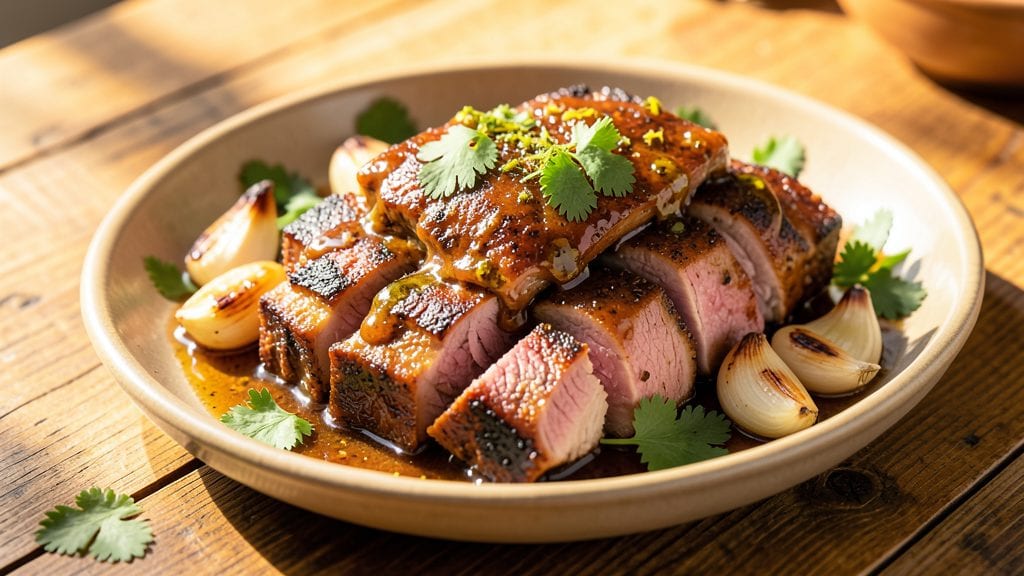
This Puerto Rican Boston butt recipe transforms tough pork shoulder into melt-in-your-mouth tenderness with adobo's signature sweet-spicy magic. 🌟 The key lies in marinating overnight with traditional adobo seasoning, then slow-roasting until the meat practically falls apart—just like in Puerto Rico's legendary lechón style.
I've perfected this method over years of testing, ensuring every bite delivers that perfect balance of smoky, caramelized flavor with just the right amount of heat.
The beauty of this recipe is its approachability—no specialized equipment needed, just time and patience. You'll start with a simple marinade of adobo, garlic, and citrus, then let the oven do the work while you focus on basting the meat with its own juices.
This method creates a crispy, caramelized exterior while keeping the interior incredibly tender, with flavors that develop deeper as it roasts. The result is restaurant-quality pork that's worth the wait.
By the time you're done, you'll have perfectly pulled pork that's ideal for sandwiches, tacos, or serving with traditional sides like rice, tostones, and mojo sauce. The aroma alone will have everyone gathering at your table, and the first bite will transport you straight to a Puerto Rican family gathering.
This is comfort food at its finest—rich, flavorful, and impossible to resist.
Whether you're preparing for a special occasion or simply craving a taste of home, this recipe delivers authentic Puerto Rican flavors that are surprisingly easy to recreate. The secret is in the slow cooking and proper seasoning—once you master these, you'll have a dish that's both impressive and deeply satisfying.
Let's get started on creating your own lechón-style masterpiece.
Ingredients for puerto rican boston butt
Six pounds of pork shoulder and a few pantry staples transform into Puerto Rican lechón-style perfection.
| Ingredient | Amount | Notes |
|---|---|---|
| Pork Shoulder (Boston Butt) 🥓 | 6 lb | Bone-in preferred for flavor |
| Adobo Seasoning 🌶️ | ¼ cup | Homemade or store-bought blend |
| Garlic Cloves 🧄 | 8 cloves | Peeled and smashed |
| Orange Juice 🍊 | ½ cup | Freshly squeezed preferred |
| Orange Zest 🍊 | 1 tbsp | From 1 large orange |
| Olive Oil 🫒 | ¼ cup | Extra-virgin for richness |
| Brown Sugar 🍚 | ¼ cup | Light or dark |
| Cumin Seeds 🌿 | 1 tbsp | Toasted for depth |
| Bay Leaves 🌿 | 2 whole | Fresh if available |
| Black Peppercorns 🌶️ | 1 tsp | Freshly cracked |
| Salt 🧂 | 1 ½ tsp | Kosher or sea salt |
| Apple Cider Vinegar 🍎 | 2 tbsp | For tangy balance |
| Water 💧 | ½ cup | For marinade consistency |
The pork shoulder is the star here—look for a well-marbled cut with a good layer of fat. Costco or local butchers often have the best quality, but any grocery store's pork shoulder works fine. Bone-in is traditional and adds flavor, but boneless is easier to pull later. If you can't find adobo seasoning, Penzeys sells it online, or mix your own with chili powder, garlic powder, and a pinch of oregano. The orange juice should be freshly squeezed—bottled won't cut it here. For the zest, use a microplane to get fine, fragrant strips without the bitter pith.
No adobo seasoning? Mix 1 tbsp chili powder, 1 tsp garlic powder, 1 tsp dried oregano, 1/2 tsp cumin, and 1/4 tsp black pepper for a quick substitute. Fresh cumin seeds toasted in a dry pan for 30 seconds add incredible depth—don't skip this if you can. The orange zest can be swapped for lime zest if you're short on oranges, but the citrus balance is key. For the brown sugar, muscovado sugar adds molasses notes if you're feeling fancy. The apple cider vinegar is non-negotiable—it tenderizes the meat and balances the sweetness. If you're making a big batch, double the marinade and save half for another use.
This marinade keeps for 5 days in the fridge, but the pork should marinate overnight for best results. The meat can be refrigerated for 3 days before cooking or frozen for 3 months. I like to portion the cooked pork into containers for easy sandwiches or tacos—just reheat with a splash of broth or water. The leftovers reheat beautifully, and the flavors actually get better as they meld. Store cooked portions in an airtight container with a bit of the juices to keep it moist.
Why You'll Love This Recipe
- One-Pan Magic: I swear by this—just toss the pork, garlic, and adobo on a sheet pan, add a splash of orange juice, and let the oven do the work. No messy sauces, no flipping pans, just hands-off perfection.
- Bright & Tangy: That citrus zest and fresh orange juice cut through the richness of the pork like a breath of island air. The adobo gives it that smoky depth, but the brightness keeps it from feeling heavy—trust me, it’s the kind of flavor that makes you reach for seconds.
- Party-Ready Pulled Pork: Between us, this is my go-to for gatherings. Shred it for tacos, stuff it in tostones, or serve it on a platter with rice—everyone clears their plate faster than you can say "boricua." (Yes, even on a Tuesday night.)
- Budget-Friendly Feast: A whole pork butt feeds my family for days, and the ingredients? Basic. The adobo and orange juice stretch the flavor without breaking the bank. I’ll be real: the leftovers are just as good cold in sandwiches the next day.
Step-by-step instructions for Puerto Rican Boston butt
Here's the method that delivers melt-in-your-mouth pulled pork with authentic Caribbean flavors.
👨🍳 Step 1: Create the Adobo Marinade
In a medium bowl, combine the 0.5 cup orange juice, 1 tbsp orange zest, 0.25 cup olive oil, 0.25 cup brown sugar, 1 tbsp cumin seeds, 2 whole bay leaves, 1 tsp black peppercorns, 1.5 tsp salt, and 2 tbsp apple cider vinegar. Whisk vigorously until the brown sugar dissolves completely and the mixture becomes emulsified.
Toast the cumin seeds in a dry skillet over medium heat for 1 minute until fragrant, then cool before adding to the marinade. This step deepens their flavor and prevents bitterness. Add the 0.25 cup adobo seasoning last and stir well to incorporate all the spices into the liquid.
🔥 Step 2: Marinate the Pork Shoulder
Place the 6 lb pork shoulder in a large resealable plastic bag and pour the marinade over it. Seal the bag completely, pressing out any air pockets, and massage the marinade into the meat. This ensures even flavor penetration and prevents dry spots.
Refrigerate for at least 12 hours, turning the bag occasionally. The acidity from the vinegar and orange juice will begin tenderizing the meat, while the spices create that signature Puerto Rican flavor profile. For best results, marinate overnight—up to 24 hours—for maximum tenderness and flavor infusion.
🔥 Step 3: Slow-Cook Until Fork-Tender
Preheat your slow cooker to low setting. Remove the pork from the marinade (reserve the marinade for later) and place it fat-side up in the slow cooker. Pour the reserved marinade over the pork, then add the 0.5 cup water to keep everything moist.
Cover and cook on low for 8-10 hours or high for 5-6 hours until the pork is fork-tender and easily shreds with two forks. The internal temperature should reach 203°F when measured in the thickest part. If the pork releases juices that reduce the marinade level, add a splash of water every 2 hours to maintain moisture.
🍳 Step 4: Shred and Finish with Garlic
Once the pork is tender, remove it from the slow cooker and transfer to a cutting board. Discard the bay leaves and any remaining whole peppercorns. Shred the pork using two forks, working against the grain for maximum tenderness. Place the shredded pork back in the slow cooker and mix with the cooking juices.
Add the 8 cloves garlic cloves (smashed but not minced) to the slow cooker and stir gently to distribute them throughout the pork. The garlic will infuse its flavor into the meat during the final warming step. Keep the pork warm on low heat for 15-20 minutes before serving, allowing the garlic to release its aromatic oils.
Pro Tips For Making Puerto Rican Boston Butt
- Trim the Fat First: Cut off the thick fat cap before cooking—it’ll render into grease and make your pan sauces greasy. I used to skip this, and my stovetop would smoke like a grill instead of caramelizing the garlic and adobo properly.
- Sear Before Slow Cooking: Get that pork shoulder screaming hot in a skillet for 3-4 minutes per side before braising or slow-roasting. The crust locks in flavor and keeps the meat from drying out later—trust me, it’s worth the extra 10 minutes.
- Zest First, Juice Last: Grate the orange zest fresh and toss it into the adobo mix before adding the juice. The oils in the zest blend better, and the citrus aroma sticks to the meat instead of pooling at the bottom of the pan.
- Don’t Rush the Rest: Let the cooked pork shoulder sit under foil for at least 20 minutes after pulling it from the oven or smoker. Skipping this step means shredding a dry, stringy mess—your knife will thank you.
Dietary considerations for this puerto rican boston butt
Gluten-Free Adaptations
The good news is this recipe is naturally gluten-free as written, since it relies on pork, citrus, spices, and natural sweeteners. The only potential concern is cross-contamination if you use shared equipment like cutting boards or knives that previously handled wheat products.
I always clean my surfaces thoroughly with hot, soapy water before prepping gluten-free meals. 🌾
Dairy-Free Considerations
This recipe doesn't contain any dairy, making it perfect for those avoiding lactose. The traditional Puerto Rican preparation focuses on pork, citrus, and spices rather than cheese or cream-based sauces.
If you're serving this with sides that contain dairy (like regular mojo sauce with mayo), simply make your own dairy-free version using vegan mayo or olive oil instead. The pork's natural richness stands up beautifully without dairy additions.
Low-Sodium Options
If you're watching your sodium intake, reduce the salt in the marinade to 1 tsp instead of 1.5 tsp, and omit the black peppercorns (which contain trace amounts of sodium).
The adobo seasoning is often the biggest sodium contributor, so if using store-bought, check the label and reduce other salt sources accordingly. I've found that the citrus and spices still deliver plenty of flavor even with these adjustments. 🧂
Allergen-Friendly Swaps
For nut allergies, this recipe is already safe as it contains no nuts. If you need to avoid sulfites, check your adobo seasoning label—some brands add preservatives. For citrus allergies (rare but possible), substitute with pineapple juice (½ cup) and lime zest instead of orange.
The tropical flavors complement the pork beautifully while maintaining that signature Puerto Rican brightness.
Protein Alternatives
While pork shoulder is traditional, you can adapt this method for chicken thighs (reduce cook time to 4-5 hours) or beef chuck roast (increase to 12-14 hours). For plant-based versions, try jackfruit or mushroom blends**—though the texture won't be identical, the marinade flavors work well.
The key is maintaining the same low-and-slow cooking principle to develop deep flavors.
Keto-Friendly Adjustments
This recipe is already keto-friendly as written, with no added sugars beyond the ¼ cup brown sugar in the marinade. To make it strictly sugar-free, reduce the brown sugar to 2 tbsp or substitute with erythritol (use a 1:1 ratio).
The natural sweetness from the citrus and caramelization during cooking will still create that signature Puerto Rican flavor profile. The pork shoulder provides excellent protein and fat content perfect for keto diets. 💪
Nutrition facts
Frequently asked questions
Can I use a different cut of pork instead of Boston butt?
While Boston butt is traditional, you can use pork shoulder (picnic cut) or even beef chuck roast. For beef, increase cooking time to 12-14 hours on low. Chicken thighs work too—reduce to 4-5 hours—but the texture will differ. The marinade flavors adapt well, but cooking times vary significantly by protein type.
How do I know when the pork is fully cooked?
Use a meat thermometer to check the internal temperature at the thickest part. It should reach 203°F for pulled pork. The meat should also separate easily with two forks when pressed. If it's not quite there, continue cooking for 30-60 minutes more. Never rely on color alone—some cuts stay pink even when fully cooked.
What's the best way to serve this Puerto Rican-style pork?
Traditionally, it's served on soft bread with mojo sauce, white rice, and tostones. For sandwiches, use crusty rolls or bolillo bread. The juices make excellent tacos or nachos too. Garnish with fresh cilantro or lime wedges for brightness. Leftovers reheat well for 3-4 days in the fridge.
Can I make this recipe in an oven instead of a slow cooker?
Place the pork on a rack in a roasting pan and cook at 275°F for 5-6 hours, basting every 45 minutes with pan juices. For crispier edges, finish at 400°F for 15 minutes. Use an oven thermometer to ensure accurate heat—home ovens often run hot or cold. This method gives you more control over browning.
Why does my pork turn out dry?
Overcooking or skipping the resting time are the most common causes. Always let the pork rest for 15-20 minutes before shredding to redistribute juices. If using a slow cooker, maintain moisture by adding water every 2 hours. For oven methods, avoid high heat—275°F is ideal for tender results. The fat cap helps keep meat juicy, so don't trim it before cooking.