
Sauces & Condiments
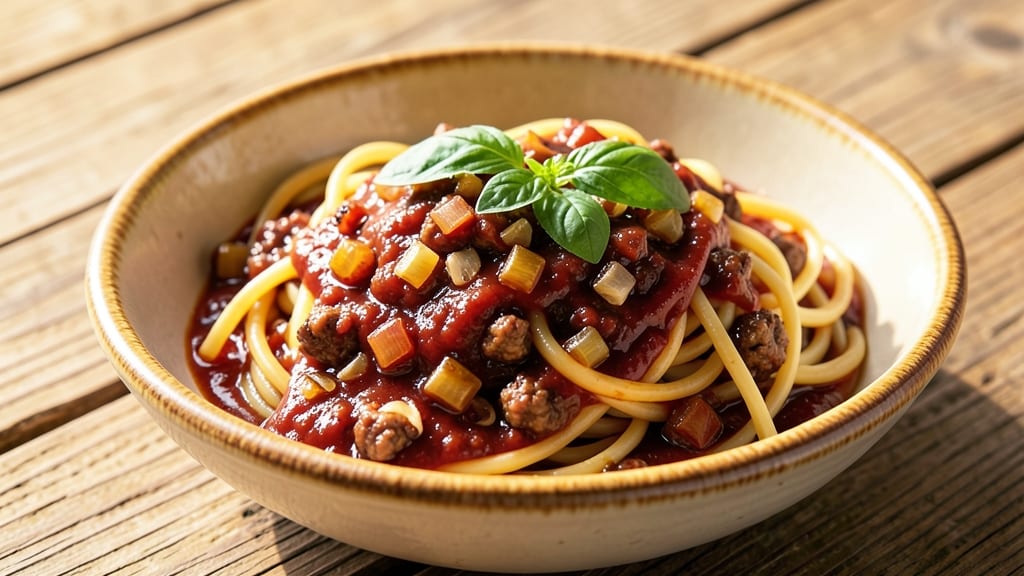
This Pioneer Woman spaghetti sauce recipe delivers restaurant-quality depth with just a handful of pantry staples and a slow simmer that builds layers of umami.
The secret lies in caramelizing onions and garlic until they're deep golden, then letting tomatoes break down over hours to create a sauce so flavorful it transforms simple pasta into a meal.
I've perfected this version through years of family dinners—it's the kind of sauce that disappears faster than you can say "second helping."
What makes this sauce special is its flexibility—build it with ground beef for heartiness, mushrooms for earthiness, or keep it vegetarian with just tomatoes and herbs.
The slow cooking process develops complex flavors that jarred sauces can't match, while the optional blend at the end creates a silky texture that coats every noodle. This isn't just spaghetti sauce; it's the kind that makes people ask for your recipe.
By the time you're done, you'll have a rich, aromatic sauce with concentrated tomato flavor, tender meat (if using), and herbs that brighten every bite. The best part? It tastes even better the next day, making it perfect for meal prep or freezing for future pasta nights.
This is the sauce that turns weeknight dinners into something special without requiring fancy ingredients.
Whether you're feeding a crowd or saving leftovers for lunch, this recipe delivers consistent results every time. The technique is simple but the flavor payoff is enormous—deep, savory, and satisfying in every spoonful. Let's get cooking with this Pioneer Woman classic that's become a staple in my kitchen.
Ingredients for pioneer woman spaghetti sauce
Pantry staples that transform into restaurant-quality spaghetti sauce with just time and patience.
| Ingredient | Amount | Notes |
|---|---|---|
| Extra-Virgin Olive Oil 🫒 | ½ cup | High quality, fruity |
| Yellow Onions 🧅 | 2 whole | Medium size, diced |
| Garlic Cloves 🧄 | 6 cloves | Peeled, finely chopped |
| Ground Beef 🥩 | 1 lb | 80/20 fat ratio preferred |
| Canned San Marzano Tomatoes 🍅 | 28 oz | Crushed or whole, no salt added |
| Tomato Paste 🍅 | ½ cup | No salt added |
| Dried Basil 🌿 | 1 tbsp | Or 0.25 cup fresh |
| Dried Oregano 🍃 | 1 tsp | Mexican oregano preferred |
| Red Wine 🍷 | ½ cup | Bold, dry variety |
| Beef Broth 💧 | 1 cup | Low sodium preferred |
| Salt 🧂 | 1 ½ tsp | Kosher or sea salt |
| Black Pepper 🌶️ | ½ tsp | Freshly ground preferred |
| Sugar 🍬 | 1 tsp | Balances acidity |
| Heavy Cream 🥛 | ¼ cup | Full-fat for richness |
The onions and garlic are your flavor foundation—caramelizing them until deep golden gives that sweet, rich base. Yellow onions work best (reds get bitter), and I always grab the organic bunch at Trader Joe's since they're sweeter. Garlic? Fresh is non-negotiable—jarred loses punch. For the beef, 80/20 fat ratio is key—it adds moisture and flavor. If you're skipping meat, cremini mushrooms make a great substitute. The tomatoes? San Marzano is the gold standard, but any no-salt-added crushed tomatoes work in a pinch.
No red wine? Beef broth plus 1 tbsp balsamic vinegar mimics the depth. Fresh basil is ideal but dried works at one-third the amount. The tomato paste can be that squeeze tube from Trader Joe's—no waste, lasts forever. If your sauce tastes too acidic, add the sugar. For a smoother texture, blend half the sauce before mixing back in. I always make extra—freezes perfectly for 3 months—so I double the tomatoes and beef when I batch this.
This sauce tastes even better the next day once all the flavors meld. Store in airtight containers in the fridge for 5-7 days. For freezing, portion into ziplock bags with a little extra oil on top to prevent freezer burn. Thaw overnight in the fridge—never microwave directly. The cream at the end is optional but makes it silky. I drizzle it in last minute so it doesn't curdle. Portion into jars for easy leftovers—one jar per meal makes lunches effortless.
Why You'll Love This Recipe
- One-Pot Magic: I swear by this recipe for lazy nights—just brown the beef, toss in the onions and garlic, then dump in the San Marzano tomatoes. No extra pans, no fuss, and honestly? That first spoonful of sauce right out of the pot is worth every second.
- San Marzano Secret: Between us, the canned tomatoes make all the difference. Sweet, meaty, and no bitterness—just rich, velvety depth. Brown the beef first, and you get this caramelized crust that melts into the sauce like a hug.
- Meal Prep MVP: This sauce doubles as my freezer’s best friend. Make a big batch on Sunday, freeze half, and pull it out for quick weeknight dinners. (Yes, even on a Tuesday night when you’re exhausted and just want pasta.)
- Budget-Friendly Powerhouse: Ground beef and canned tomatoes stretch for miles. I’ll be real: my grocery budget thanks me every month. Plus, the olive oil and garlic add just enough luxury to feel like you splurged—without the price tag.
Step-by-step instructions for slow-simmered umami spaghetti sauce
This sauce builds rich, layered flavor through patience and simple techniques—no fancy ingredients, just bold results.
Sauté Onions and Garlic Until Translucent
Heat the 0.5 cup extra-virgin olive oil in a large Dutch oven over medium heat. Add the 2 whole yellow onions, diced into ¼-inch pieces, and cook for 8-10 minutes until completely soft and golden. You'll see them turn from pale to a rich amber color—this is when they release their sweetness.
Push the onions to the sides of the pot and add the 6 cloves garlic cloves, minced. Cook for 30-45 seconds until fragrant but not browned—garlic burns fast, and you want flavor, not bitterness. Here's the thing: don't walk away. Stir constantly until you smell that sweet, nutty aroma.
Brown the Ground Beef Thoroughly
Add the 1 lb ground beef to the pot, breaking it apart with a wooden spoon. Cook over medium-high heat for 6-8 minutes, stirring occasionally, until the meat loses its raw color and turns deep brown. This step is crucial—it develops the meaty depth that makes the sauce so satisfying.
Use a slotted spoon to remove the beef, leaving the rendered fat behind. Set the beef aside temporarily—you'll add it back later. The fat in the pot will become the foundation for your sauce, so don't drain it. If it starts smoking, reduce the heat slightly to prevent burning.
Build the Sauce Base with Tomatoes and Wine
Return the pot to medium heat and add the 0.5 cup tomato paste, stirring to coat the bottom and dissolve completely. This thickens the sauce and adds concentrated tomato flavor. Pour in the 0.5 cup red wine, scraping up any browned bits from the bottom of the pot with a wooden spoon—these bits are pure flavor.
Add the 28 oz canned San Marzano tomatoes (crushed or whole), 1 cup beef broth, 1 tbsp dried basil, 1 tsp dried oregano, 1.5 tsp salt, 0.5 tsp black pepper, and 1 tsp sugar. Stir everything together, then bring to a gentle simmer. The sugar balances the acidity of the tomatoes, while the herbs and spices wake up the flavors.
Slow-Simmer for Deep Flavor Development
Return the browned ground beef to the pot and stir to combine. Reduce the heat to low and let the sauce simmer uncovered for 45-60 minutes, stirring occasionally. This slow cooking allows the flavors to meld and deepen—you'll notice the sauce thickens and darkens as it reduces. Here's where patience pays off: resist the urge to rush it.
After 45 minutes, taste the sauce and adjust the seasoning if needed. If it's too acidic, add a pinch more sugar. If it needs more depth, a splash of beef broth or a pinch of salt will help. The sauce should coat the back of a spoon and have a rich, velvety texture.
Finish with Cream and Serve
Stir in the 0.25 cup heavy cream and simmer for an additional 5-7 minutes until the sauce is smooth and slightly thickened. The cream adds a luxurious finish and balances the acidity of the tomatoes. Taste one last time and adjust the seasoning if necessary—this is your chance to perfect it.
Serve the sauce immediately over al dente spaghetti, garnished with fresh basil if you like. The sauce will continue to thicken as it sits, so don't worry if it looks a little loose when you first serve it. Each spoonful should be packed with umami, sweetness, and hearty meaty flavor—proof that slow cooking transforms simple ingredients into something extraordinary.
Pro Tips For Making Pioneer Woman Spaghetti Sauce
- CRUSH THE ONIONS: I learned this the hard way—don’t just chop those onions into random pieces. For this sauce, slice them paper-thin and separate the rings. They’ll caramelize faster and sweeten the whole dish without turning it mushy. (Yes, even if you’re impatient like me.)
- BROWN THE BEEF LOW AND SLOW: Skip the high-heat sear unless you want dry, rubbery meat. Instead, cook the ground beef on medium-low, breaking it apart with a wooden spoon until it’s just browned—not crispy. You’re building flavor here, not frying a patty.
- SIMMER THE TOMATOES UNTIL THICK: After adding the San Marzano tomatoes, resist the urge to rush. Let the sauce bubble gently for at least 20 minutes, uncovered, until it reduces by about a third. That’s when the sugar in the tomatoes caramelizes and the acid mellows—no shortcut will give you the same depth.
- SAVOR THE GARLIC: Don’t just minced garlic and toss it in. For this recipe, smash the cloves with the flat side of your knife first, then finely chop them. The released juices will infuse the oil and onions, giving the sauce a richer, more aromatic base. (I was skeptical until I tried it.)
Common mistakes when making your pioneer woman spaghetti sauce
Skipping the Sauté
One of the biggest mistakes is rushing the onion and garlic step. Skipping the 8-10 minute caramelization leaves your sauce bland and one-dimensional. The onions need to turn deep golden to develop their natural sweetness, which becomes the flavor base.
I’ve seen people add garlic right after onions and then complain about bitter sauce—don’t be that person! 🧅
Undercooking the Meat
If you don’t brown the ground beef thoroughly, your sauce will taste raw and metallic. The beef should be deep brown (almost black in spots) before removing it.
This step builds the rich, meaty depth that makes the sauce so satisfying. Skimping here means sacrificing flavor—trust me, your taste buds will notice. 🥩
Adding Liquid Too Early
Dumping all the tomatoes, broth, and wine into the pot before the onions and garlic are fully cooked dilutes their flavors. Let those aromatics develop their sweetness first, then add liquids.
I’ve ruined sauces by adding broth too soon—it steams instead of caramelizes, leaving a watery, weak sauce. Patience is key here! 💧
Ignoring the Simmer Time
Rushing the 45-60 minute simmer is a common mistake. This step allows the flavors to meld and deepen, creating that restaurant-quality depth. If you walk away after 20 minutes, your sauce will taste flat and underdeveloped.
Set a timer and let it work its magic—you’ll be rewarded with layers of umami you can’t achieve any other way. ⏳
Overblending the Sauce
While blending half the sauce creates a silky texture, overdoing it turns your sauce into a smoothie. The goal is a chunky, hearty texture with visible meat and tomato pieces. If you blend everything, you lose the satisfying mouthfeel that makes this sauce special.
Use an immersion blender for control—just a few pulses to smooth out lumps, not a puree. 🍲
Forgetting to Taste Along the Way
Many people only taste the sauce at the very end, missing chances to adjust seasoning. Taste after 30 minutes of simmering and again at 45 minutes. If it’s too acidic, add a pinch of sugar.
If it’s bland, a splash of broth or extra salt helps. This sauce is forgiving, but small adjustments make a big difference in the final result. 💡
Nutrition facts
Frequently asked questions about homemade spaghetti sauce
Can I make this sauce without meat?
Swap the 1 lb ground beef for 1 lb mushrooms (cremini or portobello) or 1 can white beans for protein. For a vegetarian version, use 1 lb lentils or 1 can chickpeas. Just brown the mushrooms first to develop their flavor—this step is crucial for depth. The sauce will still be hearty and rich, just plant-based!
How do I adjust the thickness of the sauce?
If your sauce is too thin, simmer it uncovered for 10-15 extra minutes to reduce. For a thicker texture, blend half the sauce first, then stir it back in. If it's too thick, add 1-2 tbsp beef broth or water at a time, stirring well after each addition. The sauce will thicken as it cools, so don't worry if it looks loose when hot.
Can I make this sauce in a slow cooker?
Yes! Follow the same steps for sautéing onions and garlic, then transfer everything to a 6-quart slow cooker. Cook on low for 6-8 hours or high for 3-4 hours, stirring occasionally. The slow cooker's gentle heat enhances the flavors even more. Just remember to add the heavy cream at the end and simmer for 5 minutes to prevent curdling.
What's the best way to store leftovers?
Transfer the sauce to airtight containers and refrigerate for up to 5-7 days. For freezing, portion into ziplock bags or glass jars, leaving ½-inch headspace to prevent cracking. Label with the date and freeze for up to 3 months. Thaw overnight in the fridge—never microwave directly. The sauce tastes even better the next day!
Why does my sauce taste too acidic?
Tomatoes can be naturally acidic, especially if not balanced properly. If your sauce tastes sharp, add ½ tsp sugar or 1 tsp honey to sweeten it. Simmer for 5 minutes to let the flavors meld. For extra depth, stir in 1 tsp tomato paste or a pinch of balsamic vinegar. Taste as you go—small adjustments make a big difference!