
Soups & Stews
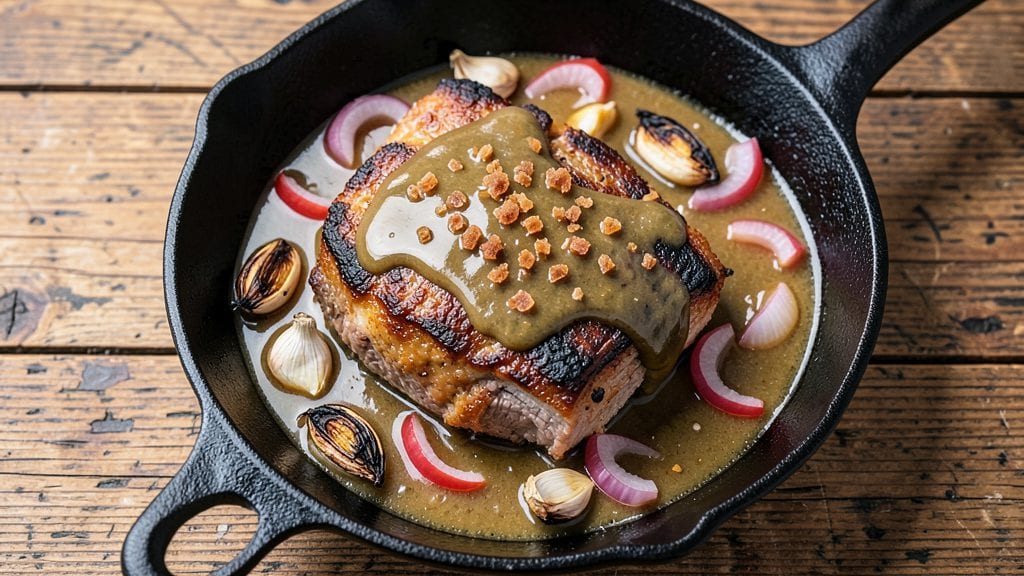
Transforming a simple brisket into a deeply flavorful centerpiece requires just one unexpected ingredient: Lipton onion soup mix. This complete dish recipe delivers restaurant-quality richness using pantry staples, with the soup mix working magic during marinating and slow braising.
The result? A brisket so tender it falls apart with every forkful, infused with caramelized onion depth that elevates every bite.
What makes this recipe stand out is its simplicity—no fancy techniques, just a foolproof method that transforms tough brisket into melt-in-your-mouth perfection. The onion soup mix isn’t just a flavor enhancer; it’s the backbone of a savory marinade that tenderizes the meat while building layers of umami.
Slow-cooked until fork-tender, this brisket pairs beautifully with classic sides like creamy mashed potatoes or crusty bread to soak up every last bit of that rich, oniony gravy.
The secret lies in balancing the soup mix with spices and slow cooking. The brisket develops a deep, caramelized crust while staying juicy inside, creating a texture that’s impossible to resist.
This isn’t just comfort food—it’s a professional-quality dish that feels like a labor of love, even though it’s designed for weeknight dinners. The aroma alone will have everyone gathering around the table before the timer even goes off.
Serve this brisket as the centerpiece of a cozy meal, knowing every bite delivers that perfect harmony of savory, sweet, and umami. The leftovers reheat beautifully, making it ideal for meal prep or feeding a crowd.
Here’s how to make it—step by step—for brisket that tastes like it came from a pitmaster’s kitchen.
Ingredients for lipton onion soup brisket
Sixteen ingredients transform tough brisket into melt-in-your-mouth perfection using Lipton's onion magic.
| Ingredient | Amount | Notes |
|---|---|---|
| Beef Brisket 🥩 | 4 lb | Flat cut, 1-inch thick, trimmed |
| Lipton Onion Soup Mix 🧂 | 2 tbsp | Granulated, not instant |
| Brown Sugar 🍯 | ½ cup | Light or dark, packed |
| Apple Cider Vinegar 🍎 | ¼ cup | Not white vinegar |
| Garlic Cloves 🧄 | 6 cloves | Peeled, smashed |
| Yellow Onion 🧅 | 1 whole | Medium size, sliced |
| Beef Broth 💧 | 2 cups | Low-sodium, homemade preferred |
| Black Coffee ☕ | 1 cup | Brewed, room temperature |
| Worcestershire Sauce 🍶 | 2 tbsp | Full-strength, not reduced |
| Smoked Paprika 🌶️ | 1 tbsp | Not sweet paprika |
| Ground Black Pepper 🌶️ | 1 tsp | Freshly cracked |
| Kosher Salt 🧂 | 1 ½ tbsp | Coarse grain preferred |
| Olive Oil 🫒 | 2 tbsp | Extra-virgin, for searing |
| Fresh Thyme Leaves 🌿 | ¼ cup | Chopped, stems removed |
The brisket is the star here, and flat cuts work best for even cooking. Look for well-marbled pieces with a thick fat cap—this keeps the meat juicy during the long braise. Costco and Whole Foods often carry high-quality briskets, but your local butcher can trim it to your exact preference. If you can't find a 4-pound flat, a 3-pound flat with an extra pound of point cut works too. The Lipton onion soup mix? Grab the granulated version—it dissolves better in the marinade. Store it in a cool, dark place; opened packages last about 6 months.
No Lipton onion soup mix? Homemade substitute works: blend 1 tbsp onion powder, 1 tsp garlic powder, 1 tsp sugar, 1/2 tsp salt, and 1/4 tsp MSG. Short on brown sugar? Maple syrup or honey in equal amounts adds moisture but changes flavor slightly. The apple cider vinegar is key for tenderizing—white vinegar or lemon juice won't cut it here. Fresh thyme is ideal, but dried thyme at one-third the amount works in a pinch. For the beef broth, low-sodium is critical—you don't want to over-salt the brisket.
This brisket tastes even better the next day, so make extra. Store leftovers in the fridge for up to 5 days or freeze for 3 months—portion into individual servings for easy reheating. The marinade and braising liquid can be made ahead and stored in the fridge for 2 days. When reheating, add a splash of water or broth to prevent drying. The caramelized crust? Worth the extra 10 minutes in the oven—it's the secret to that restaurant-quality finish.
Why You'll Love This Recipe
- I’ll be real: this is my go-to for lazy Mondays, potlucks, or when I need to feed a crowd without stress. The leftovers reheat like a dream (yes, even the next day), and it’s the kind of dish that tastes better the second time around.
- One-Pan Magic: Honestly, I swear by this recipe because it’s all in one dish—no chopping, no fussing, just brisket, a sprinkle of onion soup mix, and a splash of vinegar. The slow cooker does the heavy lifting while I sip my coffee, and by dinner, it’s fall-apart tender.
- Sweet-Savory Bomb: Between us, the brown sugar and apple cider vinegar combo is chef’s kiss—caramelized edges, tangy bite, and that deep umami from the onion soup mix. It’s rich but not heavy, and my kids actually finish their veggies because the brisket’s so good.
- Game for Any Night: I’ll be real: this is my go-to for lazy Mondays, potlucks, or when I need to feed a crowd without stress. The leftovers reheat like a dream (yes, even the next day), and it’s the kind of dish that tastes better the second time around.
Step-by-step instructions for Lipton onion soup brisket recipe
Transform simple pantry staples into a deeply flavorful brisket using this reliable slow-braising method.
Sear the Brisket for Deep Flavor
Heat a heavy Dutch oven over medium-high heat until hot. Add the 2 tablespoons olive oil and swirl to coat the bottom evenly. Place the 4 lb beef brisket fat-side down and sear for 8-10 minutes, pressing gently with a metal spatula to render fat and develop a deep brown crust. Flip and sear the other side for another 5-6 minutes until both sides are richly colored.
I press down gently during the first minute to prevent curling—this ensures even contact with the pan. Remove the brisket and set it aside on a plate. The pan should now have a layer of caramelized fond at the bottom, which will dissolve into the sauce later. Don't wipe out the pan; those browned bits are pure flavor.
Build the Aromatic Base
In the same Dutch oven, add the 1 whole yellow onion (sliced) and 6 cloves garlic (smashed). Cook over medium heat for 5-6 minutes until the onions soften and the garlic becomes fragrant. Stir occasionally to prevent burning, especially the garlic which can scorch quickly.
Sprinkle in the 1 tablespoon smoked paprika and stir for 30 seconds to toast the spices. This step deepens their flavor through gentle toasting. Add the 2 tablespoons Lipton onion soup mix and stir for another 30 seconds until fully incorporated. The mix will bloom and release its savory aromatics into the pan.
Deglaze and Combine Wet Ingredients
Pour in the 0.25 cup apple cider vinegar and scrape up all the browned bits from the bottom of the pan with a wooden spoon. This deglazing step captures all the concentrated flavors that would otherwise stick to the bottom. Let the mixture simmer for 2-3 minutes until the vinegar reduces slightly and the liquid thickens.
Add the 0.5 cup brown sugar, stirring until it dissolves completely. This creates a subtle caramelization that balances the acidity from the vinegar. Pour in the 2 cups beef broth and 1 cup black coffee, scraping the bottom again to incorporate any remaining fond. Bring the mixture to a gentle simmer, then reduce heat to low.
Braise the Brisket Low and Slow
Return the seared brisket to the Dutch oven, fat-side up. Add the 2 tablespoons Worcestershire sauce and 1.5 tablespoons kosher salt. The salt should be distributed evenly over the brisket and throughout the braising liquid. Cover the pot tightly with a lid and transfer to a preheated 300°F oven.
Braise for 3-4 hours, checking occasionally to ensure there's always some liquid in the pot. If it reduces too much, add a splash of water or broth. The brisket is done when it reaches an internal temperature of 200-205°F and can be easily pierced with a fork. The meat should pull apart with gentle pressure, indicating perfect tenderness.
Finish with Fresh Herbs and Rest
Remove the brisket from the oven and transfer it to a cutting board. Tent loosely with aluminum foil and let it rest for at least 30 minutes. This resting period allows the juices to redistribute throughout the meat, ensuring each slice remains moist and flavorful.
While the brisket rests, skim any excess fat from the braising liquid and stir in the 0.25 cup chopped fresh thyme leaves. Taste and adjust seasoning with additional salt or pepper if needed. The sauce should be rich, slightly tangy from the vinegar, and deeply savory from the onion soup mix and coffee.
Slice the brisket against the grain into ¼-inch thick pieces and serve with the reduced braising sauce spooned over the top. Each bite should deliver tender, flavorful meat with a perfect balance of sweet, smoky, and tangy notes from the braising liquid.
Pro Tips For Making Lipton Onion Soup Brisket
- CRANK THE HEAT FIRST: The Lipton mix loves a hot start—sear your brisket in a dry skillet over medium-high heat for 3-4 minutes per side before adding liquids. This isn’t just browning; it’s the foundation of flavor, and skipping it means your soup will taste like it’s missing something.
- STIR THE MIX DRY: Before adding water or broth, sprinkle the onion soup mix over the skillet and stir it into the fond (those browned bits) for 30 seconds. That’s where all the caramelized magic happens—I learned this after my first batch tasted flat because I dumped everything in at once.
- DON’T SKIP THE VINEGAR WAIT: Let the apple cider vinegar sit with the brisket for 5 minutes after adding it, before pouring in the rest. It tenderizes the meat and brightens the sauce, but rushing it means you’ll taste the sharpness instead of the balanced tang.
- USE GARLIC LIKE A BOSS: Mince the garlic cloves very finely—almost like a paste—so they dissolve into the sauce instead of sitting as chunks. I used to crush them with the flat side of my knife, but now I pulse them in a mini food chopper for 3 seconds. The difference is night and day.
Troubleshooting your lipton onion soup brisket
Brisket Too Tough
If your brisket isn’t tender enough, the issue is likely undercooking or improper resting. First, ensure you’re cooking until the internal temperature reaches 200-205°F—this is critical for tenderness.
I’ve found that 3-4 hours at 300°F is ideal for a 4 lb brisket, but adjust time based on your oven’s consistency. Also, never skip the 30-minute rest—this allows juices to redistribute.
If it’s still tough, try slicing thinner (¼-inch) against the grain to make each bite more manageable. 💡
Sauce Too Thin
A watery sauce usually means the liquid didn’t reduce enough. To fix this, simmer uncovered for an extra 10-15 minutes after removing the brisket to thicken the sauce naturally.
If it’s still too thin, mix 1 tablespoon cornstarch with 1 tablespoon cold water, stir into the sauce, and simmer for 2-3 minutes until it thickens. For next time, reduce heat to low during the final hour of cooking to encourage evaporation.
Avoid adding too much broth initially—stick to 2 cups for a 4 lb brisket.
Burnt Onion Flavor
If your onions taste bitter or burnt, they likely cooked too long at high heat. Sauté them over medium heat for just 5-6 minutes until soft, not golden brown. Stir frequently to prevent burning, especially the garlic, which can scorch in 30 seconds.
For deeper flavor without burning, caramelize the onions separately in a cold pan over low heat for 15-20 minutes before adding them to the braising liquid. This method builds sweetness without bitterness. 🌶️
Brisket Dries Out
Dry brisket often happens when the oven temperature fluctuates or the lid isn’t sealed tightly. To prevent this, preheat your oven to 300°F and use a heavy Dutch oven with a tight-fitting lid to trap steam.
If your oven runs hot, reduce the temperature to 275°F and add ½ cup water or broth halfway through cooking to maintain moisture. Avoid opening the lid frequently—each time you do, you lose 10-15 minutes of cook time and increase evaporation. 🔥
Flavor Too Mild
If your brisket lacks depth, the Lipton onion soup mix or Worcestershire sauce might not have bloomed enough. To intensify the flavor, toast the onion soup mix for 1 minute in the Dutch oven before adding liquids—this deepens its savory notes.
Also, increase the brown sugar to ⅔ cup for extra caramelization or add 1 teaspoon of beef bouillon powder to the braising liquid. For a smokier taste, sear the brisket in a smoky pan or add ½ teaspoon of liquid smoke to the sauce at the end. 💛
Uneven Cooking
If one side of the brisket is undercooked while the other is overdone, the issue is likely uneven heat distribution or thickness variations. Trim the brisket to uniform thickness (about 1-inch) before searing to ensure even cooking.
Place the thicker side down in the Dutch oven so it cooks more evenly. If your oven has hot spots, rotate the pot halfway through cooking or use an oven thermometer to monitor temperature accuracy.
For extra insurance, braise at 275°F instead of 300°F to give the center time to catch up. ⚡
Nutrition facts
Frequently asked questions
Can I use instant Lipton onion soup mix instead of granulated?
The recipe calls for granulated mix because it dissolves more smoothly into the marinade and braising liquid. Instant packets contain anti-caking agents that can create clumps. If you only have instant, dissolve it completely in 2 tablespoons warm water first, then whisk into the braising liquid. Stir well to prevent graininess in the sauce.
How long can I marinate the brisket before cooking?
For best results, marinate the brisket for 4-12 hours in the refrigerator. The acid in the apple cider vinegar tenderizes the meat, but longer than 12 hours can start breaking down the fibers too much, making the brisket mushy. If you're short on time, a 2-hour marinade still works—just ensure the brisket reaches 200-205°F during cooking.
What’s the best way to reheat leftovers?
Slice the brisket and reheat in a skillet with 1 tablespoon beef broth over medium-low heat for 5-7 minutes until warmed through. For oven reheating, cover with foil and bake at 300°F for 20-25 minutes. Never microwave—it dries out the meat. The sauce reheats beautifully in a saucepan over low heat, stirring occasionally to prevent scorching.
Can I substitute coffee with tea in this recipe?
While black coffee adds depth, you can use 1 cup strong brewed black tea (like Earl Grey or chai) as a substitute. Avoid herbal teas—they lack the tannins that complement the brisket’s richness. For a caffeine-free option, use 1 cup decaf coffee or 1 cup beef broth (reduce other broth to 1.5 cups to maintain balance). The tea will slightly alter the flavor profile but still work well.
Why does the recipe include coffee?
The coffee enhances the brisket’s savory notes by deepening the umami flavor and balancing the sweetness from the brown sugar. The acidity in coffee also helps tenderize the meat slightly. Think of it as a secret weapon—it’s a classic technique in BBQ and braising recipes, especially for beef. If you’re sensitive to caffeine, decaf works just as well for the same effect.