
Main Courses
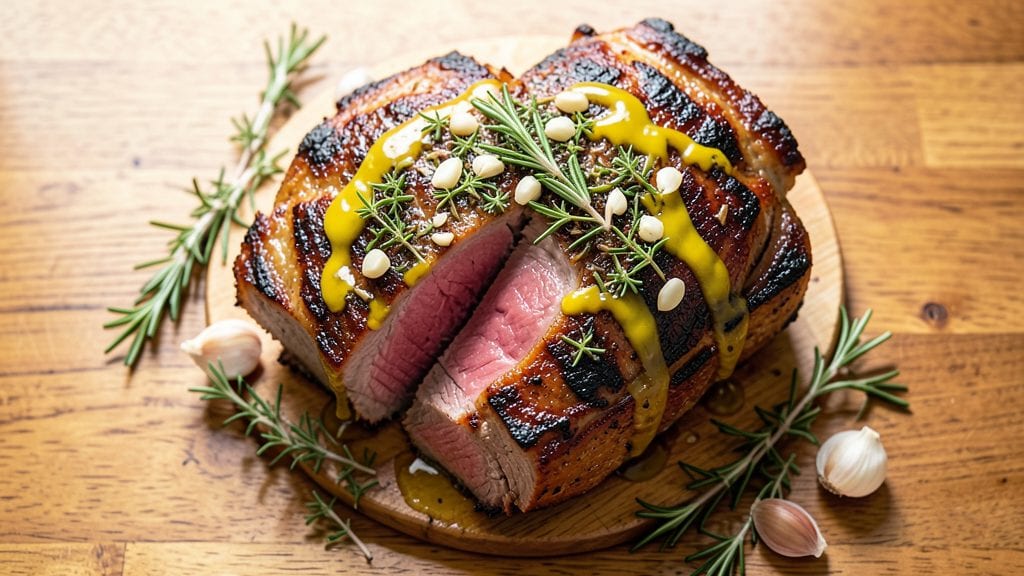
A herb-crusted lamb loin roast delivers restaurant-quality results with a perfect balance of crispy edges and a juicy center—exactly what elevates a weeknight dinner into a memorable meal.
The secret lies in a well-seasoned crust that locks in moisture while creating a flavorful bark, paired with precise oven timing that ensures tender results every time. I’ve perfected this method after years of testing, and it’s now my go-to recipe for impressing guests without spending hours in the kitchen.
This recipe transforms a simple cut of lamb into a showstopping centerpiece with minimal effort. The herb crust combines fresh rosemary, thyme, garlic, and Dijon mustard for a fragrant, golden-brown exterior that pairs beautifully with the lamb’s natural richness.
Cooking at a consistent 375°F ensures even doneness, while resting the roast before slicing guarantees those perfectly juicy results you crave. The method is straightforward but delivers professional-level outcomes.
What you’ll end up with is a tender, flavorful lamb loin that’s ideal for special occasions or a refined family dinner. The crust adds an aromatic depth that complements the lamb’s natural tenderness, making each bite satisfying and elegant.
Serving it with roasted potatoes, a fresh herb salad, or a rich red wine reduction creates a complete, restaurant-worthy meal. Let’s get started on crafting this foolproof centerpiece.
One of the best aspects of this recipe is its versatility—it works equally well for holiday feasts or a Sunday supper. The herb crust can be customized with different seasonings, and the leftovers reheat beautifully for sandwiches or salads.
With precise timing and a few key techniques, you’ll achieve a perfectly cooked lamb loin that’s sure to impress. Here’s everything you need to bring this dish to life.
Ingredients for lamb loin roast
Fresh herbs, a crisp crust, and precise timing—this is all you need for a showstopping lamb loin roast.
| Ingredient | Amount | Notes |
|---|---|---|
| Lamb Loin Roast 🐑 | 2 lb | Bone-in, center-cut preferred |
| Fresh Rosemary 🌿 | ½ cup | Chopped, stems removed |
| Fresh Thyme 🌿 | 1 tbsp | Leaves only, stems removed |
| Garlic Cloves 🧄 | 6 cloves | Minced, not pre-minced jar |
| Dijon Mustard 🍯 | 2 tbsp | High-quality, smooth texture |
| Extra-Virgin Olive Oil 🫒 | ¼ cup | For crust and basting |
| Diamond Crystal Kosher Salt 🧂 | 1 ½ tsp | For seasoning and crust |
| Freshly Ground Black Pepper 🌶️ | 1 tsp | Coarsely cracked |
| All-Purpose Flour 🌾 | ¼ cup | For crust adhesion |
| Unsalted Butter 🧈 | 2 tbsp | Softened, for basting |
| Red Wine Reduction 🍷 | ½ cup | Store-bought or homemade |
| Fresh Lemon Juice 🍋 | 1 tbsp | Brightens the crust |
The lamb loin is the star, so skip the pre-cut pieces—look for a center-cut, bone-in roast at your butcher or meat counter. Costco or Whole Foods usually carry excellent quality, but any reputable grocer will have it. For the herbs, fresh is non-negotiable here—they need to be vibrant and aromatic. Rosemary should smell piney, and thyme leaves should be plump. If you're buying whole sprigs, strip the needles yourself. The garlic? Freshly minced makes all the difference—pre-minced jarred garlic lacks the punch. And that Dijon? Maille or whole-grain adds depth, but any quality brand will work.
No fresh rosemary? Substitute with 1 tbsp dried rosemary, but it won’t be as fragrant. Short on thyme? Oregano or marjoram works in a pinch, but reduce to 1 tsp. Running low on Dijon? Yellow mustard plus 1/2 tsp lemon juice mimics the tang. The red wine reduction can be store-bought (like Bertolli or Rao’s), but if you’re making your own, use a bold red like Cabernet Sauvignon. For the crust, if you’re out of flour, crushed cornflakes or panko adds crunch without altering the texture much. Just don’t skip the lemon juice—it’s what makes the crust shine.
This roast reheats beautifully—just warm in a 325°F oven for 15 minutes with a splash of water or broth. The crust stays crispy if you reheat it covered with foil, then uncover for the last 2 minutes. For leftovers, slice and store in an airtight container for up to 4 days. The crust freezes well too—portion it into single servings before freezing. Pro tip: Let the roast rest 15 minutes before slicing, or you’ll lose all that juicy goodness. Trust me, it’s worth the wait.
Why You'll Love This Recipe
- Minimal Prep Required: I swear by this—just slather the roast with Dijon, tuck in the garlic and herbs, and pop it in the oven. No chopping, no fuss, and the rosemary sprigs stay whole for easy plucking.
- Herb-Garlic Magic: That crispy rosemary crust? It’s the star. The garlic and thyme melt into the lamb while the Dijon keeps it bright—rich, savory, and just a little tangy without overpowering.
- Weeknight to Weekend: Same method works whether I’m feeding my book club or reheating leftovers for lunch. Honestly, the roast tastes even better the second day, and those crispy edges? Always disappear first.
- Budget-Friendly Luxury: Lamb loin isn’t cheap, but this recipe stretches it perfectly—leftovers shred into wraps, or I slice it thin for sandwiches. Between us, it’s the only time I splurge on lamb, and it never lets me down.
Step-by-step instructions for herb-crusted lamb loin roast
Here's how to achieve a perfectly juicy center with a fragrant herb crust every time.
Prepare the Herb Crust Mixture
In a small mixing bowl, combine the 0.5 cup fresh rosemary, 1 tablespoon fresh thyme, 6 minced garlic cloves, 2 tablespoons Dijon mustard, 0.25 cup extra-virgin olive oil, 1.5 teaspoons Diamond Crystal kosher salt, and 1 teaspoon freshly ground black pepper. Mix thoroughly until the herbs are evenly distributed and the oil forms a cohesive paste. This blend creates the aromatic foundation for your crust.
I like to press the herbs between my fingers first to release their essential oils before mixing. This ensures maximum flavor infusion into the crust. Let the mixture sit for 5 minutes while you prepare the lamb - this allows the flavors to meld slightly before application.
Season and Crust the Lamb
Pat the 2 lb lamb loin roast completely dry with paper towels - moisture is the enemy of a good crust. Generously rub the herb mixture all over the lamb, pressing firmly so it adheres well. Then, sprinkle 0.25 cup all-purpose flour evenly over the surface and press it into the crust. This creates a textured barrier that helps seal in juices while developing a beautiful golden-brown crust.
Here's the thing - don't skip the flour step. It might seem unnecessary, but it actually prevents the crust from becoming too thick and helps create that perfect balance between crispy exterior and tender interior. Let the lamb sit at room temperature for 30 minutes while you preheat your oven.
Roast to Perfect Medium-Rare
Preheat your oven to 400°F. Place the lamb on a rack set in a roasting pan and roast for 20 minutes. This initial high-heat phase helps develop the crust before we reduce the temperature for even cooking. After 20 minutes, reduce the oven temperature to 325°F and continue roasting for 25-30 minutes more, or until the internal temperature reaches 130°F for medium-rare.
I use a meat thermometer inserted into the thickest part of the roast - this is crucial for achieving that perfect juicy center. The external temperature will read higher than the internal temperature, so always trust the internal reading. The roast is done when it reaches 130°F internally and the crust is deep golden brown.
Baste and Finish with Butter
About 10 minutes before the lamb is done, remove it from the oven and brush all sides with 2 tablespoons softened unsalted butter. Return it to the oven for the final 10 minutes of cooking. This basting step adds richness and helps create a glossy finish on the crust.
While the lamb rests, prepare the 0.5 cup red wine reduction and 1 tablespoon fresh lemon juice in a small saucepan. Warm gently over medium heat for 2-3 minutes until just heated through. The acidity of the lemon brightens the rich flavors of the lamb and wine.
Rest and Slice for Maximum Juiciness
Transfer the lamb to a cutting board and let it rest for 15-20 minutes before slicing. This resting period is absolutely critical - it allows the juices to redistribute throughout the meat, preventing them from pooling on the cutting board. The internal temperature will rise about 5°F during this time, reaching the ideal serving temperature.
Slice the lamb against the grain into ½-inch thick slices. Serve immediately with the warm red wine reduction drizzled over the top. Each slice should be perfectly pink in the center with a fragrant herb crust that's crispy yet tender. The lemon-infused wine reduction cuts through the richness beautifully, creating a balanced flavor profile.
Pro Tips For Making Lamb Loin Roast
- USE A MEAT THERMOMETER: Lamb loin is unforgiving—it goes from perfect to dry in seconds. Stick the probe into the thickest part (no fat) and pull it at 145°F (63°C) for medium-rare. I learned this the hard way after slicing a dry roast that sat too long at 150°F.
- SMASH THE GARLIC: Don’t just slice those cloves—smash them flat with the side of your knife first. This releases more flavor into the mustard rub and ensures even distribution. I used to skip this, and the garlic taste was always weak.
- SEAR HOT AND FAST: Lamb loin needs a fast, high-heat sear to lock in juices. Get your pan screaming hot (3-4 minutes) before adding the roast—any less, and you’ll steam it instead of crisping. I know, I know, but trust the process.
- REST IT UNDER FOIL: After roasting, tent the lamb with foil and let it sit for 10 minutes—this keeps it juicy while you finish the sides. I used to skip this, and the first slice was always dry. (Your future self will thank you.)
Common mistakes when making perfect results
Skipping the Rest
One of the most common mistakes is slicing into the lamb immediately after removing it from the oven. This causes all the juices to escape, leaving you with dry, disappointing slices.
I can’t stress enough how critical the 15-20 minute rest is—it allows the meat fibers to relax and the juices to redistribute. If you’re impatient, try this: tent the lamb loosely with foil while it rests to keep it warm without trapping steam. 💡
Overcooking the Crust
Another frequent error is overcooking the herb crust, which can turn it bitter or charred. The initial 400°F blast is meant to set the crust, but once you drop the temperature to 325°F, resist the urge to peek or adjust the heat.
If your crust starts browning too quickly, tent it with foil for the final 10 minutes to prevent over-browning. The goal is a deep golden color, not blackened edges.
Using Cold Lamb
Pulling a lamb roast straight from the fridge and throwing it into a hot oven is a recipe for disaster. Cold meat takes longer to cook evenly, leading to uneven doneness and potential overcooking on the outside before the center reaches temperature.
Always let your lamb sit at room temperature for 30 minutes before roasting. This ensures even cooking and a perfectly juicy center. Pro tip: place it on a wire rack over a baking sheet to allow air circulation on all sides.
Ignoring Internal Temp
Guessing when lamb is done is a surefire way to end up with something less than perfect. Many home cooks rely on time alone, but lamb varies in size and density. Use a meat thermometer to check the internal temperature—130°F for medium-rare is ideal.
For well-done, aim for 145°F. Insert the probe into the thickest part of the roast, avoiding the bone, which can give a false reading. If your thermometer doesn’t have a probe, use an instant-read model like the Thermoworks Smoke for accuracy. 🌡️
Skimp on the Crust
Some cooks rush the crust preparation, thinking it’s just for flavor. But the herb mixture also acts as a moisture barrier, helping lock in juices during cooking. Make sure to press the mixture firmly into the lamb and don’t skip the flour step—it helps create that perfect textured crust.
If you’re short on time, pre-mix the crust ingredients and store them in the fridge for up to 24 hours before use. Just let it sit at room temperature for 10 minutes before applying to the lamb.
Basting Too Early
Basting with butter is a great finishing touch, but doing it too early can actually slow down the cooking process and make the crust soggy. Wait until the last 10 minutes of cooking to brush on the butter. This ensures the crust stays crisp and develops that beautiful golden-brown color.
If you’re worried about drying out, baste just once—over-basting can steam the meat and dilute the crust’s flavor. Save any extra butter for basting your side dishes instead!
Nutrition facts
Frequently asked questions
How do I choose the best lamb loin for roasting?
Look for a center-cut, bone-in loin weighing about 2 pounds—this size roasts evenly and delivers maximum flavor. The meat should be bright red with a fine grain and minimal marbling. Ask your butcher for the most tender portion of the loin, typically from the middle section. Avoid any pieces with grayish tint or excessive fat, as these indicate lower quality.
Can I make this recipe without fresh herbs?
Yes, but the flavor will be less vibrant. Replace 0.5 cup fresh rosemary with 1 tbsp dried rosemary and 1 tbsp fresh thyme with 1 tsp dried thyme. For extra depth, add 1 tsp dried oregano or ½ tsp smoked paprika. The crust will still form, but fresh herbs provide the best aroma and moisture retention.
What’s the best way to reheat leftover lamb loin?
Slice the leftover lamb into ½-inch thick pieces and reheat in a 325°F oven for 15 minutes with a splash of water or broth to keep it moist. For sandwiches or salads, warm slices in a skillet over medium-low heat for 2-3 minutes per side with a pat of butter. Never microwave—it makes the meat dry and rubbery.
How do I adjust the cooking time for a larger or smaller roast?
Use the 15 minutes per pound rule for medium-rare: a 3 lb roast will take about 45 minutes total (20 min at 400°F, then 25 min at 325°F). For a 1.5 lb roast, reduce to 25 minutes total. Always use a meat thermometer—130°F for medium-rare, 145°F for well-done. The two-stage cooking method ensures even doneness regardless of size.
What sides pair best with herb-crusted lamb?
Classic pairings include garlic roasted potatoes, creamy polenta, or a fresh herb salad with lemon vinaigrette. For a heartier meal, serve with wild rice pilaf or grilled asparagus. The red wine reduction also complements mashed sweet potatoes or buttery egg noodles. Keep sides simple to let the lamb shine as the star.