Appetizers
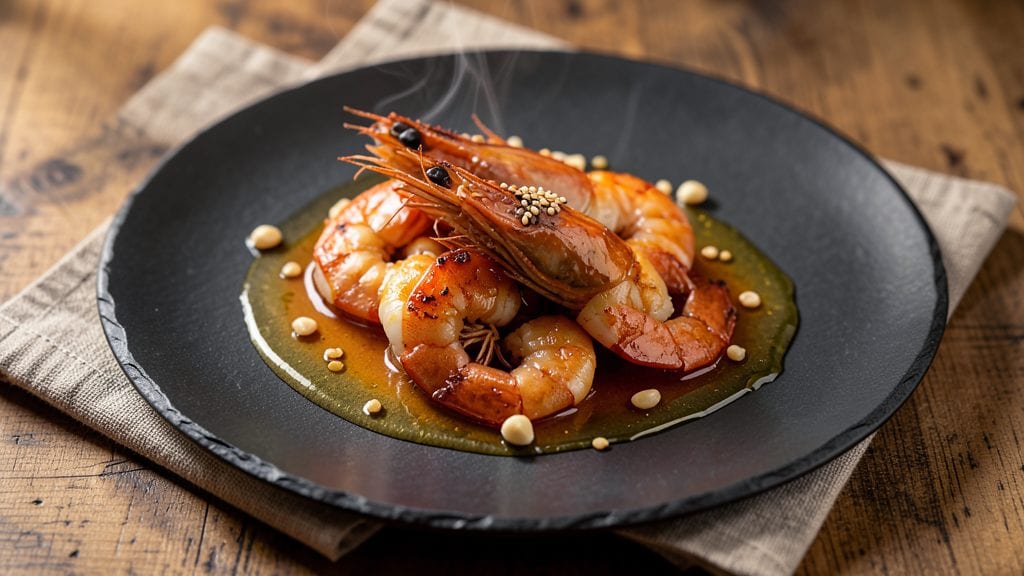
This Japanese shrimp recipe delivers the perfect balance of crispy edges and tender centers with a rich garlic butter sizzle that transforms simple shrimp into an unforgettable appetizer.
The secret lies in a precise cooking technique that creates that signature snap while keeping the interior juicy—just like the dishes you'd find in Tokyo's bustling izakayas. I developed this method after years of experimenting with Japanese home-style cooking, where texture and flavor harmony are everything.
The beauty of this recipe is its simplicity: just a handful of ingredients work together to create a dish that's both elegant and approachable. We start with high-quality shrimp, seared in butter until golden, then finished with a fragrant garlic-infused sauce that adds depth without overpowering.
The result is shrimp with a crispy exterior that shatters at the first bite, revealing tender meat underneath—exactly what makes Japanese seafood so special.
What makes this dish truly stand out is how well it pairs with traditional accompaniments. Serve over steamed jasmine rice for a complete meal, or pair with a side of blistered green beans and a simple miso soup to capture the full Japanese dining experience.
The garlic butter sauce also works wonderfully as a dipping sauce for fresh udon noodles if you want to get creative.
This recipe is designed to impress while being simple enough for weeknight cooking. With just 15 minutes of active prep and 10 minutes of cooking time, you'll have restaurant-quality shrimp that's crispy, flavorful, and ready to serve.
The technique is foolproof once you understand the key steps—no advanced skills required, just attention to timing and temperature.
Ingredients for japanese shrimp
High-quality shrimp, rich butter, and aromatic garlic create this Tokyo-inspired dish with restaurant-quality texture.
| Ingredient | Amount | Notes |
|---|---|---|
| Large Shrimp (Peeled, Deveined) 🦐 | 1 ½ lb | 16-20 count, tails on for presentation |
| Unsalted Butter 🧈 | ½ cup | Cold, cut into 8 equal pieces |
| Garlic Cloves 🧄 | 6 cloves | Thinly sliced, skin removed |
| Soy Sauce 🍶 | 2 tbsp | Japanese or reduced variety preferred |
| Dry Sherry 🍷 | 2 tbsp | Or substitute with white wine |
| Sesame Oil 🫒 | 1 tsp | Toasted, for aroma |
| Toasted Sesame Seeds 🌾 | 1 tbsp | For garnish |
| Diamond Crystal Kosher Salt 🧂 | 1 tsp | Adjust to taste |
| Ground White Pepper 🌶️ | ½ tsp | Freshly ground preferred |
| Jasmine Rice 🍚 | 1 cup | Uncooked, for serving |
| Lemon Wedges 🍋 | 2 whole | For serving |
The shrimp selection is critical—look for 16-20 count with tails attached for presentation. Whole Foods or specialty seafood markets carry the best, but frozen works in a pinch (thaw overnight in the fridge). The butter should be cold and unsalted—European-style like Plugrá or Kerrygold adds depth. Garlic cloves should be fresh and firm, with no green sprouts. For the soy sauce, Kikkoman or Yamasa deliver authentic flavor, though any Japanese brand works. The sherry adds complexity—dry varieties like Pedro Ximénez are ideal, but white wine in a bind won't ruin it.
No sherry? Dry white vermouth or mirin bridge the gap, though the dish loses subtle depth. Substitute sesame oil with toasted peanut oil for a different but still authentic profile. For the rice, jasmine or short-grain sushi rice are perfect—avoid basmati. The shrimp can be pre-cooked if needed, but fresh is non-negotiable for texture. If using frozen, pat them thoroughly dry with paper towels before cooking to ensure that signature crisp. The sesame seeds should be toasted until golden—microwave for 30 seconds with a spoon to avoid burning.
This dish reheats beautifully—steam for 3-4 minutes to revive crispiness. Store shrimp and sauce separately in airtight containers for up to 2 days in the fridge. The garlic butter sauce freezes well for 3 months if portioned into ice cube trays. For a complete meal, pair with steamed bok choy or edamame. The lemon wedges should be added just before serving to prevent bitterness. Garnish with sesame seeds and sliced green onions for that izakaya touch.
Why You'll Love This Recipe
- I’ll be real: this works for both my lazy Tuesday nights and when I’m hosting. Serve it over rice for a quick meal, or plate it with steamed greens for something fancier. The leftovers? Even better the next day, reheated in a flash.
- One-Pan Magic: Honestly, I swear by this recipe because it’s that simple—just shrimp, butter, garlic, and a splash of sherry. No chopping, no fussing, and one pan to clean. The butter melts into a glossy finish while the garlic infuses everything in minutes.
- Garlic-Sherry Bliss: Between us, the combination of garlic and dry sherry is ridiculously good—bright, savory, and just sweet enough. The soy sauce ties it all together without overpowering, leaving you with shrimp that’s crispy on the outside but still juicy inside.
- Weeknight or Dinner Party: I’ll be real: this works for both my lazy Tuesday nights and when I’m hosting. Serve it over rice for a quick meal, or plate it with steamed greens for something fancier. The leftovers? Even better the next day, reheated in a flash.
Step-by-step instructions for Japanese shrimp with garlic butter crisp
Master this technique for restaurant-quality shrimp with perfectly crisp edges and silky centers.
Prepare the Shrimp and Cold Butter
Pat the 1.5 lb large shrimp (peeled, deveined) completely dry with paper towels—this is critical for achieving crispy edges. Arrange them in a single layer on a plate and season generously with 1 teaspoon diamond crystal kosher salt and 0.5 teaspoon ground white pepper. Let them sit at room temperature for 15 minutes while you prepare the butter mixture.
Cut the 0.5 cup unsalted butter into 8 equal pieces and place them in the refrigerator to keep them cold. Cold butter creates steam when it hits the hot pan, which helps develop that signature crisp texture. This is the secret to perfect Japanese-style shrimp—don't skip chilling the butter.
Sear the Shrimp in Stages for Even Cooking
Heat a 12-inch skillet over medium-high heat until it's very hot—you should see a slight shimmer when you sprinkle a few drops of water. Add 4 pieces of the cold butter and let them melt completely, about 30 seconds. The butter should foam and sizzle but not burn.
Working in batches to avoid overcrowding, add half of the shrimp to the skillet in a single layer. Cook undisturbed for 1 minute until the undersides develop a deep golden brown crust. This is where the magic happens—resist the urge to flip prematurely. You'll know they're ready when the shrimp release easily from the pan. Flip and cook for another 30 seconds until the other side is golden. Transfer to a plate and tent loosely with foil to keep warm.
Build the Garlic Butter Sauce
Reduce heat to medium and add the remaining 4 pieces of cold butter. Once melted, add the 6 thinly sliced garlic cloves and cook for 30 seconds until they're fragrant but not browned—burnt garlic will make the sauce bitter. Pour in 2 tablespoons soy sauce and 2 tablespoons dry sherry, scraping up any browned bits from the bottom of the pan with a wooden spoon.
Simmer the sauce for 2 minutes until it reduces slightly and coats the back of a spoon. The aroma should be rich and complex, with notes of garlic, umami from the soy sauce, and a touch of sherry brightness. This is the foundation of the flavor profile—don't rush this step. If the sauce looks too thick, add 1 tablespoon water to loosen it slightly.
Finish with Sesame Oil and Garnish
Return the cooked shrimp to the skillet and spoon the garlic butter sauce over them. Toss gently to coat evenly, then add 1 teaspoon sesame oil and 1 tablespoon toasted sesame seeds. The sesame oil adds a nutty aroma that complements the garlic butter, while the seeds provide texture contrast. Cook for another 30 seconds to heat through completely.
Serve immediately over 1 cup cooked jasmine rice and garnish with the 2 whole lemon wedges. The shrimp should have crispy, caramelized edges that contrast perfectly with their tender centers. Squeeze lemon over each serving just before eating to brighten the flavors and cut through the richness of the butter.
Pro Tips For Making Japanese Shrimp
- Sear Shrimp Fast: Hit the pan on high heat—no waiting for it to warm up. Shrimp cook in 30-60 seconds, so get them in while the butter’s foaming, or you’ll end up with rubbery, overdone shells. I learned this the hard way after a batch turned out tough because I hesitated.
- Mince Garlic Fine: Skip the chopping—mash those cloves with the flat side of your knife first, then finely mince. This ensures even cooking and prevents bitter, undercooked garlic bits. (Yes, even if you’re impatient like me, take the extra 10 seconds.)
- Deglaze Aggressively: After searing the shrimp, immediately add sherry and scrape the browned bits off the pan with a wooden spoon. Those bits pack flavor, and skipping this step means losing half the depth of taste. Sounds weird, but it works—trust the process.
- Salt Butter Early: Toss a pinch of flaky salt into the cold butter before melting it. Unsalted butter needs it, and salting later risks uneven seasoning. More salt than you think, especially if you’re using high-quality shrimp that’s already flavorful.
Regional styles of this japanese shrimp
Tokyo Izakaya Style
This dish is inspired by Tokyo's izakayas, where shrimp is often served as a crispy, buttery appetizer over steamed rice. The key difference here is the use of dry sherry instead of sake—it adds a subtle depth that's more accessible for home cooks.
In izakayas, they often serve these shrimp with a side of pickled ginger to cleanse the palate between bites. I like to add a pinch of red pepper flakes at the table for guests who enjoy heat, just like they do in many Tokyo eateries. 🍶
Osaka Street Food Twist
Osaka's version of this dish often includes a touch of mirin in the sauce to balance the garlic butter's richness. For an Osaka-inspired take, replace the sherry with 1 tablespoon mirin and add ½ teaspoon grated ginger to the garlic butter.
This creates a slightly sweeter, more complex flavor profile that's popular in Osaka's street food stalls. Serve with kushikatsu batter on the side for dipping—it's a fun way to let guests customize their experience.
Kyoto Refined Version
Kyoto chefs focus on minimalist elegance, so their version would use white miso paste instead of soy sauce—just 1 teaspoon dissolved in the sherry before adding to the pan. The miso adds a subtle fermented depth that's characteristic of Kyoto cuisine.
Garnish with thinly sliced scallions and a drizzle of yuzu kosho (a citrus-chili paste) for that refined Kyoto touch. The shrimp should be cooked just until opaque—Kyoto style prioritizes silky texture over extreme crispiness.
Hokkaido Butter-Centric Approach
Hokkaido's cold climate means their shrimp dishes rely heavily on rich, creamy butter—this version would use 1 extra tablespoon of butter in the sauce and finish with crushed black sesame seeds instead of white.
The cold climate also means their shrimp is often larger—if you can find 20-25 count shrimp, use them for this regional adaptation. Serve with steamed seaweed salad to highlight the buttery richness while adding freshness.
The black sesame adds a dramatic visual contrast that's popular in Hokkaido's seafood restaurants. 🌟
Okinawa Tropical Fusion
Okinawa's version incorporates shiso leaves—a citrusy herb native to the region—for a bright, tropical twist. After searing the shrimp, toss them with 2 finely chopped shiso leaves and a splash of Okinawa awamori (a local liquor) instead of sherry.
The awamori adds a distinct herbal note that pairs beautifully with the garlic butter. Garnish with toasted coconut flakes for a sweet contrast. This fusion brings the flavors of Okinawa's warm climate to your table.
Modern Fusion Adaptation
For a contemporary take, swap the sherry for 1 tablespoon fish sauce and add ½ teaspoon smoked paprika to the garlic butter. This creates a Thai-Japanese fusion that's gaining popularity in urban izakayas. Serve with jasmine rice infused with lemongrass and a side of spicy mango salsa for dipping.
The smoked paprika adds a subtle smokiness that complements the crispy shrimp beautifully. This version is perfect for foodies who love bold, modern flavors while keeping the traditional technique intact. 💫
Nutrition facts
Frequently asked questions
Why does the recipe call for cold butter?
The cold butter creates steam when it hits the hot pan, which helps develop that signature crispy exterior while keeping the shrimp tender inside. This technique is key to authentic Japanese-style shrimp—it's what gives you that perfect caramelized crust. Never skip chilling the butter pieces!
Can I use frozen shrimp instead of fresh?
Yes, but you must thaw them properly and pat them very dry with paper towels before cooking. Frozen shrimp often have moisture that prevents crispiness. For best results, thaw overnight in the fridge and squeeze out any excess water. The texture difference is noticeable but still delicious!
What if I don't have sherry? What's the best substitute?
Use dry white vermouth or mirin as substitutes—they both add depth while maintaining the dish's balance. For a simpler option, dry white wine works in a pinch, though it lacks the subtle sweetness of sherry. The flavor won't be identical, but the dish will still shine.
How do I prevent the shrimp from sticking to the pan?
Ensure your pan is very hot before adding butter and shrimp. A well-heated pan creates a non-stick surface through the butter's steam. Also, never overcrowd the pan—cook in batches if needed. The shrimp should release easily when ready to flip. This is the secret to restaurant-quality results at home!
Can I make this dish ahead of time?
Store the cooked shrimp and sauce separately in airtight containers for up to 2 days. Reheat shrimp in a steamer for 3-4 minutes to revive crispiness. The sauce can be reheated gently in a saucepan. For best texture, serve fresh, but this method works well for meal prep. The garlic butter flavor actually improves slightly after resting!