Side Dishes
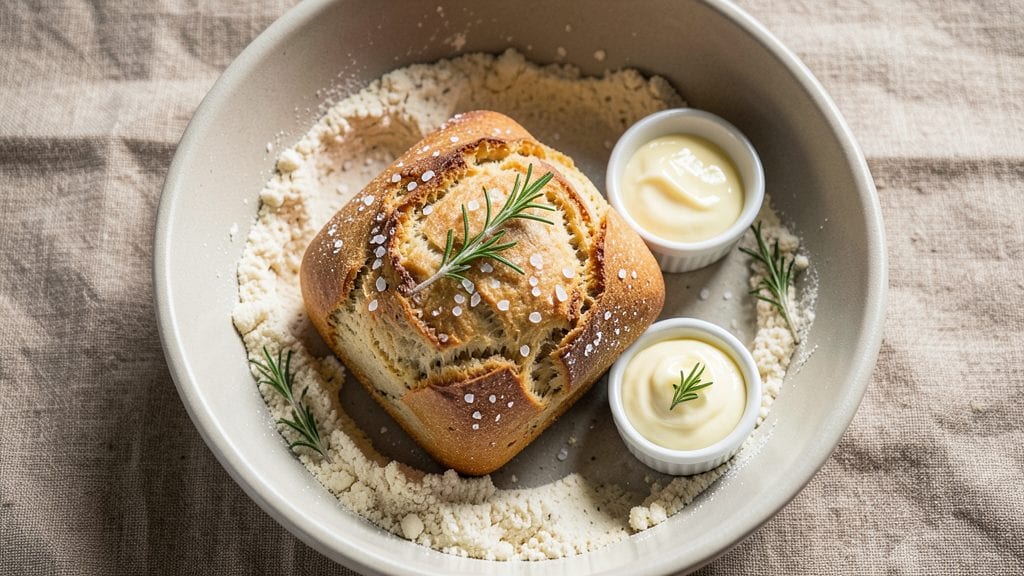
Ina Garten's bread recipe delivers the perfect balance of a crispy, golden crust and a soft, buttery interior that practically melts in your mouth. This is the kind of bread that makes you pause mid-slice to admire its texture—flaky layers that pull apart effortlessly while maintaining structure.
I’ve baked it countless times, and every batch turns out better than the last, thanks to her precise technique and simple ingredients.
The secret to this bread lies in the dough’s resting time and the way it’s shaped before baking. You’ll need about 1 hour for preparation, including kneading and proofing, followed by 25 minutes in the oven at 375°F.
The key is patience—letting the dough rise properly develops that signature softness, while scoring the top just before baking ensures a perfectly crisp crust. It’s a method that feels both professional and approachable, even for home bakers.
What you’ll end up with is a loaf that looks like it belongs in a bakery window—golden, glistening, and impossible to resist. The crust is sturdy enough to hold slices without crumbling, yet tender enough to break with a satisfying crack.
Inside, the bread is soft, airy, and infused with the rich flavor of butter, making it ideal for toast, sandwiches, or simply enjoying with a pat of that same buttery goodness. This is bread that elevates any meal.
Whether you’re serving it alongside a hearty soup or using it to make gourmet sandwiches, this recipe is a game-changer for your kitchen. The best part? It’s foolproof once you get the hang of it, and the aroma filling your home as it bakes is worth every minute of waiting.
Let’s get started—your kitchen (and taste buds) will thank you.
Ingredients for ina garten bread
Simple pantry staples transform into bakery-worthy bread with Ina's foolproof method.
| Ingredient | Amount | Notes |
|---|---|---|
| All-Purpose Flour 🌾 | 5 cups | Sifted for light texture |
| Unsalted Butter 🧈 | 1 cup | Cold, cubed for easier mixing |
| Large Eggs 🥚 | 1 whole | Room temperature for even mixing |
| Granulated Sugar 🍚 | ½ cup | Light brown for subtle caramel notes |
| Instant Yeast 🍞 | 2 ¼ tsp | Fresh for best activation |
| Salt 🧂 | 1 ½ tsp | Fine sea salt preferred |
| Warm Water 💧 | 1 ¼ cups | 110°F for yeast activation |
| Milk 🥛 | ¼ cup | Whole milk for richness |
| Cornmeal 🌽 | ½ cup | For dusting baking sheet |
| Coarse Sea Salt 🧂 | ¼ tsp | For sprinkling crust |
| Cornstarch 🌾 | 2 tbsp | For extra tender crumb |
The butter is non-negotiable here—European-style unsalted like Plugrá or Kerrygold gives that signature richness. Grab it from the refrigerated section, not the tubs at room temperature. The flour? King Arthur or Gold Medal work perfectly, but avoid bread flour—it's too strong for this delicate texture. Instant yeast is a game-changer (no waiting for it to dissolve), but if you only have active dry, let it proof in warm water for 5 minutes first. The sugar? Light brown adds subtle caramel depth without overpowering. Store your flour in the freezer to preserve freshness—it makes a noticeable difference in flavor.
No unsalted butter? European-style salted butter works—just reduce the added salt to 1 tsp. Short on milk? Heavy cream or half-and-half adds richness, but whole milk is ideal. The cornmeal isn't for eating—it's just to prevent sticking on the baking sheet. Omit it if you've got parchment paper. For the yeast, if your kitchen runs cool, use a warm spot like the oven with the light on. The cornstarch is optional but worth it—it gives that signature tender crumb. Want to make it ahead? Shape the dough, refrigerate overnight, then bake straight from the fridge for even better flavor development.
The dough keeps for 24 hours in the fridge before shaping, but it's best fresh. Once baked, this loaf stays fresh for 3 days at room temperature wrapped in a clean kitchen towel. For longer storage, freeze slices wrapped in plastic—they toast up like fresh. The crust gets harder as it cools, so slice and serve warm. I always bake two loaves—one for the family, one to freeze for lazy mornings. The aroma alone makes this bread worth every minute of waiting.
Why You'll Love This Recipe
- No-Knead Magic: I swear by this dough—just mix, wait, bake. The butter and sugar create a tender crumb that’s actually foolproof, even if I forget to measure the yeast right.
- Sweet Butter Bliss: That rich, caramelized butter flavor? It’s like a hug in bread form. The sugar adds just enough sweetness to make it irresistible—perfect for breakfast or dessert cravings.
- Weeknight Workhorse: Freeze half the batch for lazy mornings or last-minute guests. Toss it in the toaster or pop slices in the oven—it’s my go-to for when I’m too tired to think.
- Budget-Friendly Staple: Flour, butter, eggs—these are pantry basics that stretch far. One loaf feeds my family for days, and the leftovers? Toast, French toast, or crumbs for meatballs. Zero waste.
Step-by-step instructions for Ina Garten's bread recipe
Here's how to create that perfect artisan crust with buttery pull-apart softness—just like Ina Garten makes it.
Mix the Dough for Maximum Flavor
In a large mixing bowl, whisk together the 5 cups all-purpose flour, 2.25 teaspoons instant yeast, 1.5 teaspoons salt, and 2 tablespoons cornstarch. This dry blend ensures even distribution of ingredients for a tender crumb. In a separate bowl, gently whisk the 1 whole large egg, 0.5 cup granulated sugar, 1.25 cups warm water (about 110°F), and 0.25 cup milk until smooth—this liquid mixture activates the yeast and creates a rich base.
Gradually pour the wet ingredients into the dry ingredients while mixing with a wooden spoon or dough whisk. Add the 1 cup cold, cubed unsalted butter and mix until fully incorporated. The dough should come together into a shaggy mass—don't overmix here. Cover the bowl with a damp kitchen towel and let it rest for 30 minutes at room temperature. This initial rest allows the gluten to relax and the yeast to begin working.
Knead Until Silky Smooth
Transfer the dough to a lightly floured surface and knead for 8-10 minutes by hand or 5-6 minutes in a stand mixer with a dough hook attachment. You're looking for a smooth, elastic dough that springs back slightly when pressed. If it feels too sticky, add 1 tablespoon of flour at a time until it comes together cleanly.
Shape the dough into a round loaf and place it in a lightly greased bowl. Cover with the damp towel again and let it rise in a warm place for 1-1.5 hours, or until it has nearly doubled in size. You'll see bubbles forming on the surface and the dough will feel light when pressed gently with a fingertip. This proofing step develops the bread's airy texture and subtle sweetness.
Shape and Proof for Perfect Rise
Punch down the risen dough to release any air bubbles, then shape it into a round loaf about 8 inches in diameter. Place it on a baking sheet dusted with 0.5 cup cornmeal—this prevents sticking and adds a subtle crunch to the crust. Cover loosely with plastic wrap and let it rise again for 30-45 minutes until it has puffed up noticeably. The dough should feel springy and jiggly when touched.
While the dough proofs, preheat your oven to 375°F. Brush the top of the loaf with a little milk for a golden finish. Sprinkle 0.25 teaspoon coarse sea salt evenly over the surface—this enhances flavor and creates a beautiful crust. The salt should melt slightly into the dough, creating those signature salt crystals on the crust.
Bake to Golden Perfection
Bake the loaf for 30-35 minutes until it's deep golden brown and sounds hollow when tapped on the bottom. The internal temperature should reach 190-200°F when measured with an instant-read thermometer. If the top browns too quickly, tent the loaf with aluminum foil to prevent over-browning while it finishes baking.
Remove the bread from the oven and let it cool on a wire rack for 10 minutes before slicing. This resting period allows the steam to escape, preventing a gummy crumb. The crust should be crisp and slightly crackly, while the interior remains soft and tender with just the right amount of chew. Serve warm with butter or jam for the ultimate Ina Garten experience.
Pro Tips For Making Ina Garten Bread
- Soft Butter First: Cream the butter and sugar until it’s pale and fluffy—about 3-4 minutes with a mixer. I learned this the hard way: skipping this step means your bread will taste dense and cakey instead of light and tender. Trust me, the extra time here saves you later.
- Weigh Your Flour: Use a kitchen scale for the flour—1 cup of all-purpose isn’t always 120 grams. I used to scoop and level, and my bread came out either too dry or too sticky. A scale guarantees consistent texture every time, especially when you’re mixing butter, eggs, and sugar into the dough.
- Don’t Overmix the Dough: Stop folding in the flour as soon as it just comes together—no need to overwork it. I used to think more mixing meant better gluten development, but this bread relies on a tender crumb. A few lumps are fine; they’ll disappear when baked.
- Let the Dough Rest: Give the dough a 10-minute rest after mixing before shaping—even if you’re in a hurry. I skipped this once and ended up with a dense, uneven loaf. The rest lets the gluten relax, so your bread rises evenly and has that signature Ina Garten lightness.
Troubleshooting great ina garten bread
Dough Too Sticky
If your dough feels overly sticky during kneading, you're likely adding too much flour at once. Instead of dumping a handful, sprinkle 1 tablespoon at a time while kneading. I recommend using a digital kitchen scale for precision—aim for a dough that's soft but not wet.
If the dough still sticks, try chilling it for 15 minutes before shaping, which tightens the gluten structure. 💡
Uneven Rise
Uneven rise often happens when your kitchen isn't warm enough. Place the dough in a proofing box (or a turned-off oven with the light on) to maintain a consistent 75-80°F environment.
If your dough rises too quickly, it may collapse—this means your yeast is overactive. For next time, use 1 teaspoon less yeast or reduce proofing time by 15-20 minutes. 🌡️
Dense Crumb
A dense crumb usually means over-kneading or insufficient proofing. Knead just until the dough is smooth (5-6 minutes in a mixer), and let it rise until it's doubled in size.
If your bread still feels heavy, try adding 1 extra tablespoon of cornstarch to the dry ingredients for a lighter texture. For extra tenderness, brush the baked loaf with melted butter while still warm. 🍞
Pale Crust
A pale crust often results from insufficient baking time or a damp environment. Ensure your oven is fully preheated to 375°F and bake until the internal temperature reaches 190-200°F.
For a deeper color, brush the loaf with milk or egg wash before baking and sprinkle with coarse sea salt. If your kitchen is humid, place a baking tray of water in the oven to create steam, which helps develop a golden crust. 🔥
Bread Collapses
Bread often collapses if it's overproofed or if the oven isn't hot enough. To prevent this, punch down the dough gently after the first rise and shape it carefully. Place the loaf in the oven as soon as it's preheated—don't wait.
If your dough rises too quickly, try reducing the yeast by 0.25 teaspoon next time. For a foolproof method, use an instant-read thermometer to confirm the oven is at 375°F before baking. 💪
Gummy Texture
A gummy interior usually means the bread was sliced too soon. Always let the loaf cool on a wire rack for at least 10 minutes before slicing to allow steam to escape.
If your bread still feels moist, try increasing the baking time by 5 minutes or reducing the milk by 1 tablespoon in the dough. For extra crispness, brush the baked loaf with melted butter while warm. ✨
Nutrition facts
Frequently asked questions
Why does Ina Garten's bread recipe use cornstarch?
The cornstarch creates a lighter, more tender crumb by absorbing moisture and preventing gluten from developing too much. It's what gives this bread that signature soft, pull-apart texture while keeping the structure intact. Think of it as the secret to that bakery-style softness you can't get with flour alone.
Can I make this bread without a stand mixer?
This recipe works perfectly by hand. Knead the dough for 8-10 minutes on a lightly floured surface until smooth and elastic. The key is patience—press and fold the dough rather than punching it, which helps develop the gluten properly. Your arms will thank you for the workout!
How do I know when the dough has risen enough?
The dough should nearly double in size and feel light when pressed gently with one finger. It should spring back slowly (not immediately) and have visible bubbles on the surface. If it rises too quickly, your kitchen might be too warm—try reducing the yeast by 0.25 teaspoon next time.
What's the best way to store leftover bread?
Wrap the cooled loaf in a clean kitchen towel and store at room temperature for up to 3 days. For longer storage, slice and freeze the bread in airtight containers. To revive, toast slices from frozen or reheat in a 350°F oven for 5-10 minutes until warm. The crust stays crispy this way!
Can I substitute butter with oil in this recipe?
While you can use melted butter substitute (like olive oil), the flavor and texture won't be the same. Butter creates that signature richness and helps develop the crust. If you must substitute, use 1/3 cup melted butter substitute plus 2 tablespoons melted butter for brushing the top before baking. The difference is noticeable!