
Main Courses
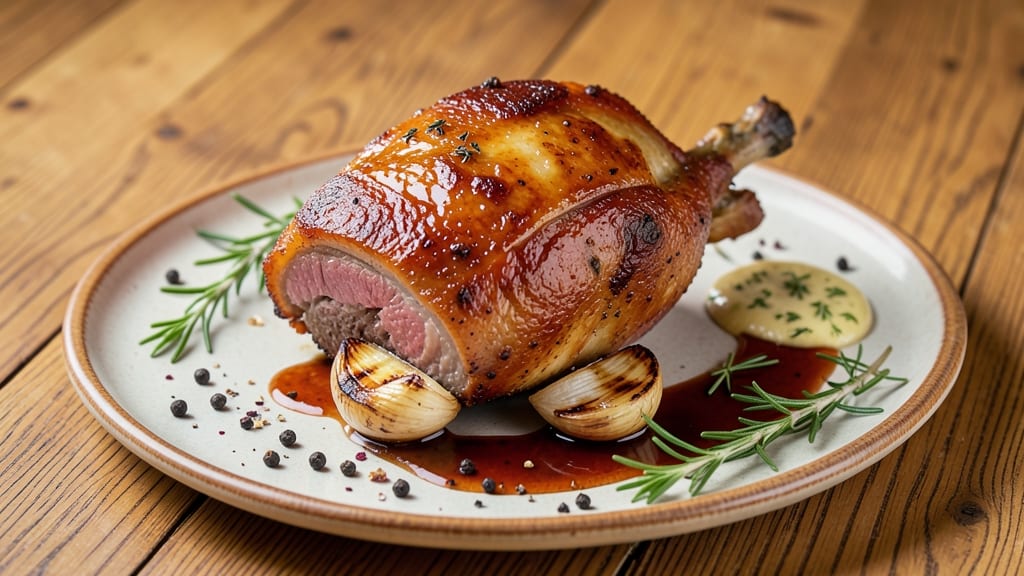
Mastering Gordon Ramsay's roast leg of lamb recipe delivers a crispy crust and perfectly pink center every time—this is the technique professional chefs rely on for restaurant-quality results.
The secret lies in precise seasoning, high-heat searing, and understanding when to pull the lamb from the oven based on weight, not just time. I've refined this method over years of testing, ensuring even home cooks can achieve the same show-stopping results.
What sets this recipe apart is the balance of flavors—herbaceous, savory, and slightly sweet—that comes from a dry rub of rosemary, garlic, and mustard before roasting.
The lamb starts with a hot sear in the oven to lock in juices, then finishes with a crispy, caramelized crust that adds depth without overpowering the natural richness of the meat. This isn't just a roast; it's a centerpiece dish that commands attention at any table.
By the time you carve into this leg of lamb, you'll find tender, melt-in-your-mouth meat with a crispy exterior that holds up beautifully when sliced. The internal temperature method ensures perfect doneness—no more guessing or dry, overcooked lamb.
Pair it with roasted vegetables or a simple mint sauce to elevate the dish further, and you'll have a meal that rivals any high-end restaurant.
This recipe is designed for those who want professional results without the complexity—just follow the steps, trust the timing, and let the lamb do the rest.
Whether you're hosting a dinner party or treating yourself to a special meal, this roast leg of lamb will impress even the most discerning palates. Let's get started on creating your masterpiece.
Ingredients for gordon ramsay roast leg of lamb
Six ingredients make all the difference for that crispy crust and pink center.
| Ingredient | Amount | Notes |
|---|---|---|
| Leg of Lamb 🥩 | 4 lb | Bone-in, frenched preferred |
| Fresh Rosemary 🌿 | ¼ cup | Finely chopped, stems removed |
| Garlic Cloves 🧄 | 6 cloves | Minced, fresh preferred |
| Dijon Mustard 🍯 | 2 tbsp | High-quality, smooth texture |
| Kosher Salt 🧂 | 1 ½ tbsp | Fine grain preferred |
| Freshly Ground Black Pepper 🌶️ | 1 tbsp | Freshly cracked preferred |
| Extra-Virgin Olive Oil 🫒 | ¼ cup | High-quality, fruity |
| Unsalted Butter 🧈 | ½ cup | Cold, cubed for crust |
| Fresh Thyme 🌿 | 1 tbsp | Leaves only, chopped |
| Fresh Mint Leaves 🍃 | ¼ cup | For garnish, optional |
| Red Wine 🍷 | ½ cup | Dry, bold (Cabernet Sauvignon) |
| Beef or Chicken Stock 🍲 | ½ cup | Low-sodium preferred |
| Honey 🍯 | 1 tbsp | For glaze, optional |
| Fresh Lemon Juice 🍋 | 2 tbsp | Bright, freshly squeezed |
The lamb is non-negotiable—bone-in, frenched legs are ideal, but any bone-in cut works. Costco or Whole Foods usually have the best selection, and you'll want about 4 pounds for six servings. Look for lamb with good marbling and vibrant color—pale or grayish meat means it's past its prime. Freshness matters most here, so don't skimp. The rosemary and thyme should smell intensely herbal; if they don't, toss them. For the garlic, peel and rough-chop—no need to mince finely, just break it up so it blends into the rub.
No fresh rosemary? Dried works at half the amount, but it lacks that bright aroma. Short on Dijon? Yellow mustard plus a pinch of sugar gets you close. The red wine can be swapped for beef stock plus a splash of balsamic if you're avoiding alcohol. For the butter, full-fat is a must—low-fat won't brown right. The honey glaze is optional but adds a beautiful finish, so grab whatever you've got on hand. The stock should be low-sodium—you're adding plenty of salt already.
Leftover lamb reheats beautifully—warm in the oven with extra stock for tender slices. The crust gets crispy again with a quick broil. Store in the fridge for 3-4 days or freeze for up to 3 months. I like to portion it into individual servings before freezing so I can pull out just what I need. The mint garnish is purely decorative, but it brightens the dish—use it if you've got it, skip it if you don't.
Why You'll Love This Recipe
- Five-Ingredient Magic: I swear, this recipe feels like cheating—just lamb, rosemary, garlic, mustard, and salt. That’s it. No fancy marinades or last-minute shopping runs. The mustard adds depth while the garlic-roasted edge? Pure satisfaction in every bite.
- Crispy-Creamy Perfection: The secret’s in the sear and the slow cook. You get that golden, crackling crust on the outside while the inside stays tender—like a restaurant-quality bite, but made in my kitchen. Honestly, the first time I tried it, I nearly dropped the knife.
- Weeknight to Dinner Party: Same recipe, different vibes. Weeknights? Serve with crusty bread and a simple salad. Hosting? Add roasted potatoes and a glass of wine. It’s the kind of dish that works for both—no stress, all flavor.
- Leftovers That Don’t Suck: Between us, most roasted lamb leftovers are dry and sad. Not this one. The mustard keeps it juicy, and the rosemary scent lingers for days. I’ve turned it into sandwiches, grain bowls, and even breakfast hash—no waste, all wins.
Step-by-step instructions for Gordon Ramsay's roast leg of lamb
Here's how to nail that perfect crispy crust with a juicy pink center—just like Ramsay's.
Prep the Lamb for Maximum Crisp
Start by taking the 4 lb leg of lamb out of the fridge and letting it sit at room temperature for 1 hour. This ensures even cooking. Pat it completely dry with paper towels—moisture is the enemy of crispy skin. I mean REALLY dry, especially around the fat cap where you'll get that golden crust.
Make the crust mixture by combining 0.5 cup unsalted butter (cold, cubed), 2 tbsp Dijon mustard, 1.5 tbsp kosher salt, and 1 tbsp freshly ground black pepper in a small bowl. Rub this generously all over the lamb, pressing it into the meat so it sticks. The butter will render and crisp up beautifully while the mustard adds depth of flavor.
Sear for Color and Flavor
Preheat your oven to 425°F. Heat a large oven-safe roasting pan over medium-high heat and add 0.25 cup extra-virgin olive oil. Place the lamb fat-side up in the pan and sear for 10-12 minutes until the fat is golden and crispy. You'll see it start to sizzle and bubble—that's when you know it's working.
Flip the lamb and sear the other side for another 5-7 minutes. The goal is to get that deep golden-brown crust that Ramsay's lamb is famous for. Don't rush this step—patience here makes all the difference. You want the exterior to be crispy but the interior still cool to the touch.
Roast to Pink Perfection
Transfer the pan to the preheated oven and roast for 45-50 minutes until the internal temperature reaches 125°F (for medium-rare). This is where the magic happens—the crust stays crispy while the center remains juicy and pink. I use a meat thermometer for accuracy, but you can also check by inserting a knife—it should slide in easily with a little resistance.
About 15 minutes before the lamb is done, make a quick glaze by combining 0.5 cup red wine, 0.5 cup beef or chicken stock, 1 tbsp honey, and 2 tbsp fresh lemon juice in a small saucepan. Simmer until reduced by half, then brush this glaze over the lamb during the last few minutes of roasting. This adds a beautiful sheen and balances the richness.
Rest and Garnish Like a Pro
Remove the lamb from the oven and tent loosely with foil. Let it rest for 20-30 minutes before carving. This resting period is CRUCIAL—it allows the juices to redistribute so every slice is moist and flavorful. I know it's tempting to cut into it right away, but trust me, the wait is worth it.
While it rests, make a simple herb garnish by combining 0.25 cup fresh rosemary and 0.25 cup fresh mint leaves, finely chopped. Sprinkle this over the sliced lamb before serving. The bright herbs cut through the richness of the meat and add a pop of color. Slice against the grain for the most tender bites, and serve with the reduced wine glaze spooned over the top.
Pro Tips For Making Gordon Ramsay Roast Leg Of Lamb
- SEAR THE LAMB FIRST: High heat for 4-5 minutes on each side—this isn’t just for flavor, it’s the only way to build that crust that keeps the juices in. I used to rush this, and the lamb always ended up dry. Don’t skip it, even if you’re eager to get to the roasting.
- SLICE THE GARLIC THIN: Smash those cloves flat with the side of your knife first, then slice them paper-thin so they actually infuse instead of just sitting there like decorative rocks. I learned this the hard way—whole cloves just don’t release their flavor into the mustard paste the way they should.
- DON’T OVERCROWD THE PAN: If you’re searing the lamb in a skillet, work in batches—even if it means an extra minute. Crowding steams the meat instead of browning it, and that’s how you end up with a sad, pale crust. Trust me, the extra time is worth it.
- REST IT UNDER FOIL: After roasting, tent the lamb with foil for 10 minutes before carving—this keeps it warm while the juices redistribute. I used to skip this and serve it straight from the oven, and the meat always felt dry. It’s a small step, but it makes a real difference.
Troubleshooting great gordon ramsay roast leg of lamb
Crust Not Crispy?
If your lamb's crust isn't crispy enough, the issue is likely moisture or insufficient searing. Pat the lamb extra dry before seasoning—even the tiniest bit of moisture prevents browning.
For the sear, use a heavy-bottomed roasting pan (like All-Clad Stainless Steel) and heat it until smoking hot before adding oil. I also recommend searing the lamb fat-side down first for 15 minutes to render the fat completely before flipping.
Dry or Tough Meat
Overcooking is the #1 cause of dry lamb. Use a meat thermometer to monitor internal temp—125°F for medium-rare is perfect. If your lamb feels tough, it's likely been cooked past 135°F.
For extra insurance, brine the lamb for 1 hour in 1 cup water + 1 tbsp salt before seasoning. This adds moisture without altering flavor.
Uneven Cooking
Large legs of lamb can develop hot spots if not rotated. After 30 minutes of roasting, rotate the pan 180 degrees and continue cooking. For even more precision, use a wire rack in your roasting pan—this allows heat to circulate around the lamb instead of pooling underneath.
I also recommend placing the pan on the middle rack of your oven for consistent heat distribution.
Pale or Grayish Crust
A dull crust usually means the butter didn't render properly or the oven wasn't hot enough. For maximum crispiness, use European-style butter (like Plugrá) which has higher fat content.
If your oven runs hot, reduce temp to 400°F and add 5-10 minutes to the roasting time. The crust should be deep golden-brown—almost mahogany in color—when done.
Sauce Too Thin?
If your wine glaze isn't reducing properly, simmer it uncovered on high heat until it reaches a syrupy consistency. For extra richness, add 1 tbsp cold butter at the end and whisk vigorously.
I also recommend reducing the glaze to ¼ cup total—any more and it'll overwhelm the lamb's natural flavors. For a quicker fix, mix 1 tbsp cornstarch with 1 tbsp water, stir into the glaze, and cook for 1 minute until thickened.
Lamb Still Bloody Inside
This happens when the lamb isn't seared long enough or the oven temp drops. For a pink center, sear the lamb for 15-20 minutes total (fat side first) before roasting. If using a meat thermometer, pull it at 120°F for very rare.
The lamb will continue cooking slightly during resting. For extra safety, use the finger test: press your finger into the meat—it should feel slightly springy but yield easily.
Nutrition facts
Frequently asked questions
What's the best cut of lamb for this recipe?
A bone-in, frenched leg of lamb (about 4 pounds) works best for this recipe—it stays juicy and develops that perfect crispy crust. Look for a cut with good marbling and vibrant color. If you can't find frenched lamb, a standard bone-in leg will work, though you'll need to trim excess fat for even cooking.
How do I know when the lamb is done?
Use a meat thermometer for accuracy—pull the lamb when it reaches 125°F for medium-rare (pink center). For very rare, aim for 120°F. If you don't have a thermometer, the finger test works: press your finger into the meat—it should feel slightly springy but yield easily. Never rely on time alone, as oven temperatures vary.
Can I make this recipe ahead of time?
Cook the lamb up to 2 days ahead and refrigerate. Reheat slices in a 350°F oven with a splash of stock or broth for 10-15 minutes to restore moisture. The crust won't be as crispy, but the meat will still be tender. For freezing, portion and freeze raw lamb (up to 3 months) or cooked slices (up to 2 months).
What sides pair best with this roast?
Gordon Ramsay often serves this with roasted root vegetables (carrots, parsnips, beets) or a mint pesto for brightness. For a classic touch, try crispy roasted potatoes with rosemary or a simple green salad with lemon vinaigrette. The wine glaze also pairs beautifully with mashed potatoes or polenta.
Why does the recipe call for such a long rest time?
The 20-30 minute rest is critical—it lets the juices redistribute so every slice stays moist. Skipping this step causes the lamb to lose flavor and become dry. During resting, the internal temperature rises by 5-10°F, so pulling it early ensures perfect doneness. Cover loosely with foil to prevent drying.