
Main Courses
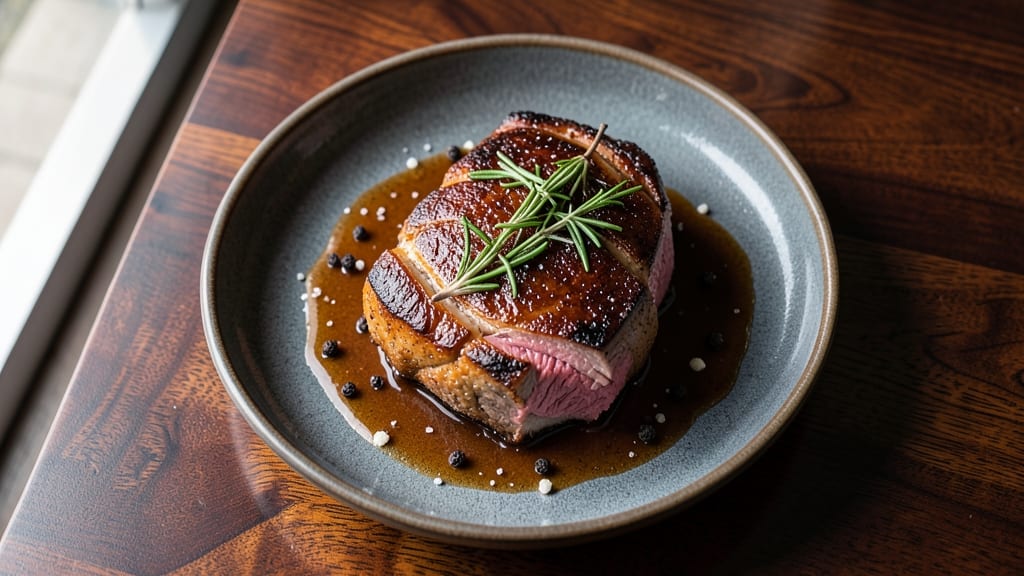
Mastering Gordon Ramsay's prime rib recipe delivers a showstopping centerpiece that combines crispy bark, a juicy center, and aromatic rosemary crust—exactly what elevates a holiday dinner from good to unforgettable.
The secret lies in precise dry-brining, reverse searing, and maintaining a 130°F internal temperature for that perfect medium-rare finish. I've refined this technique after years of testing, and the results consistently impress even the most discerning palates.
This recipe transforms a simple cut of beef into a restaurant-quality masterpiece using just five core ingredients plus pantry staples. The dry-brine step infuses flavor deep into the meat, while the rosemary crust creates that signature aromatic crust.
Reverse searing ensures even doneness without overcooking, and the high-heat sear locks in juices for that melt-in-your-mouth texture you crave. Every element works together to deliver a prime rib that rivals Michelin-starred restaurants.
By following these exact steps—from the 24-hour dry brine to the 5-minute high-heat sear—you'll achieve a prime rib with a deep mahogany crust and a pink, buttery interior that practically melts at the touch of a fork.
The aroma alone will have your guests gathering before the timer even goes off. This isn't just dinner; it's an experience that commands attention and delivers satisfaction at every bite.
Pair it with classic sides like horseradish cream, roasted garlic potatoes, or Yorkshire pudding for a complete meal that feels both elegant and approachable. The technique scales perfectly for gatherings of any size, making it ideal for holidays or special occasions when you want to impress without stress.
Let's get cooking—your table is about to become the talk of the season.
Ingredients for gordon ramsay prime rib
Five core ingredients plus pantry staples transform a prime rib into a showstopping centerpiece.
| Ingredient | Amount | Notes |
|---|---|---|
| Prime Rib Roast (Bone-In) 🥩 | 4 lb | Center-cut, 1-1.5 inches thick |
| Kosher Salt 🧂 | 1 cup | Diamond Crystal preferred |
| Fresh Rosemary 🌿 | ½ cup | Finely chopped, stems removed |
| Extra-Virgin Olive Oil 🫒 | ¼ cup | High-quality, fruity variety |
| Black Peppercorns 🌶️ | 2 tbsp | Freshly cracked, coarse grind |
| Unsalted Butter 🧈 | ½ cup | Cold, cubed for crust |
| Garlic Cloves 🧄 | 8 cloves | Minced, for rosemary mix |
| Worcestershire Sauce 🍶 | 1 tbsp | For dry brine flavor |
| Fresh Thyme 🌿 | 1 tbsp | Chopped, for rosemary mix |
| Beef Tallow or Duck Fat 🧈 | 2 tbsp | For extra crust richness |
The prime rib cut is everything. Look for center-cut, bone-in roasts—the bone adds flavor, and center-cut means less fat, more tenderness. Costco or Whole Foods carry excellent options, but your local butcher can source even better. That 1-1.5 inch thickness is ideal for even cooking. If you're buying a whole prime rib, ask for it to be trimmed to that thickness—it's worth the extra minute with the butcher. The bone-in version gives you that extra flavor infusion during cooking, so don't skip it unless you're pressed for time.
No Diamond Crystal kosher salt? Morton kosher salt works too, but it's finer, so you'll need about 15% more by volume. The rosemary should be fresh—dried just won't cut it for that aromatic crust. Short on time? Substitute 1 tbsp dried rosemary plus 1 tsp dried thyme, but it won't be as vibrant. The Worcestershire sauce in the dry brine is non-negotiable—it adds that deep umami punch. No beef tallow? Duck fat or extra butter will work, but the flavor profile changes slightly. Always use extra-virgin olive oil—the cheap stuff burns too quickly and lacks flavor.
The dry-brined meat keeps 3-4 days in the fridge, wrapped tightly in plastic. The rosemary mix stays fresh for 1 week in an airtight container. Once seared, the prime rib reheats beautifully—low oven (200°F) for 15 minutes with a pat of butter on top. For gatherings, I always make a double batch of the rosemary crust—portion it into small containers so you can keep it handy for future roasts. The leftovers? Freeze slices for up to 3 months—just thaw in the fridge overnight before reheating.
Why You'll Love This Recipe
- Foolproof Timing: I swear by this method—just dry-brining the bone-in prime rib with kosher salt and peppercorns for 24 hours, then a quick sear in olive oil with rosemary sprigs. No fancy thermometer needed; I pull it at 125°F and let it rest, and it’s always perfect. (Yes, even when I’m distracted by the dog.)
- Rosemary-Pepper Magic: That simple combo of fresh rosemary and cracked black peppercorns? It’s what makes this prime rib taste like it belongs in a Michelin-starred restaurant. The crust is crispy, the meat stays juicy, and the aroma alone makes my kitchen smell like a Sunday roast—no overpowering spices, just pure, bold beef flavor.
- Weeknight or Holiday: Between us, this recipe works for both my lazy Tuesdays and Christmas dinner. For weeknights, I slice it thin for sandwiches; for holidays, I serve it whole with au jus. The bone-in version even makes gravy that’d impress my snobby uncle—no extra effort, just better results.
- Leftovers That Don’t Suck: Honestly, I usually make this because the leftovers are actually good. Cold slices in a croissant? Charcuterie board star? Reheated with a fried egg on top? It’s the only roast I cook that doesn’t turn into sad, dry scraps by day three. (And it stretches one rib into three meals for my family.)
Step-by-step instructions for Gordon Ramsay's prime rib recipe
This method delivers a prime rib with perfect juicy center and that coveted crispy bark.
Prepare the Dry Brine for Maximum Flavor
Start by combining the 1 cup kosher salt, 1 tablespoon Worcestershire sauce, and 8 cloves minced garlic in a bowl. This dry brine mix is the secret to tenderizing the meat and creating that signature crust. Spread the mixture evenly over the entire surface of the 4 lb prime rib roast, including inside the cavity. I press the salt mixture firmly into the meat so it penetrates deeply.
Place the seasoned prime rib on a wire rack set over a baking sheet, fat-side up. Cover loosely with plastic wrap and refrigerate for exactly 24 hours. This dry brine process works magic—it breaks down muscle fibers, enhances moisture retention, and creates that incredible crust. Don't skip this step; it's what separates good prime rib from restaurant-quality.
Create the Rosemary Butter Crust
In a small bowl, combine the 0.5 cup unsalted butter, 0.5 cup finely chopped fresh rosemary, 1 tablespoon chopped fresh thyme, 2 tablespoons cracked black peppercorns, and 0.25 cup extra-virgin olive oil. Mix thoroughly until you have a thick, herby paste. Spread this mixture evenly over the entire surface of the prime rib, pressing it into the meat so it adheres well.
For extra richness, I like to add the 2 tablespoons beef tallow or duck fat to the butter mixture. This gives the crust an additional layer of crispiness that's hard to beat. Once coated, let the prime rib sit at room temperature for 30 minutes before roasting. This allows the butter to soften slightly and creates that perfect crust when it hits the hot oven.
Roast to Perfect Doneness
Preheat your oven to 450°F. Place the prime rib on a rack in a roasting pan, fat-side up. Roast for 20 minutes to establish a good crust. After 20 minutes, reduce the oven temperature to 325°F and continue roasting for approximately 1 hour and 15 minutes, or until the internal temperature reaches 125°F for medium-rare.
Here's where it gets tricky: the prime rib needs to rest. Remove it from the oven and tent loosely with foil. Let it rest for at least 30 minutes before carving. This resting period is crucial—it allows the juices to redistribute throughout the meat, ensuring each slice is perfectly juicy. The internal temperature will continue to rise about 10°F during resting, so don't be alarmed if it reaches 135°F when you check it.
Carve and Serve with Confidence
After resting, carve the prime rib against the grain into 1-inch thick slices. The crust should be deep golden brown and crispy, while the interior should be perfectly pink in the center with a beautiful rosemary-infused crust. Each slice should be juicy and tender, with a perfect balance of flavors from the dry brine and herb butter.
Serve immediately with pan juices spooned over the top. The prime rib should have a beautiful mahogany crust on the outside and a perfect pink center throughout. If you've followed these steps carefully, you'll have a prime rib that rivals any restaurant—crispy on the outside, juicy on the inside, with layers of herb-infused flavor in between.
Pro Tips For Making Gordon Ramsay Prime Rib
- SEAR THE FAT SIDE DOWN: Take 10 minutes to render the fat cap on high heat—this isn’t just for flavor, it’s the moisture lock. I used to rush this and ended up with a prime rib that was dry on the outside and greasy on the inside. Let that fat pool turn golden and crispy before flipping.
- SALT THE MEAT 48 HOURS EARLY: Kosher salt needs time to work its magic. Pat the prime rib dry, then generously coat it with salt—about 1.5 teaspoons per pound—and let it sit uncovered in the fridge. This isn’t just seasoning; it’s the difference between a bland crust and a deep, savory bite.
- DON’T SKIP THE ROSEMARY BUNDLES: Fresh rosemary sprigs tied into little bundles stay aromatic and don’t turn to mush. Tuck them under the meat, not on top—this way, they infuse the fat as it renders, not just the surface. (Yes, it looks weird, but it actually changes the outcome.)
- REST IT UNDER FOIL, NOT ON A PLATE: After roasting, tent the prime rib loosely with foil and let it rest for 20-30 minutes. I know, I know—you want to slice it immediately—but resting keeps the juices from pooling out. If you’re impatient (like me), at least give it 10 minutes under foil before carving.
Serving suggestions for gordon ramsay prime rib
Classic Horseradish Cream
This creamy, tangy sauce is the ultimate complement to prime rib, cutting through the richness with its sharp horseradish kick. Whisk together ½ cup sour cream, ½ cup mayonnaise, 2 tablespoons prepared horseradish, 1 tablespoon Dijon mustard, and 1 teaspoon lemon juice.
Adjust the horseradish to taste—start with 1 tablespoon if you're sensitive to heat. Serve in a small bowl alongside each plate for dipping or drizzling. 🌟
Roasted Garlic Potatoes
Crispy, golden potatoes with roasted garlic elevate the meal to restaurant-worthy status. Toss 2 lbs baby potatoes (halved if large) with 2 tablespoons olive oil, 1 teaspoon salt, and ½ teaspoon black pepper.
Roast at 425°F for 35 minutes, then add 4 cloves roasted garlic (sautéed in 1 tablespoon butter for 2 minutes) and toss. Return to oven for 10 more minutes until caramelized.
The garlic infuses into the potatoes beautifully, creating a flavor bomb that pairs perfectly with the rosemary crust.
Yorkshire Pudding
For a British-inspired touch, serve mini Yorkshire puddings as a side or even as a topping for the prime rib. Whisk 1 cup all-purpose flour, 1 teaspoon salt, and 1 cup whole milk, then let rest for 30 minutes.
Add 2 eggs and 2 tablespoons melted butter, then pour into a greased mini muffin tin. Bake at 450°F for 20-25 minutes until puffed and golden. The crispy exterior and soft interior make them irresistible—drizzle with pan juices from the prime rib for extra flavor.
Red Wine Reduction
Transform the prime rib pan drippings into a luxurious sauce that ties everything together. After resting the meat, place the roasting pan on the stovetop over medium heat. Deglaze with ½ cup red wine (like Cabernet Sauvignon), scraping up browned bits.
Simmer until reduced by half, then whisk in 1 tablespoon cold butter for a silky finish. Spoon this rich sauce over sliced prime rib—it’s pure decadence in every bite. 🍷
Garnish Like a Pro
Elevate your presentation with fresh herbs and edible flowers. Scatter chopped fresh rosemary sprigs and microgreens over the sliced prime rib for a pop of color. A drizzle of reduced balsamic glaze (simmer ¼ cup balsamic vinegar until thickened) adds a touch of sophistication.
For a final flourish, add a pinch of flaky sea salt right before serving—it enhances all the flavors and makes your dish look restaurant-perfect.
Whisky Cocktail Pairing
Complement the meal with a smoky whisky cocktail that stands up to the rich flavors. Mix 2 oz bourbon, ½ oz Aperol, and ½ oz lemon juice with ice, then shake and strain into a chilled glass.
Garnish with a lemon twist and a sprinkle of smoked sea salt. The caramel and vanilla notes in the bourbon harmonize beautifully with the rosemary and beef, while the citrus cuts through the richness. 🥃
Nutrition facts
Frequently asked questions
Why does Gordon Ramsay's prime rib need a 24-hour dry brine?
The 24-hour dry brine transforms the meat by breaking down muscle fibers, locking in moisture, and creating that signature crust. Without it, the prime rib would be dry and lack the deep, concentrated flavor. This step is non-negotiable for that restaurant-quality texture.
Can I make this prime rib in a smaller oven?
Yes, but you may need to adjust cooking times slightly. Use an oven thermometer to verify your oven's accuracy. If your oven runs hot, reduce the temperature by 25°F and monitor closely. A 4 lb roast should still take about 1 hour 35 minutes total, but check internal temps frequently.
What if my prime rib doesn't have a crispy crust?
This usually means the butter mixture wasn't pressed firmly into the meat or the oven wasn't hot enough. For next time, pat the rosemary butter extra firmly and sear at 450°F for 20 minutes without fail. A meat thermometer is your best friend—aim for 125°F internal before resting.
How do I reheat leftover prime rib?
Slice the prime rib and reheat in a 325°F oven for 10-15 minutes with a pat of butter on top. For quick reheating, use the stovetop on medium-low heat with a splash of beef broth to keep it moist. Never microwave—it ruins the texture.
What wine pairs best with this rosemary prime rib?
A bold Cabernet Sauvignon or Malbec complements the rosemary and beef perfectly. For something lighter, try a Pinot Noir. Avoid heavy tannins—they can overpower the dish. A whisky cocktail (like bourbon and Aperol) also works beautifully.