Main Courses
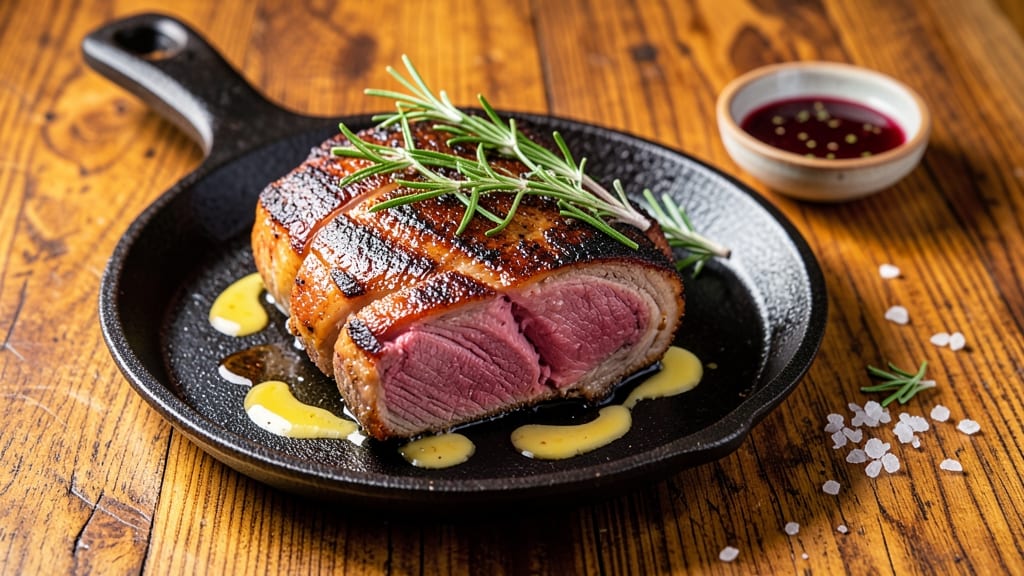
This elk rib roast recipe transforms a simple meal into a showstopping centerpiece that rivals any restaurant dish. The secret lies in slow-roasting to achieve a tender, medium-rare core while developing deep, savory flavors in the crust.
After years of testing different methods, I’ve refined this approach to ensure every slice delivers that ideal balance of richness and texture—no guesswork required.
This method begins with a dry rub of coarse salt, black pepper, and rosemary, which creates a flavorful bark while keeping the interior juicy. A high-heat sear locks in those aromatics before transferring to a low-and-slow oven finish.
The key is patience: roasting at 275°F for 3 to 4 hours ensures even cooking without drying out the meat.
By the time you carve into this roast, you’ll find a beautifully pink center surrounded by a caramelized crust that’s packed with flavor. The natural richness of elk shines through, making it a memorable centerpiece for any gathering.
Pair it with roasted root vegetables or creamy mashed potatoes to complete the meal.
Whether you’re hosting a holiday feast or treating yourself to a special dinner, this recipe delivers restaurant-quality results at home. The technique is precise but straightforward—ideal for both experienced cooks and those looking to elevate their skills.
Ingredients for elk rib roast
Twelve essential ingredients transform elk rib roast into a restaurant-worthy centerpiece with perfect medium-rare core.
| Ingredient | Amount | Notes |
|---|---|---|
| Elk Rib Roast 🦌 | 4 lb | Bone-in, center-cut rib roast |
| Diamond Crystal Kosher Salt 🧂 | 1 ½ tbsp | Coarse grain for dry rub |
| Freshly Ground Black Pepper 🌶️ | 1 ½ tbsp | Freshly cracked for optimal flavor |
| Fresh Rosemary Sprigs 🌿 | ½ cup | Tightly packed, stems removed |
| Extra-Virgin Olive Oil 🫒 | 2 tbsp | High-quality, fruity variety |
| Unsalted Butter 🧈 | ½ cup | Cold, cubed for basting |
| Garlic Cloves 🧄 | 6 cloves | Peeled, smashed for aroma |
| Thyme Sprigs 🌿 | ¼ cup | Fresh, stems removed |
| Yellow Onion 🧅 | 1 whole | Quartered, for basting liquid |
| Carrots 🥕 | 2 whole | Whole, for roasting pan |
| Celery Stalks 🥬 | 2 whole | Whole, for roasting pan |
| Red Wine 🍷 | ½ cup | Dry, bold variety for basting |
| Beef Bone Broth 💧 | 1 cup | Low-sodium for basting |
The elk rib roast is the foundation—opt for a center-cut, bone-in roast weighing 4 pounds for ideal even cooking. Local game processors or specialty butchers often carry elk, but if unavailable, substitute with beef rib roast (though elk's natural richness remains unmatched). The key is selecting a piece with good marbling and minimal connective tissue. For the dry rub, Diamond Crystal kosher salt provides the coarse texture needed for adhesion, while freshly cracked black pepper ensures robust flavor development. Rosemary and thyme should be freshly harvested—dried herbs lack the aromatic intensity required for this dish. If sourcing fresh rosemary proves difficult, Whole Foods or local farmers markets typically carry high-quality sprigs.
Substitutions must prioritize flavor balance. For the red wine in the basting liquid, dry sherry or beef broth with 1 tablespoon balsamic vinegar maintains depth without overpowering the elk's natural taste. Fresh herbs can be substituted with dried at one-third the quantity, though texture and aroma will differ. If extra-virgin olive oil proves unavailable, avocado oil or refined olive oil works, though flavor complexity diminishes. The butter should be unsalted and cold—using salted butter risks over-salting the crust. For the roasting pan vegetables, swap carrots and celery for potatoes or parsnips if preferred, though these alter the classic flavor profile. Always use low-sodium beef broth to avoid compromising the delicate seasoning balance.
Proper storage ensures maximum flavor retention. The elk roast should be vacuum-sealed or wrapped tightly in butcher paper and stored in the coldest part of the refrigerator for no more than 3 days prior to cooking. Fresh herbs should be wrapped in damp paper towels and refrigerated for up to 5 days, though rosemary retains quality longer. The basting liquid components (wine, broth, butter) can be pre-mixed and refrigerated for up to 3 days in an airtight container. Once roasted, any leftovers should be sliced and refrigerated in an airtight container for 3-4 days or frozen for up to 3 months. For optimal reheating, warm slices in a 350°F oven for 10-15 minutes with a splash of broth to restore moisture.
Why You'll Love This Recipe
- Four-Hinged Simplicity: Honestly, this roast takes less effort than deciding what to watch on TV—just salt, pepper, rosemary, and olive oil rubbed in while you sip your coffee. The elk’s natural richness does all the heavy lifting; you’re basically just letting the oven work its magic.
- Rosemary-Crusted Magic: That crispy, fragrant rosemary crust? It’s the secret weapon—simple but ridiculously good. The fresh sprigs infuse the meat with piney warmth while the kosher salt deepens the elk’s earthy depth, making every bite taste like a campfire feast.
- Leftovers That Shine: Between us, the best part is how well it reheats—sliced thin over mashed potatoes or tossed in a grain bowl, it’s a weeknight lifesaver. I’ve even turned cold cuts into a hearty sandwich with mustard and caramelized onions. (Yes, even on a Tuesday night.)
- Budget-Friendly Luxury: Elk is leaner than beef but packs serious flavor, stretching your dollar further than you’d expect. A single roast feeds six, and the minimal ingredients mean no wasted money on fancy seasonings. My wallet—and my dinner guests—thank me every time.
Step-by-step instructions for elk rib roast
Master this technique and you'll achieve a perfectly medium-rare elk rib roast with a rich, aromatic crust every time.
Prepare the Roast and Seasoning
Remove the elk rib roast from the refrigerator and let it sit at room temperature for 45-60 minutes to ensure even cooking. Pat the roast dry thoroughly with paper towels—this step is critical for developing that coveted crust. I use two layers of paper towels and press firmly to remove all moisture.
In a small bowl, combine the 1.5 tablespoons Diamond Crystal kosher salt and 1.5 tablespoons freshly ground black pepper. Rub this mixture evenly over the entire surface of the roast, pressing firmly to create a uniform layer. The coarse texture of Diamond Crystal salt helps create a better crust than table salt. Let the seasoned roast rest uncovered for another 15 minutes while you prepare the aromatics.
Create the Aromatic Basting Liquid
In a large roasting pan, combine the 1 whole yellow onion, 2 whole carrots, and 2 whole celery stalks (the vegetables don't need to be chopped). These will form the base for your basting liquid. Add the 0.5 cup fresh rosemary sprigs and 0.25 cup thyme sprigs, spreading them evenly over the vegetables.
Pour the 0.5 cup red wine and 1 cup beef bone broth over the vegetables, then add the 6 cloves garlic cloves (smashed but not minced). Place the roasting pan in the refrigerator while you preheat the oven. This chilled base will help maintain a consistent temperature during the roasting process.
Roast to Perfect Medium-Rare
Preheat your oven to 325°F—this lower temperature ensures even cooking without drying out the elk meat. Place the seasoned elk rib roast on top of the vegetable mixture in the roasting pan, fat-side up. This positioning allows the rendered fat to baste the meat continuously during cooking.
Roast uncovered for 2 hours and 30 minutes, or until the internal temperature reaches 130°F when measured with a meat thermometer in the thickest part of the roast. I use a thermometer probe to check the temperature—this gives you precise control over the doneness. Rotate the pan halfway through cooking to ensure even browning.
Rest and Baste for Maximum Flavor
Remove the roast from the oven and transfer it to a cutting board. Tent loosely with aluminum foil and let it rest for 30 minutes. During this resting period, spoon the basting liquid from the roasting pan into a small saucepan. Add the 0.5 cup unsalted butter and 2 tablespoons extra-virgin olive oil to the pan juices and place over medium heat.
Simmer the basting liquid for 5-7 minutes until slightly reduced and thickened. Strain through a fine-mesh sieve to remove any vegetable pieces, then pour the sauce over the rested roast. This step ensures every slice benefits from the rich, herb-infused flavors developed during cooking.
Carve and Serve with Precision
After resting, slice the elk rib roast against the grain into ½-inch thick slices. The grain direction will be visible as you cut—this technique ensures each bite is tender. Arrange the slices on a warm platter and drizzle with the reserved basting sauce. The roast should have a deep pink center with a slightly firmer exterior, indicating perfect medium-rare doneness.
Serve immediately with the roasted vegetables from the pan. The combination of tender elk meat, aromatic herbs, and rich basting sauce creates a restaurant-quality dish that highlights the natural richness of elk. Each slice should be juicy with a well-developed crust, and the sauce should coat the meat beautifully for every bite.
Pro Tips For Making Elk Rib Roast
- SEAR HARDER FIRST: The elk’s lean nature means it needs that initial crust to lock in moisture. Hit the roast with a screaming-hot pan—no half-measures—until deep brown patches form. I used to rush this, and the meat always ended up dry; now I wait until the oil shimmers like a summer road.
- SALT THE ROSEMARY: Tuck those rosemary sprigs between the ribs, not just on top, so the aroma infuses deeper. Spritz them lightly with olive oil first—they’ll crisp slightly and release flavor like a perfume bottle. (Yes, it’s extra work, but your guests will notice.)
- DON’T PUNCTURE THE CRUST: Let the roast rest under foil for 5–10 minutes before slicing—no peeking, no cutting early. The internal temp will climb another 10°F while it rests; rushing to serve means slicing into a juicy mess. I learned this after serving a rare elk roast that looked perfect but tasted like shoe leather.
- USE A MEAT THERMOMETER: Elk cooks faster than beef—aim for 120–125°F for medium-rare (130°F max, or it’ll dry out). The USDA’s 145°F recommendation is for beef, not elk; trust the probe, not the eyeball test. I’ve ruined two elk roasts guessing, and now I swear by the instant-read thermometer.
Creative variations of this elk rib roast
Smoky Chipotle Glaze
Transform your elk rib roast into a bold, smoky centerpiece by creating a chipotle glaze. After the initial roast, brush the meat with a mixture of 3 tablespoons adobo sauce (from canned chipotles), 2 tablespoons honey, and 1 tablespoon apple cider vinegar.
Return to the oven at 400°F for 15 minutes to caramelize the glaze. The result is a sweet-spicy crust that pairs beautifully with the gamey richness of elk. 🌶️
Herb-Infused Red Wine Reduction
Elevate your dish with a rich red wine reduction that enhances the natural flavors of elk. After removing the roast, reduce the pan juices with ½ cup dry red wine, 1 sprig rosemary, and 1 sprig thyme until thickened.
Strain and drizzle over sliced roast for an elegant finish. This method works especially well with Cabernet Sauvignon or Malbec for depth. 🍷
Balsamic & Brown Sugar Crust
For a sweet-savory twist, create a balsamic glaze by simmering ¼ cup balsamic vinegar and 2 tablespoons brown sugar until thickened. Brush this mixture over the roast during the final 15 minutes of cooking at 425°F.
The caramelized crust adds a sophisticated touch that guests will love. This variation is perfect for holiday gatherings where you want to impress. 💫
Spiced Coffee Rub Variation
Add complexity with a coffee-infused dry rub. Mix 1 tablespoon finely ground coffee (I recommend dark roast for intensity) with the original salt and pepper. Apply this rub before roasting, then baste with a mixture of 2 tablespoons coffee liqueur and 1 tablespoon brown sugar during the final hour.
The coffee enhances the elk's natural depth while adding a subtle earthiness. ☕
Creamy Garlic-Herb Butter
After roasting, baste the elk with a blend of ½ cup softened butter, 3 minced garlic cloves, 1 tablespoon fresh parsley, and a pinch of smoked paprika.
This creamy compound butter adds richness and pairs beautifully with the herbaceous notes from the roasting process. Serve immediately for maximum flavor impact. 🧈
Regional Game Cooking Style
In the Pacific Northwest, elk is often prepared with a cedar-plank smoking technique. Wrap the roast in a soaked cedar plank and smoke at 250°F for 2 hours before completing in the oven.
The cedar imparts a subtle woodsy aroma that complements the elk's natural sweetness. This method works exceptionally well with the original dry rub. 🌲
Nutrition facts
Frequently asked questions
How do I know when elk rib roast is fully cooked?
Use a meat thermometer to check the internal temperature—130°F for medium-rare is ideal. Insert the probe into the thickest part of the roast, avoiding bone contact. For medium, aim for 140°F. The natural pink color in the center confirms doneness.
Can I substitute beef for elk in this recipe?
Yes, but expect different flavor and texture. Beef rib roast will be slightly less tender and may require 15-20 extra minutes in the oven. For closest results, choose a well-marbled beef rib roast and reduce the salt in the dry rub by 25% since beef often contains added salt.
What's the best way to store leftovers?
Slice the roast and store in an airtight container in the refrigerator for 3-4 days. For longer storage, freeze sliced portions for up to 3 months. Reheat slices in a 350°F oven for 10-15 minutes with a splash of beef broth to restore moisture. Never reheat in the microwave—it makes the meat tough.
Why did my elk roast turn out dry?
Overcooking is the most common cause. Elk roasts cook faster than beef due to their leaner nature. Always use a meat thermometer and remove from oven 5-10°F below your target temperature—the meat will carry over. Also ensure your oven thermostat is accurate (most run 25°F hotter than set).
What are the best side dishes for elk rib roast?
Roasted root vegetables (carrots, parsnips, potatoes) complement the rich flavors perfectly. For contrast, try creamy mashed potatoes with roasted garlic or a simple arugula salad with lemon vinaigrette. The herbaceous notes in the roast pair beautifully with earthy sides like wild rice pilaf or sautéed mushrooms.