
Snacks
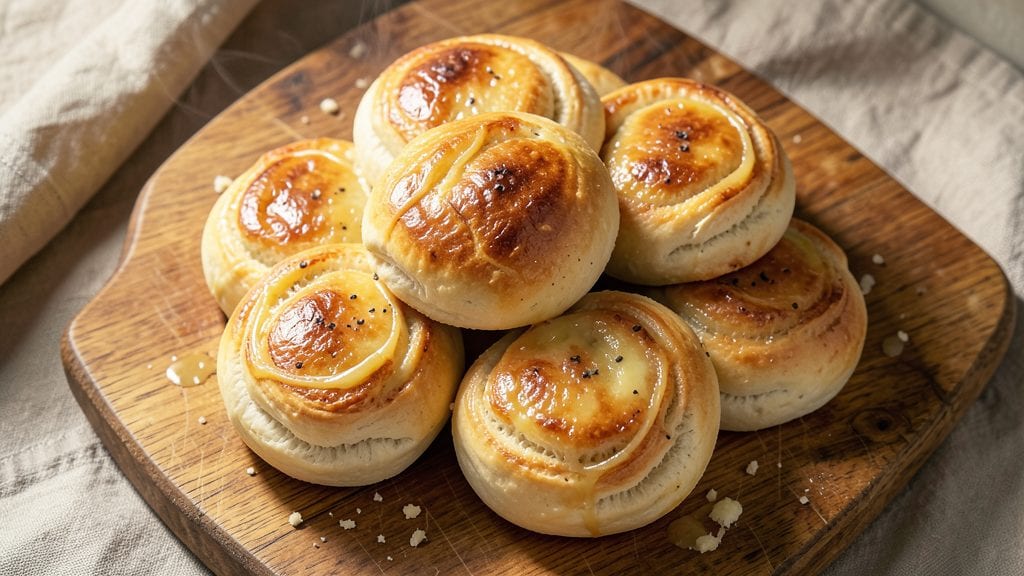
Fleischmann rolls recipe delivers the perfect balance of flaky, buttery layers and sweet cinnamon filling that transforms any meal into something special.
These iconic rolls have been a staple in kitchens for generations, and mastering their technique ensures you'll achieve that signature tender, airy texture with just the right amount of sweetness.
The secret lies in precise yeast activation, proper kneading, and patient proofing—steps that might seem tedious but are absolutely essential for achieving that restaurant-quality result at home.
The dough begins with a simple mix of flour, yeast, sugar, and butter, but the real magic happens during the kneading and proofing stages. When done correctly, the dough develops a delicate gluten structure that creates those signature flaky layers when baked.
The cinnamon filling adds a touch of warmth and sweetness that pairs beautifully with savory dishes or stands alone as a comforting snack.
With just a few simple ingredients and some patience, you can create rolls that are crisp on the outside, soft and tender on the inside, and infused with that irresistible cinnamon flavor.
What makes these rolls truly special is their versatility—they work as a side for breakfast, lunch, or dinner, or even as a sweet treat when served warm with butter. The baking process is straightforward once you understand the key techniques, and the results are well worth the effort.
Whether you're making them for a family gathering or just treating yourself to a homemade snack, these Fleischmann rolls will become a new favorite in your kitchen.
Ready to bake rolls that rival your favorite bakery? The process is simpler than you might think, and the payoff is undeniable. Let’s get started on creating rolls that are flaky, delicious, and full of that comforting cinnamon goodness.
Ingredients for fleischmann rolls
Twelve simple ingredients transform into golden, flaky rolls with a sweet cinnamon heart.
| Ingredient | Amount | Notes |
|---|---|---|
| All-Purpose Flour 🌾 | 5 cups | Sifted for light texture |
| Active Dry Yeast 🍞 | 2 ½ tsp | Fresh yeast preferred |
| Granulated Sugar 🍚 | ½ cup | For yeast activation |
| Unsalted Butter 🧈 | ½ cup | Cold, cubed for layers |
| Large Eggs 🥚 | 1 whole | Room temperature |
| Warm Water 💧 | 1 cup | 110°F for yeast |
| Salt 🧂 | 1 tsp | Kosher or sea salt |
| Ground Cinnamon 🌿 | 2 tbsp | For filling warmth |
| Packed Brown Sugar 🍯 | ½ cup | Rich caramel flavor |
| Unsalted Butter 🧈 | ¼ cup | Melted for filling |
| Vanilla Extract 🍃 | 1 tsp | Pure vanilla preferred |
| Pinch of Salt 🧂 | ¼ tsp | Balances sweetness |
The flour is non-negotiable here—King Arthur or Gold Medal are my go-tos for that perfect gluten development. Active dry yeast works fine, but if you've got fresh yeast, use 1.5 teaspoons instead. The butter? Land O'Lakes or Plugrá—full-fat, unsalted, and cold when you cube it. Room temperature eggs prevent lumpy dough, so let them sit out for 30 minutes. For the cinnamon filling, McCormick or Goya ground cinnamon adds that warm, cozy flavor. Brown sugar? Domino or Muscovado—the molasses notes deepen the caramelization.
No active dry yeast? Instant yeast works 1:1—just skip the activation step and mix it straight into the flour. Short on butter? Coconut oil mimics the layers, but butter's flavor wins. For vanilla, Nielsen-Massey is worth the splurge, but imitation works in a pinch. The filling can be prepped ahead—just store it in the fridge for up to 3 days or freeze for 3 months. If your dough feels sticky, add 1 tbsp more flour—it should be soft but not wet. And trust me, don’t skip the proofing time—that’s where the magic happens.
Dough keeps 2 days wrapped in plastic in the fridge, or 3 months frozen in a sealed bag. The filling? 5 days in the fridge, or freeze for 6 months. For extra flakiness, chill the dough between folds—even 15 minutes helps. Rolls reheat beautifully: 5 minutes at 350°F wrapped in foil. Leftovers? Toast them for breakfast—game changer. And if anyone asks, these are 100% worth the wait.
Why You'll Love This Recipe
- No-Knead Magic: I swear by this dough—just mix, let it rise, and boom. No stand mixer, no overworking, just a bowl and patience (the good kind). The yeast and sugar wake up those flour proteins like a morning coffee, and by the time you’re ready to shape them, they’re practically begging to be rolled.
- Buttery Golden Crunch: That butter in the dough? It’s not just flavor—it’s texture. The rolls turn into little pillowy clouds with a crackly crust that’s dangerously hard to stop eating. Honestly, I’ve burned toast trying to replicate that crisp after the first bite.
- Holiday or Tuesday: Serve them warm with gravy for Thanksgiving, or slap them on a charcuterie board with cheese and jam for a lazy Sunday. They freeze like a dream too—just reheat in the oven, and no one will guess they’ve been sitting in your freezer for weeks.
- Pantry Staple Power: Five ingredients, zero specialty items. If you’ve got flour, yeast, and butter, you’ve got rolls. I’ve made these on a budget, for a crowd, and even as a last-minute side—because sometimes, simple wins. Plus, leftovers? They’re the best kind of leftovers.
Step-by-step instructions for Fleischmann rolls
Here's how to create those iconic flaky layers and rich cinnamon filling that make these rolls legendary.
Activate the Yeast and Mix the Dough
In a large bowl, combine the 1 cup warm water (about 110°F) with the 0.5 cup granulated sugar and 2.5 tsp active dry yeast. Let it sit for 5-10 minutes until it becomes foamy and bubbly—this tells you the yeast is alive and ready to work. If it doesn't bubble, your yeast might be expired.
In a separate bowl, whisk together the 5 cups all-purpose flour and 1 tsp salt. Make a well in the center and pour in the yeast mixture along with the 1 whole large egg and 0.5 cup unsalted butter (cold and cubed). Using a wooden spoon or dough whisk, mix until a shaggy dough forms. The butter should be incorporated but still visible in chunks—this creates those beautiful flaky layers later.
Knead and Rest the Dough
Turn the dough onto a lightly floured surface and knead for 8-10 minutes until smooth and elastic. You'll know it's ready when it springs back slowly when poked. If the dough feels too sticky, add flour 1 tablespoon at a time—but don't overdo it or the rolls will be dense. Shape into a ball, place in a lightly greased bowl, cover with a clean kitchen towel, and let rise in a warm place for 1-1.5 hours or until doubled in size.
I like to place the bowl near a slightly turned-on oven with the light on for gentle warmth. This helps the dough rise evenly without developing a tough crust. Poke the dough gently—if it springs back slowly, it's ready for the next step. If it springs back quickly, give it another 20-30 minutes.
Prepare the Cinnamon Filling
While the dough rises, make the filling by combining the 0.5 cup packed brown sugar, 2 tbsp ground cinnamon, 0.25 tsp pinch of salt, and 1 tsp vanilla extract in a small bowl. In a separate saucepan, melt the 0.25 cup unsalted butter over low heat until just melted but not browned. Remove from heat and stir into the dry ingredients until fully combined. Let the mixture cool slightly—it should be thick but spreadable.
This filling is what makes Fleischmann rolls special. The balance of sweet brown sugar, warm cinnamon, and a hint of salt creates that perfect flavor profile. If the filling seems too runny, let it sit for a few minutes to thicken slightly. You want it to hold its shape when rolled into the dough but still be spreadable.
Roll and Fill the Dough
Once the dough has risen, punch it down to release the air and turn it onto a lightly floured surface. Roll it out into a 12x18-inch rectangle about 1/8-inch thick. Spread the cooled cinnamon filling evenly over the dough, leaving a 1-inch border around the edges. This border prevents the filling from leaking out during baking.
Starting from the long side, roll the dough tightly into a log, pinching the seam to seal. Cut the log into 12 equal pieces (about 2.5 inches each) and place them cut-side down in a greased 9x13-inch baking dish. Cover with a towel and let rise for another 30-45 minutes until puffy. The rolls should look almost doubled in size and slightly jiggly when touched.
Bake to Golden Perfection
Preheat your oven to 375°F. Bake the rolls for 20-25 minutes until they're deep golden brown on top and the filling is bubbling through the cuts. The rolls should smell sweet and cinnamon-scented—this is your cue that they're ready. If the tops aren't brown enough after 20 minutes, broil for 1-2 minutes to get that perfect caramelized color.
Let the rolls cool in the pan for 5 minutes before serving. The centers should be soft and gooey with cinnamon filling oozing out, while the crust remains tender but slightly crisp. Serve warm with a dusting of powdered sugar or a pat of softened butter for the ultimate Fleischmann experience.
Pro Tips For Making Fleischmann Rolls
- Test Yeast First: Fleischmann rolls need active yeast, and nothing’s worse than waiting an hour to find yours is dead. Mix 1 teaspoon yeast with ¼ cup warm water (110°F) and 1 tsp sugar—if it doesn’t foam in 5–10 minutes, toss it and grab fresh.
- Soften Butter Properly: Cold butter = tough rolls. Rub the butter between your palms until it’s soft but not melted (like a squishy stick), then cut it into small cubes. This keeps the dough tender without making it greasy.
- Skip the Over-Kneading: I used to knead until my arms gave out, but Fleischmann rolls only need 5–7 minutes by hand (or 3–4 minutes in a stand mixer). Overworked dough gets tough—stop when it springs back slowly when poked.
- Proof in a Warm Spot: Your oven isn’t the only option, but it’s the easiest. Turn it on low (170°F), place a bowl of warm water inside, then shut the door and proof the dough there. No thermometer? A warm corner near the fridge works too—just be patient.
Troubleshooting great fleischmann rolls
Yeast Didn't Activate
If your yeast mixture doesn’t bubble after 10 minutes, your yeast may be dead or your water too hot. Test with 110°F water—use a thermometer! I’ve ruined batches by using water straight from the tap (too hot) or old yeast.
Try fresh Fleischmann’s Active Dry Yeast or substitute 1.5 tsp instant yeast mixed directly into the flour. 🌡️
Dough Too Sticky
Sticky dough usually means too much liquid or not enough flour. Add flour 1 tbsp at a time while kneading—aim for dough that’s soft but not wet. Over-kneading can also make it sticky, so stop when it springs back slowly when poked.
If it’s still too sticky, chill the dough for 15 minutes before shaping. ⚡
Rolls Didn’t Rise
Cold kitchen or drafty spots can prevent rising. Place dough near a warm oven with the light on (gentle heat helps). If rolls rise unevenly, cover with a damp towel to retain moisture.
Overproofing (too long) causes flat rolls—poke gently to test readiness. 1-1.5 hours is ideal for the first rise. 💡
Filling Leaked Out
This happens when filling touches the edges or dough isn’t sealed tightly. Leave a 1-inch border and pinch the seam when rolling. If filling still leaks, reduce butter in the filling to 2 tbsp instead of ¼ cup—it’ll thicken more.
Chill the dough 10 minutes before cutting to prevent spreading. 🌟
Dense or Tough Rolls
Over-kneading or too much flour makes rolls dense. Knead just until smooth (8-10 minutes) and avoid adding extra flour unless necessary. Underproofed dough also causes toughness—ensure rolls double in size before baking. For extra tenderness, brush tops with melted butter before baking. 💪
Pale or Uneven Color
Broil for 1-2 minutes at the end if tops aren’t golden. Rotate the pan halfway through baking for even browning. Egg wash (1 egg + 1 tbsp water) brushed on tops before baking adds color and shine. Avoid opening the oven door early—temperature drops cause pale rolls. 🔥
Nutrition facts
Frequently asked questions
Can I make Fleischmann rolls without yeast?
No, yeast is essential for the signature flaky, airy texture. However, you can use 1.5 tsp instant yeast instead of active dry yeast—just mix it directly into the flour. For a yeast-free version, try puff pastry with the same cinnamon filling, but the results won't be identical.
How do I store leftover Fleischmann rolls?
Keep them fresh for 2 days at room temperature in an airtight container, or refrigerate for up to 5 days. For longer storage, freeze them for 3 months—thaw at room temperature or reheat wrapped in foil at 350°F for 5 minutes. Reheating restores that gooey cinnamon goodness!
Can I make the filling ahead of time?
Prepare the filling up to 3 days ahead and store it in the fridge, or freeze it for 3 months. Let it sit at room temperature for 10 minutes before spreading to make it easier to work with. The flavors deepen when made ahead, making your rolls even more aromatic.
What if my dough doesn’t rise?
Cold temperatures or old yeast are common culprits. Place the dough near a warm oven (light on) and cover it with a damp towel to trap heat. If using active dry yeast, ensure your water is 110°F—too hot kills the yeast. For instant yeast, skip activation and mix it straight into the flour.
Are these rolls good for sandwiches?
Yes! While they’re famously sweet, their soft texture makes them great for sandwiches too. For a savory version, skip the cinnamon filling and add 2 tbsp garlic powder or 1 tsp dried herbs to the dough. Brush with melted butter before baking for extra flavor.