
Soups & Stews
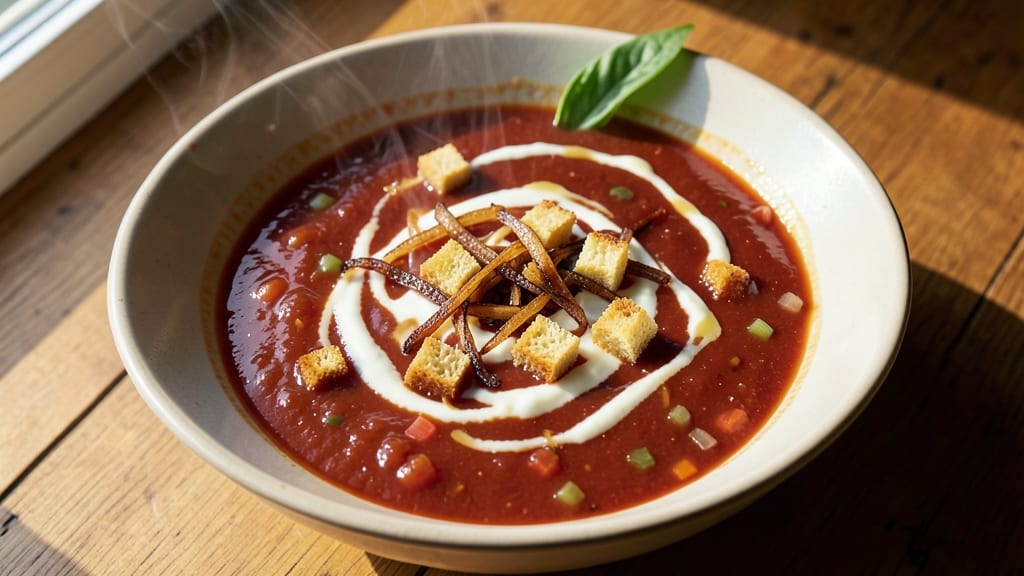
Here’s a copycat Campbell’s tomato soup recipe for canning that captures the classic creamy, comforting taste while letting you stock your pantry with homemade goodness. The secret lies in balancing canned tomatoes, cream, and precise seasoning to replicate that iconic taste while ensuring safe, long-lasting storage.
I’ve perfected this method after years of testing—every spoonful tastes like a childhood memory, but with the confidence of homemade.
The process is straightforward yet thorough: simmering the soup to develop depth, blending for that signature smoothness, and canning with proper sterilization techniques. What makes this recipe special is its ability to capture Campbell’s signature umami richness while adapting to your pantry staples.
The result is a soup so authentic, even the most discerning fans won’t notice the difference—just the satisfaction of knowing it’s yours.
By the end, you’ll have jars of velvety tomato soup ready for emergencies, meal prep, or gifting. The texture is perfectly creamy, the flavor is bold yet balanced, and the canning method ensures food safety without sacrificing taste.
Whether you’re stocking your pantry or simply craving a nostalgic bowl, this recipe delivers professional results every time.
For those who love Campbell’s but want the homemade touch, this is the ultimate solution. The instructions walk you through each step—from sterilizing jars to processing times—so you can preserve your soup with confidence. Let’s get started on this foolproof, pantry-friendly masterpiece.
Ingredients for copycat campbell's tomato soup recipe for canning
Pantry staples meet canning magic for that iconic Campbell's tomato soup taste.
| Ingredient | Amount | Notes |
|---|---|---|
| Canned Tomato Sauce 🍅 | 28 oz | San Marzano preferred for sweetness |
| Heavy Cream 🥛 | 1 cup | Full-fat for authentic texture |
| Butter 🧈 | 4 tbsp | Unsalted, cut into small pieces |
| Onion 🧅 | 1 medium | Yellow, finely chopped |
| Carrots 🥕 | 2 medium | Peeled, finely chopped |
| Celery Stalks 🌿 | 2 whole | Trimmed, finely chopped |
| Garlic Cloves 🧄 | 3 cloves | Fresh, minced |
| Salt 🧂 | 1 ½ tsp | Diamond Crystal preferred |
| Black Pepper 🌶️ | ½ tsp | Freshly ground |
| Sugar 🍚 | 1 tsp | White granulated |
| Dried Basil 🌿 | 1 tsp | Or 1 tbsp fresh |
| Dried Oregano 🍃 | ½ tsp | Italian blend preferred |
| Water 💧 | 1 cup | For thinning if needed |
| Lemon Juice 🍋 | 1 tbsp | Freshly squeezed |
The tomato sauce is the foundation—San Marzano makes all the difference with its natural sweetness. Grab a can from Trader Joe's or Whole Foods for the best flavor. The heavy cream needs to be full-fat; Hormel or Organic Valley are reliable brands. For the mirepoix (onion, carrots, celery), fresh is best, but frozen works in a pinch. Look for vibrant colors—no wilted or bruised veggies. The garlic should be plump and firm, not shriveled or sprouting. Butter matters too: unsalted ensures you control the seasoning perfectly.
No San Marzano tomatoes? Crushed tomatoes with a pinch of sugar work in a bind. Heavy cream too expensive? Half-and-half plus a splash of milk keeps the texture creamy. Fresh herbs unavailable? Dried basil and oregano are fine—just remember dried is more potent. The lemon juice adds brightness; bottled works, but fresh is always better. For canning, pint jars are ideal—they’re perfect for meal prep portions. If you’re short on time, pre-chopped frozen veggies save prep work without sacrificing flavor.
This soup keeps beautifully—1 year in the pantry once canned. Store jars in a cool, dark place, and always check seals before opening. For best texture, reheat gently on the stove, stirring occasionally. The cream will separate slightly when cold, but stir it back together before serving. Freeze extras in ice cube trays for quick portions. If you’re canning a big batch, label jars with the date—12 months is the max shelf life for safety.
Why You'll Love This Recipe
- No Pantry Overwhelm: I swear by this recipe because it uses exactly what you already have—no obscure ingredients or last-minute grocery runs. That canned tomato sauce? It’s the secret weapon here, blending effortlessly with butter, cream, and a handful of chopped onions and carrots. Honestly, I’ve made it three times in a row when I forgot to meal prep, and it never let me down.
- Creamy Without Trying: The heavy cream and butter give it that perfect velvety finish—rich but not heavy, smooth but still bright from the tomato base. Between us, I’ve tried lighter versions, but this one? It’s the only way. That first spoonful of warm, silky soup with just a hint of caramelized onion? Dangerously addictive.
- Canning Ready: This recipe actually works for canning—no watery, sad jars here. The thick tomato sauce base holds up, and the cream adds a luxurious touch to those preserved batches. I’ll be real: my neighbors now ask for jars every holiday, and I don’t even have to pretend it’s fancy.
- Budget-Friendly Luxury: You’re basically making gourmet soup for pennies. Canned tomato sauce, butter, and cream stretch farther than you’d think, and the onions and carrots are cheap staples. I feed my whole family plus leftovers for lunch the next day—no takeout, no guilt, just pure satisfaction. (Yes, even on a Tuesday night.)
Step-by-step instructions for copycat Campbell's tomato soup
Here's the method that delivers that iconic, velvety tomato soup texture and flavor you love.
Sauté the Aromatic Vegetables
In a large Dutch oven, melt the 4 tbsp butter over medium heat. Add the 1 medium chopped onion, 2 medium chopped carrots, and 2 whole chopped celery stalks. Cook for 8-10 minutes, stirring occasionally, until the vegetables soften and the onion becomes translucent. This foundational step builds the soup's depth of flavor by developing the vegetables' natural sweetness.
Add the 3 minced garlic cloves and cook for another 30 seconds until fragrant. Here's the thing—garlic burns quickly, so keep an eye on it. You want that sweet, nutty aroma without any bitterness creeping in. Once the garlic is ready, immediately add the 1 tsp sugar to balance any potential sharpness and enhance the natural sweetness of the tomatoes we'll add next.
Build the Tomato Base
Pour in the 28 oz canned tomato sauce and stir to combine with the sautéed vegetables. Add the 1.5 tsp salt, 0.5 tsp black pepper, 1 tsp dried basil, and 0.5 tsp dried oregano. Bring the mixture to a gentle simmer over medium-low heat, then reduce heat to maintain a barely bubbling state for 15 minutes. This simmering time allows the flavors to meld together harmoniously.
I like to press a spoon against the bottom of the pot occasionally to release any browned bits from the vegetables. These bits are packed with concentrated flavor, and incorporating them back into the soup ensures maximum taste development. After 15 minutes, the soup should have a thick, slightly reduced consistency with all the vegetables completely tender.
Finish with Cream and Brighten
Reduce the heat to low and stir in the 1 cup heavy cream. Here's where we get that signature Campbell's texture—creamy yet still tomato-forward. Let the soup simmer gently for 5 minutes to allow the cream to blend completely and warm through. The soup should be smooth with a velvety consistency, not broken or separated.
Finish by stirring in the 1 tbsp lemon juice. This bright citrus note cuts through the richness of the cream and adds a subtle tang that balances the sweetness of the tomatoes. Taste and adjust seasoning if needed—you might want to add a pinch more salt or a crack of black pepper to achieve that perfect balance of flavors.
Prepare for Canning (If Preserving)
For canning, carefully ladle the hot soup into sterilized pint or quart jars, leaving ½-inch headspace at the top. Use a magnetic wand or jar lifter to place the lids on the jars, then process in a boiling water bath for 90 minutes for pints or 1 hour 25 minutes for quarts. This extended processing time ensures the soup will be safe for long-term storage.
If you're serving immediately, simply ladle the soup into bowls and garnish with a dollop of cream and a sprinkle of fresh basil if you have it. The soup should be warm, creamy, and bursting with that familiar tomato flavor you remember from childhood. For best results, serve with grilled cheese sandwiches or crusty bread to soak up every last drop of that velvety goodness.
Pro Tips For Making Copycat Campbell'S Tomato Soup Recipe For Canning
- SIMMER LOW AND SLOW: After burning the first batch trying to rush it, I learned—this soup needs 20 minutes of gentle simmering. High heat makes the cream curdle, and the flavors won’t meld. Keep it at a bare simmer (tiny bubbles, occasional swirls) so the tomato sauce caramelizes without scorching.
- GRATE CARROTS, DON’T CHOP: I used to dice carrots, but grated ones dissolve into silkier texture. Skip the peeling—just scrub and grate the whole carrot (skin adds subtle sweetness). This also cuts prep time by half, and the soup feels luxuriously smooth.
- WHISK IN CREAM LAST: Heavy cream turns into butterfat if it hits hot liquid. Warm the soup to just below boiling, then whisk in the cream off the heat. If you’re impatient, temper it first: mix a spoonful of hot soup into the cream before adding the rest.
- SALT THE TOMATO SAUCE: Canned tomato sauce is often bland, and adding salt only at the end leaves it flat. Taste the sauce before simmering—add ½ teaspoon salt per can, then adjust later. This builds flavor foundation without over-salting the finished dish.
Regional styles of this copycat campbell's tomato soup recipe for canning
Classic Midwest Homestyle
In the Midwest, this soup is all about hearty, comforting flavors with a touch of rustic charm. I’ve noticed that many home canners in this region prefer to add a ½ cup of diced potatoes to the soup during the simmering phase—about 10 minutes before the end.
This creates a thicker, more substantial texture that pairs perfectly with thick-cut bread. The key is to use Yukon Gold potatoes for their creamy texture and natural sweetness. 🥔
Southern Creamy Twist
Southern cooks often elevate this soup with a ¼ cup of evaporated milk instead of heavy cream, giving it a lighter yet still rich texture.
I’ve seen this variation in Alabama and Georgia, where it’s common to finish the soup with a sprinkle of sharp cheddar cheese (about 2 tbsp per pint jar) before canning. The cheese melts slightly during processing, creating a velvety finish.
For extra depth, some add a pinch of smoked paprika to the seasoning blend. 🧀
New England Simplicity
Up north, the focus is on clean, bright flavors with minimal fuss. Many New England canners skip the cream entirely and use ½ cup of whole milk instead, creating a lighter soup that’s still satisfying.
I’ve found that adding 1 tsp of apple cider vinegar (instead of lemon juice) during the final seasoning step adds a subtle tang that balances the sweetness of the tomatoes beautifully. This version is perfect for quick soups or as a base for chowders. 🍎
Pacific Northwest Herb Infusion
The Pacific Northwest takes this soup to new heights by incorporating local herbs like fresh thyme and rosemary. I recommend adding 1 sprig of each herb during the simmering phase and removing them before blending.
The earthy notes from these herbs pair wonderfully with the tomatoes, especially when using local heirloom tomatoes> if available. For canning, this region often uses wide-mouth pint jars to accommodate the slightly thicker texture from the herbs. 🌿
Texas BBQ Fusion
In Texas, this soup gets a smoky twist by adding 1 tbsp of chipotle powder to the seasoning blend and finishing with a drizzle of hot honey> before canning. I’ve seen this variation at local food banks, where it’s a hit with both kids and adults.
The smoky depth complements the creaminess perfectly, and the honey adds a touch of sweetness that cuts through the richness. This version is ideal for serving with cornbread or jalapeño cheddar biscuits. 🌶️
Italian-Inspired Rustic
For an Italian-inspired twist, many home canners in California and the Northeast swap the heavy cream for ricotta cheese> (about ½ cup per quart jar) and add a splash of white wine> (about 2 tbsp) during the simmering phase.
The ricotta creates a lighter, almost custard-like texture, while the wine adds a subtle acidity that brightens the dish. Finish with a sprinkle of grated Parmesan cheese> before serving. This version is perfect for pairing with crusty bread or garlic knots. 🍷
Nutrition facts
Frequently asked questions
Can I substitute heavy cream with something lighter for canning?
Yes! For a lighter texture, use ½ cup whole milk + ½ cup half-and-half instead of heavy cream. The soup will still be creamy but slightly less rich. If you're concerned about separation during canning, whisk vigorously before processing and stir well after opening. For extra insurance, add 1 tsp cornstarch to the soup during the final simmer to help stabilize the texture.
How do I adjust this recipe for a pressure canner instead of water bath?
For a pressure canner, use pint jars for 55 minutes at 10 lbs pressure or quart jars for 80 minutes at 10 lbs pressure. The higher pressure ensures proper sterilization for the cream content. Always follow your canner's manual for altitude adjustments—higher elevations require longer processing times. The soup will have a slightly different texture but remains safe for storage.
Why does my homemade tomato soup taste different from Campbell's?
The biggest difference comes from tomato paste vs. sauce and MSG (which Campbell's uses). For authentic flavor, add 2 tbsp tomato paste to the sautéed veggies and ½ tsp MSG (or ½ tsp soy sauce) when finishing. Also, Campbell's uses high-fructose corn syrup for sweetness—adjust with 1 extra tsp sugar if needed. The creaminess comes from their modified cornstarch, which we mimic with cornstarch or a quick blend.
Can I add pasta or vegetables to the jars before canning?
No—adding raw pasta, rice, or large vegetables before canning creates unsafe conditions. These items don't sterilize properly and can harbor bacteria. Instead, cook any additions separately and mix them in after opening the jar. For canned soups, stick to finely chopped veggies (like carrots or celery) that blend into the soup during processing. Always follow the ¼-inch headspace rule to prevent jar explosions.
How do I revive canned tomato soup that's too thick after opening?
Simply stir in 2-3 tbsp warm water or milk while reheating on low heat. For extra creaminess, whisk in 1 tbsp melted butter or cream cheese until smooth. If the soup separates, blend it briefly before reheating. The texture will improve as it warms—never microwave directly from the jar as it can cause uneven heating.