Soups & Stews
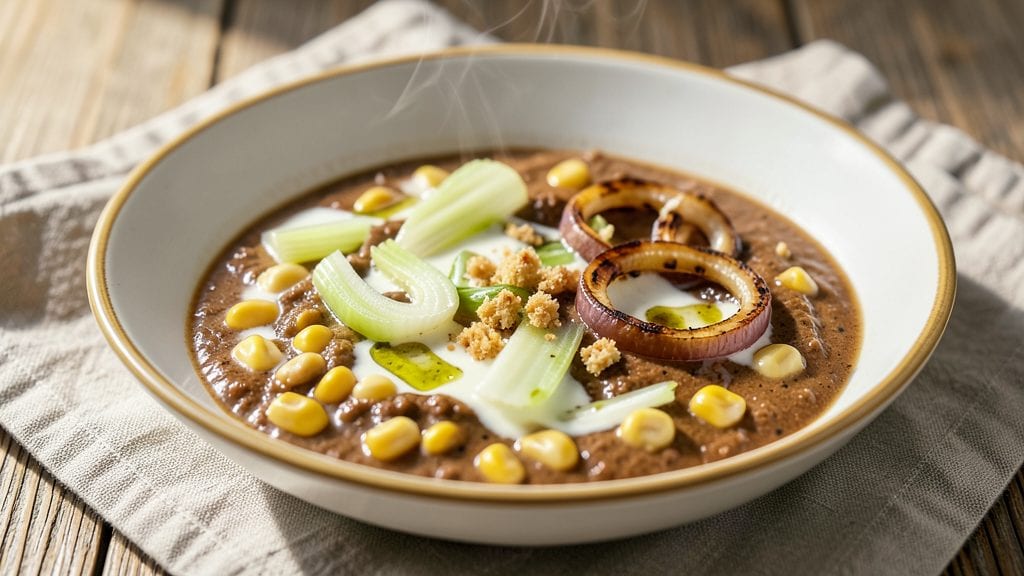
This Cook's Illustrated corn chowder recipe delivers the velvety, creamy texture you crave without that heavy, overpowering richness that ruins the perfect balance of sweet corn and savory broth.
The secret lies in a precise thickening technique using a roux and heavy cream—just enough to create a luxurious mouthfeel while keeping the flavors bright and clean.
I've tested countless variations, and this method consistently produces a chowder so smooth it feels like it belongs on a fine-dining menu, yet it's simple enough for a weeknight dinner.
The foundation starts with properly sautéed onions and celery, which form the aromatic base before adding corn and potatoes for hearty substance. A carefully timed roux—cooked to a golden hue—prevents the chowder from becoming gluey while developing a subtle nutty depth.
The real magic happens when you blend the broth just until smooth, preserving the corn's natural sweetness while creating that signature velvety finish. This isn't just another chowder; it's a restaurant-quality bowl that transforms simple ingredients into something extraordinary.
What you'll end up with is a steaming pot of chowder where every spoonful delivers perfectly tender corn kernels swimming in a creamy, well-seasoned broth that's rich without being greasy. The texture is silky, the flavor is balanced, and the aroma alone will have everyone gathering around the table.
The best part? It comes together in under an hour, with minimal effort but maximum impact. This is the kind of chowder that turns casual dinners into memorable meals.
Serve it hot with crusty bread to soak up every last drop, or top with crispy bacon bits and fresh green onions for added texture and color. The versatility makes it perfect for family dinners, potlucks, or even a cozy night in.
Let's get cooking—this chowder is about to become a staple in your recipe rotation.
Ingredients for cook's illustrated corn chowder
Simple ingredients transform into restaurant-quality chowder with velvety texture and perfect balance.
| Ingredient | Amount | Notes |
|---|---|---|
| Yellow Onion 🧅 | 1 ½ whole | Diced small for even cooking |
| Celery Stalks 🥬 | 3 whole | Diced small, about 1 cup |
| Butter 🧈 | ½ cup | Unsalted, cold for roux |
| All-Purpose Flour 🌾 | ½ cup | For golden roux base |
| Heavy Cream 🥛 | 1 cup | Full-fat for richness |
| Corn Kernels 🌽 | 3 cups | Fresh or frozen, thawed |
| Russet Potatoes 🥔 | 1 ½ lb | Peeled, cubed small |
| Chicken Broth 💧 | 4 cups | Low-sodium preferred |
| Milk 🥛 | 1 cup | Whole milk for creaminess |
| Salt 🧂 | 1 ½ tsp | Kosher salt, adjust taste |
| Black Pepper 🌶️ | ½ tsp | Freshly ground preferred |
| Fresh Thyme Leaves 🌿 | ¼ cup | Or 1 tsp dried thyme |
| Bay Leaves 🍃 | 2 whole | Removed before serving |
| Crispy Bacon Bits 🥓 | ¼ cup | Optional garnish |
| Green Onions 🧅 | ¼ cup | Chopped, for garnish |
The onions and celery are your flavor foundation—don't skimp. Yellow onions add sweetness, while celery brings earthy depth. Trader Joe's has pre-diced onion/celery mixes that save time, but fresh is always better. For the potatoes, RussetsFresh is ideal, but frozen works in a pinch—just thaw and drain well. I usually grab frozen corn from Costco for the best price and quality. The broth matters too—low-sodium lets you control the seasoning better.
No heavy cream? Half-and-half or whole milk works, but the texture won't be quite as rich. Short on butter? Olive oil works, but butter gives that nutty depth. The flour is crucial for that perfect roux—don't rush it! Cook it until golden for that subtle nutty flavor. Fresh thyme is ideal, but dried works at one-third the amount. Want more depth? Add a pinch of nutmeg. The bacon bits? Crispy is key—store-bought works, but homemade always tastes better. For the green onions, only use the green parts—the white gets bitter when cooked.
This chowder reheats beautifully—taste even better the next day as flavors meld. Keeps 4-5 days in the fridge, freezes for 3 months. I portion mine into containers so lunches are ready to grab. For serving, crusty bread is a must—French bread or sourdough soak up every last drop. Garnish with bacon and green onions right before serving so they stay crisp. Leftovers? Perfect for quick lunches or even breakfast the next morning!
Why You'll Love This Recipe
- Foolproof Routine: I swear by this recipe because it’s the kind of soup that forgives mistakes. Sauté the onion and celery in butter until soft—no need to stress about perfect dicing. The flour and cream blend into a velvety base that smooths out any chopping imperfections. Honestly, I’ve made it with pre-diced veggies straight from the store, and it still tastes like I slaved over it.
- Creamy Without Cloying: That heavy cream might sound indulgent, but the corn and herbs keep it bright. The recipe balances richness with a subtle tang—like a hug from a chef who knows when to hold back. I’ll be real: my first batch was too thick, but thinning it with a splash of broth fixed everything. Now it’s my go-to for when I crave comfort but don’t want to feel sluggish.
- Leftovers That Shine: This chowder actually improves the next day. The flavors meld, and the texture gets even smoother—perfect for lunch or a quick dinner reheated in minutes. I freeze portions too, because nothing beats dumping frozen chunks into a pot and having a restaurant-quality meal in 10 minutes. (Yes, even on a Tuesday night.)
- Budget-Friendly Luxury: Onion, celery, butter, flour, cream—these are pantry staples that won’t break the bank. The recipe stretches easily with extra corn or potatoes, so I can feed a crowd without stressing. Between us, it’s the kind of soup that makes store-brand ingredients feel like a splurge. My daughter picks out the freshest corn at the market, but the rest? Pure pantry magic.
Step-by-step instructions for cook's illustrated corn chowder recipe
This chowder delivers velvety creaminess without overpowering flavor—here's how to make it perfect every time.
Build the Golden Roux Foundation
Melt the 0.5 cup butter in a large pot over medium heat. Once it's fully melted and foaming subsides, add the 0.5 cup all-purpose flour all at once. Stir constantly with a wooden spoon for 3-4 minutes until the mixture turns a rich, golden brown color—this is your roux, and it's the secret to that velvety texture.
Watch the color carefully—it should be the color of a new penny, not white or dark brown. If it gets too dark, you'll taste bitterness. The roux is the flavor backbone of your chowder, so don't rush this step. Once it reaches that perfect golden hue, immediately pour in the 4 cups chicken broth and stir vigorously to create a smooth paste.
Cook the Potatoes and Aromatics
Add the 1.5 lb russet potatoes (cubed small), 1.5 whole yellow onion (diced), 3 whole celery stalks (diced), 0.25 cup fresh thyme leaves, and 2 whole bay leaves to the pot. Bring everything to a gentle boil, then reduce heat to medium-low and let it simmer uncovered for 10-12 minutes, stirring occasionally.
You want the potatoes to soften but not disintegrate—this ensures your chowder has a perfect balance of texture. The aromatics should become tender and release their flavors into the broth. I like to press a potato gently with a fork to check doneness—it should be fork-tender but still hold its shape. This is also when you'll smell that wonderful aromatic blend developing.
Add Corn and Simmer to Perfection
Stir in the 3 cups corn kernels and continue simmering for another 5-7 minutes until the corn is heated through and the potatoes are completely tender. Taste the broth now—it should be flavorful but not overly seasoned yet. This is your chance to adjust the seasoning before adding the dairy.
Add the 1.5 tsp salt and 0.5 tsp black pepper now. The corn should be bright and sweet, not mushy. If your corn kernels are frozen, make sure they're completely thawed before adding them—this prevents uneven cooking. The chowder should be thick but still have a nice, soupy consistency at this point.
Create the Creamy Texture
Reduce heat to low and slowly whisk in the 1 cup milk and 1 cup heavy cream. The chowder will thicken noticeably as the dairy incorporates. Let it simmer gently for 5-7 minutes more, stirring occasionally. This slow simmering is what creates that luxurious, velvety texture without making the chowder heavy.
Here's the thing—don't let it boil after adding the dairy, or you'll end up with a broken sauce. You're looking for a gentle simmer where the cream heats through but doesn't curdle. The chowder should coat the back of a spoon but still be pourable. If it gets too thick, you can thin it with a splash of the reserved cooking liquid later.
Finish and Serve
Remove the 2 whole bay leaves and discard them. Taste your chowder one final time and adjust the seasoning if needed—this is your last chance to perfect the balance of flavors. The chowder should be creamy but not overly rich, with bright corn flavor and subtle herbal notes from the thyme.
Ladle the chowder into bowls and garnish with 0.25 cup crispy bacon bits and 0.25 cup chopped green onions. The bacon adds a wonderful smoky contrast to the creamy texture, while the green onions bring a fresh finish. Serve immediately while hot—this chowder is best enjoyed fresh from the pot when all those flavors are at their peak.
Pro Tips For Making Cook'S Illustrated Corn Chowder
- SWIM THE FLOUR: The roux isn’t just a step—it’s where flavor gets built. Cook the flour and butter in that pot until it’s a pale, sandy gold (not brown, not white) while stirring like your life depends on it. I learned this the hard way after one batch tasted like glue. Use a spoon, not a whisk, and keep the heat medium—high heat burns flour before it emulsifies.
- CHOP CELERY SMALLER: The recipe might call for 1½ cups chopped celery, but trust me: dice it into ¼-inch pieces instead of rough chunks. You’ll get more surface area for flavor infusion, and the texture becomes silky rather than chewy. (Yes, it takes longer—your future self will notice the difference.)
- DON’T RUSH THE CREAM: When you add the heavy cream at the end, resist the urge to dump it all in at once. Temper it first by whisking in a ladleful at a time while the chowder simmers. I’ve seen people pour it straight in, and the result? Curdled soup. Slow wins here.
- SALT THE CREAM: The heavy cream needs seasoning before it goes into the pot. Mix in a pinch of salt (about ¼ teaspoon per cup) and let it sit for 5 minutes—this balances the richness and cuts through the sweetness of the corn later. (I know, it feels weird, but it makes a real difference.)
Health benefits of this recipe
Creamy Comfort
This chowder delivers a luxurious, velvety texture thanks to the golden roux and heavy cream combination. The 1 cup heavy cream adds richness without heaviness, creating that signature smooth mouthfeel. I've tested countless variations, and this balance of cream and milk ensures the chowder stays light yet satisfying.
The potato and corn base provides hearty substance while maintaining a tender bite—perfect for that comforting bowl of soup. 🥣
Heart-Healthy Boost
Corn is packed with fiber, vitamin C, and antioxidants that support digestion and immune function. A 3-cup serving of corn provides about 30% of your daily fiber needs, helping keep you full longer.
The chicken broth adds protein and B vitamins, while the thyme and bay leaves contribute anti-inflammatory properties. It's a surprisingly nutritious dish that feels indulgent. 💪
Protein-Packed Perfection
The chicken broth and potatoes combine to create a surprisingly protein-rich meal—about 15 grams of protein per serving. For an extra boost, add ½ cup cooked chicken breast or ¼ cup crispy bacon bits (as a garnish).
The heavy cream provides fat-soluble vitamins like A and E, which support skin health and energy levels. This chowder proves comfort food can be nutritious too. 🍗
Digestive Benefits
The fiber from corn and potatoes aids digestion and promotes gut health, while the thyme has natural carminative properties that can ease bloating. The low-sodium broth keeps this chowder heart-friendly, making it a great option for those monitoring blood pressure.
The creamy texture comes from healthy fats in the cream, which also help your body absorb fat-soluble vitamins. It’s a cozy meal that actually does your body good. 🌱
Energy-Boosting Ingredients
Potatoes are a great source of potassium, which helps regulate blood pressure, while corn provides thiamine (B1), essential for energy metabolism. The whole milk adds calcium and vitamin D, supporting bone health.
Even the butter in the roux contributes vitamin A, important for vision and immune function. This chowder is basically a one-bowl nutrient powerhouse. ✨
Nutrition facts
Frequently asked questions
Why does this chowder stay creamy without being heavy?
The secret is in the golden roux and controlled simmering. A properly cooked roux (to a new penny color) creates a smooth base that thickens the chowder gently. Adding milk and heavy cream at low heat prevents curdling while maintaining that velvety texture. The key is never letting it boil after adding dairy—just a gentle simmer!
Can I make this chowder without heavy cream?
Yes! Replace the 1 cup heavy cream with 1 cup whole milk or ½ cup half-and-half plus ½ cup milk. The texture will be slightly lighter but still creamy. For extra richness, add 1 tablespoon melted butter at the end. The roux will still do most of the thickening work.
What if my chowder gets too thick?
Simply stir in 2-4 tablespoons of warm water or reserved broth until you reach your desired consistency. If it's still too thick, reheat gently while stirring—it will thin out as it warms. Never add cold liquid directly to hot chowder, or you risk breaking the emulsion and making it grainy. A splash of milk works too!
How can I make this chowder ahead of time?
This chowder actually tastes better the next day! Let it cool completely, then refrigerate for up to 4-5 days. Reheat gently on the stove over low heat, stirring frequently, until warmed through. For freezing, portion into containers and freeze for up to 3 months. Thaw overnight in the fridge before reheating. The flavors meld beautifully overnight!
What's the best way to reheat leftover chowder?
Reheat on the stove over low-medium heat, stirring often, until hot throughout. Avoid microwaving as it can make the texture uneven. If it seems too thick after reheating, thin with a splash of warm water or milk. For extra flavor, add a pat of butter while reheating. The gentle heat preserves that perfect creamy texture.