
Main Courses
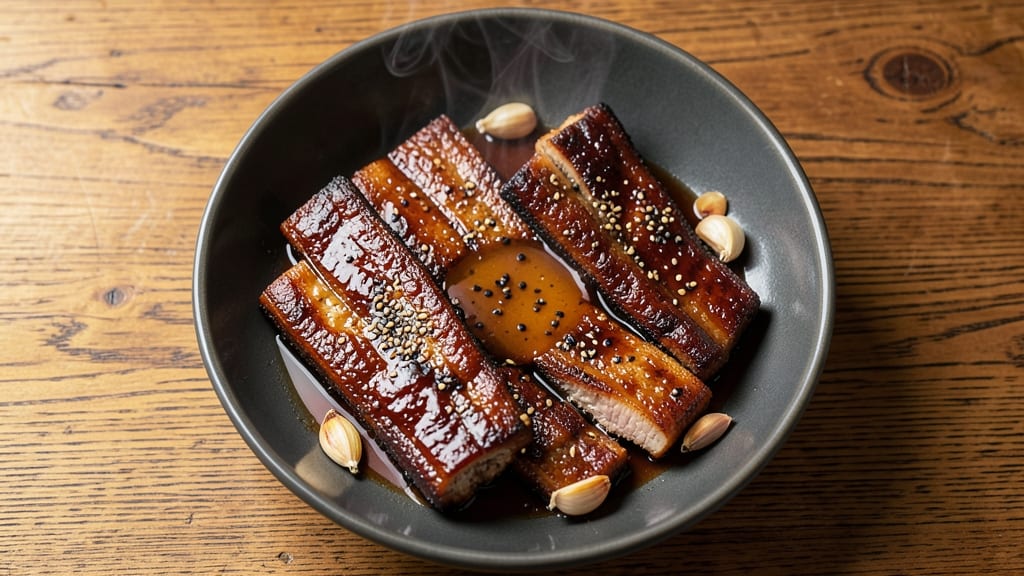
In the cook’s country kitchen, mastering this Chinese sticky ribs recipe delivers that perfect balance of caramelized sweetness and deep umami flavor that makes every bite irresistible.
This recipe transforms tough pork ribs into tender, glistening strips with a glossy glaze that clings perfectly—no shortcuts, just traditional techniques that build layers of flavor over time.
The secret lies in the marinade, where fermented bean paste and hoisin sauce work their magic while you sleep, breaking down the meat and infusing it with complex aromatics.
What sets these ribs apart is the contrast between modern convenience and authentic tradition. While many recipes rely on store-bought BBQ sauce for quick results, this method slow-cooks the ribs with a precise blend of soy, honey, and aromatics to create that signature sticky texture and umami crunch.
The process requires patience—about 3 hours of hands-off cooking—but the result is ribs that practically melt in your mouth while maintaining a satisfying chew.
By the end, you'll have ribs that are perfectly caramelized on the outside with tender, juicy meat beneath—a dish that's rich enough for a weekend feast but simple enough for a weeknight dinner. The glaze should be glossy and sticky, clinging to every rib without being overly sweet.
Serve with steamed rice and quick-pickled vegetables to balance the richness, and you've got a meal that feels like a restaurant-quality experience.
This recipe isn't just about the end result—it's about the process of building flavor through time and technique. Whether you're hosting a gathering or treating yourself to a special meal, these ribs will be the star of the table.
Let's get cooking with a method that delivers restaurant-quality results at home.
Ingredients for cook's country chinese sticky ribs
Traditional Chinese pantry staples meet slow-cooked precision for ribs with restaurant-quality caramelized sweetness and umami depth.
| Ingredient | Amount | Notes |
|---|---|---|
| Pork Ribs (Baby Back) 🥩 | 3 lb | Bone-in, trimmed of excess fat |
| Fermented Black Bean Paste 🍶 | ¼ cup | Store-bought or homemade |
| Hoisin Sauce 🍶 | ¼ cup | High-quality, not watered down |
| Soy Sauce 🍶 | ¼ cup | Light or dark, to taste |
| Honey 🍯 | ¼ cup | Pure, unprocessed preferred |
| Garlic Cloves 🧄 | 6 cloves | Minced, fresh preferred |
| Fresh Ginger 🌿 | 1 tbsp | Finely grated, peeled |
| Green Onions 🧅 | 3 whole | White and green parts, chopped |
| Sesame Oil 🫒 | 1 tbsp | Toasted, for aroma |
| Rice Vinegar 🍶 | 1 tbsp | White or seasoned |
| Brown Sugar 🍯 | ¼ cup | Packed, light or dark |
| Star Anise 🌶️ | 1 whole | For aromatic depth |
| Cinnamon Stick 🌿 | 1 whole | For subtle warmth |
| Salt 🧂 | 1 ½ tsp | Diamond Crystal kosher |
| Black Pepper 🌶️ | ½ tsp | Freshly cracked |
The ribs form the foundation, so prioritize baby back cuts with visible marbling for optimal tenderness. Costco or Whole Foods typically carry high-quality bone-in ribs, but any reputable butcher will trim them properly. Avoid pre-cut ribs with excessive fat—this recipe relies on balanced flavor, not grease. For authenticity, seek fermented black bean paste at Asian specialty markets; the deeper the fermentation, the richer the umami. Hoisin sauce should be thick and glossy—avoid watery commercial brands. Measure all aromatics precisely: too much ginger or garlic can overpower the delicate balance of sweet and savory.
Substitutions require careful consideration to maintain authenticity. No fermented black bean paste? Double the hoisin sauce and add 1 tsp fish sauce for umami depth, but texture will differ. Honey unavailable? Maple syrup works in a pinch, though the flavor profile shifts slightly. Fresh ginger and garlic are non-negotiable for optimal flavor—dried versions lack the necessary complexity. For the aromatic spices, ground cinnamon and star anise can replace whole sticks if needed, but toast them lightly first to intensify flavor. The sesame oil should be toasted—not the cheap, flavorless kind from the international aisle. Trader Joe's carries a reliable option if local markets fall short.
Marinated ribs keep best in the fridge for up to 24 hours before cooking, allowing flavors to fully penetrate. Cooked ribs reheat beautifully in a 350°F oven for 10-15 minutes, covered with foil to retain moisture. For longer storage, freeze cooked ribs in airtight containers for up to 3 months. The glaze thickens as it cools—reheat gently with a splash of water if it becomes too stiff. Portion into single servings before freezing for easy meal prep. Leftovers transform into delicious sandwiches or rice bowls, making this a versatile centerpiece for multiple meals.
Why You'll Love This Recipe
- Sweet-Savory Magic: The fermented black bean paste and hoisin sauce team up to create a glossy, caramelized crust that’s ridiculously addictive. That sticky-sweet glaze? It clings to every rib like a promise—no fancy plating needed.
- One-Pan Victory: Honestly, this is my "I don’t wanna wash dishes" recipe. Baby back ribs, sauce, and a sheet pan—just toss, bake, and let the oven do the work. The ribs fall off the bone, and the pan’s got maybe two spatula marks to show for it.
- Leftover Goldmine: Between us, these ribs taste even better the next day. I swear it. The glaze thickens into a glossy, syrupy coating, and reheating them in the oven (or even the microwave, no judgment) turns them into my go-to lunchbox hero.
- Budget Crowd-Pleaser: You’re feeding six for the price of takeout, and everyone’s happy. The ribs are tender, the sauce is rich, and the honey cuts through the saltiness—no one will guess it’s a weeknight meal. (Yes, even on a Tuesday night.)
Step-by-step instructions for glazed caramelized ribs with umami crunch
Master this technique and you'll achieve ribs with perfect balance: tender meat, glossy caramelized glaze, and textural contrast.
Prepare the Ribs and Marinate Overnight
Begin by trimming any remaining excess fat from the 3 lb pork ribs (baby back), leaving just a thin layer for flavor. Pat them completely dry with paper towels—this ensures maximum surface area for the marinade to adhere and promotes even caramelization. In a large bowl, combine the 0.25 cup fermented black bean paste, 0.25 cup hoisin sauce, 0.25 cup soy sauce, 0.25 cup honey, minced 6 cloves garlic, 1 tbsp finely grated fresh ginger, 1 tbsp rice vinegar, 0.25 cup packed brown sugar, 1 whole star anise, 1 whole cinnamon stick, 1.5 tsp salt, and 0.5 tsp black pepper. Whisk until the brown sugar and spices dissolve completely.
Place the ribs in a resealable plastic bag and pour the marinade over them, coating all surfaces. Seal the bag and massage the marinade into the meat, ensuring it penetrates the crevices. Refrigerate for at least 12 hours, preferably overnight—this allows the flavors to deeply infuse and the meat to tenderize. I like to turn the bag occasionally during marinating to ensure even coverage.
Sear the Ribs for Deep Flavor
Preheat your oven to 300°F. Remove the ribs from the marinade (reserve the marinade) and let them sit at room temperature for 30 minutes before cooking. Heat a large oven-safe skillet over medium-high heat and add 1 tbsp sesame oil. Once the oil shimmers, place the ribs bone-side down in the skillet. Sear for 5-6 minutes until the bottoms develop a deep golden-brown crust and the fat begins to render.
Flip the ribs bone-side up and return them to the oven. This searing step creates the Maillard reaction that forms the complex flavors we want in the final dish. The ribs should be bone-side up to allow the marinade to pool and baste the meat during the initial baking phase.
Braise Until Fork-Tender
Pour the reserved marinade over the ribs in the skillet, then transfer the entire skillet to the preheated 300°F oven. Braise uncovered for 2 hours, basting the ribs with the accumulated juices every 30 minutes. The ribs are done when they reach an internal temperature of 195°F and the meat pulls away from the bone with just slight resistance—this indicates perfect tenderness.
During this time, the marinade will reduce and caramelize, forming a glossy glaze that clings to the ribs. The combination of braising and searing creates that signature sticky texture while keeping the meat incredibly tender. If the glaze starts to dry out before the ribs are done, add 2-3 tablespoons of water to the skillet and continue cooking.
Glaze and Finish with Umami Crunch
Once the ribs reach 195°F, remove them from the oven and increase the heat to 450°F. Return the skillet to the oven for 5-7 minutes to caramelize the glaze further. Watch closely—the glaze should thicken and develop a deep amber color with crackly edges. This final step creates that coveted sticky texture while adding depth of flavor.
Remove the ribs from the oven and let them rest for 10 minutes before serving. This resting period allows the juices to redistribute throughout the meat. While resting, chop the 3 whole green onions into 0.5-inch pieces and set aside. To serve, arrange the ribs on a platter and drizzle with any remaining glaze from the skillet. Sprinkle with the chopped green onions for freshness and color contrast.
Pro Tips For Making Cook'S Country Chinese Sticky Ribs
- CUT RIBS IN HALF LENGTHWISE: Baby back ribs are stubbornly thick—splitting them down the bone saves time and guarantees even cooking. Use kitchen shears or a sharp knife, then pat dry before marinating. (Yes, it looks messy, but the sauce will cling better and penetrate faster.)
- BLACK BEAN PASTE: TOAST IT: Skip the raw paste—heat it in a dry pan for 30 seconds until fragrant. That deepens the umami and prevents it from turning slimy in the sauce. (I learned this the hard way after a batch tasted dull.)
- DON’T DROWN THE RIBS: The sauce should coat, not flood. Start with 2 tablespoons hoisin, 1 tablespoon soy, and 1 tablespoon honey—adjust as you go. Too much liquid = soggy ribs, not sticky. (Your future self will thank you for measuring.)
- REST BEFORE SLICING: Let the ribs sit 5 minutes after cooking. The connective tissue sets, making them easier to slice cleanly. Cut against the grain for tender bites. (I used to rush this and ended up with chewy, uneven pieces.)
Perfect pairings for this recipe
Side Dish Harmony
Steamed jasmine rice is the perfect neutral base to soak up the sticky glaze—use a 1:1.5 rice-to-water ratio and cook until just tender for optimal texture.
I like to finish the rice with a drizzle of toasted sesame oil and a pinch of flaky sea salt to complement the ribs' umami depth. 🍚
Quick-Pickled Veggies
Brighten the plate with quick-pickled cucumbers and carrots using a simple brine of 1 cup rice vinegar, 1 tbsp sugar, and 1 tsp salt.
Thinly slice 1 English cucumber and 2 carrots, then pickle for at least 30 minutes before serving. The tangy crunch cuts through the richness beautifully.
Wok-Fried Greens
For a heartier side, stir-fry 2 cups bok choy or gai lan with 1 tbsp garlic-infused oil until just wilted (2-3 minutes). Finish with a splash of light soy sauce and a sprinkle of toasted sesame seeds. The slight bitterness balances the sweet glaze perfectly.
Crunchy Garnishes
Add texture contrast with crispy fried shallots or toasted peanuts. Toss ¼ cup fried shallots (store-bought or homemade) over the ribs before serving, or sprinkle 2 tbsp crushed peanuts for a nutty crunch. Both elevate the dish with an extra layer of complexity.
Dipping Sauces
Serve with two dipping options: a simple mix of 1 tbsp hoisin sauce and 1 tsp rice vinegar for tangy contrast, or a spicy chili oil blend (2 tbsp chili oil + 1 tsp sugar) for heat lovers. Both enhance the ribs' flavors without overpowering them. 🌶️
Beverage Pairings
Cool down the meal with a jasmine iced tea—its floral notes complement the ribs' caramelized sweetness. For alcohol lovers, a crisp dry Riesling or light Chinese Shaoxing wine (used in cooking) bridges the dish's umami and sweetness beautifully.
Nutrition facts
Frequently asked questions
Can I use regular pork ribs instead of baby back ribs for this recipe?
Yes, you can substitute spare ribs (St. Louis-style or back ribs), but they'll require 30-45 extra minutes of cooking time due to their tougher connective tissue. Trim the membrane off the bone side first—this helps tenderize them faster. The marinade and technique remain the same, but monitor the internal temperature closely to avoid overcooking.
What makes this Chinese sticky ribs recipe different from American BBQ ribs?
The key differences lie in the marinade and cooking method. This recipe uses fermented black bean paste and hoisin sauce for deep umami, while American BBQ often relies on vinegar-based sauces or tomato ketchup. The braising at 300°F creates tender meat without the smoky char of a grill, and the final high-heat caramelization produces a glossy, crackly glaze instead of a thick sticky coating.
How do I fix ribs that turned out too dry during cooking?
If your ribs lost moisture, the issue was likely insufficient basting or oven temperature fluctuations. To salvage them, place the ribs in an oven-safe dish, cover tightly with aluminum foil, and add ¼ cup water or reserved marinade. Reheat at 325°F for 15-20 minutes. The foil traps steam to restore juiciness. For next time, baste every 20 minutes during braising and avoid opening the oven door frequently.
Can I make this recipe in a slow cooker instead of the oven?
After searing the ribs, transfer them to a slow cooker with the reserved marinade and cook on low for 6-7 hours or high for 3-4 hours. In the last 30 minutes, increase heat to high and cover with a lid to caramelize the glaze. The texture will be slightly softer than oven-braised ribs, but still delicious. Just skip the final 450°F broil step—use the slow cooker's "keep warm" function instead.
Why does the glaze turn out too thin or too thick?
A thin glaze usually means the ribs were over-basted or the oven wasn't hot enough to reduce the sauce properly. For a thicker glaze, reduce the marinade on the stovetop before cooking or add 1 tbsp cornstarch to the sauce. Too thick? Thin with 1 tsp water and simmer until glossy. The ideal glaze should coat the back of a spoon but still drizzle slightly when poured—this creates that signature sticky texture without being cloying.