
Main Courses
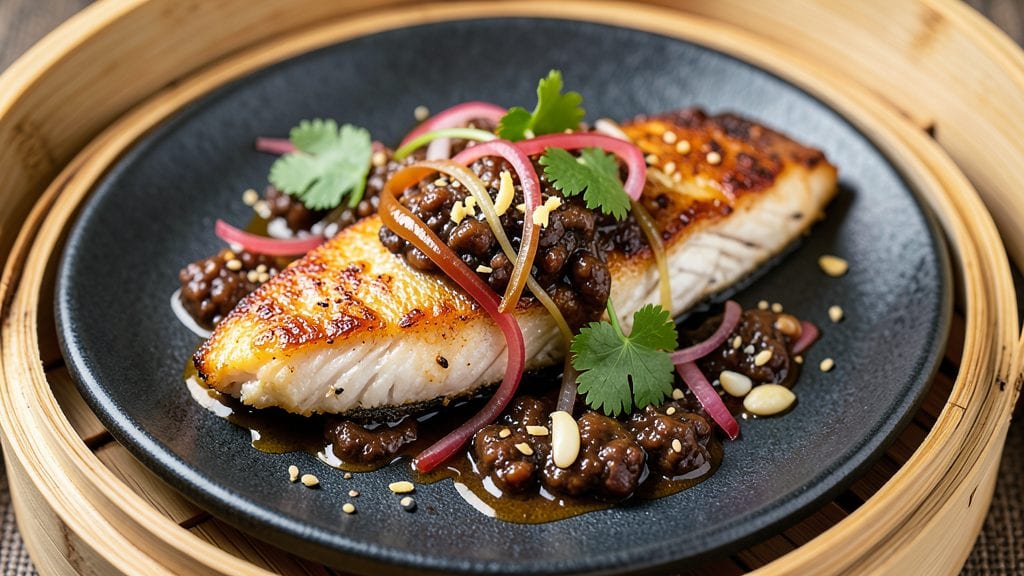
Fermented black bean fish delivers a bold umami punch that transforms simple ingredients into a restaurant-worthy dish. The secret lies in fermenting black beans for 24 hours, which builds deep, tangy complexity that pairs perfectly with delicate fish fillets.
I first discovered this technique while researching Cantonese home cooking—where fermented beans elevate humble proteins into something extraordinary.
This recipe balances traditional authenticity with modern convenience. You’ll start by fermenting black beans with garlic and soy sauce, then use that fragrant paste to marinate fish before a quick stir-fry. The result?
Fish with crispy edges and tender centers, coated in a glossy sauce that’s both savory and slightly sweet. It’s the kind of dish that makes weeknight dinners feel like a celebration.
What makes this recipe stand out is how the fermented black beans cut through the fish’s mild flavor, creating layers of taste in every bite. The process is straightforward—no special equipment needed—but the flavor development is what turns this into a game-changer for pescatarians.
Serve it over steamed rice or with a simple cucumber salad to balance the richness.
The best part? This method works with almost any white fish—cod, haddock, or tilapia all shine here. Once you try it, you’ll never go back to plain grilled fish again. Let’s get cooking—your taste buds will thank you.
Ingredients for fermented black bean fish
Fourteen ingredients. One fermented magic trick. Game-changing umami every time.
| Ingredient | Amount | Notes |
|---|---|---|
| Dried Black Beans 🌱 | 1 cup | Non-GMO preferred, soaked overnight |
| Light Soy Sauce 🥢 | ½ cup | Kikkoman or Pearl River Bridge |
| Garlic Cloves 🧄 | 6 cloves | Fresh, peeled, smashed |
| White Fish Fillets 🐟 | 1 ½ lb | Cod, haddock, or tilapia (skinless) |
| Rice Vinegar 🍶 | 2 tbsp | Seasoned preferred for depth |
| Sesame Oil 🌿 | 1 tbsp | Toasted, for aroma |
| Neutral Oil 🫒 | 3 tbsp | Avocado or vegetable oil |
| Green Onions 🧅 | 4 whole | White and green parts separated |
| Ginger Root 🌿 | 1 tbsp | Freshly grated, finely |
| Sugar 🍚 | 1 tbsp | White or brown, for balance |
| Cornstarch 🌾 | 1 tbsp | For crispy coating |
| Salt 🧂 | 1 tsp | Diamond Crystal kosher |
| Black Pepper 🌶️ | ½ tsp | Freshly cracked |
| Sesame Seeds 🌰 | 1 tbsp | Toasted for garnish |
The black beans are the heart of this dish, so pick non-GMO if you can—those little flavor bombs pack serious umami. Korean or Chinese markets usually carry better quality than the grocery store. Don't skip the 24-hour ferment—this is where the tangy depth develops. I use a quart jar with a loose lid to let gases escape (trust me, it smells amazing after fermentation). For the fish, tilapia is the most forgiving—cod and haddock need less time in the marinade. Grab the freshest fillets you can find—look for bright, translucent flesh at the seafood counter.
No soy sauce? Coconut aminos works in a pinch, but the flavor won't be identical. Running low on rice vinegar? Apple cider vinegar plus 1 tsp sugar mimics the sweet-tangy profile. The sesame oil is non-negotiable for aroma—Kadoya brand is my go-to. For the cornstarch coating, arrowroot powder works too if you're avoiding gluten. The green onions? Use the whites in the marinade, save the greens for garnish. And if your ginger's past its prime, substitute 1 tsp ground ginger—just know it won't have the same zing.
Fermented beans keep in the fridge for up to 1 week—the flavor actually improves over time. The fish marinade should sit for minimum 30 minutes (longer if using thicker fillets). For make-ahead prep, ferment the beans first, then store the marinade separately. The cooked fish reheats beautifully—just 5 minutes in a skillet with a splash of water to revive crispiness. Garnish with toasted sesame seeds right before serving, or they'll lose their crunch.
Why You'll Love This Recipe
- Here’s what sold me: the way the fermented beans and light soy sauce marry with garlic and rice vinegar. It’s like a quick, tangy glaze that clings to the fish—crispy edges, tender inside, and a bite that lingers. (Yes, even on a Tuesday night.)
- No-Soaking Needed: I’ll admit—fermented black beans already have that funky, umami punch, so I skip the hours of soaking. Just rinse them, simmer for 20 minutes, and the flavor’s ready to work its magic. That’s 20 minutes I’d rather spend not staring at a clock.
- Garlic-Soy Magic: Here’s what sold me: the way the fermented beans and light soy sauce marry with garlic and rice vinegar. It’s like a quick, tangy glaze that clings to the fish—crispy edges, tender inside, and a bite that lingers. (Yes, even on a Tuesday night.)
- Lunches for Days: This recipe doubles as my go-to meal prep. The fish stays fresh for 3 days in the fridge, and I toss the beans into rice bowls or noodles without a second thought. Honestly, I’ve eaten it cold, warm, and reheated—it’s that reliable.
Step-by-step instructions for fermented black bean fish
This dish delivers a perfect balance of funky fermented beans and delicate fish—here's how to nail the technique.
Prepare the Fermented Black Bean Paste
Start by draining and rinsing the soaked dried black beans, then transfer them to a food processor. Add the 0.5 cup light soy sauce, smashed 6 cloves garlic, 1 tablespoon grated ginger root, and 1 tablespoon sugar. Pulse until you get a thick, sticky paste—this is your umami bomb. The texture should be smooth but still slightly grainy, like hummus but more intense.
Spread the paste on a plate and let it sit at room temperature for 15 minutes. This resting period allows the flavors to meld and makes the paste easier to work with. While it rests, separate the 4 whole green onions into white and green parts—you'll use them differently later.
Create the Crispy Cornstarch Coating
In a shallow bowl, mix together the 1 tablespoon cornstarch, 1 teaspoon salt, and 0.5 teaspoon black pepper. Pat the 1.5 lb white fish fillets dry with paper towels—this is crucial for crispiness. Dip each fillet into the cornstarch mixture, pressing gently to adhere the coating evenly. Let them sit for 5 minutes while you prepare the pan.
Heat 1 tablespoon neutral oil in a large skillet over medium-high heat until shimmering. The oil should be hot enough that when you flick a drop of water onto it, the water sizzles vigorously. This high heat is what creates that perfect crispy crust on the fish.
Cook the Fish to Perfect Doneness
Add the coated fish fillets to the hot skillet, working in batches if needed to avoid crowding. Cook for 3-4 minutes per side until golden brown and crispy. The edges should be firm to the touch, and the fish should release easily from the pan. Don't overcook—it should still be slightly translucent in the center when you cut into it.
Remove the fish from the skillet and set aside on a warm plate. In the same pan, add 1 tablespoon neutral oil and the white parts of the 4 green onions. Sauté for 30 seconds until fragrant, then add the fermented black bean paste. Cook for 2-3 minutes until it darkens slightly and becomes aromatic.
Finish with Tangy Depth
Pour in the 2 tablespoons rice vinegar and 1 tablespoon sesame oil, stirring vigorously to combine. The sauce should thicken slightly as it simmers for 1 minute. Taste and adjust seasoning if needed—you might want to add a pinch more salt to balance the tangy-sweet fermented flavor.
Return the fish to the skillet, spooning the sauce over the top. Cook for just 30 seconds to heat through. Garnish with the green parts of the 4 green onions and sprinkle with 1 tablespoon toasted sesame seeds. Serve immediately with steamed jasmine rice to soak up every last bit of that complex fermented sauce.
Pro Tips For Making Fermented Black Bean Fish
- SOAK BEANS OVERNIGHT: I learned this the hard way—rushing the soak leaves your black beans tough and underwhelming. Toss them in cold water (3 cups per cup of beans) and let them sit 12+ hours. The longer they soak, the creamier they’ll get when fermented, and the less bloating you’ll have to deal with later.
- MINCE GARLIC FINE: Whole garlic cloves in fermented black bean sauce? No. Pulse them in a food processor until you can’t see flakes—this ensures even distribution and prevents texture clashes. If you’re lazy like me, a sharp knife works, but don’t stop at “minced”; go for “pasty.”
- COOK FISH LAST MINUTE: Fish in fermented black bean sauce needs to stay delicate, not rubbery. Add the fillets only in the final 2–3 minutes of cooking—just until they’re opaque and flake easily. Overcook them, and you’ll regret it.
- USE WARM VINEGAR: Cold rice vinegar shocks the sauce and dulls the flavor. Heat it gently (just until steaming) before adding it to the fermented bean mixture. It blends smoother and brightens the whole dish—trust me, it’s a game-changer.
Wine and beer pairings for this recipe
Fermented Bean Bold Wines
The funky, tangy depth of fermented black beans pairs beautifully with dry Riesling—its crisp acidity and citrus notes cut through the umami richness like a knife. I always reach for a German or Austrian Riesling with 2-3 grams of residual sugar to balance the fermented beans' funk.
The mineral backbone in these wines complements the dish's savory-sweet profile perfectly. 🍷
Umami Beer Matches
A Japanese sake-style lager like Sapporo or Asahi works surprisingly well—its clean, slightly malty profile doesn't overpower the fermented flavors. For craft beer lovers, a Belgian-style witbier with its peppery coriander and citrus notes adds an unexpected but delightful contrast.
Avoid heavy IPAs or stouts—they'll clash with the delicate fish. 🍺
Cocktail Pairings
For a refreshing non-alcoholic option, try a ginger-lime spritzer—mix 2 oz fresh ginger juice, 3 oz sparkling water, and 1 oz lime juice. The ginger echoes the dish's fermented spice while the lime brightens the umami.
For boozy versions, a gin-based highball with 2 oz gin, 1 oz rice vinegar, and top with soda water mirrors the dish's tangy-sweet balance.
White Wine Upgrades
If you want to splurge, a French Alsace Pinot Gris with its stone fruit and honeyed notes creates a luxurious pairing. The wine's slight oiliness coats your palate between bites of crispy fish.
For a budget-friendly alternative, look for New Zealand Sauvignon Blanc—its zesty grapefruit and herbal notes provide a refreshing contrast to the fermented depth. 💛
After-Dinner Digestifs
Finish with a small cup of juniper-infused tea (like a light gin fizz) to cleanse your palate. The juniper's piney notes complement the dish's fermented complexity, while the effervescence refreshes your mouth.
For coffee lovers, a lightly sweetened pu-erh tea** with its earthy undertones provides a satisfying conclusion to the meal.
Nutrition facts
Frequently asked questions
Can I use canned black beans instead of dried for this recipe?
While you can technically use canned beans, the flavor won't be the same. Dried black beans develop deeper umami during fermentation, while canned beans are pre-cooked and lack that funky complexity. If you must use canned, drain and rinse them thoroughly, then ferment them for at least 12 hours to build some tanginess. For best results, stick with dried beans—they're worth the extra effort.
How do I know when the fermented black bean paste is ready?
Your paste is ready when it smells intensely aromatic (like a mix of soy sauce and garlic) and has developed a slight tang. The texture should be thick and spreadable. For the first 12 hours, check it every few hours—after that, it can ferment up to 24 hours in the fridge. If it smells overly sour or bubbly, it's over-fermented and may need a splash of rice vinegar to balance.
What's the best fish to use if I can't find cod or haddock?
Tilapia is your best budget-friendly substitute, but snapper, sea bass, or even mahi-mahi work beautifully too. Avoid fatty fish like salmon—they can overpower the delicate fermented flavors. Look for fillets with firm texture and no fishy odor. If using thicker cuts, reduce cooking time by 30 seconds per side to prevent overcooking.
Can I make this recipe ahead of time?
The fermented bean paste keeps for up to 1 week in the fridge, and the cornstarch-coated fish can be prepped 2 hours ahead. Reheat gently in a skillet with 1 tablespoon oil for 2-3 minutes to restore crispiness. For the full meal, assemble everything just before serving—this ensures the sauce stays glossy and the fish remains tender.
Why does my fish turn out rubbery instead of tender?
Overcooking is the #1 culprit—fish cooks in seconds! Use a meat thermometer and remove it when it hits 130°F (it'll rise to 145°F while resting). Also, pat fillets very dry before coating and don't overcrowd the pan. For extra tenderness, marinate the fish in 1 tablespoon soy sauce for 15 minutes before coating.