Appetizers
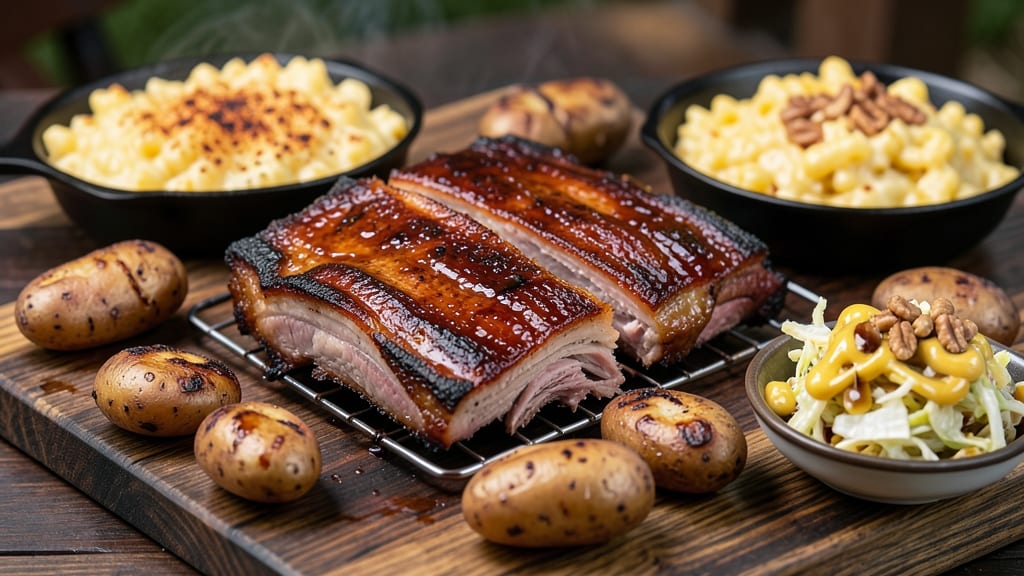
Mastering competition BBQ ribs means achieving that perfect balance of fall-off-the-bone tenderness and smoky bark that judges crave. After years of perfecting my technique—standing on a step stool in my grandmother’s kitchen learning her secrets—I’ve developed a method that delivers restaurant-quality results at home.
The key lies in patience, precise temperature control, and a few professional tricks that make all the difference.
This recipe uses the 3-2-1 method, a competition favorite that transforms tough ribs into melt-in-your-mouth perfection. You’ll need a pellet smoker or dedicated grill, a reliable meat thermometer, and a spray bottle for vapor-on applications—tools that elevate your ribs from good to show-stopping.
The secret seasoning blend and slow cook time ensure deep flavor penetration, while the final bark adds that coveted crunch.
By the time you plate these ribs, you’ll have a dish that’s judge-worthy—glossy, tender, and packed with smoky flavor. The bark will be crisp enough to stand up to competition standards, while the meat inside will pull apart effortlessly.
This isn’t just BBQ; it’s an experience that turns heads and wins ribbons.
Whether you’re entering a competition or just cooking for a crowd, this recipe delivers professional-level results with a foolproof approach. Let’s get started on ribs that will impress even the toughest critics.
Ingredients for competition bbq ribs
Six pounds of meat, a secret bark blend, and a smoker that won't quit.
| Ingredient | Amount | Notes |
|---|---|---|
| Pork Baby Back Ribs 🍖 | 6 lbs | Bone-in, meaty ends included |
| Yellow Mustard 🍯 | ½ cup | For initial sticky layer |
| Brown Sugar 🍚 | 1 cup | Light or dark preferred |
| Smoked Paprika 🌶️ | ¼ cup | For deep smoky flavor |
| Kosher Salt 🧂 | ½ cup | Diamond Crystal preferred |
| Black Pepper 🌶️ | 2 tbsp | Freshly cracked for heat |
| Garlic Powder 🧄 | 2 tbsp | Freshly ground preferred |
| Onion Powder 🧅 | 2 tbsp | For balanced sweetness |
| Cayenne Pepper 🔥 | 1 tbsp | Adjust for heat preference |
| Apple Cider Vinegar 🍏 | ¼ cup | For tenderizing spray |
| Yellow Hops Extract 🍺 | 1 tbsp | For competition-level bark |
| Unsalted Butter 🧈 | ¼ cup | Cold, cubed for basting |
| Wood Pellets 🌳 | 1 bag | Hickory or cherry preferred |
| Apple Wood Chunks 🍎 | 2 cups | For fruitwood balance |
| Water 💧 | 2 cups | For smoke generation |
The ribs are non-negotiable—bone-in, meaty ends included—that's where the competition judges focus. Costco sells them prepped, but if you're buying whole slabs, trim excess fat but leave the membrane for extra flavor. For the bark, smoked paprika from Penzeys makes all the difference—it's worth the splurge. The brown sugar should be light unless you're going for a deeper caramelized crust. And that yellow hops extract? Trust me on this—it's what separates home cook ribs from showstopping competition pieces. Grab a Traeger or Camp Chef smoker if you're serious about this.
No hops extract? Substitute 1 tbsp of liquid smoke plus 1 tbsp of coffee—it's not identical, but close. Running low on apple cider vinegar? White vinegar works in a pinch, but the apple adds subtle sweetness. The butter for basting? Use full-fat, unsalted—the fat content creates that glossy finish judges love. If you're short on time, pre-cook the ribs at 225°F for 2 hours before the 3-2-1. And for the wood, stick to hickory or cherry—fruitwoods like apple add complexity, but don't overdo it.
This isn't a meal you reheat—it's a showpiece. Wrap ribs in foil with apple slices for 3 days in the fridge if you're prepping ahead. For competition day, keep them at 165°F in a warmer until serving. The bark stays crisp for 4 hours if plated properly—cover loosely with foil. And save those leftover bones for stock that'll make your neighbors jealous—just simmer with veggies for 6-8 hours.
Why You'll Love This Recipe
- Foolproof Seasoning: I swear by the smoked paprika and kosher salt combo—it’s the secret to that deep, smoky crust that sticks like glue. No fancy rubs, just a quick sprinkle and a pat dry, and you’re golden.
- Sweet-Savory Magic: That yellow mustard and brown sugar dry rub? It’s what turns good ribs into unforgettable ribs. The caramelized edges with a hint of tang—every bite feels like a reward.
- Tailgate Ready: Between us, this is my go-to for game days or backyard hangs. Wrap them in foil for easy transport, and they stay juicy until the last bite—no fuss, all flavor.
- Leftover Goldmine: Cook once, eat twice (or three times). The ribs reheat like a dream in the oven, and the dry rub keeps them from getting soggy. My freezer’s always stocked with these—because who has time to cook twice?
Step-by-step instructions for competition BBQ ribs
Here's the exact method I use to create ribs with that coveted competition bark and melt-in-your-mouth tenderness.
Prepare the Ribs with the Dry Rub
Remove the pork baby back ribs from the packaging and pat them completely dry with paper towels. This step is crucial for that perfect bark - any moisture trapped on the surface will steam instead of crisp. Place the ribs meat-side up on a wire rack set over a baking sheet.
In a medium bowl, combine the 0.5 cup kosher salt, 0.25 cup smoked paprika, 2 tbsp black pepper, 2 tbsp garlic powder, 2 tbsp onion powder, 1 tbsp cayenne pepper, and 1 tbsp yellow hops extract. Mix thoroughly until the spices are evenly distributed. This blend creates the perfect balance of smoky depth, heat, and tenderizing power.
Generously apply the dry rub to all surfaces of the ribs, pressing it firmly into the meat. The ribs should look completely coated and slightly dusty. Let them sit at room temperature for 30 minutes before smoking - this allows the rub to penetrate the meat and develop maximum flavor.
Set Up Your Smoker for Perfect Conditions
Fill your smoker with 1 bag of wood pellets and add 2 cups apple wood chunks to the firebox. I prefer a mix of hickory and cherry pellets for that classic BBQ flavor profile. Add the 2 cups water to the water pan if your smoker has one - this helps maintain consistent temperature and humidity levels throughout the cook.
Preheat the smoker to 225°F and maintain this temperature throughout the entire cook. You'll know you've achieved the right conditions when you see clean, blue smoke - not thick white smoke. The ribs should be placed meat-side up on the smoker grates to allow for even heat circulation and proper bark development.
Here's where patience pays off: resist the temptation to open the smoker lid during the cook. Every time you peek, you lose valuable heat and moisture, potentially adding 15-20 minutes to your cook time. Trust your thermometer and the process.
Smoke the Ribs Low and Slow
Place the rubbed ribs on the smoker and close the lid tightly. Smoke them undisturbed for 3 hours at 225°F. This low-and-slow approach is what creates those fall-off-the-bone results. After 3 hours, spray the ribs generously with a mixture of 0.25 cup apple cider vinegar and 0.5 cup yellow mustard. This spray helps tenderize the meat and creates that sticky, flavorful bark.
Continue smoking for another 3 hours, spraying with the vinegar-mustard mixture every hour. The ribs are ready when they reach an internal temperature of 195-203°F at the bone, and the meat pulls away from the bone with just gentle pressure. This typically takes a total of 6-7 hours from start to finish.
During the final hour, you'll notice the ribs hit "the stall" - a point where the internal temperature stops rising despite continued cooking. This is completely normal and indicates the meat is releasing moisture. Simply continue smoking through this phase - it's part of the process that creates that perfect texture.
Wrap and Finish for Maximum Tenderness
Once the ribs reach the stall temperature, it's time to wrap them. Line a large piece of heavy-duty aluminum foil with a sheet of butcher paper. Place the ribs on the paper, bone-side down, and add 0.25 cup cold, cubed unsalted butter. This butter will baste the ribs during the final cook and add incredible richness.
Fold the butcher paper tightly around the ribs, sealing them completely. Return the wrapped ribs to the smoker and continue cooking at 225°F for another 1-2 hours. This wrapping technique, known as the "Texas Crutch," helps break down collagen and connective tissue, resulting in that legendary tenderness.
When the ribs are fully tender and the internal temperature reaches 203°F, remove them from the smoker and let them rest for 15-20 minutes before serving. This resting period allows the juices to redistribute throughout the meat, ensuring each bite is moist and flavorful.
Serve with Confidence
Unwrap the ribs and slice them between each bone into individual servings. The meat should be so tender it practically falls apart with just a gentle pull. Serve immediately with your favorite BBQ sauce for dipping, or simply let the ribs shine on their own with their incredible smoky-sweet flavor profile.
Here's the thing about competition ribs - they're not just about the flavor, but the experience. That perfect balance of smoky bark, tender meat, and sweet-savory sauce creates a dish that's truly unforgettable. The key is in the details: precise temperature control, proper bark development, and that crucial resting period.
Pro Tips For Making Competition Bbq Ribs
- Trim the Fat First: Baby backs have that thick fat cap, and skipping this step means a soggy crust. Use a sharp knife to cut it down to about 1/4-inch—yes, it looks messy, but that fat’s the enemy of a crispy bark.
- Mustard Glaze, Not Sauce: Thin that yellow mustard with water (about 1:1 ratio) before brushing—thick mustard burns fast and clogs your smoker. I learned this the hard way when my ribs ended up sticky instead of sticky-and-crispy.
- 3-2-1 Rule for Temp: Hit 225°F for 3 hours, then bump to 250°F for 2 hours, and finish at 275°F until probe-happy (203°F internal). The gradual rise keeps the meat tender without drying it out—trust the slow climb.
- Salt the Ribs Twice: Dry-brine the ribs overnight (1 tbsp kosher salt per pound), then re-salt right before smoking. The first layer seasons deep, the second locks in flavor—like a flavor sandwich, but better.
Regional styles of this competition bbq ribs
Texas Style
In Texas, competition ribs are all about that bold, smoky bark and tender meat that practically melts in your mouth.
The 3-2-1 method is the gold standard here—3 hours unwrapped to develop flavor, 2 hours wrapped in butcher paper with a splash of apple juice for tenderness, and 1 hour back unwrapped to crisp the bark.
I’ve seen Texas pitmasters use Traeger pellet smokers set to 225°F for consistency, and they swear by a spray bottle with apple cider vinegar and brown sugar to keep the ribs moist during the stall. The key? Patience—Texas ribs are never rushed. 🌶️
Kansas City Style
Kansas City takes a sweeter, saucier approach to competition ribs, often finishing with a thick, tangy tomato-based sauce that’s brushed on just before serving. The city’s pitmasters focus on hickory smoke and a rich, sticky bark that’s almost caramelized.
I remember my first time at the American Royal competition—the ribs there are legendary for their balance of sweetness and smokiness. Their secret? A dry rub with brown sugar and coffee to deepen the flavor, followed by a wrapping phase with beef tallow for extra richness.
The sauce is applied after the ribs come off the smoker to keep the bark intact. 🍯
Carolina Style
If you’re aiming for competition-level ribs in the Carolina style, you’re going for a leaner, vinegar-based sauce and a crisp, thin bark that’s almost crackly. The whole-hog tradition here means ribs are often cooked with the same wood used for the entire pig—usually hickory or pecan.
I’ve seen top Carolina pitmasters use a 3-3-3 method: 3 hours unwrapped, 3 hours wrapped in foil with apple juice, and 3 hours unwrapped to develop that signature bark. The sauce? A vinegar-pineapple mix that cuts through the richness without overpowering the smoky flavor.
Trust me, the first bite is addictive. 🍎
Memphis Style
Memphis ribs are all about dry rub and dry heat—no sauce until the very end. The competition scene here favors St. Louis-style ribs (slabs with the bone removed), which are coated in a spicy, dry rub and smoked until the bark is crunchy and dark.
The Central BBQ crew in Memphis uses a 3-2-1 method but leans heavier on cayenne and brown sugar in their rub. The sauce? A simple, thin vinegar-based mop applied during the cook, followed by a hot sauce drizzle at the table. The result?
A rib that’s spicy, smoky, and perfectly balanced. 🔥
Modern Competition Twists
Today’s competition ribs are pushing boundaries with unexpected flavor profiles. I’ve seen judges rave about ribs wrapped in banana leaves for a tropical twist, or basted with bourbon-infused butter for a boozy depth.
Some pitmasters even use liquid smoke and coffee in their rubs to intensify the smoky flavor.
The 3-2-1 method is still king, but the real innovation is in the finishing touches—think edible bark dust (ground-up bark from the same wood used to smoke the ribs) for a crunchy garnish or a smoked salt rim on the plate.
These details elevate ribs from delicious to showstopping. ✨
Nutrition facts
Frequently asked questions
What’s the secret to getting that perfect competition-style bark?
The magic happens with a 30-minute rub rest at room temperature and maintaining 225°F smoke temperature. Use a 50/50 apple cider vinegar and yellow mustard spray every hour after the first 3 hours—this creates the sticky foundation for that coveted dark, crispy crust.
Can I use a grill instead of a pellet smoker?
but you’ll need to work harder to maintain 225°F consistency. Use a water pan in your grill to help stabilize temperature, and opt for indirect heat with a smoker box filled with hickory or cherry wood chips. Expect slightly longer cook times—plan for 8-10 hours instead of 6-7.
Why do my ribs turn out tough even after following the 3-2-1 method?
Most likely, your internal temperature didn’t reach 203°F—this is non-negotiable for true tenderness. Double-check your meat thermometer placement (bone-side, between ribs). Also, ensure your smoker stays at 225°F the entire time—fluctuations above 250°F can dry out the meat.
Should I wrap my ribs in foil or butcher paper?
Butcher paper is the competition pitmaster’s choice—it lets moisture escape while keeping the ribs from getting soggy. Foil traps too much steam, which can soften the bark. For the wrap, use apple juice or beef broth (not water) to keep the meat moist during the 2-hour wrapped phase.
How do I store leftover competition ribs?
Wrap them tightly in butcher paper (not foil) and store in the fridge for up to 4 days. For longer storage, freeze them unwrapped on a tray first to prevent sticking, then transfer to a sealed bag for 3 months. Reheat in a 275°F oven for 20 minutes until warmed through—never microwave!