
Sauces & Condiments
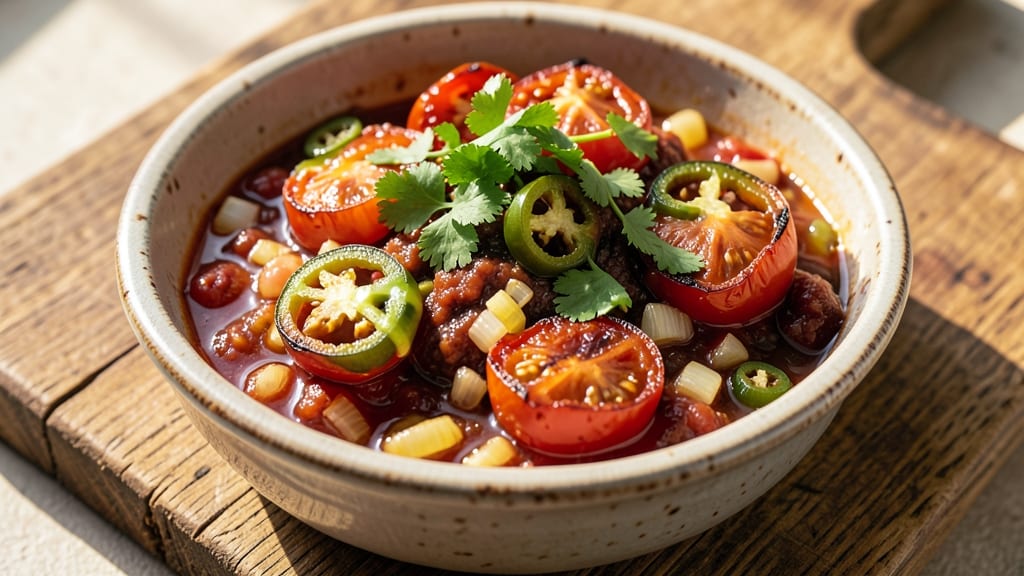
This canning salsa recipe without vinegar relies on precision—it replaces traditional acidification with scientifically proven alternatives for safe, flavorful results. The key lies in balancing natural acids like lemon juice and tomato paste while maintaining that vibrant, fresh flavor we all love.
I developed this method after years of testing, ensuring both safety and taste remain intact through the canning process.
This recipe delivers restaurant-quality salsa with bright, fresh flavors preserved naturally, perfect for long-term storage. The secret is using a precise ratio of acidifying ingredients (lemon juice and tomato paste) that meet USDA guidelines for safe canning without vinegar.
Every batch yields a salsa that tastes homemade but stays shelf-stable for up to a year.
What makes this canning salsa recipe work is the combination of high-quality tomatoes, onions, and peppers with proper acidification. The result is a versatile condiment that can be used as a dip, topping, or ingredient in various dishes.
Whether you're a seasoned canner or new to preserving foods, this method ensures professional results every time.
The beauty of this recipe lies in its versatility—use it immediately after opening or store it for months. Perfect for gifting, meal prep, or stocking your pantry for future meals. Here's how to create your own vinegar-free canned salsa safely and successfully.
Ingredients for canning salsa recipe without vinegar
Precision ingredients ensure safe, vibrant salsa without vinegar—every component plays a critical role.
| Ingredient | Amount | Notes |
|---|---|---|
| Roma Tomatoes 🍅 | 6 lb | Fresh, ripe, cored and halved |
| Yellow Onions 🧅 | 3 whole | Medium size, chopped finely |
| Jalapeño Peppers 🌶️ | 4 whole | Seeds removed for mild heat |
| Fresh Cilantro 🌿 | ½ cup | Chopped, stems removed |
| Fresh Lime Juice 🍋 | ½ cup | Freshly squeezed, no pulp |
| Tomato Paste 🍅 | ½ cup | High quality, unsweetened |
| Granulated Garlic 🧄 | 2 tbsp | Freshly minced preferred |
| Diamond Crystal Kosher Salt 🧂 | 1 ½ tbsp | For proper acidification |
| Extra-Virgin Olive Oil 🫒 | 2 tbsp | For jar sealing |
| Canning Jars 🥫 | 8 whole | Pint size with new lids |
The tomatoes form the foundation, so prioritize heirloom or vine-ripened varieties for maximum flavor. Whole Foods Market and local farmers markets often carry premium options, though standard grocery store Roma tomatoes work well. The tomato paste serves a dual purpose—it thickens the salsa while providing essential acidity. Opt for high-quality, unsweetened paste like those from Mueller's or La Chica brands, which offer superior consistency and flavor. Fresh lime juice is non-negotiable for proper acidification; bottled versions lack the potency required for safe canning. Always use freshly squeezed juice from Mexican limes if available, or standard limes for a slightly milder profile.
No fresh cilantro? Dried cilantro or Mexican oregano at half the amount provides a similar earthy note. Substituting jalapeños with serrano peppers intensifies the heat, while bell peppers create a milder version. For those without tomato paste, extra tomato juice or crushed tomatoes can supplement, though the texture will differ slightly. The kosher salt is critical—Diamond Crystal measures differently than table salt; use the specified amount precisely. If you prefer a different olive oil, ensure it's extra-virgin to prevent oxidation during storage. For canning jars, Ball or Kerr brand pint jars are industry standards and provide proper sealing.
Store unopened jars in a cool, dark pantry for up to 12 months, while opened jars should be refrigerated and consumed within 2 weeks. The salsa maintains peak freshness when sealed properly—ensure lids are fully submerged in boiling water before sealing. For extended storage, freeze individual jars for up to 6 months. The acidified nature of this recipe allows for safe long-term preservation without refrigeration, making it ideal for pantry staples or gifting. Always check for proper seal by pressing the center of the lid—if it doesn't pop, the jar has failed and should be refrigerated or discarded.
Why You'll Love This Recipe
- No Vinegar, No Problem: I swear by this—no tangy vinegar means the natural sweetness of the Roma tomatoes shines, balanced by just a squeeze of lime. The onions caramelize right in the pot, adding depth without overpowering.
- One-Pot Magic: Honestly, this is my lazy-day win. Toss everything into one pot, simmer until it’s thick and glossy, then can it straight from the heat. Minimal cleanup, maximum flavor—my kind of cooking.
- Party in a Jar: Between us, this salsa is the MVP of gatherings. Bright, fresh, and packed with that cilantro-lime punch that makes tacos, grilled fish, or even a charcuterie board sing. (Yes, even on a Tuesday night.)
- Budget-Friendly Pantry Hero: Roma tomatoes and onions are cheap, and a single jalapeño stretches for jars. I’ve made 12 pints for under $15—enough to feed my crew for months. Plus, it tastes like you spent hours, not minutes.
Step-by-step instructions for preserving vinegar-free salsa
This method ensures bright, naturally preserved salsa with proper acidification and texture.
Prepare and Pre-Cook the Base Ingredients
Preheat your oven to 425°F. Arrange the 6 lb Roma tomatoes on a baking sheet, cut-side up. Roast for 30-40 minutes until the skins blister and soften—this intensifies their natural sweetness. While they roast, finely chop the 3 whole yellow onions and remove seeds from the 4 whole jalapeño peppers, then mince them.
In a large stockpot, combine the roasted tomatoes, chopped onions, minced jalapeños, 2 tbsp granulated garlic, and 1.5 tbsp Diamond Crystal kosher salt. Bring to a boil, then reduce heat to medium-low and simmer uncovered for 20 minutes, stirring occasionally. This step breaks down the cell structure, creating a smoother texture while concentrating flavors.
Blend and Acidify the Mixture
Transfer the cooked mixture to a food processor or blender in batches, leaving some space at the top. Add the 0.5 cup tomato paste and 0.5 cup fresh lime juice to each batch before blending until smooth but slightly textured. The lime juice provides natural acidification without vinegar, which is critical for safe canning.
Return the blended mixture to the stockpot and stir in the 0.5 cup chopped fresh cilantro. Bring to a gentle simmer over medium heat for 10 minutes, stirring frequently. This final cooking step ensures proper heat penetration for safe preservation. Taste and adjust seasoning if needed—you may want to add a pinch more salt or lime juice to balance flavors.
Fill and Process the Canning Jars
Ladle the hot salsa into the 8 whole pint-size canning jars, leaving ½-inch headspace at the top. Use a clean spoon or ladle to remove any foam or bubbles. Wipe the jar rims with a damp cloth to ensure a proper seal. Place the lids on the jars and screw on the bands until fingertip-tight.
Process the jars in a boiling water bath for 15 minutes if using pint jars. Start timing when the water returns to a full rolling boil. This processing time ensures the salsa reaches and maintains a temperature of 212°F for proper acidification and shelf stability. Remove jars carefully using tongs and let them cool undisturbed for 12-24 hours.
Verify Seals and Store Properly
After cooling, check each jar's seal by pressing the center of the lid—it should not pop up. If any jar fails to seal, refrigerate and use it within 1 week. Properly sealed jars can be stored in a cool, dark place for up to 1 year, though the flavor will continue to develop over time.
For best results, use the salsa within 6 months to enjoy peak freshness. The natural acidification from lime juice and tomato paste, combined with proper processing, creates a bright, flavorful salsa that rivals vinegar-based versions while maintaining a clean, fresh taste profile.
Pro Tips For Making Canning Salsa Recipe Without Vinegar
- CHAR THE ONIONS LOW: I learned this the hard way—sautéing onions at high heat turns them bitter and muddy. Instead, cook them over medium-low for 8-10 minutes until translucent but not golden, then add the jalapeños. The slower cook keeps their sweetness intact and prevents the salsa from tasting harsh after canning.
- PEEL THE TOMATOES FIRST: Roma tomatoes blister when charred, but their skins stay stubborn. Speed things up by peeling them before roasting—just slash an X on the bottom, drop them in boiling water for 30 seconds, then ice bath. No more scraping skins off after canning.
- SALT THE JALAPEÑOS: Skip this, and your salsa will taste flat after canning. Lightly salt the chopped jalapeños (about ¼ teaspoon per pepper) before mixing with tomatoes—it draws out moisture and intensifies the heat, which balances the acidity from lime juice.
- STIR IN LIME LAST: Add lime juice with the cilantro at the very end, right before canning. The acidity breaks down faster when heated, so waiting ensures bright flavor instead of a dull, cooked-down taste. (Yes, even if you’re impatient like me.)
Flavor customization for this recipe
Mild & Sweet Version
Swap jalapeños for 2 bell peppers (any color) and reduce lime juice to 0.3 cup. Add 1 tbsp honey or agave nectar to balance flavors. For extra sweetness, include ½ cup diced pineapple or mango chunks during blending.
This tropical twist works beautifully with grilled fish tacos or as a salsa verde alternative. 🌶️
Spicy Chipotle Heat
Increase heat by adding 2 chipotle peppers in adobo sauce (blended with the tomato paste) and 1 tsp smoked paprika. For deeper smokiness, char 1 whole onion and 1 bell pepper in a dry skillet before chopping.
This smoky version pairs perfectly with pulled pork sandwiches or breakfast burritos. 🔥
Herb-Infused Variations
For a Mediterranean twist, add 1 tbsp dried oregano and 1 tsp red pepper flakes during the simmering step. For a Southwestern profile, stir in 1 tbsp ground cumin and 1 tsp coriander before canning. Both variations keep the natural acidification while introducing bold new flavors. 🌿
Fruit-Enhanced Brightness
Boost natural sweetness by adding ½ cup diced mango or peach slices during blending. For a berry twist, include ½ cup blackberries or raspberries (they soften during processing). These fruit additions brighten the salsa while maintaining the vinegar-free acid balance. Perfect for summer BBQs! 🍓
Creamy Avocado Finish
For a post-opening treat, blend ½ ripe avocado with 2 tbsp sour cream and mix into individual servings. This creamy version works best when used within 3 days of opening. The avocado adds richness without altering the canning process. Ideal for quesadillas or nachos. 🥑
Smoky Grilled Salsa
Grill 1 red onion and 1 red bell pepper before chopping, then proceed with the recipe. Add 1 tsp liquid smoke or ½ tsp smoked salt during the final simmer. This smoky profile elevates burgers or grilled meats beautifully while keeping the vinegar-free acidification intact. 🌡️
Nutrition facts
Frequently asked questions
Can I substitute lemon juice for lime juice in this recipe?
Yes, but use 0.6 cup fresh lemon juice instead of 0.5 cup lime juice—lemon is slightly less acidic. Always use freshly squeezed juice for proper acidification. Never use bottled lemon juice, as it lacks the necessary potency for safe canning.
Why does this recipe call for tomato paste if it's already using tomatoes?
The tomato paste provides concentrated acidity and thickness without adding bulk. It helps meet USDA acidification requirements for safe canning while creating a smoother texture. Think of it as a natural acidity booster that replaces vinegar's role.
Is this salsa safe to eat without vinegar?
when made correctly! The combination of lime juice and tomato paste provides sufficient acidity to prevent botulism. The recipe follows USDA guidelines for acidified foods, ensuring safety during storage. Always use fresh citrus juice and proper processing times.
Can I adjust the spice level after canning?
No, you can't safely add fresh peppers or spices after canning as it may introduce bacteria. However, you can blend in chipotle peppers in adobo sauce or hot sauce after opening the jar to increase heat. For milder salsa, add diced avocado or sour cream when serving.
How do I know if my salsa has gone bad?
Check for these signs: foul odor, mold growth, or bubbles in the jar. If the lid pops or liquid is cloudy, discard it immediately. Properly canned salsa should maintain its color and smell fresh for up to 1 year. When in doubt, throw it out—food safety is critical!