
Main Courses
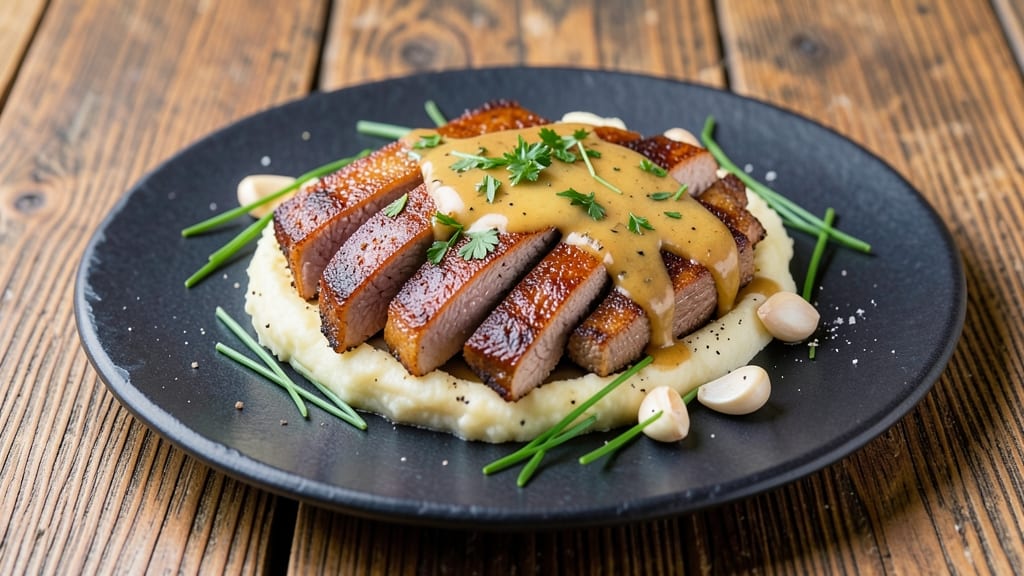
Mastering a perfectly cooked calf's liver recipe transforms this delicate ingredient into a tender, buttery masterpiece that rivals restaurant-quality dishes. I spent years perfecting this technique after my grandmother showed me how to handle its rich, bloodlike texture with care—starting with a quick soak to mellow its intensity.
The key lies in searing it just right over high heat to create that golden crust while keeping the inside velvety.
What sets this recipe apart is the herb-infused butter that bastes the liver during cooking, infusing it with bright flavors without overpowering its natural richness. A 15-minute preparation ensures you won’t spend hours in the kitchen, yet the results are restaurant-worthy.
The secret weapon? A precise timing method that guarantees a perfect doneness every time—no more dry or bloody surprises.
By the time you plate it, you’ll have slices of liver with crisp edges and a tender interior, glistening under a pool of reduced butter and herbs. The aroma alone will draw everyone to the table, and the first bite delivers that perfect balance of richness and delicate seasoning.
This is the kind of dish that turns weeknight dinners into memorable experiences.
Pair it with crisp roasted potatoes, caramelized onions, or a bold red wine reduction to complete the meal. The technique works equally well for beef liver, making it a versatile addition to any cook’s repertoire. Let’s get started—your kitchen is about to become the talk of the town.
Ingredients for calf's liver
Fourteen ingredients. One perfect sear. The secret to buttery, herb-kissed calf's liver that melts in your mouth.
| Ingredient | Amount | Notes |
|---|---|---|
| Calf's Liver 🥩 | 1 ¼ lb | Fresh, trimmed of connective tissue |
| Unsalted Butter 🧈 | ½ cup | Cold, cut into 1-inch cubes |
| Fresh Parsley 🌿 | ¼ cup | Finely chopped, flat-leaf preferred |
| Fresh Tarragon 🌿 | ⅛ cup | Finely chopped, stems removed |
| Fresh Chives 🌿 | ⅛ cup | Finely chopped, mild flavor |
| Garlic Cloves 🧄 | 4 cloves | Minced, for herb butter |
| Lemon Juice 🍋 | 2 tbsp | Freshly squeezed, for soaking |
| Diamond Crystal Kosher Salt 🧂 | 1 ½ tsp | For seasoning, not for soak |
| Freshly Ground Black Pepper 🌶️ | ½ tsp | Coarse grind for texture |
| Cold Water 💧 | 1 cup | For soaking liver slices |
| Extra-Virgin Olive Oil 🫒 | 1 tbsp | For searing pan, high smoke point |
| Heavy Cream 🥛 | ¼ cup | Optional, for sauce finish |
The liver is your star—freshness is non-negotiable. Hit the butcher counter at Whole Foods or your local specialty shop for the plumpest, brightest pieces. Look for a deep red color with minimal bruising—that’s your quality indicator. Trim off any connective tissue or silver skin before slicing. Calf’s liver should be about 1/2-inch thick slices, not too thin or it’ll overcook. Pro tip: ask for it pre-sliced if your butcher is feeling generous. The herbs? Fresh is mandatory—dried just won’t cut it here. Grab a bunch of tarragon from the grocery store’s refrigerated section (it’s usually near the basil), and use the rest of the parsley and chives from your kitchen stash.
No fresh tarragon? Substitute with 1/4 cup fresh thyme—it’s close enough for government work, but you’ll miss that anise note. Short on parsley? Cilantro works in a pinch, but reduce to 1/4 cup since it’s stronger. The lemon juice soak is critical—skip it and you’ll end up with a bitter bite. For the butter, European-style unsalted (like Plugrá) gives the best flavor, but any good-quality brand works. The heavy cream is optional but adds a silky finish—use full-fat or don’t bother. And for the love of all things buttery, don’t skip the cold soak—even 10 minutes makes a difference.
Prep ahead but don’t overdo it. Slice the liver and soak in lemon water up to 1 hour before cooking—no longer or it’ll get mushy. The herb butter can be made 1 day ahead and stored in the fridge, wrapped tightly in plastic. Reheat gently in a dry pan over low heat before using. Leftover liver? Wrap tightly and refrigerate for up to 2 days, but honestly, it’s best eaten fresh. The herb butter keeps 1 week in the fridge or 3 months frozen—portion it into small containers for easy use. And if you’re feeling fancy, save the reduced butter after cooking for 1 week of flavor-packed lunches.
Why You'll Love This Recipe
- I’ll be real: I often make more than I need. The liver reheats beautifully in that same butter-herb sauce, and the flavor only deepens. Plus, it’s cheaper than steak but feels just as special—so you can treat yourself without guilt. Budget win, flavor win.
- Pan in Hand: I swear, this is the kind of dish where you pat yourself on the back for cooking. Just sear the liver in butter, toss in those bright herbs—parsley, tarragon, chives—and you’re done. No chopping mountains of veggies, no fancy plating. That’s the magic of a good liver pan sauce.
- Herb Bomb Flavor: Honestly, the way the tarragon and chives sing when melted into butter? It’s like a little green symphony. The liver stays tender while the edges get that golden crust—crispy outside, silky inside. That’s the kind of contrast that makes you want to close your eyes and savor it.
- Weeknight to Dinner Party: Between us, this recipe works everywhere. Toss it on toast for a lazy Sunday breakfast, serve it over buttered pasta for a fancy-ish weeknight, or plate it with roasted potatoes for a dinner that looks impressive but took 20 minutes. It’s the chameleon of meals.
Step-by-step instructions for calf's liver with herb butter
Here's how to transform delicate calf's liver into silky, buttery perfection with a bright herb finish.
Soak the Liver to Prevent Bitterness
Place the 1.25 lb calf's liver in a shallow dish and pour over the 2 tbsp lemon juice and 1 cup cold water. Let it soak for exactly 20 minutes—this acid treatment mellows the liver's natural bitterness while keeping it tender. Don't exceed 20 minutes or you'll start to cook the liver prematurely.
After soaking, pat the liver dry thoroughly with paper towels. This step is crucial because any moisture left on the surface will prevent proper browning when you sear. I like to press down firmly with the towels to remove all traces of liquid—wet liver equals steam instead of a golden crust.
Create the Herb Butter Compound
In a small bowl, combine the 0.5 cup cold unsalted butter (cut into 1-inch cubes), 0.25 cup finely chopped fresh parsley, 0.125 cup chopped fresh tarragon, 0.125 cup chopped fresh chives, and 4 minced garlic cloves. Mix gently with a fork until just combined—you want the herbs distributed throughout the butter without breaking them down into a paste.
This herb butter serves two purposes: it bastes the liver during cooking and creates a luxurious sauce afterward. I always use cold butter for this step because it creates better texture when melted. Press the mixture into a log shape and flatten slightly for easier handling in the pan.
Sear the Liver with Precision
Heat a large skillet over medium-high heat until very hot (you should see a slight shimmer). Add the 1 tbsp extra-virgin olive oil and swirl to coat the pan. Working quickly, place the liver slices in the pan—don't overcrowd, or they'll steam instead of sear.
Cook for exactly 1 minute per side for medium-rare doneness. You'll know it's ready when the edges are golden brown and the surface releases easily from the pan. The interior should still look slightly translucent—this is where the magic happens. If you prefer more done liver, add 30 seconds per side, but don't overcook or it'll turn tough.
Finish with Herb Butter and Cream
Remove the liver from the pan and set aside on a warm plate. Immediately reduce heat to medium-low and add the herb butter compound to the same skillet. Let it melt completely, about 30 seconds, then pour in the 0.25 cup heavy cream. Stir gently until the sauce thickens slightly, about 1 minute.
Return the liver to the pan and spoon the herb butter sauce generously over the top. Let it sit for 1 minute to absorb the flavors. The sauce should coat the liver in a glossy, golden layer that's rich with herb notes and buttery depth. Serve immediately while the liver is still warm and tender.
Pro Tips For Making Calf'S Liver
- Slice Uniformly: Calf’s liver cooks in seconds—cut pieces the same size (about 1/2-inch thick) so they all hit medium doneness at once. I learned this the hard way after serving one side well-done and the other barely warmed through.
- Soak in Milk: Toss the liver in cold milk for 15–20 minutes before cooking—this tenderizes the texture and mellows the bloodline’s intensity. Skip this, and you’ll regret the iron bite.
- High Heat, Fast Exit: Sear liver in a screaming-hot pan with butter for 30 seconds per side max—it’ll carryover cook as you rest it. After that, it’s overcooked and rubbery. (Yes, even if you’re impatient like me.)
- Butter the Herbs: Swirl chopped parsley, tarragon, and chives into the melted butter before adding the liver—this distributes flavor evenly and keeps the herbs from sticking to the pan like stubborn glue.
Storing and reheating this recipe
Refrigerator Storage
Cooked calf's liver keeps best in the refrigerator when stored properly in an airtight container with a splash of the herb butter sauce to prevent drying.
I wrap mine tightly in plastic wrap first, then transfer to a glass container with a lid—this double protection keeps it moist for up to 2 days. The liver will lose some tenderness after 24 hours, so I recommend reheating within that window for ideal texture. 💫
Freezer Preservation
For longer storage, freeze cooked liver in a single layer on a tray before transferring to a freezer bag to prevent clumping. Label with the date—it stays excellent for up to 3 months.
When ready to use, thaw overnight in the fridge, then reheat gently. I've found that freezing works best with the herb butter sauce mixed in, as it helps maintain moisture during thawing.
Reheating Methods
For the best results, reheat liver in a skillet over low heat with a pat of butter until just warmed through—about 2-3 minutes. Avoid microwaving as it makes the texture rubbery.
If using leftovers, I like to add a splash of heavy cream to the pan to recreate that silky sauce consistency. The key is speed—don't let it sit in the pan or it'll dry out.
Sauce Storage Tips
The herb butter sauce can be stored separately in an airtight container in the fridge for up to 1 week or frozen for 3 months. To reheat, warm gently in a dry pan over low heat until melted and smooth.
I often make extra sauce to use on toast or steamed vegetables later in the week—it's just as delicious cold as it is hot.
Safety Reminders
Always reheat liver to an internal temperature of 165°F to ensure food safety. The color won't change significantly when reheating, so use a meat thermometer for accuracy.
If the liver appears dry after reheating, add a splash of warm water or broth to the pan and cover for 1 minute to restore moisture. Never reheat liver more than once. 🔥
Nutrition facts
Frequently asked questions about calf's liver
Why does calf's liver need to be soaked before cooking?
The soak removes excess blood and mellows the natural bitterness that makes liver taste strong. Using lemon juice and cold water for 20 minutes is key—any longer risks cooking the liver prematurely or making it too soft. This step is non-negotiable for tender, flavorful results.
Can I substitute beef liver for calf's liver in this recipe?
Beef liver works perfectly and is often more available. The cooking time remains the same (1 minute per side for medium-rare), but beef liver may have slightly more connective tissue, so trim carefully. The herb butter technique enhances both types equally.
What's the best way to tell when calf's liver is done?
Look for golden-brown edges and a slightly translucent center—this means medium-rare perfection. For medium doneness, add 30 seconds per side, but never overcook or it becomes tough. A meat thermometer should read 135°F for medium-rare.
How do I prevent calf's liver from drying out?
Keep heat medium-high and avoid overcrowding the pan—steaming instead of searing causes dryness. After cooking, immediately baste with the herb butter sauce to lock in moisture. Serve right away for the best texture.
What are the best sides to serve with this dish?
Creamy mashed potatoes, caramelized onions, or a crisp green salad balance the richness. For a classic pairing, try roasted fingerling potatoes with rosemary. The herb butter sauce also works beautifully drizzled over buttered egg noodles.