
Snacks
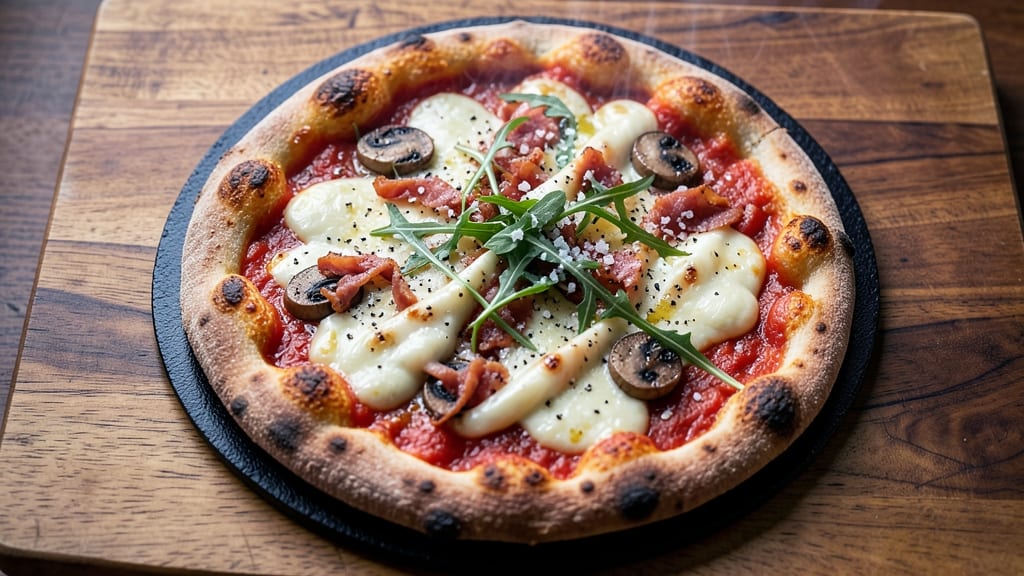
Bobby Flay’s pizza recipe brings the bold flavors and crispy perfection of Neapolitan-style crust straight to your home kitchen. This isn’t your average slice—it’s all about that high-heat baking technique and signature toppings that make every bite unforgettable.
After perfecting this recipe in my own kitchen, I can confidently say it delivers restaurant-quality results with a foolproof method that even beginners can master.
The secret starts with the dough—a simple yet precise mix of flour, yeast, and a touch of olive oil that creates a chewy, airy crust with just the right crispness. Bobby’s approach skips the long fermentation, opting instead for a quick rise that still develops deep flavor.
The sauce? A balanced blend of san marzano tomatoes, garlic, and fresh basil—no sweet syrup here, just bold, authentic taste. Toppings are where the magic happens, from classic pepperoni to unexpected combinations like prosciutto and arugula.
By the time it hits the 900°F oven (yes, you read that right), you’ll have a pizza with a blistered crust, bubbling cheese, and toppings that stay perfectly cooked. The high heat ensures a crispy edge and tender center, while the sauce caramelizes just enough to add depth.
This isn’t just pizza—it’s a game-changer for home cooks who want to impress without the fuss.
Serve it fresh with a sprinkle of flaky sea salt and a squeeze of lemon for that final touch. Whether you’re feeding a crowd or treating yourself to a solo meal, this recipe delivers restaurant-quality results every time. Let’s get baking!
Ingredients for bobby flay pizza
Fourteen simple ingredients transform into Neapolitan-style pizza with Bobby Flay's high-heat magic.
| Ingredient | Amount | Notes |
|---|---|---|
| All-Purpose Flour 🌾 | 3 ½ cups | High-protein for chewy texture |
| Active Dry Yeast 🍞 | ¼ tsp | Instant yeast works too |
| Granulated Sugar 🍬 | ¼ tsp | Feeds yeast for activation |
| Extra-Virgin Olive Oil 🫒 | ½ cup | High-quality for richness |
| Warm Water 💧 | 1 cup | 105-110°F for yeast activation |
| San Marzano Crushed Tomatoes 🍅 | 1 can | 28 oz can, no salt added |
| Garlic Cloves 🧄 | 4 cloves | Fresh, minced for sauce |
| Fresh Basil Leaves 🌿 | ¼ cup | Packed, chopped finely |
| Salt 🧂 | 1 ½ tsp | Diamond Crystal preferred |
| Mozzarella Cheese 🧀 | 8 oz | Fresh, shredded by hand |
| Pepperoni Slices 🥓 | 8 slices | Classic or spicy variety |
| Flaky Sea Salt 🧂 | 1 tbsp | For finishing garnish |
| Lemon Juice 🍋 | 1 tbsp | Freshly squeezed |
The flour is non-negotiable here—King Arthur or Caputo Tipo 00 if you can find it, but high-protein all-purpose works in a pinch. Yeast matters too: grab fresh yeast from the refrigerated section at Whole Foods or Trader Joe's for maximum potency. The San Marzano tomatoes? No shortcuts—this is where the authentic flavor starts. I always buy the 28-ounce can from San Marzano brand at Costco—it's worth the splurge. For the olive oil, California Olive Ranch or Bertolli are my go-tos—they've got that fruity punch that translates perfectly to the crust.
No San Marzano tomatoes? Crushed tomatoes labeled 'Italian-style' are your next best bet—just add a pinch of sugar to balance acidity. Fresh basil wilting? Dried basil at one-third the amount keeps the flavor profile intact. Out of pepperoni? Prosciutto or spicy salami work beautifully—just slice thinly so it cooks through. The mozzarella needs to be fresh, not shredded from a bag—it melts like a dream. For the crust, if you can't find Tipo 00, bread flour plus 1 tbsp extra all-purpose mimics the protein content. And trust me on the sea salt—Maldon flakes elevate everything.
This dough keeps 2 days in the fridge wrapped tightly in plastic. For longer storage, freeze the shaped dough balls for up to 3 months—thaw overnight in the fridge before baking. The sauce? Make it fresh and use within 3 days for peak flavor. I always double the sauce recipe—it's perfect for bruschetta or pasta the next day. Leftovers? Slice and reheat at 350°F for 10 minutes—the crust stays crispy, I promise.
Why You'll Love This Recipe
- No-Yeast Struggle: I swear by this dough—just flour, yeast, sugar, oil, and water. No kneading, no waiting for hours; the yeast does its magic while I chop toppings. Honestly, my lazy Sundays just got a whole lot easier.
- Crispy Yet Chewy Magic: That perfect balance? The olive oil in the dough creates a golden, blistered crust while keeping the center pillowy. I’ll be real: it’s the kind of texture that makes you take a second bite without thinking.
- Game for Any Night: Weeknight dinner? Date night? Movie marathon? This dough handles it all—thin for Neapolitan-style, thick for deep-dish, or even as a flatbread. My daughter picks out the toppings, but we always end up with seconds.
- Budget-Friendly Staples: Five simple ingredients, zero specialty items. The sugar feeds the yeast, the olive oil adds richness, and the rest? Pure, affordable comfort. Between us, this is my secret weapon for feeding a crowd without breaking the bank.
Step-by-step instructions for Bobby Flay's pizza recipe
Mastering this Neapolitan-style pizza means perfecting the dough, sauce, and toppings—here's how to nail each element.
Activate the Yeast and Prepare the Dough
In a large mixing bowl, combine the 1 cup warm water, 0.25 tsp granulated sugar, and 0.25 tsp active dry yeast. Let it sit for 5-10 minutes until foamy—this confirms the yeast is active. If it doesn't foam, your yeast is dead and you'll need to start over.
Add the 3.5 cups all-purpose flour and 1.5 tsp salt to the bowl. Mix with a wooden spoon until a shaggy dough forms. Then, gradually drizzle in the 0.5 cup extra-virgin olive oil while kneading by hand for 8-10 minutes. The dough should be smooth, elastic, and slightly tacky but not sticky. If it's too dry, add 1 teaspoon warm water; if too sticky, sprinkle 1 tablespoon flour. Cover the bowl with a damp towel and let rise in a warm place for 1-2 hours or until doubled in size.
Build the Flavorful Tomato Sauce
While the dough rises, prepare the sauce by heating the 1 can San Marzano crushed tomatoes in a saucepan over medium heat. Stir in the 4 minced garlic cloves and simmer for 10-12 minutes until slightly thickened. Season with 0.5 tsp salt (save the rest for later) and remove from heat. Stir in the 0.25 cup chopped fresh basil leaves and 1 tbsp freshly squeezed lemon juice. Let it cool slightly before using—this brightens the flavor and prevents a soggy crust.
I like to taste the sauce at this stage. It should be tangy, garlicky, and balanced—not too acidic or bland. If it needs more brightness, add another ½ teaspoon lemon juice. This sauce is the soul of your pizza, so don't rush this step.
Shape and Assemble the Pizza
Preheat your oven to its highest setting (500°F or higher—a pizza stone or steel works best). Once the dough has risen, punch it down gently and divide it into 4 equal portions. On a floured surface, roll each portion into a 12-inch round, keeping the edges slightly thicker for that classic Neapolitan puff. Transfer the shaped dough to a floured pizza peel or parchment paper.
Spread a thin, even layer of the tomato sauce over each dough round, leaving a ½-inch border for the crust. Sprinkle 2 ounces of freshly shredded mozzarella cheese and 2 slices pepperoni over each pizza. The cheese should melt beautifully without overflowing—this is where fresh mozzarella shines over pre-shredded.
Bake to Golden Perfection
Carefully transfer the assembled pizzas to the preheated oven or pizza stone. Bake for 10-12 minutes until the crust is deep golden brown and the cheese is bubbling and slightly charred in spots. The edges should puff up dramatically—this is your cue that the dough has cooked through.
Real talk: Don't walk away. The pizza burns faster than you think. Watch through the oven window for that perfect char—the crust should be crispy yet still slightly soft to the touch. If your oven runs hot, start checking at the 8-minute mark to avoid overcooking.
Finish with Flaky Sea Salt and Serve Immediately
Remove the pizzas from the oven and let them rest for 2-3 minutes—this prevents the cheese from sliding off when you cut. Sprinkle each pizza generously with ¼ tablespoon flaky sea salt right before serving. This adds a dramatic finish that cuts through the richness of the cheese and pepperoni.
Slice each pizza into 8 wedges and serve immediately while the crust is still crisp and the cheese is molten. The combination of the chewy, airy crust, tangy tomato sauce, and perfectly melted cheese will have everyone asking for seconds. Pro tip: Serve with a simple arugula salad dressed with 1 tablespoon extra-virgin olive oil and a squeeze of lemon to balance the richness.
Pro Tips For Making Bobby Flay Pizza
- Stir Until Foamy: When mixing the yeast with warm water and sugar, stir vigorously for 30 seconds—you’re not just dissolving it, you’re waking it up. I used to skip this and wonder why my dough took forever to rise. A quick swirl with a fork (or whisk) creates tiny bubbles that signal the yeast is ready to party.
- Use a Thermometer: Warm water should hit 105–110°F—any hotter and you’ll kill the yeast before it even starts. I learned this the hard way after boiling my first batch by accident. A cheap instant-read thermometer is worth its weight in dough.
- Knead Less, Rest More: Bobby Flay’s dough needs just 5–7 minutes of kneading—enough to smooth it out, not turn it into a workout. The real magic happens in the 1–2 hour rise at room temp. Skip the over-kneading; your arms (and the gluten) will thank you.
- Oil the Bowl Properly: Coat your mixing bowl with 1 tablespoon olive oil—not just a drizzle. Press the oil into the sides with your fingers so the dough doesn’t stick when it doubles. I used to wipe it off afterward, but that’s when I’d lose half the dough to the bowl. (Yes, even if you’re impatient like me.)
Troubleshooting perfect results
Dough Won’t Rise
If your dough isn’t doubling after 1-2 hours, check your yeast first—it might be dead. Test it by mixing ½ tsp yeast with 2 tbsp warm water and 1 tsp sugar. If it doesn’t foam within 5 minutes, replace it.
Cold kitchens? Move the bowl to a warmer spot, like near the oven with the light on. For extra insurance, add ¼ tsp sugar to the dough to feed the yeast. 💡
Sauce Too Watery
If your sauce is too thin after simmering, reduce it longer over low heat or add 1 tbsp tomato paste to thicken. I’ve found that San Marzano tomatoes sometimes need a pinch of sugar to balance acidity—start with ½ tsp and adjust.
For a quicker fix, stir in 1 tsp cornstarch mixed with 1 tbsp water to thicken immediately. Always taste before using!
Crust Too Thick
If your crust is uneven or too thick, you likely rolled it too aggressively. Bobby Flay’s method focuses on a 12-inch round with slightly thicker edges—don’t flatten it completely. For a thinner crust, roll each ball into a 14-inch round and let it rest 10 minutes before baking.
Preheating your pizza stone or steel to 500°F+ also helps create that signature crispiness. 🔥
Cheese Not Melting
Pre-shredded cheese won’t melt like fresh mozzarella—it’s coated with anti-caking agents. Always use fresh mozzarella and shred it yourself with a knife or grater. For extra meltiness, sprinkle cheese in layers: sauce, cheese, toppings, then another layer of cheese.
If your oven isn’t hot enough (500°F), the cheese won’t brown or melt properly. Try baking on the top rack for even heat distribution.
Pizza Burns Before Cooking Through
High-heat ovens can char the crust before the center cooks. If this happens, reduce the oven temperature to 475°F and bake for 15-18 minutes. For a crispier crust, bake on a preheated pizza stone or steel.
I’ve also had success using a cast-iron skillet on the stovetop—heat it over high heat for 5 minutes, then transfer the pizza to finish in the oven for 2-3 minutes.
Toppings Stay Raw
Thick toppings like sausage or mushrooms need extra time to cook through. Pre-cook dense toppings (like ground meat) and drain excess liquid. For veggies, slice them thinly—¼-inch thick cooks faster.
If your pizza still has cold spots, finish under the broiler for 1-2 minutes on high, watching closely to avoid burning. 🌟
Nutrition facts
Frequently asked questions
What makes Bobby Flay’s pizza crust different from traditional Neapolitan?
The key lies in the dough’s high-protein flour and quick rise method, creating a chewy yet crispy texture with slightly thicker edges. Unlike slow-fermented Neapolitan dough, this recipe uses a 1-2 hour rise while still developing deep flavor. The high-heat baking (500°F+) gives it that signature blistered crust without requiring a wood-fired oven.
Can I use store-bought dough for this recipe?
For convenience, use high-quality pre-made pizza dough (like those from Whole Foods or Trader Joe’s) and follow the same shaping and baking instructions. The dough should be rolled into 12-inch rounds with slightly thicker edges. Just skip the yeast activation and rising steps—your results will still be delicious.
How do I get the same crispy crust without a pizza stone?
Use a cast-iron skillet or baking sheet for even heat distribution. Preheat it in the oven for 30 minutes at 500°F before adding the pizza. For extra crispiness, bake on the top rack and finish under the broiler for 1-2 minutes—just watch closely to avoid burning.
What are Bobby Flay’s signature pizza toppings besides pepperoni?
Bobby loves bold combinations like prosciutto and arugula with a drizzle of balsamic glaze, or spicy soppressata with caramelized onions and fresh mozzarella. For a vegetarian option, try roasted eggplant, ricotta, and sun-dried tomatoes with a sprinkle of chili flakes. Always keep toppings thinly sliced or pre-cooked to avoid soggy pizza.
Why does the sauce need lemon juice?
The lemon juice brightens the San Marzano tomatoes and balances their natural acidity, preventing a flat or overly tangy flavor. It also helps the sauce cling better to the dough without making it soggy. Think of it as the secret ingredient that elevates the sauce from good to restaurant-quality.