Main Courses
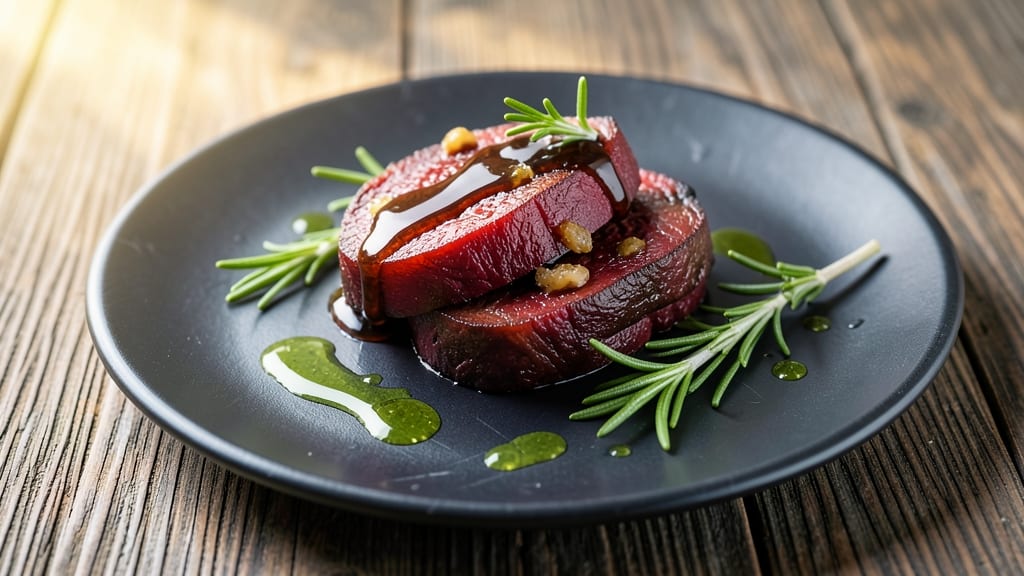
Transforming roasted beets into a perfectly charred, steak-like centerpiece proves that plant-based meals can be just as impressive as their meaty counterparts.
This beet steak recipe delivers an earthy-sweet profile with a crispy exterior that mimics the texture of a perfectly seared cut—ideal for anyone craving a hearty, protein-rich main course without animal products.
The key lies in roasting the beets until tender yet firm, then finishing them with a high-heat sear to create that coveted caramelized crust.
What sets this dish apart is the balance of techniques: roasting develops natural sweetness while the final sear adds depth and contrast. A simple marinade of balsamic, garlic, and smoked paprika elevates the flavor profile, ensuring every bite is rich and satisfying.
The result is a restaurant-quality vegan steak that holds its shape, absorbs marinade beautifully, and pairs effortlessly with classic sides like chimichurri, roasted potatoes, or a crisp arugula salad.
By the time you plate this beet steak, you’ll have a visually striking dish that’s as impressive as it is delicious—deep ruby-red slices with a golden crust, served alongside complementary sides for a complete meal.
The texture contrast between the tender beet and crispy exterior makes it unforgettable, while the earthy-sweet flavor profile satisfies even the most skeptical meat lovers. This is vegan cooking at its finest.
Perfect for weeknight dinners, special occasions, or anyone looking to expand their plant-based repertoire, this recipe proves that perfect doesn’t require meat. The method is straightforward, the ingredients accessible, and the results undeniably satisfying. Let’s get cooking—your taste buds will thank you.
Ingredients for beet steak
Sixteen ingredients transform humble beets into a restaurant-quality vegan steak.
| Ingredient | Amount | Notes |
|---|---|---|
| Medium Beets 🍠 | 4 whole | Organic, medium-sized, uniform shape |
| Extra-Virgin Olive Oil 🫒 | ½ cup | High-quality, fruity variety |
| Balsamic Vinegar 🍷 | ¼ cup | Aged, rich flavor preferred |
| Smoked Paprika 🌶️ | 1 tbsp | For deep, smoky aroma |
| Garlic Cloves 🧄 | 4 cloves | Fresh, peeled, minced |
| Fresh Rosemary 🌿 | ¼ cup | Finely chopped, fresh preferred |
| Sea Salt 🧂 | 1 ½ tsp | Diamond Crystal preferred |
| Freshly Ground Black Pepper 🌶️ | 1 tsp | Coarse grind preferred |
| Maple Syrup 🍁 | 1 tbsp | Grade B for robust flavor |
| Avocado Oil 🫒 | 2 tbsp | High-smoke point for searing |
| Lemon Juice 🍋 | 1 tbsp | Freshly squeezed |
| Fresh Thyme Leaves 🌿 | ⅛ cup | Chopped, fresh preferred |
The beets are the foundation—organic, medium-sized ones from Whole Foods or your local farmers market deliver the best texture. Look for vibrant, deep red beets with no soft spots; the uniform shape ensures even cooking. If you can't find organic, any firm, unblemished beets will work. The smoked paprika here is non-negotiable—it adds that smoky depth that mimics traditional steak seasoning. I grab mine from Penzeys when I'm stocking up, but the regular grocery store brand works fine for occasional use. Fresh rosemary and thyme? Trader Joe's usually has them at a great price, or grow your own if you're feeling ambitious. The key is to use them within a week of purchase for maximum flavor.
No smoked paprika? Substitute half a teaspoon of liquid smoke plus regular paprika—it won't be identical, but it'll get you close. Fresh herbs wilt fast, so dried rosemary and thyme at one-third the amount work in a pinch. The balsamic vinegar should be aged and rich—anything labeled 'aged' or 'extra-aged' at Whole Foods or specialty stores will do. For the sear, avocado oil is your best friend—it handles high heat without burning. No avocado oil? Grapeseed or refined olive oil works, but avoid unrefined olive oil as it can smoke too much. The maple syrup adds a touch of sweetness that balances the earthiness; if you're avoiding sugar, date syrup or agave are great alternatives.
Store whole beets in a cool, dark place for up to 2 weeks, or refrigerate for 1 month if peeled. The marinade keeps in the fridge for 5 days, but the beets are best used fresh. Once cooked, these beet steaks reheat beautifully—just warm in a skillet with a splash of water for 2-3 minutes to restore crispiness. I like to slice them 1/4-inch thick for perfect steak-like presentation. The leftovers? Toss them into salads, grain bowls, or even a vegan burger patty for a flavor boost.
Why You'll Love This Recipe
- One-Pan Magic: I swear by this for nights when I’d rather scroll than scrub—just roast the beets with olive oil, garlic, and smoked paprika until caramelized. No extra pans, no extra stress, just that deep, smoky flavor with zero cleanup.
- Sweet-Savory Crunch: That balsamic glaze? Absolute game-changer. It turns the beets into sticky, tangy little steaks with a crispy edge—like a fancy appetizer, but I’m making it for dinner because why not.
- Leftover Reinvention: Roast a big batch and repurpose them all week: slice into salads, mash into hummus, or toss into grain bowls. Honestly, I’ve had them cold in sandwiches by Thursday, and they’re still delicious.
- Budget Flexibility: Beets are cheap, and this recipe stretches them far. Use the leftovers for snacks, sides, or even a quick breakfast hash—no wasted ingredients, just pure flavor for less. (Yes, even on a Tuesday night.)
Step-by-step instructions for beet steak recipe
Here's how to transform humble beets into restaurant-worthy steaks with a charred crust and tender interior.
Prep and Parboil the Beets
Preheat your oven to 400°F. Scrub the 4 whole medium beets clean, then trim off any leafy stems and peel away the skin using a vegetable peeler. Cut each beet lengthwise into ¼-inch thick slices, ensuring uniform thickness for even cooking.
Arrange the beet slices in a single layer on a rimmed baking sheet lined with parchment paper. Drizzle with 2 tablespoons avocado oil and sprinkle with ½ teaspoon sea salt. Roast for 15 minutes until the edges begin to soften slightly and the beets release a sweet aroma. This parboiling step ensures they cook through without burning during searing.
Create the Flavor Rub
While the beets parboil, prepare the flavor rub by combining 1 tablespoon smoked paprika, 1 teaspoon freshly ground black pepper, 1 tablespoon maple syrup, 1 tablespoon lemon juice, and 0.125 cup fresh thyme leaves in a small bowl. Stir until the maple syrup and lemon juice are fully incorporated, creating a thick paste.
This blend of smoky, sweet, and citrus notes creates the perfect balance for beet steaks. The maple syrup adds depth while preventing the rub from being too dry. Keep this mixture handy—you'll use it immediately after the beets come out of the oven.
Sear for Perfect Crust
Heat a large cast-iron skillet over medium-high heat until it's smoking hot. Remove the parboiled beets from the oven and immediately transfer them to the skillet in a single layer. Let them sear undisturbed for 3-4 minutes per side until they develop deep caramelization and crisp edges.
Here's where the magic happens: the high heat creates that coveted charred crust while the parboiling ensures the interior remains tender. If you notice the beets browning too quickly, reduce the heat slightly to medium and continue cooking. You want that perfect balance between crispy exterior and soft interior.
Glaze and Finish
Once the beets are beautifully seared, reduce the heat to low and add 0.5 cup extra-virgin olive oil and 0.25 cup balsamic vinegar to the skillet. Spoon the mixture over the beets, then sprinkle with the remaining 1 teaspoon sea salt and 0.25 cup fresh rosemary.
Let the beets simmer in the glaze for 2-3 minutes until the liquid reduces slightly and coats the beets with a glossy sheen. The balsamic vinegar adds tangy depth while the olive oil enhances the natural sweetness of the beets. The rosemary infuses its piney aroma throughout the dish.
Rest and Serve
Transfer the beet steaks to a serving platter and let them rest for 5 minutes before serving. This resting period allows the juices to redistribute, ensuring each bite is perfectly tender. Garnish with the 4 minced garlic cloves and any remaining thyme from the rub.
The result should be beet steaks with a beautifully charred crust that gives way to tender, sweet flesh. The glaze adds a perfect balance of sweet, tangy, and herby flavors that complement the earthy sweetness of the beets. Serve immediately while the crust is still crisp and the interior remains warm and juicy.
Pro Tips For Making Beet Steak
- Roast Beets First: Peel and roast the beets whole at 400°F (200°C) for 45-50 minutes before slicing—this concentrates their sweetness and makes them tender enough to hold up like steak. I used to slice them raw, and they’d turn to mush when seared. Trust me, the effort pays off.
- Use Cold Beets: Let the roasted beets cool completely before slicing—it’s the only way to get clean, even slices that won’t fall apart when you sear them. I learned this the hard way after serving a pile of crumbled beet "steaks" to skeptical guests.
- High Heat, Fast Sear: Get your pan screaming hot with olive oil before adding the beet slices—just 2-3 minutes per side for a caramelized crust. Skimp on the heat, and you’ll end up with sad, soggy beets. (Yes, even if you’re impatient like me.)
- Deglaze with Vinegar: After searing, splash in 2 tablespoons balsamic vinegar and let it bubble for 30 seconds—this cuts through the richness and adds depth without overpowering. I was skeptical until I tried it; now it’s non-negotiable for balance.
Flavor customization for beet steak
Sweet & Smoky Profile
Start with the classic base: increase the smoked paprika to 2 tablespoons and add 1 teaspoon cinnamon for warmth. The maple syrup becomes your secret weapon—boost it to 2 tablespoons and add 1 teaspoon vanilla extract for depth.
This combo creates a caramelized crust with layers of sweetness and smokiness that mimic traditional steakhouse flavors. 🌶️
Herb-Forward Variation
Swap the rosemary for 1 tablespoon fresh oregano and 1 tablespoon fresh marjoram to create a Mediterranean-inspired twist. Add 1 minced garlic clove to the marinade and finish with a sprinkle of crumbled feta cheese (optional) before serving.
The herbs brighten the earthy beets while keeping the dish light yet satisfying.
Spicy Kick Options
For heat lovers, add 1 teaspoon cayenne pepper or ½ teaspoon red pepper flakes to the flavor rub. For a smoky-spicy fusion, mix 1 tablespoon chipotle powder with the smoked paprika.
Balance the heat with a drizzle of mango chutney or avocado crema when serving. The contrast of sweet, spicy, and creamy makes every bite exciting.
Umami Boost
Elevate the savory profile by adding 1 tablespoon soy sauce or tamari to the marinade, along with 1 teaspoon miso paste. For extra depth, sear the beets in a skillet with 1 tablespoon sesame oil before glazing.
Top with toasted sesame seeds and thinly sliced scallions for a Japanese-inspired twist that adds complexity without overpowering.
Citrus-Zesty Finish
Brighten the dish with a zesty glaze by adding 2 tablespoons orange juice and 1 teaspoon grated orange zest to the balsamic reduction. Finish with a sprinkle of flaky sea salt and fresh mint leaves for a refreshing contrast.
This variation works beautifully with lighter sides like citrus salads or grilled vegetables.
Creamy & Tangy Twist
For a rich finish, toss the cooked beet steaks in 2 tablespoons vegan sour cream or cashew cream mixed with 1 tablespoon lemon juice and ½ teaspoon Dijon mustard.
Garnish with chopped dill and black pepper. The tangy creaminess cuts through the earthy sweetness, making it feel indulgent yet balanced. 💫
Nutrition facts
Frequently asked questions
Can I use canned beets instead of fresh?
Fresh beets work best for this recipe because they hold their shape and texture better during searing. Canned beets are softer and may fall apart when trying to achieve that perfect charred crust. If you must use canned, drain them thoroughly, pat dry, and roast at 425°F for 10 minutes before searing to firm them up slightly.
How do I make these beet steaks extra crispy?
For maximum crispiness, focus on the searing step. Use a hot cast-iron skillet and let the beets cook undisturbed for 4-5 minutes per side until deeply caramelized. After searing, transfer them to a wire rack set over a baking sheet for 5 minutes to crisp up any softened edges. A final sprinkle of smoked paprika before serving adds texture contrast.
What are the best sides to serve with beet steaks?
These beet steaks pair beautifully with rich, earthy sides that complement their sweetness. Try creamy mashed potatoes, roasted garlic Brussels sprouts, or a wild rice pilaf. For a lighter option, a mixed greens salad with balsamic vinaigrette or grilled asparagus works perfectly. The key is balancing textures—something creamy or crunchy contrasts nicely with the tender beets.
Can I make beet steaks ahead of time?
You can prep the beet steaks up to 2 days in advance by roasting and marinating them, then storing them in an airtight container in the fridge. When ready to serve, simply reheat in a skillet with 1 tablespoon avocado oil over medium heat for 3-4 minutes per side to restore crispiness. The flavor actually improves after resting! For best results, serve within 4 hours of reheating.
What's the secret to getting that perfect steak-like texture?
The magic lies in two key steps: parboiling the beets first to tenderize them evenly, then high-heat searing to create that charred crust. The ¼-inch thickness ensures they cook through without becoming mushy. The marinade's maple syrup and balsamic also help bind the texture, giving them a meaty chew. Finally, the 5-minute rest before slicing lets the juices redistribute for that ideal steak-like bite.