Soups & Stews
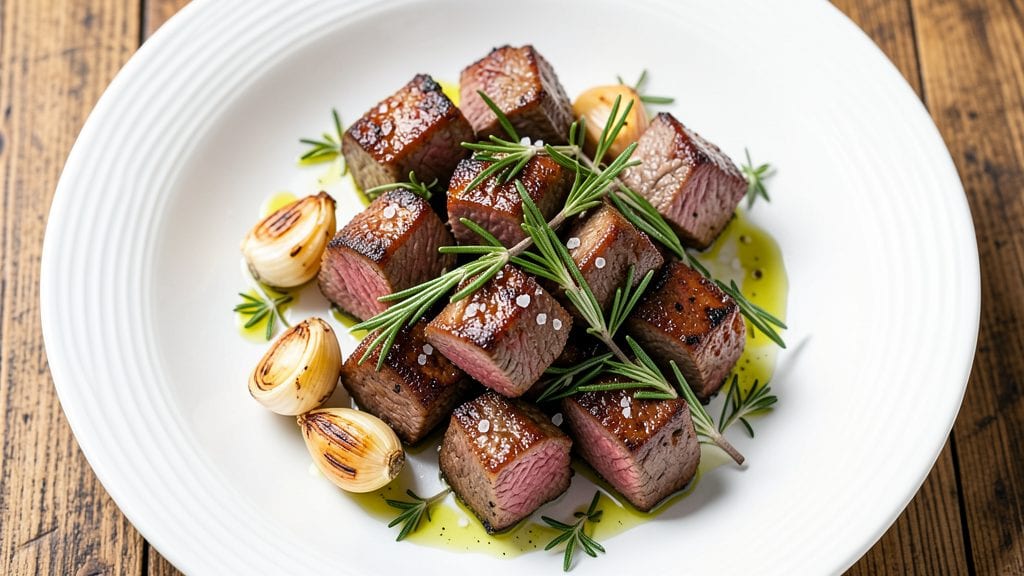
Transforming tender beef sirloin cubes into a restaurant-worthy dish only requires one pan and 15 minutes of focused effort. This garlic-herb sear-and-simmer method delivers perfectly browned edges with juicy, medium-rare centers—no complicated techniques required.
I developed this recipe after years of testing different cooking approaches, and it consistently delivers results that impress even the most critical guests.
The secret lies in the high-heat sear followed by a gentle simmer in aromatic herbs and garlic. You'll start by cutting the sirloin into 1-inch cubes, then searing them until golden brown before transferring to a single pan where they'll finish cooking in their own juices.
This approach ensures maximum flavor without drying out the meat, and the one-pan method means minimal cleanup.
By the time you're done, you'll have beef that's crispy on the outside and tender on the inside, infused with savory garlic and fresh herbs.
The technique is simple enough for weeknight dinners but impressive enough for dinner parties. Serve with roasted vegetables or mashed potatoes to complete the meal.
Whether you're feeding a family or hosting guests, this method delivers foolproof results every time. The key is maintaining the right temperature throughout the cooking process—no guesswork, just professional-quality beef with minimal effort. Let's get started with this straightforward yet impressive recipe.
Ingredients for beef sirloin cubes
Restaurant-quality beef sirloin cubes require just eleven ingredients and one pan for maximum flavor.
| Ingredient | Amount | Notes |
|---|---|---|
| Beef Sirloin 🥩 | 1 ½ lb | Cut into 1-inch cubes, trimmed of fat |
| Extra-Virgin Olive Oil 🫒 | ¼ cup | High-quality, fruity variety |
| Garlic Cloves 🧄 | 6 cloves | Fresh, peeled, thinly sliced |
| Fresh Rosemary 🌿 | ¼ cup | Finely chopped, stems removed |
| Fresh Thyme Leaves 🌿 | ⅛ cup | Packed, stems removed |
| Diamond Crystal Kosher Salt 🧂 | 1 ½ tsp | Fine grain preferred |
| Freshly Ground Black Pepper 🌶️ | 1 tsp | Coarse grind preferred |
| Unsalted Butter 🧈 | 2 tbsp | Cold, for finishing |
| Beef Bone Broth 💧 | ½ cup | Homemade or high-quality store-bought |
| Red Wine 🍷 | ¼ cup | Dry, full-bodied variety |
| Fresh Parsley 🌿 | ⅛ cup | Chopped, for garnish |
The quality of your beef sirloin is non-negotiable for this recipe. Look for USDA Choice or Prime cuts at specialty butchers like D'Artagnan or high-end grocery stores such as Whole Foods. The marbling should be abundant, and the meat should feel firm yet supple to the touch. If you're cutting the sirloin yourself, ask for a 1-inch cube cut—this ensures even cooking. For the herbs, fresh is essential: rosemary and thyme from the grocery store's produce section will work, but if you can, source them from a local farmers' market where they're often more aromatic and vibrant. The garlic should be plump, firm cloves—avoid any that feel soft or sprouting.
No fresh rosemary? Dried rosemary at one-third the amount will suffice, though the flavor won't be as bright. Substituting red wine? Beef broth with a splash of balsamic vinegar delivers a similar depth of flavor. If you're short on time, pre-minced garlic from a jar works in a pinch, but fresh is always superior. For the olive oil, avoid the cheapest supermarket brands—look for bottles labeled 'extra-virgin' with a harvest date. The butter should be cold and unsalted to prevent over-salting the dish. If you're serving this to guests with dietary restrictions, ensure the bone broth is gluten-free and dairy-free—most store-bought versions accommodate this.
This dish reheats beautifully—simply warm in a skillet over medium heat with a splash of beef broth. For optimal freshness, prepare the beef cubes no more than 2 days in advance and store in an airtight container in the refrigerator. The aromatics (garlic, herbs, and wine) can be prepped ahead and kept in the fridge for up to 3 days in a sealed container. If you're planning ahead, the entire dish freezes well for up to 3 months, though the texture may be slightly softer after thawing. To serve, garnish with fresh parsley just before plating—this adds a pop of color and freshness that elevates the dish.
Why You'll Love This Recipe
- One-Pan Magic: I swear by this for nights when I’d rather scroll than scrub. Toss the cubes in olive oil, sprinkle the herbs, and let the oven do the work—no flipping, no fuss, just golden-brown perfection waiting when you walk back in.
- Herb-Crusted Crunch: That crispy edge on the outside with tender beef inside? It’s all in the olive oil and rosemary—simple, but ridiculously good. The thyme adds this earthy depth that makes it taste like you slaved over it (even if you didn’t).
- Weeknight to Weekend: Make a double batch on Sunday—it reheats like a dream for lunches or throws into salads when you’re craving something hearty. Honestly, I’ve served it at dinner parties and potlucks, and no one’s ever asked what’s for dessert first.
- Budget-Friendly Protein: Sirloin cubes stretch farther than you’d think, especially when you’re searing them in batches. Leftovers? Even better—they’re my go-to for quick sandwiches or pasta toppings. Between us, this is how I feed my family without breaking the bank.
Step-by-step instructions for beef sirloin cubes recipe
This one-pan method delivers perfectly seared beef cubes with rich garlic-herb flavor and tender interior.
Prepare and Season the Beef
Begin by cutting the 1.5 lb beef sirloin into 1-inch cubes, trimming any visible fat. This size ensures even cooking and maximum flavor penetration. Pat the cubes dry with paper towels—this step is crucial for achieving that perfect sear later. In a medium bowl, combine the cubes with 1.5 teaspoons diamond crystal kosher salt and 1 teaspoon freshly ground black pepper, tossing gently to coat evenly. Let the seasoned beef rest at room temperature for 15 minutes while you prepare the aromatics.
The salt and pepper create a flavor base that will develop deeper as the beef cooks. Don't skip the resting time—it allows the meat to come to room temperature, ensuring even cooking throughout. This is particularly important for thicker cuts like sirloin cubes.
Sear the Beef in Olive Oil
Heat the 0.25 cup extra-virgin olive oil in a large, heavy skillet over medium-high heat until it shimmers but doesn't smoke. Add the seasoned beef cubes in a single layer, leaving space between each piece to prevent steaming. Cook undisturbed for 3-4 minutes until a deep golden-brown crust forms on the bottom of each cube.
Resist the urge to move the beef prematurely—this initial sear creates the flavor foundation. You'll know it's ready when the edges are deep golden brown and the meat releases easily from the pan. If the pan becomes too crowded, work in batches to maintain proper heat. Transfer the seared beef to a plate and set aside.
Build the Herb and Wine Base
In the same skillet, reduce heat to medium and add the 6 cloves thinly sliced garlic, 0.25 cup finely chopped fresh rosemary, and 0.125 cup packed fresh thyme leaves. Cook for 1-2 minutes until the garlic becomes fragrant and the herbs release their aromatic oils. Pour in the 0.25 cup red wine, scraping up any browned bits from the bottom of the pan with a wooden spoon.
This deglazing step captures all the caramelized flavor from the searing process. Let the wine simmer for 2-3 minutes until reduced by half, allowing the alcohol to cook off and intensify the flavors. The herbs should be softened but still vibrant, releasing their essential oils into the pan.
Simmer with Broth and Finish
Return the seared beef to the skillet and pour in the 0.5 cup beef bone broth. Bring to a gentle simmer, then reduce heat to low. Cover and cook for 8-10 minutes, stirring occasionally, until the beef reaches an internal temperature of 135°F for medium-rare doneness. The cubes should be tender but still slightly resistant to a fork.
During this time, the beef will finish cooking in its own juices while absorbing the aromatic herb and wine mixture. The bone broth adds depth and helps prevent the beef from drying out. Taste the sauce and adjust seasoning if needed—you may need to add a pinch more salt or pepper.
Finish with Butter and Garnish
Remove the skillet from heat and stir in the 2 tablespoons cold unsalted butter, allowing it to melt and coat the beef evenly. This final step adds richness and helps create a glossy finish. Sprinkle with the 0.125 cup chopped fresh parsley just before serving to add freshness and visual appeal.
Let the beef rest for 5 minutes before serving to allow the juices to redistribute throughout the meat. The finished cubes should be deeply browned on the outside with a juicy, tender interior. Serve immediately with crusty bread or over polenta to soak up the flavorful sauce.
Pro Tips For Making Beef Sirloin Cubes
- Cut Evenly, Cook Faster: Sirloin cubes should be 1.5–2 inches thick—any smaller and they’ll dry out before the center cooks. I learned this the hard way when my first batch turned out like shoe leather. Use a sharp knife and cut against the grain for tenderness that actually matters.
- Sear in Batches: Crowd the pan, and your cubes steam instead of sear. Work in two batches max, and don’t skimp on oil—2 tbsp per batch in a hot, dry skillet. The crust is where all the flavor hides, so give it 2–3 minutes per side without moving them.
- Smash the Garlic: Minced garlic burns faster than you can blink. Crush the cloves with the flat side of your knife before adding them to the pan—this releases more flavor without turning the oil into a bitter mess. Add them in the last 30 seconds of cooking.
- Herb Ratio Matters: Fresh rosemary and thyme aren’t interchangeable—use twice as much thyme as rosemary (about 1 tbsp chopped thyme to 1 sprig rosemary). Rosemary’s strong; thyme’s subtle. Taste as you go, or you’ll end up with a piney, overpowering bite.
Storing and reheating this dish
Refrigerator Storage
Store your cooked beef sirloin cubes in an airtight container with the sauce for up to 4 days in the refrigerator. I use glass Pyrex containers because they maintain flavor better than plastic and are microwave-safe.
Let the beef cool completely before refrigerating to prevent condensation, which can make the meat soggy. 🥩
When reheating from the fridge, I recommend warming the cubes in the same skillet over medium heat for 5-7 minutes with a splash of beef bone broth to restore moisture. This method preserves the crispy exterior while gently reheating the interior. Avoid microwaving—it turns the beef rubbery.
Freezer Storage
For longer storage, freeze the beef cubes with their sauce in freezer-safe bags or glass containers, leaving 1-inch headspace for expansion. I label everything with the date and freeze for up to 3 months. The texture remains excellent if thawed properly—never refreeze once thawed. ❄️
To thaw, transfer the sealed container to the fridge 24 hours before serving. For a quicker method, submerge the sealed bag in cold water for 30-45 minutes, changing the water every 10 minutes to maintain safe temperatures. Once thawed, reheat using the stovetop method described above.
Reheating Techniques
My preferred reheating method is the skillet finish: heat the cubes over medium-low heat with 1 tablespoon olive oil and 2 tablespoons butter for 3-4 minutes until warmed through.
This restores the caramelized crust while keeping the interior tender. Add a splash of red wine or bone broth to deglaze the pan for extra flavor. 🔥
Avoid high heat—it dries out the beef. If using a microwave, cook on 50% power in 1-minute intervals, stirring between each, until reaching 165°F internal temperature. Finish with fresh parsley and a drizzle of balsamic glaze to refresh the dish.
Make-Ahead Tips
Prep the aromatic base (garlic, herbs, wine, and broth) ahead and store it in the fridge for up to 3 days. The beef cubes can be seasoned and refrigerated 1 day in advance—just sear and simmer as directed when ready to cook.
This saves 15 minutes on busy weeknights. 💡
For meal prep, divide the cooked beef into single-serving portions with a small amount of sauce. Store in small glass containers for easy grab-and-go lunches. Reheat individual portions in a small skillet or toaster oven to maintain texture.
Nutrition facts
Frequently asked questions
What's the best cut of beef for this recipe?
Use USDA Choice or Prime beef sirloin for maximum tenderness and flavor. Look for cuts with good marbling—this ensures juicy results. Avoid leaner cuts like flank steak, as they lack the fat needed for rich flavor development during the sear.
Can I cook these cubes in an oven instead of a stovetop?
Yes! Preheat your oven to 400°F and follow the same searing steps in an oven-safe skillet. After searing, transfer the pan to the oven and add the wine, herbs, and broth. Roast for 10-12 minutes until the internal temp reaches 135°F. The oven method works well for larger batches or when you want hands-off cooking.
Why did my beef cubes turn out dry?
Overcooking is the most common cause. Use a meat thermometer to check for 135°F internal temp (medium-rare). Also, avoid high heat during reheating—always use medium-low to preserve moisture. Pat the beef dry before searing, but don't overdo it with salt, which can draw out juices.
What's the best way to serve these beef cubes?
Pair with creamy mashed potatoes, crusty bread, or roasted root vegetables to soak up the flavorful sauce. For a complete meal, add a simple green salad with a light vinaigrette. The cubes also work beautifully in tacos, grain bowls, or as a protein for pasta dishes.
Can I substitute red wine with something else?
Yes! Use beef broth with 1 tablespoon balsamic vinegar for similar depth, or dry white wine if you prefer. For a non-alcoholic version, substitute with apple cider vinegar and extra broth. The key is maintaining acidity to tenderize the beef and balance the flavors.