Soups & Stews
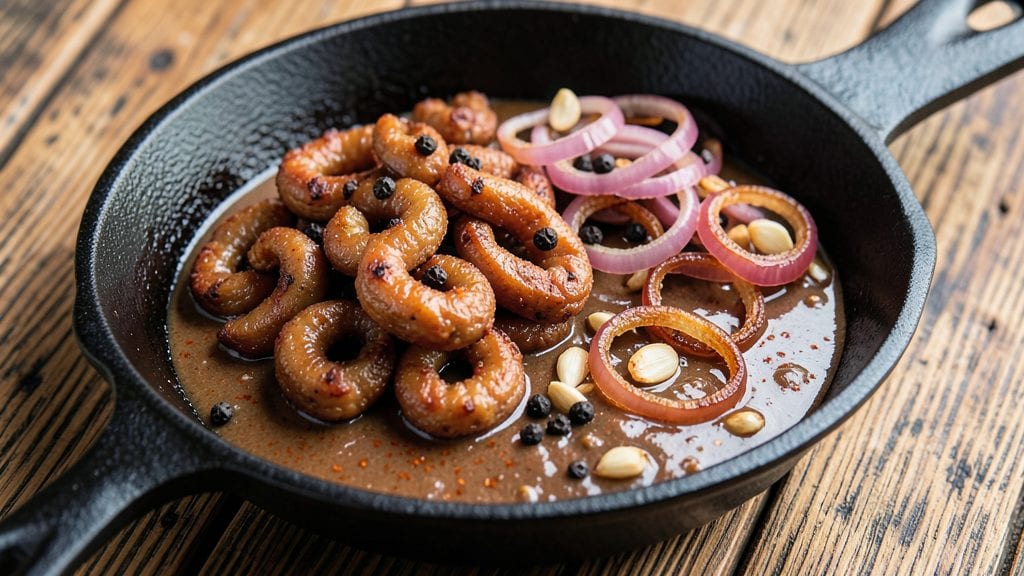
Transforming humble beef chitterlings into a smoky, spice-kissed Southern masterpiece is an art I’ve perfected over years of testing—where the secret lies in the cleaning process and slow-cooked patience.
This isn’t just a recipe; it’s a celebration of Cajun and Creole traditions, where every crispy bite carries layers of history and flavor. The key? A precise balance of heat, acid, and time to render fat while preserving texture.
Most recipes skip the critical first step: thorough cleaning and boiling to remove impurities, which is non-negotiable for safe, flavorful results. What follows is a foolproof method for frying until golden and simmering in a rich, aromatic broth that clings to each tender strand.
The spices—smoked paprika, cayenne, and garlic—build depth as they cook, transforming simple ingredients into something deeply satisfying.
By the time you serve these chitterlings, you’ll have a dish that’s crispy at the edges, tender inside, and infused with that unmistakable Southern soul. Pair them with buttery cornbread and collard greens for a meal that feels like coming home.
This recipe delivers restaurant-quality flavor without the fuss—just time and attention to detail.
Perfect for family gatherings, game days, or when you crave that authentic taste of the South. Let’s get started on a dish that’s equal parts comfort and tradition.
Ingredients for beef chitterlings
Authentic Southern flavor starts with these carefully selected ingredients, each playing a critical role in transforming chitterlings into a restaurant-quality dish.
| Ingredient | Amount | Notes |
|---|---|---|
| Fresh Beef Chitterlings 🥩 | 1 ½ lb | Thoroughly cleaned and trimmed |
| Yellow Onion 🧅 | 1 whole | Medium size, diced |
| Garlic Cloves 🧄 | 6 cloves | Fresh, minced |
| Smoked Paprika 🌶️ | 2 tbsp | High-quality, not pre-mixed |
| Ground Cayenne Pepper 🔥 | 1 tsp | Adjust for heat preference |
| Ground Black Pepper 🌶️ | 1 tsp | Freshly ground preferred |
| Diamond Crystal Kosher Salt 🧂 | 1 ½ tbsp | For initial boiling |
| Extra-Virgin Olive Oil 🫒 | ½ cup | For frying chitterlings |
| Apple Cider Vinegar 🍎 | ¼ cup | For acid balance |
| Fresh Thyme Leaves 🌿 | 1 tbsp | Or 1 tsp dried thyme |
| Bay Leaves 🍃 | 2 whole | Dried, for broth infusion |
| Vegetable Broth 💧 | 2 cups | Low-sodium preferred |
| Fresh Parsley 🌿 | ¼ cup | Chopped, for garnish |
The chitterlings require meticulous preparation—sourcing from a trusted butcher is paramount. Look for vendors specializing in Southern or Cajun meats, as they handle the delicate cleaning process properly. Whole Foods Market or local specialty butchers often carry pre-cleaned versions, but if purchasing raw, insist on thorough cleaning to remove impurities. The spices—particularly the smoked paprika—should be from reputable brands like Penzeys or McCormick Gourmet Collection to ensure authentic flavor profiles. Fresh thyme and bay leaves elevate the dish, so avoid dried alternatives unless absolutely necessary.
No smoked paprika? Substitute a blend of 1 tbsp regular paprika and ½ tsp liquid smoke, though the flavor won't be identical. Cayenne can be omitted entirely for a milder heat, or replaced with ½ tsp red pepper flakes. If using pre-cleaned chitterlings, ensure they're still fresh—look for a vibrant, slightly translucent appearance rather than dull or discolored strands. The olive oil should be extra-virgin for frying; lower-quality oils can impart off-flavors. For the vinegar, apple cider adds complexity, but white vinegar works in a pinch.
Chitterlings must be refrigerated immediately after cleaning and used within 2 days for optimal texture. The broth can be made ahead and stored for up to 5 days in the fridge or 3 months frozen. For best results, fry the chitterlings fresh before simmering—this ensures maximum crispiness. Garnish with parsley just before serving to preserve its vibrant color and fresh aroma. Leftovers reheat beautifully in a skillet with a splash of broth to restore moisture.
Why You'll Love This Recipe
- One-Pot Magic: I swear by this recipe—just toss the chitterlings, onions, and garlic in one pot, let the smoked paprika work its deep magic, and boom. No extra dishes, no stress. That cayenne? It wakes up every bite like a little flavor spark.
- Smoky Spice Bomb: Honestly, the combo of smoked paprika and cayenne on these tender chitterlings is next-level. It’s got that soulful heat without being overpowering—like a hug from a smoky campfire. My husband licks the pan when I’m not looking.
- Weeknight or Sunday Feast: Between us, this dish is my go-to for lazy Mondays and when company’s coming. Serve it with cornbread and collards for a full spread, or just pile it on toast for a quick bite. The chitterlings reheat like a dream, too.
- Budget-Friendly Protein Power: A pound of chitterlings stretches farther than you’d think—this recipe feeds four for under $10. I’ll be real: my grocery budget thanks me every time. Plus, the leftovers? Even better the next day, if you can wait that long.
Step-by-step instructions for smoky-spiced beef chitterlings
Transforming chitterlings into a rich, flavorful dish requires patience and precision. Here's how to achieve that signature Southern texture and depth.
Prepare the Chitterlings for Cooking
Begin by rinsing the 1.5 lb fresh beef chitterlings thoroughly under cold water to remove any remaining impurities. This is crucial as chitterlings carry a strong natural flavor that needs proper cleaning. Place them in a large pot and cover with cold water, then add 1.5 tbsp diamond crystal kosher salt. Bring to a boil over high heat, then immediately reduce to a gentle simmer for 15 minutes. This initial boiling helps remove any lingering blood and impurities.
After simmering, drain the chitterlings and rinse them again under cold water. Repeat this process one more time to ensure they're completely clean. The water should run clear by the second rinse. Once cleaned, pat the chitterlings dry with paper towels and set aside. This preparation step is non-negotiable—skipping it will result in a bitter-tasting dish.
Build the Flavor Base with Aromatics
Heat 0.5 cup extra-virgin olive oil in a large Dutch oven or deep skillet over medium heat. Add the 1 whole yellow onion, cut into medium dice, and cook until softened and translucent, about 5 minutes. This creates a flavorful foundation for the dish. Next, add the 6 cloves garlic cloves, minced, and cook for an additional 1 minute until fragrant.
Stir in 2 tbsp smoked paprika, 1 tsp ground cayenne pepper, and 1 tsp ground black pepper, allowing the spices to toast for 30 seconds until their aromas fill the kitchen. This brief toasting enhances their flavor and prevents them from tasting raw. Here's the thing—don't rush this step. The spices need time to bloom and release their full potential.
Sauté the Chitterlings Until Golden
Add the prepared chitterlings to the skillet in a single layer, ensuring they don't overcrowd the pan. Cook over medium heat for 8-10 minutes, stirring occasionally, until they develop a deep golden-brown color. This browning is essential for building flavor through the Maillard reaction. If the chitterlings release a lot of liquid, reduce the heat slightly to prevent steaming.
Once the chitterlings are golden and slightly crispy, remove them from the skillet and set aside. You'll notice they'll continue cooking from their residual heat. This step is where the magic happens—the caramelization creates that rich, smoky depth that defines this dish. Don't walk away; keep an eye on them to prevent burning.
Simmer in Flavorful Broth
Pour 0.25 cup apple cider vinegar into the skillet and scrape up any browned bits from the bottom. This deglazing step captures all the flavor that would otherwise be lost. Add 2 cups vegetable broth, 1 tbsp fresh thyme leaves, and 2 whole bay leaves, then bring the mixture to a simmer. Return the chitterlings to the skillet and reduce the heat to low. Cover and let them simmer gently for 45-60 minutes, stirring occasionally.
The chitterlings are done when they're fork-tender and the broth has reduced slightly, coating the chitterlings in a rich, smoky sauce. Real talk: the simmering time might vary depending on your stove, so check them at the 45-minute mark to ensure they don't overcook. The dish should have a thick, velvety consistency with a deep, aromatic flavor.
Finish and Serve with Fresh Herbs
Once the chitterlings are tender, remove them from the skillet and strain the broth through a fine-mesh sieve to remove the thyme and bay leaves. Return the strained broth to the skillet and simmer for an additional 5 minutes to reduce it slightly and intensify the flavor. Taste and adjust the seasoning with additional diamond crystal kosher salt or ground black pepper if needed.
Return the chitterlings to the skillet and toss them in the reduced broth to coat evenly. Garnish with 0.25 cup chopped fresh parsley just before serving. The parsley adds a bright, fresh contrast to the rich, smoky flavors of the dish. Serve immediately with cornbread or crusty bread to soak up every last bit of that flavorful sauce.
Pro Tips For Making Beef Chitterlings
- Trim the Fat First: Chitterlings have a thick fat cap that won’t render out cleanly if left on—peel it off before cooking. I learned this the hard way when my first batch turned into a greasy mess instead of crispy, golden bites. Use a sharp knife and work quickly, or the fat will turn rancid.
- Brown in Batches: Crowd the pan, and you’ll steam instead of sear. Cook the chitterlings in small batches over medium-high heat until deeply browned—about 3-4 minutes per side. This builds flavor and texture; skipping it leaves them bland and soggy.
- Bloom the Spices: Toss in the smoked paprika and cayenne with the onions before adding garlic—let them toast for 30 seconds until fragrant. This wakes up their flavors and prevents the cayenne from burning before the garlic even hits the pan.
- Deglaze with Vinegar: After browning, splash in 2 tablespoons of apple cider vinegar instead of water. It cuts through the richness, brightens the chitterlings, and adds a tangy depth you won’t get with broth. (Yes, even if you’re not a fan of vinegar—trust me.)
Regional styles of this dish
Cajun Bayou Tradition
In Louisiana’s bayou country, chitterlings are a centerpiece of Cajun cuisine, traditionally served during Mardi Gras and family gatherings. The dish is often slow-cooked with holy trinity (onion, celery, bell pepper) and Andouille sausage for extra depth.
I’ve adapted this version to focus on the chitterlings themselves, but adding ½ lb Andouille to the simmering broth creates a richer, meatier sauce that’s pure Louisiana comfort. 🌶️
Texas Hill Country Style
Texas takes chitterlings in a smokier direction, often cooking them over post oak or pecan wood for a sweeter, nuttier flavor profile. In Central Texas, it’s common to serve them with white bread instead of cornbread and a side of pickled okra for acidity.
For a Texas twist, swap the apple cider vinegar for ½ cup white vinegar and add 1 tbsp brown sugar to the broth for a subtle caramelized note. The heat level is typically milder—reduce the cayenne to ½ tsp unless you’re serving heat lovers.
Creole New Orleans Approach
Creole chefs elevate chitterlings with tomato-based sauces and dark rum for a deeper, more complex flavor. To make a Creole version, add 1 (14 oz) can crushed tomatoes and 2 tbsp dark rum (like Captain Morgan) to the simmering broth.
Deglaze with 1 tbsp tomato paste before adding the broth for extra richness. Garnish with chopped green onions and a sprinkle of fresh thyme for that classic New Orleans touch. Serve with dirty rice for a complete Creole spread.
Carolina Lowcountry Variation
The Lowcountry of South Carolina and Georgia leans into seafood influences, often pairing chitterlings with shrimp or crab in the same dish. For a Lowcountry twist, add ½ lb peeled shrimp to the simmering broth in the last 15 minutes of cooking.
The shrimp absorb the smoky flavors while adding a briny contrast. Use ½ tsp old bay seasoning (a Lowcountry staple) instead of thyme for a more regional taste. Serve with hoppin’ John (black-eyed peas and rice) for a true Carolina feast. 🍤
Modern Urban Adaptation
For a contemporary take, I’ve seen chitterlings transformed into chitterling tacos or chitterling poutine in urban Southern kitchens.
To make tacos, fry the chitterlings as directed, then toss them with 2 tbsp chipotle powder and 1 tbsp lime juice before serving on corn tortillas with avocado crema and pickled red onions. For poutine, top crispy chitterlings with cheese curds and smoky gravy made from the reduced broth.
This version keeps the soul of the dish while making it Instagram-worthy. 🌮
Smoky Grill Technique
If you’re grilling, the key is to indirect heat to avoid burning. After cleaning and boiling the chitterlings, toss them in 1 tbsp olive oil and 1 tsp smoked paprika, then grill over indirect heat at 250°F for 45-60 minutes, flipping occasionally.
For extra smokiness, add wood chips (hickory or pecan) to the grill. Finish with a spritz of apple cider vinegar and serve with grilled corn on the cob for a summer-friendly version. This method works beautifully for outdoor cookouts and keeps the chitterlings tender and flavorful. 🔥
Nutrition facts
Frequently asked questions
Why do chitterlings need to be boiled twice before cooking?
The double-boiling process is essential for removing impurities and blood that can make the dish bitter. The first boil removes surface debris, while the second rinse ensures all traces of blood are gone. Skipping this step risks a gamey, unpleasant flavor—no one wants that in their Southern comfort food!
Can I substitute pork chitterlings for beef chitterlings?
While both are called "chitterlings," they're different cuts—pork are actually hog intestines, while beef chitterlings are sheep intestines (though often mislabeled). For this recipe, stick with beef chitterlings for the authentic Southern texture. If you must use pork, adjust cooking time slightly (they're more delicate) and reduce cayenne by half to balance the milder flavor.
How do I know when the chitterlings are fully cooked?
They're done when they're fork-tender with no resistance (about 45-60 minutes of simmering) and the broth has thickened into a glossy sauce. Test by piercing one strand—it should pull apart easily. Overcooking makes them mushy, so start checking at 40 minutes if your stove runs hot.
What's the best way to store leftovers?
Let chitterlings cool completely, then store in an airtight container with a splash of broth to keep them moist. They'll keep in the fridge for 3-4 days or freeze for up to 3 months. Reheat gently in a skillet with extra broth—never microwave dry, or they'll turn rubbery!
Can I make this recipe without smoked paprika?
Yes! For a smoky flavor without smoked paprika, use 1 tbsp regular paprika + ½ tsp liquid smoke (like Mesquite or Hickory Smoke). For extra depth, add 1 tsp coffee granules to the broth—they mimic the smokiness naturally. Just don't skip the vinegar, or the dish will taste flat.