
Sauces & Condiments
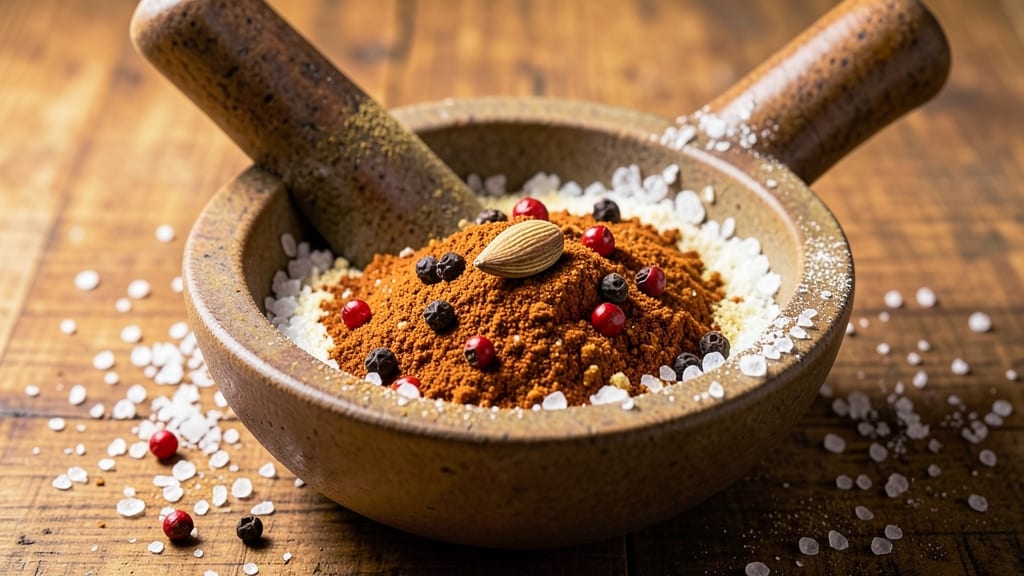
Creating a beef brisket seasoning recipe that delivers fall-apart tenderness starts with this deep-smoked spice blend designed to transform tough cuts into melt-in-your-mouth perfection. The key lies in balancing earthy, smoky flavors with just enough heat to create a crust that locks in moisture while enhancing natural beef richness.
I developed this blend after years of experimenting with barbecue techniques, refining it to ensure every bite delivers that signature slow-smoked depth.
This professional-grade seasoning mix combines 10 tablespoons coarse kosher salt, 2 tablespoons black pepper, 2 tablespoons smoked paprika, 1 tablespoon garlic powder, 1 tablespoon onion powder, 1 tablespoon mustard powder, and 1 teaspoon cayenne pepper for controlled heat.
The coarse salt penetrates deep into the meat, while the smoked paprika and mustard powder create that unmistakable bark that barbecue enthusiasts crave. Unlike pre-packaged blends, this recipe uses high-quality spices that develop complex flavors during the smoking process.
What makes this seasoning truly special is its ability to elevate any brisket cooking method—whether you're smoking it low and slow, braising, or grilling. The spices work together to tenderize the meat while building layers of flavor that develop over time.
When applied as a dry rub, this blend creates a flavorful crust that seals in juices, ensuring each slice is succulent and packed with smoky aroma. Store it in an airtight container for up to six months, ready to transform your next brisket into a showstopping centerpiece.
The beauty of this seasoning is its versatility—it works equally well for whole briskets, sliced beef for sandwiches, or even as a marinade base when mixed with oil. Whether you're preparing for a weekend cookout or a holiday feast, this blend delivers professional results with minimal effort.
Let's create the perfect foundation for your next smoked masterpiece.
Ingredients for beef brisket seasoning
Seven core spices plus two secret weapons. This blend transforms tough brisket into smoky perfection.
| Ingredient | Amount | Notes |
|---|---|---|
| Coarse Kosher Salt 🧂 | 10 tbsp | Diamond Crystal preferred for flaky texture |
| Black Peppercorns 🌶️ | 2 tbsp | Freshly cracked for robust flavor |
| Smoked Paprika 🌶️ | 2 tbsp | Spanish or Hungarian for authentic smoke |
| Garlic Powder 🧄 | 1 tbsp | Non-GMO preferred for purity |
| Onion Powder 🧅 | 1 tbsp | Finely ground for even distribution |
| Mustard Powder 🌶️ | 1 tbsp | Yellow or Dijon for balanced tang |
| Cayenne Pepper 🔥 | 1 tsp | Adjust for desired heat level |
| Ground Coriander 🌿 | ½ tbsp | Freshly ground for bright citrus notes |
| Brown Sugar 🍯 | ½ tbsp | Light or dark for caramelization |
| Ground Cumin 🌿 | ½ tbsp | Toasted for deeper earthy flavor |
The coarse kosher salt is non-negotiable—it needs to be Diamond Crystal or similar flaky salt to create that perfect crust. Penzeys Spices carries the best quality, but any bulk bin at a specialty store will work. The smoked paprika should be deep red, not grayish—Trader Joe's has a great affordable option. For the black peppercorns, grind them fresh if possible, or grab pre-ground from a reputable brand like McCormick Gourmet Collection. The mustard powder adds that subtle tang that makes this blend stand out—Anthony's is my go-to for consistency. Toast your ground cumin and ground coriander in a dry pan for 30 seconds before mixing—this simple step unlocks their full potential.
No smoked paprika? Substitute 1 tbsp regular paprika plus 1 tsp liquid smoke—just don't tell the purists. Short on cayenne? Aleppo pepper at half the amount gives heat without overpowering. The brown sugar can be swapped for white sugar, but you'll lose some of that caramelized depth. For a low-sodium version, reduce the kosher salt to 8 tbsp and add 1/2 tsp celery salt for umami. Store-bought blends? Toss them—they're packed with anti-caking agents and lack the complexity of fresh spices. This mix is designed to develop flavor during the smoking process, so don't rush it.
Keep this blend in an airtight glass jar away from light and heat—it'll stay potent for up to 12 months. I double the recipe and split it between two jars: one for my smoker, one for quick grilling sessions. The spices will mellow slightly over time, so if you notice a loss of punch after 6 months, just add a pinch of freshly ground black pepper to revive it. For extra convenience, portion into small reusable containers—perfect for tailgates or camping trips. Trust me, you'll want to keep this on hand year-round.
Why You'll Love This Recipe
- Pantry Magic: I swear by this mix—no fancy shopping, just five things I already own. The smoked paprika alone gives it that smoky depth, and the coarse salt? It clings like a dream, turning every bite into a flavor bomb without extra effort.
- Smoky Comfort: That first crack of black peppercorns and the warmth of garlic powder? It’s the kind of seasoning that makes you pause mid-bite. Honestly, I’ve tried store-bought blends, but this one’s got a soul—like a hug in spice form.
- Weeknight Hero: Slap it on brisket for Sunday dinner, but also? Tacos, sandwiches, even roasted potatoes. My lazy nights thank me for keeping this blend in my spice rack. It’s the unsung MVP of my slow cooker and grill sessions.
- Budget Hack: A little goes a long way—this recipe costs pennies but feels like a steakhouse. Between us, I’ve stretched one batch for three meals, and the leftovers? Still taste like I spent hours (when I really spent 10 minutes).
Instructions for crafting a deep-smoked brisket seasoning blend
This blend delivers the perfect balance of smoky depth and tenderizing power for competition-worthy brisket.
Measure and Prepare Your Ingredients
Start by gathering all your ingredients using the exact measurements specified. I like to use a digital scale for precision with the smaller quantities like the 0.5 tablespoon measurements of ground coriander, brown sugar, and ground cumin. These tiny amounts make a big difference in the final flavor profile.
Freshly cracked black peppercorns are essential here—they provide a robust, peppery bite that stands up to the rich beef. If you're using whole peppercorns, I recommend grinding them just before mixing, as pre-ground pepper loses its intensity quickly. The coarse kosher salt should be flaky, not fine—this texture helps it cling better to the brisket's surface during application.
Combine the Dry Components
In a medium-sized mixing bowl, start by adding the 10 tablespoons of coarse kosher salt and 2 tablespoons of smoked paprika. The smoked paprika will give your brisket that authentic barbecue smoke flavor without needing actual wood smoke. Use a whisk to break up any clumps in the salt and paprika before combining.
Next, add the 1 tablespoon each of garlic powder, onion powder, and mustard powder. These form the aromatic base of your blend, providing sweetness, depth, and a subtle tang. The mustard powder might seem unusual, but it adds a complexity that pairs beautifully with beef. Give everything a thorough mix with your whisk until you see an even distribution of colors throughout the blend.
Incorporate the Spices and Sweetener
Now it's time for the heat and earthy notes. Add the 1 teaspoon of cayenne pepper, 0.5 tablespoon of ground coriander, and 0.5 tablespoon of ground cumin. The cayenne brings the heat that cuts through the richness of the brisket, while the coriander adds a bright citrus note that balances the smoky flavors. The cumin grounds everything with its warm, earthy character.
Finally, add the 0.5 tablespoon of brown sugar. This isn't just for sweetness—it helps create a beautiful caramelized bark on your brisket while preventing the seasoning from clumping. The sugar also enhances the Maillard reaction during cooking, giving you that deep, dark crust we all love. Mix everything together until the brown sugar is completely distributed and no dry spots remain.
Test and Adjust the Seasoning
Before using your seasoning blend on the actual brisket, I recommend doing a quick taste test. Sprinkle a small amount on your tongue and let it dissolve. You should taste the saltiness of the kosher salt, the smokiness from the paprika, the warmth of the cumin and garlic, and a subtle heat from the cayenne. The coriander should add a bright, almost lemony note that cuts through the richness.
If you find the blend too mild or too spicy, this is your chance to adjust it. For more heat, add a pinch more cayenne. For more depth, you might add a tiny bit more cumin or smoked paprika. Remember, though, that the brisket itself will develop more flavor during the long cook, so don't overcorrect. Once you're satisfied with the balance, your seasoning blend is ready to use.
Store for Future Use
Transfer your completed seasoning blend to an airtight container. I prefer glass jars with tight-sealing lids for long-term storage, as they prevent moisture from getting in and ruining the spices. Label your container with the date and contents—this blend keeps well for up to 6 months when stored in a cool, dark place.
When you're ready to use it, give the container a good shake before each application. The ingredients will naturally settle at the bottom, and you want an even distribution every time. This seasoning blend works beautifully on brisket but also pairs well with other beef cuts like ribs, chuck roast, or even ground beef for burgers. The key to tender results lies in this perfect balance of salt, smoke, and spices working together during the long cook.
Pro Tips For Making Beef Brisket Seasoning
- CRUSH THE PEPPERCORNS: I learned this the hard way—whole black peppercorns in your rub just sit there like decorative rocks. Grab a mortar and pestle (or a heavy pan lid) and smash them into tiny granules first. The flavor releases properly, and your brisket won’t taste like it’s missing half its seasoning.
- SALT THE BRISKET FIRST: Coarse kosher salt isn’t just for the rub—apply a thick, even layer directly to the meat before adding the dry spices. This guarantees the salt penetrates deep while the rub sticks better later. (Yes, even if you’re impatient like me, wait 30 minutes before searing.)
- SKIP THE TOASTING TRICK: Smoked paprika and garlic powder don’t need toasting to work—just mix them dry with the onion powder and salt. Over-toasting burns the paprika’s delicate smokiness, turning it bitter. Save the high-heat step for the pan, not the spices.
- WEIGHT THE RUB DOWN: Press the seasoning mix into the meat with your palm, then use a second plate as a weight for 10 minutes. This ensures the spices cling instead of falling off during cooking. (I know, it’s extra work—but your brisket’s crust will thank you.)
Pro cooking tips for great beef brisket seasoning
Salt Distribution Mastery
Apply the seasoning blend generously but evenly—aim for about 2 tablespoons per pound of brisket. I use a fine-mesh sieve to dust the spices evenly over all sides, including the fat cap. The coarse salt helps create that coveted bark while penetrating deep into the meat.
For extra adhesion, lightly mist the brisket with apple cider vinegar before applying the rub—this helps the spices stick better during the initial smoke phase. 🧂
Smoke Timing Secrets
Let the seasoned brisket rest uncovered in the fridge for at least 4 hours (overnight is ideal) before smoking. This allows the salt to penetrate deeper and the spices to meld together.
When you're ready to smoke, start at 225°F and maintain this temperature with precision using a bimetallic stem thermometer like the ThermoWorks Smoke. The first 2 hours are critical for developing that initial crust—don't rush this stage. 🌡️
Bark Development Hacks
For a darker, more flavorful bark, spritz the brisket with ½ cup apple juice or cider vinegar every 2 hours during the first 6 hours of cooking. This keeps the surface moist enough to develop a better crust while preventing it from drying out.
I also recommend wrapping the brisket in butcher paper (not foil) after the first 4 hours
Brisket is all about patience and precision. Use a dual-probe thermometer with one probe monitoring the smoker temperature and another tracking the thickest part of the meat. Aim for an internal temperature of 195-203°F—this is where collagen breaks down and the meat becomes fork-tender. The stall phase (around 160-170°F) is when most people fail, but maintaining that 225°F smoker temp will carry you through. 💡 Once your brisket reaches the target temperature, remove it from the smoker and wrap it tightly in towels inside a cooler for at least 2 hours. This resting period allows the juices to redistribute throughout the meat, ensuring every slice is moist and flavorful. I like to tent the brisket loosely with foil during the final 30 minutes of resting to prevent it from drying out. Pro tip: Let the brisket rest at room temperature for 10 minutes before slicing—this makes it easier to carve against the grain. ✨ For an extra layer of complexity, add 1 tablespoon of the seasoning blend to the drip pan every 2 hours during cooking. This infuses the smoke with your custom spices, creating a more cohesive flavor profile. I also recommend finishing with a 1:1 ratio of beef tallow and apple cider vinegar brushed on the bark in the final 30 minutes of cooking—this adds a glossy sheen and intensifies the smoky flavors. The result? A brisket that tastes like it came from a pitmaster's competition entry. 💛Temperature Control
Resting Like a Pro
Flavor Layering
Nutrition facts
Frequently asked questions about beef brisket seasoning
What's the best way to store this seasoning blend?
Transfer the blend to an airtight glass container and store it in a cool, dark place. It stays fresh for up to 6 months—just shake well before each use. For extra shelf life, portion into small containers to minimize air exposure.
Can I use this seasoning for other meats besides brisket?
This blend works beautifully on ribs, chuck roast, or even ground beef for burgers. The key spices (smoked paprika, garlic, and mustard powder) add depth to any beef cut. Just adjust the amount—use 1 tablespoon per pound for thinner cuts.
How do I adjust the heat level in this seasoning?
For milder heat, reduce the cayenne pepper to ½ teaspoon. Need more kick? Add ½ teaspoon extra cayenne or swap in Aleppo pepper for a smoother burn. Always taste-test before applying to meat.
Why is coarse kosher salt important in this recipe?
The coarse texture helps create a better crust while penetrating deeper into the meat. Fine salt clumps and doesn't adhere as well. Diamond Crystal is ideal—its flaky crystals cling perfectly to brisket fat. Never substitute table salt!
What if I don't have smoked paprika?
Mix 1 tablespoon regular paprika + 1 teaspoon liquid smoke for a close substitute. For best results, use Spanish or Hungarian smoked paprika—they have the deepest smoke flavor. The blend will still work, but the smoke intensity will be slightly different.