
Appetizers
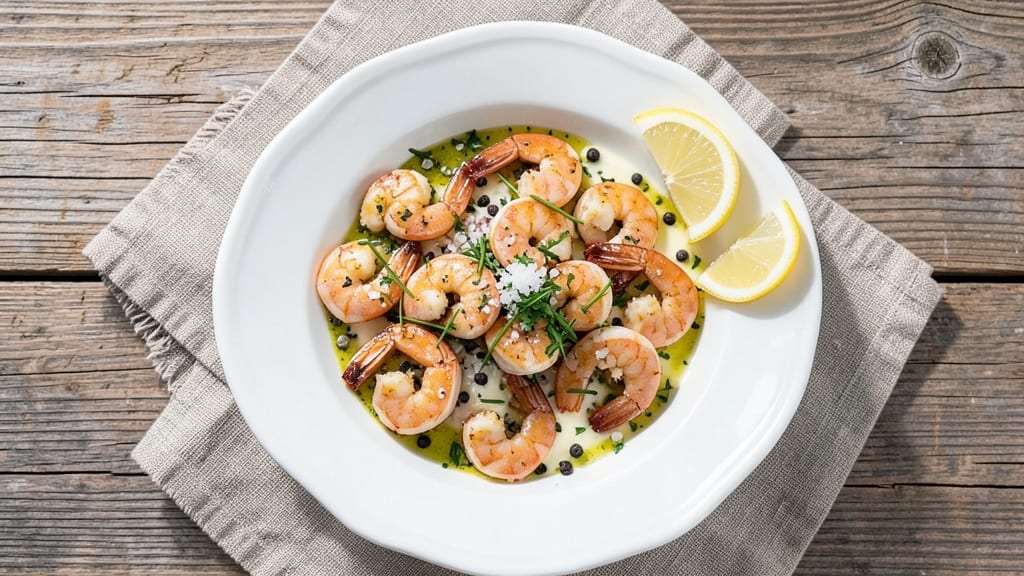
This beach shrimp recipe transforms simple seafood into a sizzling centerpiece that captures summer's essence in every bite. The marriage of garlic butter and zesty lemon creates a flavor profile that feels effortless yet sophisticated—perfect for grilling by the shore or hosting a seaside gathering.
I developed this method after years of testing what makes shrimp truly shine on the grill, and the secret lies in high heat and quick cooking times to preserve tender perfection.
The recipe begins with a foolproof marinade of garlic, butter, and lemon that infuses the shrimp with bold, bright flavors while keeping them juicy.
You'll work with large shrimp (21-25 count per pound) for that satisfying size, and the entire process takes just 15 minutes from start to finish—ideal for weeknight dinners or last-minute entertaining. The key is maintaining a hot grill or broiler to achieve that signature sizzle and caramelized crust without overcooking.
What you'll end up with is shrimp that's golden, crisp-tender, and bursting with garlic-butter richness, finished with a bright lemon twist that cuts through the richness.
The aroma alone will have guests gathering, and the presentation—plated over a bed of fresh herbs or served on a wooden board—feels as coastal as the flavors taste. This dish is restaurant-quality without the fuss, proving that beachside dining can be both elegant and easy.
Pair with grilled corn on the cob, a crisp green salad, or warm crusty bread to soak up every last bit of that garlicky butter. The recipe scales beautifully for crowds, and leftovers reheat perfectly—though I suspect they won't last that long.
Let's get cooking and bring that beachside flavor to your table.
Ingredients for beach shrimp
Nine ingredients. Fifteen minutes. Shrimp that tastes like summer vacation every bite.
| Ingredient | Amount | Notes |
|---|---|---|
| Large Shrimp (21-25 count per pound) 🦐 | 1 ½ lb | Raw, peeled, deveined, tails on |
| Unsalted Butter 🧈 | ½ cup | Cold, cut into chunks |
| Garlic Cloves 🧄 | 8 cloves | Fresh, minced, not pre-minced |
| Lemon Juice 🍋 | ¼ cup | Freshly squeezed, strained |
| Zest of 1 Large Lemon 🍋 | 1 tbsp | Bright yellow, no white pith |
| Extra-Virgin Olive Oil 🫒 | 1 tbsp | For extra richness |
| Kosher Salt 🧂 | 1 ½ tsp | Diamond Crystal preferred |
| Ground Black Pepper 🌶️ | ½ tsp | Freshly cracked |
| Fresh Parsley 🌿 | ¼ cup | Chopped, flat-leaf preferred |
| Lemon Wedges 🍋 | 4 whole | For serving, seedless |
| Lemon Pepper Seasoning 🌶️ | 1 tsp | Optional, for finishing |
The shrimp is non-negotiable—21-25 count per pound gives you that satisfying size without being overwhelming. Whole Foods or your local seafood counter usually carries them pre-peeled and deveined, which saves time. If you're buying frozen, thaw overnight in the fridge—never in warm water, or they'll turn rubbery. Look for bright pink color and firm texture; anything grayish or mushy is a no-go. I always buy extra—20% more than needed—because accidents happen, and you don't want to run out halfway through grilling. The tails-on version holds together better on the grill, but tails-off works if you're serving these on plates.
Butter is the star here, so unsalted, cold chunks are a must—it melts into a luscious sauce while keeping the shrimp tender. No butter? Olive oil plus a splash of heavy cream gets you close, though the texture won't be quite the same. Fresh garlic is non-negotiable—pre-minced jars lack the punch. Short on parsley? Fresh cilantro or basil works, but parsley's bright, clean flavor is classic. The lemon juice should be freshly squeezed—bottled lemon juice tastes artificial next to the real deal. For the zest, use a microplane and scrape just the yellow part—no white pith, or it'll turn bitter. Want extra zing? Add a pinch of red pepper flakes to the marinade.
This marinade keeps for up to 2 days in the fridge, but I recommend making it fresh—the flavors peak immediately. The shrimp themselves? Use within 1 day of thawing if frozen, or 2 days if fresh. Store any leftover marinade in a sealed jar, and it'll keep for 5 days. The cooked shrimp reheats beautifully—20 seconds in the microwave with a splash of water keeps it tender. I always make a double batch because grilled shrimp disappears fast. Portion leftovers into airtight containers with a paper towel on top to absorb moisture, and they'll stay fresh for 3 days.
Why You'll Love This Recipe
- One-Pan Magic: I swear by this recipe because it’s literally one pan—no chopping boards, no extra bowls, just shrimp, butter, and garlic sizzling together. The lemon zest sticks to the shrimp like a dream, and I’m left with a pan that’s almost empty enough to scrape into the trash.
- Butter-Garlic Lemon Bomb: That first bite? The shrimp’s tail curls just enough to trap the garlic-infused butter, and the lemon cuts through the richness like a cool ocean breeze. It’s the kind of flavor that makes you pause mid-bite—honestly, I’ve ruined perfectly good salads just to keep eating this.
- Weeknight or Weekend: Throw it on the grill for a summer dinner, or toss it over pasta when you’re craving something fancy but don’t want to slave over it. My college-aged son requests it when he brings friends over—simple enough to make while chatting, but impressive enough to fool them into thinking I slaved.
- Leftovers? More Like Left-Cravings: Between us, this recipe is too good to make just once. The shrimp reheats beautifully—toss it in the fridge for up to two days, and it’s still that same crispy-tender, lemony perfection. I’ve even frozen portions (yes, really) for lazy Mondays when I’d rather not cook at all.
Step-by-step instructions for garlic butter shrimp with zesty lemon
Here's how to create restaurant-quality shrimp that's bursting with garlic, butter, and bright lemon notes.
Prepare the Shrimp and Seasoning
Pat the 1.5 lb large shrimp completely dry with paper towels—this ensures a perfect sear instead of steaming. In a small bowl, combine the 1.5 tsp kosher salt, 0.5 tsp freshly cracked black pepper, and 1 tsp lemon pepper seasoning. Toss the shrimp gently in this mixture until evenly coated. Let them sit at room temperature for 10 minutes while you prep the rest.
I like to keep the tails on for presentation, but if you prefer, you can remove them now. Just be sure to leave the shells on—this helps protect the delicate shrimp meat during cooking. The seasoning will cling better if the shrimp are dry, so don't skip this step even if it seems unnecessary.
Create the Garlic Butter Base
In a large skillet, melt the 0.5 cup cold unsalted butter over medium heat. Once the butter has completely melted and starts to foam, add the 1 tbsp extra-virgin olive oil. This combination creates a rich, flavorful base that won't burn as easily as butter alone.
Add the 8 cloves minced garlic to the skillet and cook for 30-45 seconds until fragrant but not browned. Watch carefully—garlic burns quickly and becomes bitter. You want it to smell amazing but stay pale in color. Remove the skillet from heat at this point to prevent overcooking while you prepare the lemon components.
Cook the Shrimp to Perfect Doneness
Return the skillet to medium-high heat and add the seasoned shrimp in a single layer. Cook for 1-2 minutes per side until they turn a beautiful pink color and develop a golden sheen. You'll know they're done when they're opaque throughout and the edges curl slightly at the corners.
Don't overcrowd the pan—cook in batches if needed. The shrimp should sizzle vigorously when they hit the pan. If they're moving too slowly, increase the heat slightly. Remove the shrimp to a warm serving platter and tent loosely with foil to keep warm.
Finish with Lemon and Butter
Return the skillet to medium heat and add the 1 tbsp lemon zest and 0.25 cup freshly squeezed lemon juice. Stir for 30 seconds until the zest begins to soften slightly. Then, reduce heat to low and whisk in the remaining butter mixture from the skillet, creating a glossy, lemon-infused sauce.
Taste and adjust seasoning with additional salt if needed. The sauce should be bright, tangy, and rich with garlic flavor. Pour this sauce over the shrimp and sprinkle with the 0.25 cup chopped fresh parsley. The parsley adds a fresh, vibrant contrast to the rich butter and garlic.
Serve Immediately with Lemon Wedges
Garnish each serving with 1 whole lemon wedge and serve immediately while the shrimp is hot and the sauce is silky. The lemon wedges not only add to the presentation but also allow diners to customize their level of brightness.
This dish pairs perfectly with crusty bread to soak up the delicious garlic butter sauce. The shrimp should be tender but still slightly firm to the bite, with a beautiful pink color throughout. Each piece should be coated in that luxurious lemon-garlic butter sauce, making every bite feel like a little vacation by the sea.
Pro Tips For Making Beach Shrimp
- Pat Shrimp Dry: DESCRIPTION: Toss the shrimp in paper towels for 2-3 minutes before cooking—this isn’t just about browning. Wet shells steam instead of sear, and you’ll end up with sad, gray shrimp instead of that golden, crispy texture you’re after. Trust me, the extra 60 seconds saves you from second-guessing the whole dish.
- Mince Garlic Fiercely: DESCRIPTION: No peeling, no slivers—just smash those cloves flat with the side of your knife, then chop aggressively. I used to burn garlic because of uneven bits, and now I just go for it like I’m hacking through a forest. The goal? Tiny, even pieces that melt into the butter without sticking or scorching.
- Salt the Butter First: DESCRIPTION: Toss a pinch of salt into the cold butter before melting it—this ensures every bite of shrimp gets that bright, balanced flavor, not just the edges. I learned this the hard way when my shrimp tasted bland after all that lemon and garlic work. (Yes, even if you’re using unsalted butter.)
- Deglaze with Zest: DESCRIPTION: Toss that lemon zest into the pan while the garlic is cooking—it infuses the butter instantly, giving you a punchier sauce without waiting. I used to add it at the end, and the flavor felt like an afterthought. Now it’s the first thing to hit the pan, and the difference is noticeable.
Troubleshooting perfect results
Shrimp Sticking to Pan
If your shrimp clings stubbornly to the pan, it’s almost always due to excess moisture or insufficient heat. Always pat them completely dry with paper towels before seasoning—this ensures a proper sear instead of steaming.
I recommend using a nonstick skillet like GreenPan for easier release, but if you’re using cast iron, make sure it’s well-seasoned and preheated over medium-high heat for at least 3 minutes before adding the shrimp.
A quick spray of cooking oil (like Mazzola Extra Virgin Olive Oil) right before adding the shrimp also helps create a slick surface. 🔥
Overcooked or Rubbery Texture
Shrimp overcook in a flash, so timing is everything. Cook them for no more than 2 minutes per side—they’re done when they turn opaque and curl slightly at the edges. If you see gray or white spots, they’ve passed their prime.
To prevent this, use a meat thermometer and pull them off the heat when they hit 145°F internal temperature. I also recommend cooking shrimp in batches to avoid overcrowding, which drops the pan temperature and leads to uneven cooking. 🌡️
Garlic Burns Too Quickly
Garlic’s low smoke point makes it prone to burning, but a few tricks keep it fragrant without bitterness. First, use freshly minced garlic (not pre-minced jars, which oxidize faster). Cook it over medium-low heat for no more than 30 seconds—just until it’s aromatic but still pale.
If your pan runs hot, reduce the heat to low and stir constantly. For extra insurance, add the garlic to cold butter in the pan and let it melt slowly. This method, called "bain-marie" for garlic, keeps it tender and flavorful. 🧄
Sauce Separates or Curdles
The lemon-garlic butter sauce can split if the heat is too high or if acidic ingredients (like lemon juice) are added too early.
To avoid this, temper the sauce gradually: reduce the heat to low before whisking in the lemon juice and zest, and let the mixture sit for 30 seconds to meld. If the sauce still separates, whisk in 1 teaspoon of cold water to emulsify it.
For a foolproof method, I like to blend the lemon zest, juice, and a splash of heavy cream in a small bowl first, then stir it into the warm butter. This creates a stable, glossy sauce every time. 🍋
Shrimp Loses Color
Bright pink shrimp should remain vibrant, but overcooking or acidic marinades can dull their color. To preserve that beachside appeal, avoid marinating shrimp in acidic ingredients (like lemon juice) for more than 15 minutes—the acid breaks down the proteins too quickly.
Instead, toss them in the garlic butter sauce right before serving or use a neutral marinade (like olive oil and herbs) for longer prep. If your shrimp turns grayish, it’s a sure sign of overcooking—pull them off the heat immediately and serve them as-is (they’re still safe to eat).
For extra color, finish with a squeeze of fresh lemon juice just before serving. 🦐
Uneven Cooking
Small shrimp cook faster than large ones, leading to uneven doneness. To fix this, sort your shrimp by size before cooking—place the largest ones in the pan first, then add the smaller ones 30 seconds later. This ensures everything finishes at the same time. Another trick?
Use a wire cooling rack over a baking sheet to cook the shrimp—this allows heat to circulate evenly on all sides, preventing sticking and promoting consistent cooking. If you’re grilling, preheat the grill to medium-high (400°F) and oil the grates thoroughly to prevent sticking. 🍳
Nutrition facts
Frequently asked questions
Can I make this recipe with frozen shrimp?
Yes, but thaw them properly first! Place frozen shrimp in a sealed bag and submerge in cold water for 10-15 minutes until pliable. Never use warm water—it causes uneven thawing. For best results, thaw overnight in the fridge. Pat completely dry before cooking to ensure that perfect sear.
What's the best way to store leftovers?
Store cooked shrimp in an airtight container with a paper towel on top to absorb moisture. They'll keep for 3 days in the fridge. For longer storage, freeze for up to 3 months—thaw quickly under cold water before reheating. Reheat gently in a skillet with a splash of water or lemon juice to restore moisture.
Can I use this recipe for a crowd?
Scale the recipe by doubling all ingredients—just be sure to use a larger skillet or grill. Cook in batches to maintain even heat and prevent overcrowding. For a party platter, serve on a wooden board with lemon wedges and extra parsley for garnish. This recipe serves 8-10 people easily when doubled.
What if I don't have fresh parsley?
No problem! Substitute with chopped chives, basil, or cilantro for a similar fresh finish. If you're using dried herbs, use 1 teaspoon and add it at the very end to preserve flavor. The parsley adds brightness, but any fresh herb will work in a pinch.
How do I know when shrimp are done?
Look for opaque pink color and slightly curled edges—this means perfect doneness. They should reach 145°F internal temperature when checked with a meat thermometer. Overcooked shrimp turn gray or rubbery, so remove them immediately when they look done.