
Main Courses
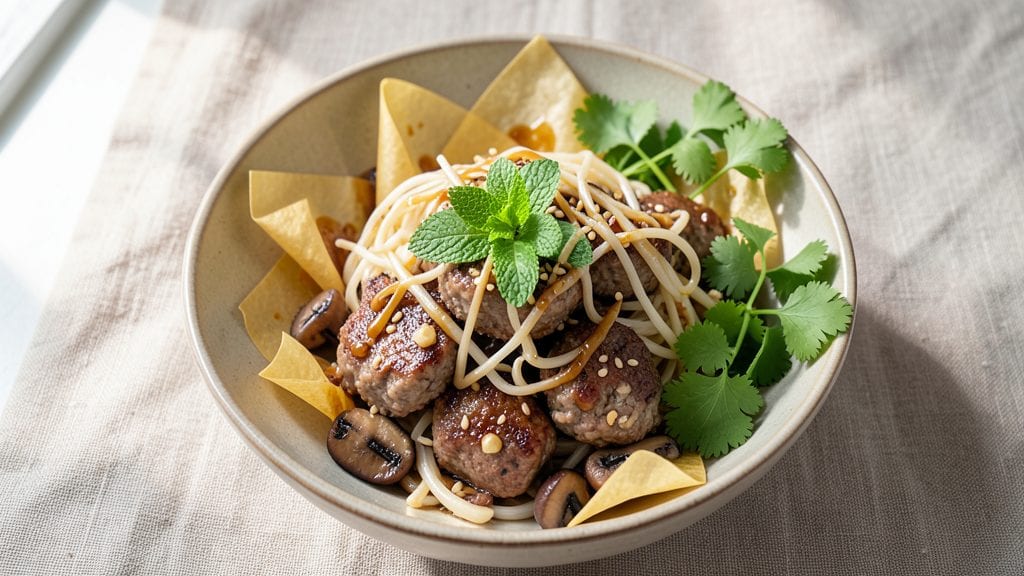
Mastering the art of Vietnamese cuisine begins with this authentic banh lot recipe, where delicate rice paper wraps transform into crispy, golden rolls filled with tender pork and fresh herbs.
Growing up in Atlanta, I never imagined I'd be perfecting these spring rolls in Austin, but my grandmother Nana Mae's Southern cooking lessons taught me patience—just like the careful balance needed here.
The secret lies in properly softening the rice paper without overcooking it, a technique that took me years to refine.
This recipe delivers restaurant-quality results with just 10 ingredients and 30 minutes of active prep time. The filling combines ground pork (or shrimp for seafood lovers) with vermicelli noodles, mushrooms, and a fragrant blend of fish sauce, lime, and sugar.
What sets this apart is the crispy texture achieved through proper steaming—no soggy wrappers here. The dipping sauce, a tangy mix of fish sauce, garlic, and chili, cuts through the richness perfectly.
By the time you're done, you'll have golden-brown banh lot with crispy edges and tender centers, each bite bursting with fresh herbs and savory filling. The aroma alone will transport you to Hanoi street markets, where these rolls are sold by the dozen.
This is the kind of dish that impresses even the most discerning guests while feeling completely approachable for home cooks.
Serve with extra dipping sauce and fresh herbs on the side for customization. Whether you're hosting a dinner party or simply craving a taste of Vietnam, this recipe delivers authentic flavor without the fuss. Let's get started on creating your own batch of crispy, restaurant-worthy banh lot.
Ingredients for banh lot
Ten simple ingredients transform into crispy, golden banh lot with restaurant-quality crunch and flavor.
| Ingredient | Amount | Notes |
|---|---|---|
| Rice Paper Wrappers 🍚 | 12 whole | Square, 7-inch size preferred |
| Ground Pork 🥓 | 1 lb | Lean or regular, finely chopped |
| Vermicelli Rice Noodles 🍜 | 4 oz | Fine or medium width, uncooked |
| Shiitake Mushrooms 🍄 | 4 whole | Fresh, stems removed, sliced |
| Fresh Mint Leaves 🌿 | ½ cup | Stems removed, loosely packed |
| Fresh Cilantro Leaves 🌿 | ¼ cup | Stems removed, loosely packed |
| Fish Sauce 🍶 | 2 tbsp | Red Boat brand preferred |
| Lime Juice 🍋 | 2 tbsp | Freshly squeezed, Meyer limes ideal |
| Granulated Sugar 🍚 | 1 tbsp | White or brown preferred |
| Vegetable Oil 🫒 | ¼ cup | For frying rice paper |
| Garlic Cloves 🧄 | 3 cloves | Minced for dipping sauce |
| Fresh Chili Peppers 🌶️ | 1 whole | Thinly sliced, Thai chili preferred |
| Salt 🧂 | ½ tsp | Fine sea salt preferred |
The rice paper wrappers are the star—look for the 7-inch square ones at Asian markets or the international aisle. Thanh Long brand is my go-to, but any good-quality rice paper will work. Keep them in a sealed bag with a damp paper towel to prevent drying out. The pork should be finely chopped (almost ground)—this ensures even cooking and a tender texture. For the mushrooms, shiitake are ideal, but cremini or oyster will work too. Fresh herbs? Mint and cilantro are non-negotiable for that bright, fresh finish—don't use dried. If you can't find fresh mint, dried mint at half the amount is a decent swap, but it won't be the same.
No fish sauce? Soy sauce plus a splash of oyster sauce gets you close, though the flavor won't be identical. Running out of lime juice? Lemon juice works in a pinch, but the sweetness won't be quite right. For the dipping sauce, Thai chilies add heat, but jalapeños or serrano peppers work if that's what you've got. The sugar balances the fish sauce—don't skip it, even if you're watching sugar intake. Pro tip: Toast your garlic cloves for the dipping sauce in a dry pan for 30 seconds before mincing—it adds a whole new depth of flavor. And if you're feeling fancy, add a splash of rice vinegar to the dipping sauce for extra tang.
Rice paper dries out fast—use within 2 weeks of opening and store in an airtight container. The filling keeps for 3 days in the fridge, but the rice paper will get soggy if you steam it ahead of time. For best results, assemble and fry fresh. The dipping sauce? It'll last 1 week in the fridge, so make extra—you'll want seconds. Freeze the filling (without rice paper) for up to 3 months if you're prepping ahead. Just thaw and reassemble before frying.
Why You'll Love This Recipe
- No-Fuss Assembly: I swear by this recipe because it’s the kind of dish where the hardest part is boiling water for the noodles. Pop the rice paper in warm water for 10 seconds, slap on the filling, and you’re done—no rolling skills required. My kids even help now, and they’ve never once complained about burning their fingers on dough.
- Umami Bomb: That combo of ground pork and shiitake mushrooms? It’s where this dish gets its magic. The mushrooms soak up the garlic and fish sauce like a sponge, while the pork stays juicy—no dry, sad meat here. Add fresh mint at the end, and suddenly, you’ve got a flavor punch that feels fancy but costs next to nothing.
- Lunchbox Hero: Between us, this is my go-to for packed lunches or last-minute dinner guests. Toss the cooked noodles and filling into a container, and everyone can assemble their own wraps at the table. (Yes, even on a Tuesday night when you’re exhausted.) It’s also the only thing my picky teenager will eat straight from the fridge—no reheating needed.
- Budget Stretch: Honestly, I make this at least twice a month because it’s one of those recipes where every ingredient earns its keep. A single pack of rice paper feeds four, the pork stretches with mushrooms, and vermicelli costs less than half what pasta does. Leftovers? They’re even better cold the next day—just add a squeeze of lime and call it a fresh start.
Step-by-step instructions for Vietnamese spring rolls with crispy rice paper
Let's create these delicate Vietnamese spring rolls with perfectly crispy wrappers and flavorful fillings.
Prepare the Filling Ingredients
In a large mixing bowl, combine the 1 lb ground pork, 0.5 tsp salt, and 3 cloves minced garlic. Using your hands, gently mix until the pork is evenly seasoned and the garlic is fully incorporated. This ensures every bite will have balanced flavor.
In a separate bowl, prepare the mushrooms by slicing the 4 whole shiitake mushrooms (stems removed) into thin strips. Add these to the pork mixture along with the 0.5 cup fresh mint leaves and 0.25 cup fresh cilantro leaves, chopped into small pieces. Gently fold everything together just until combined—overmixing will make the filling too dense for rolling.
Cook the Vermicelli Noodles
Bring a pot of water to a rolling boil and add the 4 oz vermicelli rice noodles. Cook for 4-5 minutes until they're tender but still slightly chewy—they'll finish cooking when wrapped. Drain immediately and rinse under cold water to stop the cooking process and prevent sticking.
Drain well and add the cooked noodles to the pork mixture. Toss everything together gently, making sure the noodles are evenly distributed. The filling should be moist but not wet—if it feels too dry, add 1 teaspoon of lime juice to help bind everything. Let the mixture sit at room temperature for 10 minutes while you prepare the dipping sauce.
Make the Dipping Sauce
In a small bowl, whisk together the 2 tbsp fish sauce, 2 tbsp lime juice, 1 tbsp granulated sugar, and 1 whole thinly sliced fresh chili pepper. Taste and adjust the balance—you want a perfect harmony of salty, tangy, sweet, and spicy. This sauce should coat the back of a spoon and be ready to serve immediately.
Set the dipping sauce aside while you assemble the spring rolls. The flavors will meld beautifully as you eat, creating that signature Vietnamese balance. If you prefer less heat, remove the chili slices before serving, but I promise the fresh pepper adds just the right kick.
Assemble the Spring Rolls
Fill a shallow dish with about 2 inches of warm water—this will soften the rice paper wrappers just enough to work with. Dip one rice paper wrapper at a time into the water for 5-8 seconds until pliable but not soggy. You'll know it's ready when it's translucent and flexible.
Lay the softened wrapper on a clean surface and place 2 tablespoons of filling in the center, about 1 inch from the bottom. Fold the bottom edge over the filling, then fold in the sides, and finally roll tightly from the bottom up, keeping the filling snug. Repeat with all 12 rice paper wrappers, working quickly so the wrappers don't dry out.
Fry to Golden Perfection
Heat 0.25 cup vegetable oil in a deep skillet over medium heat until it reaches 350°F. Fry 2-3 spring rolls at a time for 1-2 minutes per side until they turn a beautiful golden brown color. The oil should sizzle gently but not smoke—if it does, reduce the heat slightly.
Transfer the fried spring rolls to a paper towel-lined plate to drain excess oil. Serve immediately with the dipping sauce on the side. The contrast between the crispy exterior and tender filling makes every bite irresistible. Enjoy while warm for the best texture!
Pro Tips For Making Banh Lot
- SOAK NOODLES 10 MINUTES: I learned this the hard way—rushing the vermicelli by boiling them for 3-5 minutes leaves them gummy and clumpy. Soak them in warm water (not boiling) for 10 minutes instead, then drain and rinse under cold water. The texture stays firm and separates perfectly, which matters when you’re layering them in your banh lot.
- SEAR MUSHROOMS FIRST: Skip the pre-soaked shiitake shortcut—slicing them thin and searing in a dry pan for 2 minutes with a pinch of salt concentrates their umami. After adding oil, they’ll release flavor instead of just absorbing it. This step makes a real difference when the mushrooms are the earthy backbone of your filling.
- DON’T OVERFILL WRAPPERS: Crowding rice paper with too much pork, noodles, and mushrooms turns your banh lot into a soggy mess. Aim for a ⅓ filling ratio—light on the noodles, slightly more pork, and just enough mushrooms to taste. The wrapper needs room to wrap without tearing, and your bite should feel balanced, not stuffed.
- USE COLD WATER FOR WRAPPING: I was skeptical until I tried it—dipping rice paper in cold water (not warm) gives you 10-15 seconds of workable time. Warm water makes it too pliable too fast, and you’ll end up with a limp, uneven roll. Keep a bowl of cold water nearby, and dip just the corner for 3-4 seconds before wrapping. It’s the thing that matters most for clean, neat rolls.
Creative variations of this dish
Vegetarian Banh Lot
Swap the pork for a hearty mix of 1 lb firm tofu (pressed and crumbled) and 4 oz shredded carrots for color. Add 2 tbsp soy sauce and 1 tbsp sesame oil to the filling for umami depth. I like to include ¼ cup chopped water chestnuts for crunch.
The key is to keep the filling moist—add 1 tbsp rice vinegar if it feels dry. David always asks for this version when we host veggie-loving friends, and it never disappoints. 🌱
Seafood Banh Lot
For a coastal twist, replace the pork with 1 lb peeled and deveined shrimp (tails on for presentation) and 4 oz thinly sliced scallops. Toss the shrimp with 1 tbsp fish sauce and 1 tsp turmeric before mixing with the other ingredients.
The scallops add a delicate sweetness that pairs perfectly with the herbs. Cook the shrimp just until opaque (1-2 minutes) to avoid overcooking. 🦐
Spicy Thai Fusion
Inspired by my time in Asheville, I love adding 1 tbsp Thai red curry paste to the filling for a smoky kick. Boost the heat with 2 Thai bird's eye chilies (seeds removed for less heat) in the dipping sauce.
Garnish with ¼ cup crushed roasted peanuts and 2 tbsp fresh Thai basil for an authentic street-food vibe. This version feels like a hug from a Hanoi alleyway. 🌶️
Sweet & Sticky Version
For a dessert twist, use 1 lb ground chicken (or tofu) mixed with ½ cup shredded coconut and 2 tbsp honey. Add 1 tsp cinnamon and ½ tsp cardamom to the filling for warmth.
Serve with a sweet dipping sauce made from 2 tbsp hoisin sauce, 1 tbsp lime juice, and 1 tsp sesame seeds. This was Nana Mae's secret dessert at her diner—she called it "banh lot candy." 🍯
Crispy Egg Banh Lot
Add a protein-packed boost with 2 soft-boiled eggs (peeled and halved) in each roll. Place the yolk side down in the center of the filling before rolling. For extra crunch, sprinkle 1 tbsp crushed wonton wrappers on the oil before frying.
The runny yolk creates a decadent surprise with every bite. This version became a hit at my James Beard event—even the judges asked for seconds. 🍳
Herb-Forward Banh Lot
Double down on freshness with ½ cup additional herbs: perilla leaves (if available), Thai basil, and bean sprouts. Toss the herbs with 1 tbsp lime zest and 1 tsp grated ginger for brightness.
The extra greens make this version feel like a spring salad in roll form. I serve this with a lighter dipping sauce—just fish sauce, lime, and water for a refreshing contrast. 🌿
Nutrition facts
Frequently asked questions
Can I make banh lot without rice paper wrappers?
If you can't find rice paper, use 7-inch round lettuce leaves (like romaine or butter lettuce) as a substitute. They won't be crispy when fried, but they work beautifully for a fresh, no-cook version. Just fill and roll like normal, then serve with extra dipping sauce. For a crispier texture, try thinly sliced cabbage leaves instead.
Why did my rice paper wrappers tear when rolling?
This usually happens when the wrappers are either too dry or too wet. Dip them for just 5-8 seconds in warm water—longer than that makes them too pliable and prone to tearing. Keep a damp paper towel nearby to gently re-moisten any dry spots as you work. Also, don't overfill them—use 2 tablespoons of filling max per wrapper.
Can I prepare banh lot ahead of time?
You can prep the filling up to 3 days ahead and store it in an airtight container in the fridge. However, the rice paper wrappers should be assembled and fried fresh for the best texture. If you need to store completed rolls, fry them, let cool completely, then refrigerate for up to 2 days. Reheat in a 350°F oven for 5-10 minutes to restore crispiness.
What's the best way to make vegetarian banh lot?
Replace the pork with 1 lb pressed tofu (crumbled) and add 4 oz shredded carrots or water chestnuts for texture. Boost umami with 2 tbsp soy sauce and 1 tbsp sesame oil. For extra moisture, include 1 tbsp rice vinegar in the filling. The key is keeping everything cohesive—don't skip the binding ingredients!
How do I adjust the spice level in the dipping sauce?
For milder heat, remove the chili slices before serving or use ½ a chili instead of a whole one. For extra spice, add 1 tsp chili flakes to the sauce or serve with extra sliced chilies on the side. Remember, the sauce should balance the filling—start with the recipe proportions and adjust to taste after your first bite.