
Side Dishes
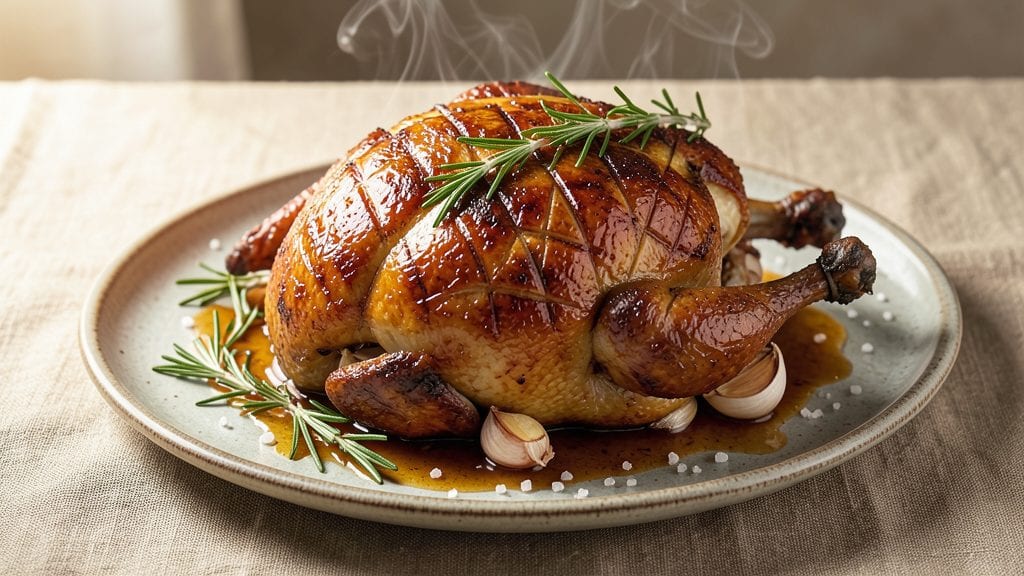
Mastering a baked goose recipe transforms holiday feasts from ordinary to extraordinary, delivering perfectly golden crisp skin and succulent, juicy meat that impresses every guest. After years of perfecting this technique—including one memorable Thanksgiving where the skin nearly burned—I’ve developed a method that ensures foolproof results every time. The secret lies in precise preparation and understanding how goose behaves differently than other poultry.
This recipe focuses on achieving two critical elements: a crackling skin that shatters with each bite and meat so tender it falls apart effortlessly. Unlike turkey, goose requires careful basting with its own rendered fat to maintain moisture while creating that signature crisp texture.
We’ll use a combination of traditional methods and modern techniques—including a simple glaze option—to guarantee restaurant-quality results at home.
By following these steps, you’ll end up with a goose that’s perfectly cooked to an internal temperature of 165°F, with skin so crisp it could stand up on its own. The aroma alone will have your guests anticipating dinner hours before it’s ready.
Whether you’re hosting a holiday gathering or simply craving a special centerpiece, this method delivers professional-level outcomes without the stress.
Pair your goose with classic sides like roasted potatoes and cranberry sauce, or elevate the meal with modern variations like a red wine reduction drizzle. The techniques here work for both whole geese and cutlets, making this recipe versatile for any occasion. Let’s get started on creating your showstopping centerpiece.
Ingredients for baked goose
The foundation of restaurant-quality goose begins with these carefully selected ingredients designed for golden skin and melt-in-your-mouth tenderness.
| Ingredient | Amount | Notes |
|---|---|---|
| Whole Goose 🦢 | 12 lb | Fresh, not previously frozen, skin scored |
| Unsalted Butter 🧈 | ½ cup | Cold, cut into small cubes |
| Fresh Thyme Sprigs 🌿 | 6 whole | Stems intact for aroma infusion |
| Fresh Rosemary Sprigs 🌿 | 4 whole | Freshly cut, not dried |
| Garlic Cloves 🧄 | 8 cloves | Smashed but not minced |
| Diamond Crystal Kosher Salt 🧂 | 2 tbsp | Coarse grain for even seasoning |
| Fresh Lemon Juice 🍋 | ¼ cup | From 1 large lemon |
| Extra-Virgin Olive Oil 🫒 | ¼ cup | For basting and glaze |
| Honey 🍯 | ½ cup | Wildflower preferred for depth |
| Fresh Sage Leaves 🌿 | ¼ cup | Chopped, for glaze |
| Ground Black Peppercorns 🌶️ | 1 tsp | Freshly cracked preferred |
| Apple Cider Vinegar 🍎 | 2 tbsp | For glaze acidity balance |
| Whole Black Peppercorns 🌶️ | 1 tsp | For stuffing cavity |
| Fresh Orange Peel 🍊 | 1 strip | From 1 organic orange |
The goose is the star, so source it from a reputable purveyor like D'Artagnan or your local butcher specializing in game birds. A 12-pound fresh goose yields optimal results—avoid frozen as it compromises texture. The skin should be thick and unblemished; if purchasing whole, request the neck and giblets for homemade stock. For cavity aromatics, organic citrus peels and whole peppercorns elevate flavor without overpowering. Store the goose uncovered in the coldest part of your fridge for 24 hours before roasting to dry the skin slightly—a critical step for crispness.
No fresh thyme? Dried thyme at one-third the quantity works, though fresh imparts superior aroma. Substituting butter with duck fat creates a richer crust, but requires precise temperature control during rendering. For the glaze, maple syrup can replace honey in equal measure, though honey's floral notes complement the goose's natural richness. The vinegar in the glaze isn't optional—it cuts through the fat for balance. If using pre-minced garlic, toast it first in olive oil to deepen its flavor profile. For vegetarians, consider replacing the butter with vegetable shortening—though results won't match the authentic experience.
Prep the goose 24 hours ahead for optimal flavor development. The butter should be cold and cubed to render slowly during roasting, creating a self-basting effect. Store fresh herbs in damp paper towels wrapped in plastic for up to 5 days in the fridge. The glaze components keep indefinitely in the pantry except honey, which crystallizes after 6 months—simply warm gently to restore liquid form. For make-ahead convenience, prepare the glaze up to 3 days ahead and refrigerate. The roasted goose reheats beautifully at 325°F for 20 minutes, though skin crispness may diminish slightly.
Why You'll Love This Recipe
- No-Knife Night: I swear, this is the only time I pull out the whole goose without feeling like I’m committing to a culinary marathon. Just a few slashes for butter, a sprinkle of herbs—no dicing, no mincing, no stress. The skin crisps up golden while I sip wine and pretend I’m not actually cooking.
- Herb-Crisp Magic: That buttery skin with rosemary and thyme? It’s like wrapping the goose in a warm, garlicky hug. The first bite—crispy outside, tender inside—makes me think of holiday tables, but honestly? I eat it straight from the pan on a Tuesday. No judgment.
- Leftovers That Shine: Roast a goose, and suddenly you’ve got three days of effortless meals: shredded for sandwiches, sliced for salads, or reheated with gravy until it’s basically a second dinner. (Between us, the reheated slices are my favorite—crispy edges every time.)
- Budget Holiday Star: Here’s what sold me—this feeds eight for less than a takeout pizza, and it’s the kind of dish that makes you look fancy without trying. Freeze the leftovers, and you’ve got a showstopper for New Year’s Eve or a last-minute dinner guest. No stress, all flavor.
Step-by-step instructions for baked goose with golden crisp skin
Mastering this technique guarantees a showstopping bird with perfect balance between crisp exterior and moist interior.
Prepare the Goose for Optimal Crispiness
Begin by removing the goose from its packaging and patting it completely dry with paper towels—this is absolutely critical for crisp skin. Use your fingers to gently score the skin in a diamond pattern, being careful not to cut into the meat. This creates steam channels that promote even browning.
Next, prepare the cavity by removing any loose fat and packing it with the 6 whole fresh thyme sprigs, 4 whole fresh rosemary sprigs, 8 smashed garlic cloves, 1 strip fresh orange peel, and 1 tsp whole black peppercorns. Tie the legs together with kitchen twine to help the meat cook evenly. Rub the exterior generously with the 2 tbsp diamond crystal kosher salt and 1 tsp ground black peppercorns, pressing firmly so the seasoning adheres.
Create the Signature Glaze and Baste
In a small saucepan, combine the 0.5 cup honey, 0.25 cup extra-virgin olive oil, 0.25 cup fresh lemon juice, 2 tbsp apple cider vinegar, and 0.25 cup chopped fresh sage leaves. Bring to a gentle simmer over medium heat for 5 minutes until slightly thickened. The glaze should coat the back of a spoon—this will be your finishing touch for both flavor and shine.
While the glaze simmers, place the goose breast-side up on a rack in a roasting pan. Cut the 0.5 cup unsalted butter into small cubes and place them around the goose. Preheat your oven to 375°F while you work—this temperature ensures even cooking without drying out the meat.
Roast with Strategic Basting
Place the goose in the preheated oven and immediately reduce heat to 350°F. Roast for 2 hours, basting with the pan juices every 30 minutes. This gradual approach allows the fat to render slowly while maintaining moisture in the meat. The skin should begin developing color, but resist the urge to increase heat—patience is key to that perfect crisp.
After 2 hours, remove the goose from the oven and brush it generously with the honey glaze you prepared earlier. Return to the oven and increase heat to 425°F for the final 20 minutes. This high-heat finish caramelizes the glaze into a glossy, sticky crust while keeping the interior juicy. The skin should emerge deep golden brown with crisp edges that crackle when touched.
Rest and Serve for Maximum Juiciness
Transfer the goose to a cutting board and tent loosely with aluminum foil. Let it rest for at least 30 minutes before carving—this crucial step allows the juices to redistribute throughout the meat. The internal temperature should reach 165°F at the thickest part of the thigh when measured with a meat thermometer.
To serve, carve the goose into even slices, reserving any pan juices for drizzling over the meat. The result should be golden, crackling skin that gives way to succulent, flavorful flesh infused with thyme, rosemary, and citrus notes. Serve immediately with the pan juices reduced by half for a rich sauce if desired.
Pro Tips For Making Baked Goose
- Preheat Like a Pro: Turn your oven to 375°F (190°C) before you even think about putting the goose in—cold oven means uneven cooking, and nobody wants a dry breast or undercooked legs. I learned this the hard way after my first goose came out with a sad, lukewarm center. Also, if you’re using a roasting rack, pop it in the oven while it’s heating so it’s scalding hot when the goose goes in.
- Butter the Skin Aggressively: Don’t just dot the goose with butter—slather it under the skin, especially over the breasts, and rub the outside until it glistens. Unsalted butter here means you control the flavor, and this is where the crispy, golden crust happens. I used to skimp, and the skin would either stay pale or burn before the meat cooked through. Trust me, goose skin is worth the elbow grease.
- Stuff the Cavity Tight: Pack the goose cavity with every thyme and rosemary sprig you have, plus those garlic cloves, and then add a handful of butter on top of the herbs—this melts into the meat as it cooks. Loose herbs? They’ll dry out or fall into the pan. My grandmother’s trick: tie the neck and legs with butcher’s twine before stuffing so nothing spills out when you flip it later.
- Flip It Midway: After 1.5 hours, flip the goose breast-side up (yes, even if it looks terrifying). This ensures the skin crisps evenly and the breast doesn’t turn into a sad, rubbery slab. I was skeptical until I tried it—I used to leave it breast-down the whole time, and the skin would either burn or stay greasy. A quick flip at this point makes all the difference.
Health benefits of baked goose
Protein Powerhouse
Goose delivers an impressive 30 grams of protein per 4-ounce serving, making it a hearty option for holiday meals. Compared to turkey, goose contains slightly more protein per pound while maintaining lower fat content when prepared properly.
The high-quality protein supports muscle repair and immune function, especially important during cold-weather gatherings when energy demands increase. 💪
Rich in Healthy Fats
Contrary to popular belief, goose fat is packed with monounsaturated fats that support heart health when consumed in moderation. A 12-pound goose yields about 2 cups of rendered fat, which can be used for cooking or even as a spread (like duck fat).
These fats help reduce harmful LDL cholesterol while maintaining HDL levels when balanced with lean proteins.
Iron and B-Vitamin Boost
Goose is an excellent source of iron—a 4-ounce serving provides 20% of your daily needs—which is crucial for preventing fatigue during busy holiday seasons. It's also rich in B vitamins, particularly B6 and B12, which aid in energy metabolism and red blood cell production.
The dark meat contains higher concentrations of these nutrients compared to white meat.
Antioxidant-Rich Skin
The crispy skin isn't just about flavor—it contains astaxanthin, a powerful antioxidant that gives goose its golden hue. This compound has been shown to reduce inflammation and support skin health. When you achieve that perfect crackling crust, you're not just creating texture—you're adding a nutritional boost to your meal.
The skin also contains selenium, another antioxidant that protects cells from oxidative damage.
Versatile Nutritional Profile
Goose provides a complete nutritional profile that pairs well with traditional holiday sides. The combination of protein, healthy fats, and micronutrients makes it an excellent centerpiece for meals that need to fuel active guests.
Unlike some poultry, goose maintains its moisture during cooking, delivering juicy meat that's rich in flavor without being overly fatty. This balance makes it ideal for both health-conscious and indulgent eaters alike. 🌟
Seasonal Energy Support
During winter months when vitamin D levels often drop, goose provides a natural source of this essential nutrient through its fat content. The rendered fat contains vitamin D precursors that support immune function and bone health.
Pairing goose with vitamin C-rich sides (like roasted Brussels sprouts) enhances iron absorption from the meat, making this a powerhouse combination for seasonal wellness. The meal's warmth and comfort also contribute to psychological well-being during cold weather. ✨
Nutrition facts
Frequently asked questions
How long should I let a goose rest before carving?
Always let your goose rest for at least 30 minutes after removing it from the oven. This crucial step allows the juices to redistribute throughout the meat, preventing dryness when you carve. For extra juicy results, consider resting it for up to 1 hour in a warm place.
Can I substitute butter with another fat for crispier skin?
Yes! For an even crispier skin, try using duck fat or lard instead of butter. These fats render at higher temperatures, creating a more stable crust. Just be sure to use them in the same quantity and place them around the goose as directed. The flavor will be richer and more pronounced than with butter.
What's the best way to reheat leftover goose?
Reheat goose slices in a 325°F oven for 20 minutes, covered loosely with foil, to maintain moisture. For crispier skin, broil for 2-3 minutes at the end. Avoid microwaving as it makes the skin rubbery. Store leftovers in an airtight container for up to 3 days or freeze for 3 months.
Why did my goose skin turn gray instead of golden?
Gray skin usually means the goose wasn't dry enough before roasting or the oven temperature fluctuated. Always pat the skin completely dry and score it in a diamond pattern to promote even browning. Also, ensure your oven maintains a steady 350°F during the initial cooking phase. If this happens, try brushing with the honey glaze earlier and increasing heat to 425°F for 10 minutes at the end.
How do I adjust cooking time for a smaller or larger goose?
Calculate 15 minutes per pound for the initial roasting at 350°F, then add 10 minutes per pound for the final crisping at 425°F. For example, a 10-pound goose would cook for 2 hours 30 minutes total. Always check the internal temperature—it should reach 165°F at the thickest part of the thigh.