
Appetizers
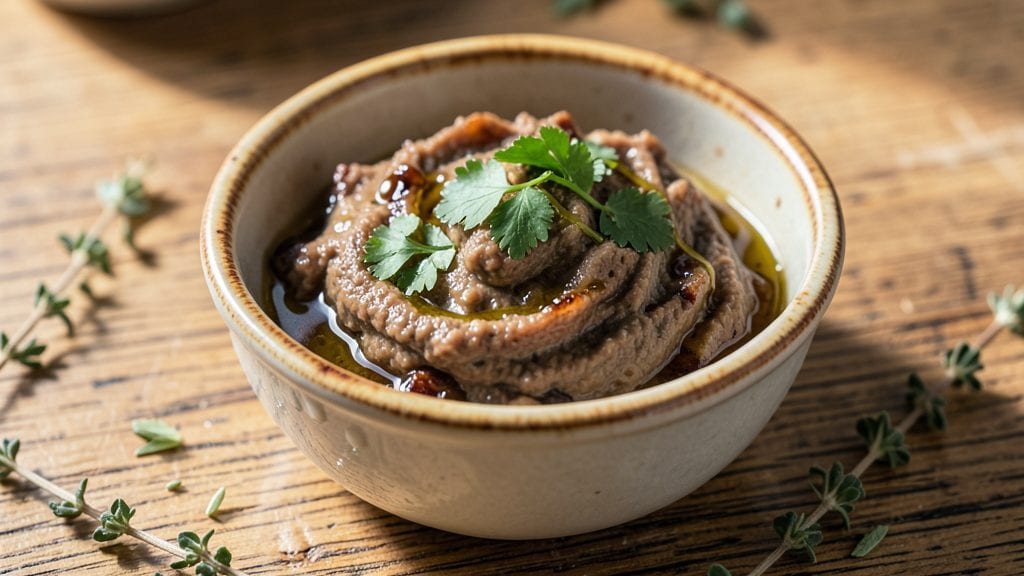
This baked chicken liver pâté recipe delivers a velvety, herb-infused spread that transforms simple ingredients into a restaurant-worthy appetizer. The process begins with carefully searing livers to render their natural fats, then blending them with aromatic herbs and a touch of wine for depth.
What sets this apart is the balance between traditional terrine techniques and a modern, spreadable texture—perfect for serving on toasted baguettes or crackers.
What makes this recipe professional yet approachable is the method: livers are baked in a water bath for even cooking, ensuring a smooth, velvety consistency without graininess. The herb-infused fat adds layers of flavor while keeping the pâté moist, and a splash of wine enhances the richness without overpowering.
Safety is critical here—handling raw liver requires care, but the process is straightforward once you follow the steps precisely.
The result is a rich, velvety spread with a delicate balance of earthy liver, bright herbs, and subtle wine notes. It’s elegant enough for holiday gatherings but simple enough for weeknight entertaining. Whether you prefer a classic terrine or a quick spread, this recipe delivers professional results with minimal effort.
Serve chilled with crusty bread or use as a base for canapés—this pâté is versatile enough to elevate any appetizer spread. The key is patience during the baking and blending stages, which ensures a silky texture every time. Let’s get started on creating something truly special.
Ingredients for baked chicken liver pate
Simple ingredients elevate to restaurant-worthy pâté through precise technique and aromatic balance.
| Ingredient | Amount | Notes |
|---|---|---|
| Chicken Livers 🍗 | 1 ½ lb | Fresh, trimmed of connective tissue |
| Extra-Virgin Olive Oil 🫒 | ½ cup | High-quality, fruity variety preferred |
| Shallots 🧅 | 4 whole | Minced, finely chopped |
| Garlic Cloves 🧄 | 4 cloves | Peeled, finely minced |
| Fresh Thyme Leaves 🌿 | ¼ cup | Stems removed, finely chopped |
| Fresh Parsley Leaves 🌿 | ¼ cup | Stems removed, finely chopped |
| Dry Red Wine 🍷 | ½ cup | Bold variety like Cabernet Sauvignon |
| Heavy Cream 🥛 | ¼ cup | Full-fat for optimal texture |
| Diamond Crystal Kosher Salt 🧂 | 1 tsp | Fine grain preferred |
| Freshly Ground Black Pepper 🌶️ | ½ tsp | Coarsely ground |
| Unsalted Butter 🧈 | 2 tbsp | Cold, cubed for fat infusion |
| Freshly Baked Baguette 🍞 | 1 whole | For serving, sliced and toasted |
| Cold Water 💧 | 1 cup | For water bath |
The quality of chicken livers is paramount—look for bright red, firm livers at specialty butchers or well-stocked markets like Whole Foods or D'Agostino. Avoid any with dark spots or an ammonia-like odor, as these indicate spoilage. Costco often carries high-quality livers in bulk, perfect for batch preparation. Fresh herbs like thyme and parsley should be vibrant green with no wilting, and shallots should be firm with papery skins. The dry red wine should be a bold variety—Cabernet Sauvignon or Merlot work exceptionally well, adding depth without overpowering the delicate liver flavor. For the olive oil, California Extra Virgin brands like Corto or Otto provide the fruity notes necessary for balance.
No fresh thyme? Dried thyme at one-third the amount works, though fresh provides superior aroma. Substitute shallots with finely minced red onion if unavailable, though shallots offer a milder, sweeter profile. For wine, beef broth with a splash of balsamic can replicate the acidity and depth. Heavy cream can be replaced with half-and-half for a lighter texture, though the pâté will be slightly less rich. The unsalted butter is critical for fat infusion—never use salted, as it disrupts the delicate seasoning balance. For serving, water crackers or toasted baguette slices provide the perfect neutral base to highlight the pâté's velvety texture.
Freshly prepared pâté should be refrigerated in an airtight container and consumed within 3-4 days for optimal flavor and texture. The addition of cold butter cubes during blending creates a stable fat layer, extending shelf life. For longer storage, portion into small ramekins or silicone molds, cover with plastic wrap, and freeze for up to 3 months. When reheating, use a water bath to maintain moisture—never microwave directly, as this can make the texture grainy. Serve chilled for the best mouthfeel, allowing the flavors to meld fully before enjoying.
Why You'll Love This Recipe
- No Chopping Needed: I swear by this—just toss the cleaned livers into the pan with the shallots and garlic, then let the oven do the work. Minimal prep, maximum flavor without the mess of dicing.
- Rich Without the Effort: That crispy exterior from the olive oil and thyme? It’s like a hug in your mouth. The livers caramelize just enough to balance the creamy center—no fancy techniques, just pure satisfaction.
- Weeknight to Holiday Hero: Spread it on crusty bread for a quick lunch or pipe it into phyllo cups for a showstopping appetizer. Same recipe, different game—no need to reinvent the wheel.
- Budget Luxury Leftovers: Chicken livers are a steal, and this recipe stretches easily. Make a double batch, freeze half, and pull it out when you’re craving something special without the grocery splurge.
Step-by-step instructions for baked chicken liver pâté
This method delivers a velvety, herb-infused pâté with perfect texture and depth of flavor.
Prepare the Chicken Livers for Cooking
Rinse the 1.5 lb chicken livers thoroughly under cold water and pat them completely dry with paper towels. This step is crucial—any moisture will prevent proper browning and create a watery pâté. Trim away any visible connective tissue or silver skin using a sharp knife, as these can make the final texture tough. Place the prepared livers in a bowl and set aside.
In a separate bowl, combine the 0.5 cup extra-virgin olive oil with the 1 tsp diamond crystal kosher salt and 0.5 tsp freshly ground black pepper. Whisk until fully emulsified. This oil mixture will serve as both a marinade and a cooking medium, ensuring the livers develop rich flavor and a silky texture. Let the livers marinate in this mixture for 15 minutes at room temperature while you prepare the aromatics.
Sauté Aromatics and Deglaze
Heat a large skillet over medium heat and add the 2 tbsp unsalted butter. Once the butter has melted and begins to foam, add the 4 whole shallots and 4 cloves garlic cloves (minced). Sauté for 5-6 minutes until the shallots are translucent and the garlic is fragrant but not browned. This gentle cooking ensures the aromatics contribute sweetness rather than bitterness to the pâté.
Increase the heat to medium-high and add the 1.5 lb chicken livers in a single layer. Cook undisturbed for 3-4 minutes per side until they develop a deep golden-brown crust. This searing step is essential for building flavor and texture. As the livers release their juices, carefully pour in the 0.5 cup dry red wine, scraping up any browned bits from the bottom of the pan with a wooden spoon. Let the wine reduce by half, which takes about 2-3 minutes, concentrating its flavor.
Simmer and Blend the Pâté Base
Transfer the cooked livers and their juices to a blender or food processor. Add the 0.25 cup fresh thyme leaves, 0.25 cup fresh parsley leaves, and the reduced wine mixture. Pulse until the mixture is smooth but still slightly textured—this ensures a velvety yet rustic finish. If the mixture is too thick to blend, add 1-2 tablespoons of cold water as needed. The goal is a thick, pourable consistency that will hold its shape when chilled.
Return the blended mixture to the skillet and stir in the 0.25 cup heavy cream. Simmer over low heat for 5-7 minutes, stirring frequently, until the mixture thickens slightly and coats the back of a spoon. This step ensures the pâté has a luxurious mouthfeel without becoming greasy. Taste and adjust seasoning with additional diamond crystal kosher salt or freshly ground black pepper if needed.
Bake for Silky Texture
Preheat your oven to 350°F. Transfer the pâté mixture to a heatproof baking dish or ramekin. Place the dish in a larger baking dish and carefully pour the 1 cup cold water into the bottom of the larger dish, creating a water bath. This gentle baking method prevents the pâté from drying out while allowing it to set evenly.
Bake for 20-25 minutes until the pâté is just set but still slightly jiggly in the center. Overbaking will make it dry and crumbly, so err on the side of underbaking if unsure. Remove from the oven and let it cool to room temperature, then refrigerate for at least 2 hours (or up to 24 hours) to firm up. This chilling step is critical for achieving the perfect spreadable consistency.
Serve with Fresh Baguette
Once fully chilled, spoon the pâté onto a serving platter. Garnish with additional fresh parsley leaves and a drizzle of extra-virgin olive oil for a polished presentation. Serve with slices of freshly baked baguette for spreading. The pâté should be rich, velvety, and deeply flavorful, with a perfect balance of herby brightness and umami depth. Store any leftovers in an airtight container in the refrigerator for up to 5 days or freeze for up to 3 months.
Pro Tips For Making Baked Chicken Liver Pate
- Blanching First: Drop those chicken livers in simmering water for 30 seconds before cooking—it removes the iron-rich blood that turns your pate bitter. I learned this the hard way after making a batch that tasted like rusty nails.
- Sauté Shallots Slow: Cook the shallots on low heat until they’re translucent and just starting to caramelize—about 8-10 minutes. Rushing this step means they’ll burn before the livers are done, and you’ll end up with a bitter, charred base.
- Press Out Moisture: After cooking the livers, spread them on a paper towel and press with another towel to blot out every last drop of liquid. Wet livers release during baking, turning your pate into a soggy mess instead of a smooth, glossy spread.
- Bake Low and Long: Cover the pate with foil and bake at 325°F (160°C) for 20-25 minutes—don’t crank the heat. High temps make it rubbery, and you’ll end up with a dry, grainy texture that’s a crime against the dish.
Regional styles of these flavors
French Classic
The French mastered liver pâté with their terrine technique, where the mixture is baked in a mold and sliced like a loaf. For this version, use a loaf pan lined with parchment paper and pack the pâté mixture tightly.
After baking, chill for 4+ hours to set completely before slicing into ½-inch thick portions. Serve with cornichons and a dry white wine like Sancerre to cut the richness. 🍷
Spanish-Style
In Spain, liver pâté often incorporates smoked paprika and sherry vinegar for a distinct tang. Replace the red wine with ½ cup sherry vinegar and add 1 tsp smoked paprika to the sautéed aromatics.
Finish with 1 tbsp sherry instead of heavy cream. Serve with crusty pan con tomate (toasted bread with tomato rub) for a bold contrast. 🌶️
Italian Twist
For an Italian-inspired version, swap the thyme for 1 tbsp fresh rosemary and add ½ cup finely chopped pancetta to the sautéed aromatics. Deglaze with ½ cup dry white wine (like Pinot Grigio) instead of red. Top with grated Parmigiano-Reggiano before baking. Serve with grissini (Italian breadsticks) for dipping. 🧀
German Rouladen-Inspired
In Germany, liver pâté often includes caramelized onions and a touch of beer for depth. Sauté 1 cup thinly sliced onions until deeply golden before adding the livers. Deglaze with ½ cup dark beer (like a bock) instead of wine.
Finish with 1 tbsp Dijon mustard for a tangy kick. Pair with pretzel bites for a hearty contrast. 🍺
Modern Fusion
For a contemporary take, blend in 1 tbsp gochujang (Korean chili paste) with the herbs and add 1 tsp grated ginger to the aromatics. Use ½ cup coconut cream instead of heavy cream for a lighter texture.
Garnish with toasted sesame seeds and serve with rice crackers for a sweet-spicy balance. 🌱
Southern U.S. Style
In the American South, liver pâté often gets a Cajun kick with 1 tsp Creole seasoning and ½ tsp cayenne. Deglaze with ½ cup chicken stock instead of wine. Top with 1 tbsp hot honey before baking. Serve with cornbread muffins for a comforting Southern spread. 🔥
Nutrition facts
Frequently asked questions
Why do I need to pat the chicken livers completely dry before cooking?
Any moisture on the livers will cause them to steam instead of sear, resulting in a watery pâté. Patting them dry ensures a perfect golden crust that develops rich flavor and the ideal velvety texture. This step is non-negotiable for professional results!
Can I make this pâté ahead of time?
This recipe actually tastes better when made 1-2 days ahead. The flavors meld more fully during chilling, and the texture becomes even silkier. Store in an airtight container in the fridge for up to 5 days or freeze for 3 months.
What's the difference between baking and chilling this pâté?
Baking creates a firmer terrine-like texture perfect for slicing, while chilling alone makes a spreadable version. For the baked method, use a loaf pan and chill 4+ hours before slicing. The recipe here balances both approaches for versatility.
Can I substitute duck or beef liver for chicken liver?
Yes, but expect different flavors! Duck liver adds richness and requires 10% less cooking time, while beef liver is leaner and needs extra fat (add 1 tbsp butter per ½ lb). Chicken liver offers the mildest, most versatile base for this recipe.
Why did my pâté turn out grainy?
Overblending or overheating during baking causes this. For silky texture, blend just until smooth but still slightly textured, then bake at 350°F until just set (not firm). The water bath prevents drying out - never skip it!