
Snacks
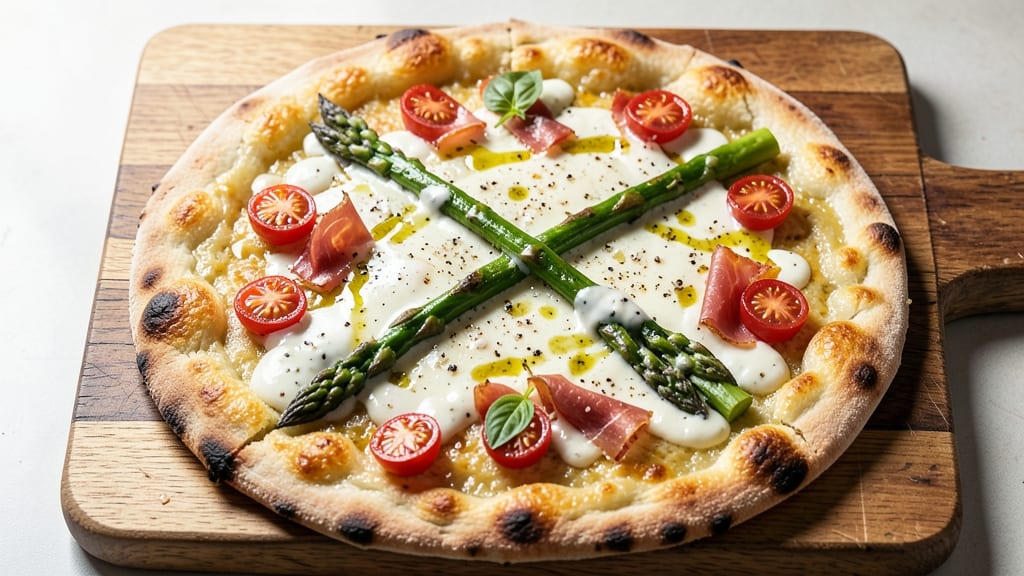
An asparagus pizza recipe transforms spring's brightest vegetable into a crispy, cheesy centerpiece that's as elegant as it is satisfying. The secret lies in roasting the asparagus until tender with charred edges—this caramelization deepens its natural sweetness while adding smoky complexity that cuts through the richness of melted cheese.
I developed this recipe after realizing how often asparagus gets overlooked in pizza toppings, yet it brings a sophisticated texture and vibrant color that elevates any pie.
Here's where it gets interesting—the crust stays perfectly crispy while the toppings achieve that ideal balance of tender and slightly blistered.
You'll start with a simple dough (or use your favorite shortcut), spread a thin layer of tomato sauce, and layer mozzarella before adding the roasted asparagus in a visually appealing pattern.
The key technique is baking the asparagus separately first—this ensures it's cooked to perfection without becoming soggy under the cheese.
What you'll end up with is a pizza that looks like it belongs on a high-end menu but comes together in under 30 minutes.
The contrast between the crispy crust, creamy cheese, and charred asparagus creates every bite, while the bright green spears add freshness that keeps the dish from feeling too heavy.
This recipe works beautifully for lunch or dinner, and it's flexible enough to accommodate dietary preferences with vegan cheese or gluten-free crust options.
The finishing touches make all the difference—drizzle with balsamic glaze for a sweet-tangy contrast or sprinkle with lemon zest for brightness. Serve immediately while the crust is still crispy and the cheese is gooey, or let it cool slightly for easier slicing.
This asparagus pizza proves that spring vegetables can star on your plate in a way that's both impressive and completely approachable.
Ingredients for asparagus pizza
Fresh asparagus and simple dough create a pizza that's crispy, cheesy, and full of spring flavor.
| Ingredient | Amount | Notes |
|---|---|---|
| Fresh Asparagus Spears 🌱 | 1 ½ lb | Thick stalks, trimmed ends |
| All-Purpose Flour 🌾 | 2 cups | For homemade crust (or use 1 pre-made ball) |
| Active Dry Yeast 🍞 | ¼ tsp | Or 1 packet instant yeast |
| Warm Water 💧 | 1 cup | 110°F for yeast activation |
| Olive Oil 🫒 | ½ cup | Extra-virgin for richness |
| Salt 🧂 | 1 ½ tsp | Diamond Crystal preferred |
| Sugar 🍚 | 1 tsp | Helps yeast activation |
| Tomato Sauce 🍅 | ½ cup | San Marzano preferred |
| Shredded Mozzarella Cheese 🧀 | 2 cups | Part-skim or whole milk |
| Parmesan Cheese 🧀 | ½ cup | Freshly grated from block |
| Balsamic Glaze 🍷 | ¼ cup | For finishing drizzle |
| Lemon Zest 🍋 | 1 tsp | Brightens flavor profile |
The asparagus is everything here. Thick stalks hold up best to roasting, so grab the largest bunch you can find—Trader Joe's or Whole Foods usually have the freshest. Trim the woody ends with a knife, leaving the tender parts. Roast at 425°F for 12-15 minutes until charred in spots, then cool before using. For the dough, King Arthur flour gives the best texture, but any all-purpose works. If you're short on time, pre-made dough balls from the grocery store freezer section save 2 hours—just let them rise while you prep toppings.
No fresh asparagus? Frozen works in a pinch, but thaw and pat dry first. The dough can be made a day ahead—just refrigerate the shaped ball until ready to use. Short on mozzarella? Fontina or provolone melt beautifully and add depth. The balsamic glaze should be the reduced kind from Trader Joe's—it's sweeter and thicker. For extra brightness, add lemon zest to the cheese layer before baking. The Parmesan? Only use freshly grated—pre-grated clumps and ruins texture. Need a gluten-free option? Cauliflower crust from the store holds up surprisingly well with these toppings.
Roasted asparagus keeps for 3 days in the fridge—store it in a sealed container with paper towels to absorb moisture. The dough can be refrigerated for 24 hours or frozen for 1 month. Assemble the pizza right before baking to keep the crust crispy. Leftovers? Reheat at 375°F for 10 minutes—the cheese gets gooey again, and the crust stays crisp. I always make a double batch of sauce and freeze half—portion into ice cube trays for easy single-serving toppings later.
Why You'll Love This Recipe
- Speedy Dough Magic: I swear by this 10-minute dough hack—just flour, yeast, warm water, and a pinch of salt. No kneading, no waiting, and that olive oil keeps it tender without fuss.
- Earthy Crunch Bite: The asparagus isn’t just a garnish—it’s the star. Roasted until crispy-tender, those spears add a fresh, slightly bitter punch that cuts through the richness. (Between us, it’s the one topping I’ll fight for.)
- Weeknight Flex: Make half now, pop the rest in the freezer for later. Works for lunch, dinner, or even a picnic—just toss it in the oven when you’re ready. Honestly, it’s my lazy Sunday go-to.
- Budget Brightener: Fresh asparagus in season? A steal. This dough costs pennies, and one bunch stretches into multiple meals. Plus, the leftovers reheat like a dream—no sad, dry pizza here.
Step-by-step instructions for crispy asparagus pizza
Let's build a pizza with a perfectly crisp crust, charred asparagus, and melty cheese layers that pull apart with every bite.
Prepare the Homemade Pizza Dough
In a large mixing bowl, combine the 2 cups all-purpose flour with the 0.25 tsp active dry yeast and 1 tsp sugar. I like to use a whisk to break up any yeast clumps before adding the 1 cup warm water. The water should be between 110°F and 115°F—too hot and you'll kill the yeast, too cold and it won't activate properly.
Mix with a wooden spoon until a shaggy dough forms, then turn it out onto a lightly floured surface. Knead for about 8-10 minutes until the dough becomes smooth and elastic. You'll know it's ready when it springs back slightly when pressed. If the dough feels too sticky, add flour 1 tablespoon at a time until it's workable but not dry.
Shape the dough into a ball, place it in a lightly oiled bowl, cover with a damp towel, and let it rise in a warm place for 1-2 hours, or until it doubles in size. This rising time is crucial for that light, airy texture that makes the crust crispy when baked.
Char the Asparagus and Prepare Toppings
While the dough rises, trim the tough ends from the 1.5 lb fresh asparagus spears and cut them into 2-inch pieces. Heat a large skillet over high heat with 1 tablespoon of the 0.5 cup olive oil. Add the asparagus in a single layer and cook for 3-4 minutes until the edges are deeply charred and the spears are tender-crisp.
Remove the asparagus and set aside. In the same skillet, add the remaining 0.33 cup olive oil and the 0.5 cup tomato sauce. Let it simmer for 2-3 minutes until slightly thickened. Stir in the 1 tsp lemon zest and season with 0.5 tsp of the 1.5 tsp salt. This sauce will form the flavorful base for your pizza.
Assemble the Pizza with Perfect Layering
Preheat your oven to 475°F with a pizza stone or baking sheet inside. Once the dough has risen, punch it down and roll it out on a floured surface to about 12 inches in diameter. Transfer the rolled-out dough to a piece of parchment paper for easy handling.
Spread the asparagus-tomato sauce mixture evenly over the dough, leaving a 1-inch border for the crust. Sprinkle half of the 2 cups shredded mozzarella cheese and half of the 0.5 cup parmesan cheese over the sauce. Arrange the charred asparagus pieces in a single layer, slightly overlapping them for even coverage.
Top with the remaining mozzarella and parmesan, then sprinkle the remaining 1 tsp salt evenly over the cheese. The cheese should look generous—this ensures that gooey, stretchy texture we all love. Slide the parchment with the pizza onto the preheated stone or baking sheet.
Bake for Maximum Crispiness and Cheese Pull
Bake the pizza for 12-15 minutes until the crust is golden brown and crispy at the edges, and the cheese is bubbling and turning golden in spots. You'll see the crust puff slightly at the edges—that's your signal that it's ready. If the cheese browns too quickly, tent the pizza with aluminum foil for the last 2-3 minutes of baking.
Remove the pizza from the oven and let it rest for 2-3 minutes. This brief resting period allows the cheese to set slightly, making it easier to slice without losing all that delicious pull. Drizzle with the 0.25 cup balsamic glaze just before serving for a touch of sweet-tart contrast that cuts through the richness.
Slice and Serve Immediately
Use a sharp pizza cutter or knife to slice the pizza into 4 equal wedges. Serve immediately while the crust is still crisp and the cheese is melty. The combination of the charred asparagus, tangy tomato sauce, and that perfect balance of crispy crust and gooey cheese makes this pizza a standout dish.
For an extra touch, garnish each slice with a sprinkle of fresh lemon zest right before serving. This brightens the flavors and adds a pop of color that makes the pizza look as good as it tastes. Enjoy your homemade asparagus pizza while it's hot!
Pro Tips For Making Asparagus Pizza
- TRIM AND BLANCH ASPARAGUS: Fresh asparagus is stubborn—those tough ends won’t soften no matter how long you bake. Snap off the woody bottoms (they’ll break naturally at the tender spot) and blanch them for 2 minutes in boiling salted water before arranging on the pizza. This guarantees they’ll be fork-tender, not rubbery, by the time the cheese melts.
- USE COLD WATER FOR YEAST: I learned this the hard way—yeast hates heat. Mix your warm water (around 110°F, or just warm enough to touch without burning) with the yeast and a pinch of sugar, then let it sit for 5 minutes. If it doesn’t foam, your dough will be sluggish, and your crust will taste flat. No foam? Start over with fresh yeast.
- PRESS THE DOUGH THIN: Don’t be shy with the rolling pin. Asparagus pizza needs a thin crust—aim for ¼-inch thickness or less—to let the asparagus flavor shine and prevent sogginess. If your dough springs back, let it rest 10 minutes before pressing again. A well-stretched crust also browns better, so don’t skimp.
- BAKE ASPARAGUS FIRST: Here’s the move that saves your pizza: Roast the asparagus spears at 400°F for 8–10 minutes before assembling the pizza. They’ll soften, caramelize slightly, and release their juices onto the crust, making every bite richer. Just don’t overcook them—they’ll turn to mush when you add cheese.
Regional styles of this recipe
Italian Spring Style
In Italy, spring asparagus pizza takes center stage in regions like Liguria and Emilia-Romagna, where fresh seasonal produce shines. I love adding white asparagus (purple asparagus) for its delicate flavor and beautiful color contrast.
Toss the spears with 1 tbsp olive oil, 1 minced garlic clove, and ½ tsp chili flakes before roasting at 400°F for 10 minutes—this adds a subtle heat that balances the richness.
Top with fontina cheese (instead of mozzarella) for a nutty depth, and finish with a drizzle of aged balsamic reduction from Modena. 🌿
California-Inspired Fusion
West Coast chefs love to play with bold flavors, so I developed a version with charred asparagus, avocado slices, and crumbled feta.
Start by roasting the asparagus as directed, then layer the pizza with a thin spread of garlic aioli (mix ½ cup mayo with 1 tbsp lemon juice and 1 minced garlic clove). Add the avocado slices after baking to prevent browning, and sprinkle with toasted pine nuts for crunch.
A squeeze of lime at the table ties it all together. 🌴
German Asparagus Twist
German cuisine brings a hearty approach to asparagus pizza, inspired by classic Spargel season. After roasting the asparagus, blend ½ cup crème fraîche with 1 tbsp Dijon mustard and 1 tsp white wine vinegar for the sauce.
Top the pizza with thinly sliced smoked gouda, crispy prosciutto, and a sprinkle of fresh dill. Bake at 425°F for 14 minutes—the prosciutto adds a smoky depth that pairs perfectly with the asparagus' earthiness. 🥔
Mediterranean Herb Version
For a lighter take, I turn to Mediterranean flavors with roasted asparagus, sun-dried tomatoes, and feta cheese. After roasting, toss the asparagus with 1 tbsp chopped oregano and ½ tsp red pepper flakes.
Layer the pizza with a thin spread of garlic-infused olive oil, then add the asparagus, sun-dried tomatoes, and crumbled feta. Finish with a sprinkle of kalamata olives and a drizzle of extra-virgin olive oil after baking. This version is bright, herby, and perfect for warm evenings. 🌿
Gluten-Free Adaptation
For a gluten-free crust, I recommend Cauliflower Crust Pizza Mix from Trader Joe's—it holds up surprisingly well with these toppings. After assembling the pizza, brush the crust with melted butter mixed with 1 tsp garlic powder before baking.
The roasted asparagus and cheese layering remain the same, but reduce the baking time to 10-12 minutes to prevent burning. Serve with a side of arugula salad for a fresh, gluten-free meal. 🥬
Vegan Cheese Option
To make this pizza vegan, replace the mozzarella and parmesan with Miyoko's Cashew Parmesan and Violife Mozzarella. The charred asparagus still steals the show, but the vegan cheese adds a satisfying melt.
I also add a layer of cashew ricotta (blend 1 cup soaked cashews with 2 tbsp lemon juice and 1 tbsp nutritional yeast) under the asparagus for extra creaminess. Finish with a drizzle of vegan balsamic glaze for that tangy contrast. 🌱
Nutrition facts
Frequently asked questions
Can I use frozen asparagus instead of fresh?
Thaw frozen asparagus first and pat it completely dry with paper towels to prevent sogginess. Roast it at 425°F for 10-12 minutes until tender and slightly charred. The texture will be slightly softer than fresh, but it still works beautifully in the pizza. Just avoid overcrowding the pan to ensure even cooking.
How do I prevent the crust from getting soggy?
Prevent a soggy crust by baking the asparagus separately until fully cooked and charred before assembling the pizza. Also, use a thin layer of sauce (½ cup) and avoid overloading with toppings. For extra insurance, bake the pizza on a preheated pizza stone or baking sheet at 475°F for 12-15 minutes—the high heat ensures the crust stays crispy.
What's the best way to store leftovers?
Store leftovers in an airtight container at room temperature for up to 2 hours, or refrigerate for 3-4 days. To reheat, place slices on a baking sheet and warm at 375°F for 8-10 minutes until the cheese melts and the crust crisps again. Avoid microwaving—it makes the crust rubbery.
Can I make this pizza ahead of time?
Yes! Prepare the dough and roast the asparagus up to a day ahead. Store the dough in the fridge wrapped in plastic and the asparagus in an airtight container. Assemble and bake the pizza just before serving to maintain the perfect texture. If you must reheat, follow the leftovers instructions above.
What are the best cheese alternatives for dietary restrictions?
For vegan options, use Miyoko's Cashew Parmesan and Violife Mozzarella—they melt well and add depth. For lactose-free, try lactose-free mozzarella or provolone. Gluten-free? Stick to the original cheese layering but use a cauliflower or gluten-free crust. Always check labels for hidden allergens.