
Sauces & Condiments
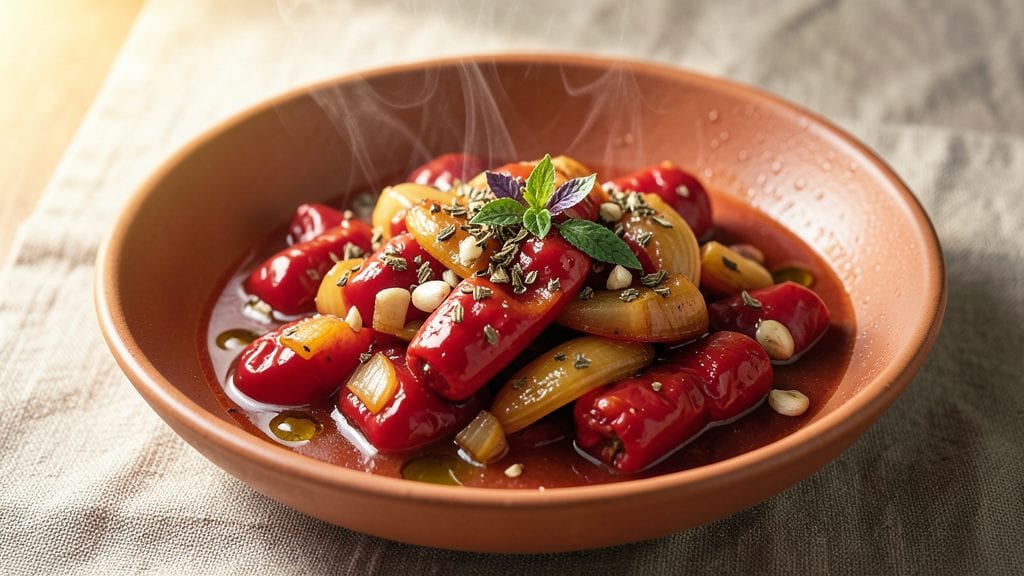
This one-pot Italian flavor with canned peppers in tomato sauce transforms simple pantry staples into a restaurant-worthy meal in under 45 minutes. The secret lies in balancing the natural sweetness of the peppers with the acidity of the tomato sauce, creating a dish that's both hearty and versatile.
I developed this recipe during a particularly busy week when I needed a satisfying dinner that required minimal effort but maximum flavor.
The beauty of this recipe is its simplicity—just a few ingredients, one pot, and about 30 minutes of active time. Canned peppers in tomato sauce provide the base, while garlic, onions, and herbs elevate the flavors to new heights.
The dish is rich enough to serve as a main course but flexible enough to work as a side or even a pasta sauce. It's the kind of meal that feels indulgent without requiring hours in the kitchen.
By the time you're done, you'll have a simmering pot of tender peppers, aromatic vegetables, and a sauce that's perfectly balanced between sweet and tangy. The result is a dish that's hearty enough to satisfy a family of four but simple enough to make on a weeknight.
The best part? Leftovers reheat beautifully, making this an ideal meal prep option.
Serve it alongside crusty bread for dipping, over polenta for a comforting texture contrast, or as a topping for grilled meats. This recipe proves that pantry staples can deliver restaurant-quality results with just a little know-how and patience. Let's get cooking!
Ingredients for canned peppers in tomato sauce
Pantry staples meet Italian flavors in this one-pot wonder—simple yet restaurant-worthy.
| Ingredient | Amount | Notes |
|---|---|---|
| Canned Peppers in Tomato Sauce 🍅 | 2 cans | 14.5 oz each, drain liquid |
| Yellow Onion 🧅 | 1 whole | Diced, medium size |
| Garlic Cloves 🧄 | 3 cloves | Minced, fresh preferred |
| Extra-Virgin Olive Oil 🫒 | 2 tbsp | For sautéing, high quality |
| Dried Oregano 🌿 | 1 tsp | Italian or Mediterranean |
| Dried Basil 🌿 | 1 tsp | Or 1 tbsp fresh |
| Salt 🧂 | ½ tsp | Kosher or sea salt |
| Black Pepper 🌶️ | ¼ tsp | Freshly ground preferred |
| Red Wine Vinegar 🍷 | 1 tbsp | For acidity balance |
| Butter 🧈 | 1 tbsp | Unsalted, for finishing |
| Fresh Parsley 🌿 | ¼ cup | Chopped, for garnish |
| Tomato Paste 🍅 | 1 tbsp | Squeeze tube preferred |
| Crusty Bread 🍞 | 4 slices | For serving, optional |
| Polenta 🌾 | 2 cups | Cooked, for serving |
The canned peppers are the star here, so look for brands with minimal additives—Muir Glen or Del Monte are reliable choices. Fresh garlic and onions should be vibrant, not wilted. For the tomato paste, Trader Joe's squeeze tubes are perfect—they last months and eliminate waste. The olive oil matters too; California avocado oil or a fruity Italian extra-virgin adds depth without overpowering the pepper's natural sweetness. Dried herbs lose potency quickly, so store them in airtight containers away from light.
No red wine vinegar? Substitute lemon juice or balsamic vinegar, but reduce to 1 tsp to avoid over-acidity. Fresh basil is ideal, but dried basil at one-third the amount works in a pinch. The tomato paste can be skipped if you prefer a thinner sauce, though it adds richness. For a meatier version, brown 1/2 lb ground Italian sausage first. If you're short on time, skip the sautéing step—just dump everything in the pot and simmer longer. The bread and polenta are optional but recommended for serving.
This reheats beautifully—simmer leftovers for 5 minutes to restore texture. Keeps for 5 days in the fridge or 3 months frozen. Portion into containers with a layer of sauce to prevent drying. The flavors actually improve overnight as everything melds. For meal prep, double the batch and freeze half. When reheating, add a splash of water if the sauce thickens too much.
Why You'll Love This Recipe
- Pantry-to-Table Speed: I swear by this for nights when I’m starving but the fridge is empty—just open the can, toss in the onions and garlic, and let the olive oil do its magic. No chopping, no waiting, no guilt.
- Garlic-Oil Magic: That first sizzle of garlic in olive oil? It transforms the canned peppers into something ridiculously good—bright, savory, with this crispy edge that makes you reach for seconds. Honestly, the oregano ties it all together like a hug.
- Double-Duty Sauce: This sauce is my secret weapon for lazy Sundays and last-minute dinners. Dump it over pasta, spoon it onto toasted bread, or serve it with crusty bread and cheese—it’s the same effort, endless possibilities.
- Budget-Friendly Staple: A single can of peppers and a jar of sauce stretch across three meals for my family. I’ll be real: it’s not the prettiest, but the taste makes up for it, and my wallet thanks me every time.
Step-by-step instructions for one-pot Italian peppers with polenta
Here's how to transform canned peppers into a rich, flavorful one-pot meal using simple pantry staples.
Sauté the Aromatics
Heat the 2 tablespoons extra-virgin olive oil in a large, deep skillet over medium heat. Add the 1 whole yellow onion, diced into small pieces, and cook for 5 minutes until softened and translucent. You'll notice the onions release moisture as they cook—this is normal and helps build flavor.
Add the 3 minced garlic cloves and cook for an additional 30 seconds until fragrant. Be careful not to let the garlic burn—it should smell sweet and pungent, not bitter. This aromatic base forms the flavor foundation for the entire dish, so take your time here to develop those essential flavors.
Build the Sauce Base
Stir in the 1 tablespoon tomato paste and cook for 1 minute until it darkens slightly and blends completely with the onions and garlic. This step deepens the tomato flavor and adds a rich, concentrated base to your sauce.
Pour in the 2 cans canned peppers in tomato sauce, breaking up any large chunks with a wooden spoon. Add the 1 teaspoon dried oregano, 1 teaspoon dried basil, 0.5 teaspoon salt, and 0.25 teaspoon black pepper. Stir well to combine all ingredients. The sauce should bubble gently—if it's too thick, add 2 tablespoons water to loosen it slightly. Let it simmer uncovered for 10 minutes to allow the flavors to meld together.
Finish with Acid and Butter
After 10 minutes of simmering, stir in the 1 tablespoon red wine vinegar. This adds a bright acidity that balances the richness of the peppers and tomato sauce. The vinegar should be fully incorporated, and the sauce should be well-seasoned. Taste and adjust the seasoning if needed—you may need a touch more salt or pepper depending on your preferences.
Reduce the heat to low and stir in the 1 tablespoon butter. The butter will melt into the sauce, adding a velvety finish and enhancing the overall flavor. Let the sauce simmer gently for another 5 minutes to allow the butter to fully incorporate and the flavors to meld together. The sauce should be thick enough to coat the back of a spoon but still have a pleasant consistency.
Prepare the Polenta
While the sauce simmers, prepare the 2 cups polenta according to package instructions. Typically, this involves bringing 4 cups water to a boil, then slowly whisking in the polenta while maintaining a gentle simmer. Cook for 15-20 minutes, stirring occasionally, until the polenta is creamy and pulls away from the sides of the pot. The polenta should have a smooth, porridge-like consistency—if it's too thick, add a splash of water to loosen it.
Once the polenta is ready, transfer it to a serving dish and cover it to keep it warm. The polenta should be hot and ready to serve immediately, as it will continue to thicken as it cools. This step ensures you have a perfect base for your one-pot meal, ready to be paired with the flavorful pepper sauce.
Serve with Crusty Bread
Ladle the pepper sauce over the 2 cups polenta, dividing it evenly among serving plates. Garnish each serving with 0.25 cup chopped fresh parsley for a pop of color and freshness. The parsley not only adds visual appeal but also brings a bright, herbaceous note that complements the rich flavors of the sauce.
Serve immediately with the 4 slices crusty bread on the side. The bread is optional but highly recommended—it's perfect for soaking up any extra sauce and adding a satisfying crunch to each bite. This one-pot meal delivers hearty, comforting flavors with minimal effort, making it an ideal weeknight dinner that feels like a restaurant-quality meal.
Pro Tips For Making Canned Peppers In Tomato Sauce
- Sauté Onions Low and Slow: I used to blast the onions on high heat and end up with bitter, browned bits before the garlic even hit the pan. Instead, keep it at medium-low—just enough to make them translucent without color—so they sweeten into the sauce properly. The peppers in tomato sauce will thank you with deeper flavor.
- Drain and Rinse Peppers: That canned tomato sauce is salty, and the peppers often sit in it like soggy sponges. Drain them well, then give them a quick rinse under cold water to cut excess salt and starch. Trust me, your dish won’t taste like a can of tomatoes if you do this first.
- Crush Garlic, Don’t Chop: Minced garlic burns faster than you can blink, especially when you’re stirring the onions. Use the flat side of your knife to smash the cloves into a paste before adding them—it releases flavor without turning the sauce bitter. (Yes, even if it looks weird.)
- Simmer, Don’t Boil: After everything’s in the pot, keep the heat at a gentle simmer. Boiling turns the sauce watery and dulls the oregano’s punch. Let it bubble softly for 10–15 minutes, and you’ll end up with a rich, thick sauce that clings to everything—no thin, sad liquid here.
Wine and beer pairings for canned peppers in tomato sauce
Italian White Wine
This dish pairs beautifully with a crisp, medium-bodied Italian white like Pinot Grigio from Alto Adige or Vermentino from Sardinia. The bright acidity and citrus notes in these wines cut through the richness of the tomato sauce while complementing the sweetness of the peppers.
Look for a bottle with 12-13% alcohol—just enough body to stand up to the dish without overpowering it. Serve slightly chilled (50-55°F) to enhance the wine's refreshing qualities. 🍷
Light Red Options
If you prefer red, a Chianti Classico or Sangiovese from Tuscany works wonderfully. The earthy, cherry notes in these wines harmonize with the tomato sauce, while their moderate tannins balance the dish's acidity.
Choose a bottle with 13-14% alcohol and let it breathe for 10-15 minutes before serving to soften the tannins. A 2018 or newer vintage will offer vibrant fruit flavors that pair perfectly.
Craft Beer Pairings
For beer lovers, a Belgian witbier like Hoegaarden or Stella Artois provides a delightful contrast. The coriander and citrus notes in these beers echo the dish's herbal and tangy elements, while their effervescence cleanses the palate.
Alternatively, a German Helles Lager offers a malty sweetness that complements the peppers' natural sugars. Serve the beer at 45-50°F to highlight its crispness. 🍺
Non-Alcoholic Options
Skip the alcohol and opt for a sparkling Italian blood orange soda like San Pellegrino Aranciata Rossa or a homemade spritzer made with sparkling water, ½ cup blood orange juice, and a splash of red wine vinegar.
The effervescence and citrus notes mirror the dish's brightness, while the vinegar adds a subtle tang. For a creamier option, try a vanilla chai latte—the spices and sweetness provide a warm contrast to the savory peppers.
Wine and Beer Serving Tips
Always serve wine at the correct temperature—too warm or cold can ruin the experience. For reds, use a large-bowled glass to aerate the wine and enhance its aromas. For whites and beers, opt for a tulip-shaped glass to concentrate the flavors.
When pairing with beer, pour it slightly cooler than room temperature (45°F) to preserve its crispness. I like to serve both wine and beer alongside the dish so guests can choose their preference. 💡
Nutrition facts
Frequently asked questions
Can I use this recipe with other canned peppers?
While this recipe works best with canned peppers in tomato sauce, you can substitute with roasted red peppers or bell peppers in sauce for a similar effect. Just adjust the liquid—roasted peppers may need 1-2 tablespoons water to thin the sauce properly. For extra depth, add 1 teaspoon smoked paprika when sautéing the aromatics.
How do I make this spicier?
Add ½ teaspoon red pepper flakes when sautéing the onions, or stir in 1 teaspoon hot sauce (like Tabasco) during the final 5 minutes of simmering. For a smoky kick, swap the dried basil for 1 teaspoon dried chipotle powder. Always taste before serving—spice builds as the sauce cooks!
Can I make this a meat dish?
Yes! Brown ½ lb Italian sausage or ground beef first in the same skillet, breaking it into crumbles. Drain excess fat, then proceed with the onions and garlic. For a lighter option, use chickpeas (1 can, drained)—they add protein and texture. Add meat/herbs to the sauce after the 10-minute simmer to avoid overcooking.
Why did my sauce turn out too thick?
This usually happens if you didn’t drain the peppers well or skipped the 2 tablespoons water suggestion. Thin with 1-2 tablespoons water or broth while simmering, or stir in 1 tablespoon tomato paste + 1 tablespoon water to balance. For next time, check can labels—some brands have thicker sauces than others.
How long will leftovers keep?
Store in an airtight container in the fridge for 5 days or freeze for 3 months. Reheat gently on the stove with 1 tablespoon water to restore moisture. The sauce actually tastes better the next day as flavors meld! For polenta leftovers, reheat with 1-2 tablespoons water while stirring.