Desserts
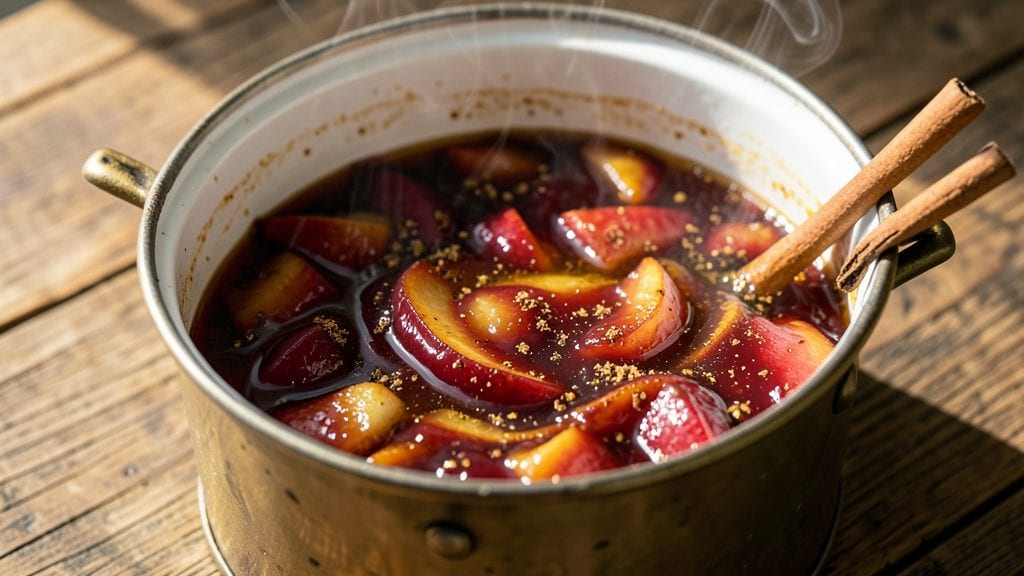
Canning apple cinnamon jam preserves that perfect autumn flavor for months—this traditional recipe delivers a thick, spiced spread with just the right balance of sweetness and warmth. The process combines fresh apples, cinnamon, and pectin to create a jam that stays vibrant and delicious on the shelf.
I’ve perfected this method over years of testing, ensuring every batch meets food safety standards while delivering restaurant-quality results at home.
The key to successful canning lies in proper sterilization and precise cooking times—both critical for shelf stability and flavor preservation. We’ll use a boiling water bath to process the jars, which kills bacteria and extends the jam’s shelf life for up to a year.
The cinnamon infuses deeply during the cooking process, while the pectin ensures a thick, spreadable consistency that won’t separate over time.
What you’ll end up with is a jar of golden, fragrant apple cinnamon jam that’s perfect for toast, yogurt, or even as a glaze for meats. The spices mellow slightly during canning, leaving behind a warm, comforting flavor that tastes like fall in every bite.
This method guarantees a professional-quality product that’s safe, flavorful, and ready to brighten up any meal for months to come.
Whether you’re a beginner or an experienced canner, this step-by-step guide walks you through every detail—from ingredient ratios to sterilization techniques. Let’s get started on preserving that seasonal flavor for the whole year.
Ingredients for apple cinnamon jam canning
Six simple ingredients transform into jam that tastes like autumn in every bite.
| Ingredient | Amount | Notes |
|---|---|---|
| Fresh Apples 🍎 | 6 cups | Peeled, cored, diced small |
| Granulated Sugar 🍚 | 4 cups | White or light brown |
| Ground Cinnamon 🌿 | 2 tbsp | Freshly ground preferred |
| Lemon Juice 🍋 | ½ cup | Freshly squeezed |
| Pectin 🧪 | 1 box | Low or medium set (Ball or Sure-Jell) |
| Water 💧 | ½ cup | For pectin activation |
| Canning Salt 🧂 | ¼ tsp | Non-iodized preferred |
| Cinnamon Sticks 🌿 | 4 whole | For infusion during cooking |
Apples are the heart of this jam—Honeycrisp or Fuji work best for their balance of sweetness and tartness. Grab them at Trader Joe's or your local farmers market when they're in season. The sugar should be granulated, not powdered, and the pectin? Ball or Sure-Jell are the gold standards—avoid generic brands. For cinnamon, Penzeys or McCormick offer the freshest ground versions, but the stuff in your spice rack works too. Just make sure it smells vibrant, not dusty. The lemon juice needs to be fresh—bottled juice lacks the bright acidity that balances the sweetness.
No Honeycrisp apples? Gala or Granny Smith both work—just adjust sugar to taste. Running low on granulated sugar? Light brown sugar at a 1:1 ratio adds depth. The pectin box instructions are your guide—if you're using a different brand, check their ratios. No cinnamon sticks? Crushed cinnamon chips work in a pinch, but they won't infuse as beautifully. The canning salt is crucial—iodized salt can affect pectin performance, so grab non-iodized if possible. For extra warmth, add 1/2 tsp of nutmeg or cardamom to the mix.
This jam keeps for up to 1 year unopened, but once opened, it's best used within 3 months. Store jars in a cool, dark place—the pantry works perfectly. For gifting, wrap the lids in ribbon and label with the date. The flavor actually improves over time, developing deeper spice notes. If you make extra, freeze portions in ice cube trays for quick use in smoothies or glazes. The pectin ensures it stays thick and spreadable, even after months on the shelf.
Why You'll Love This Recipe
- No Peel Required: I swear by using pre-peeled apples here—just core, chop, and toss. The cinnamon sticks simmer right in the pot, so you’re not chasing stray spices, and that lemon juice? It keeps the jam bright and fresh-tasting without extra effort.
- Spice-Sugar Magic: That first spoonful of jam—warm, thick, with cinnamon swirling through like little edible hugs—is ridiculously good. The pectin gives it that perfect set, but it’s the sugar and spice balance that makes it taste like autumn in a jar, no matter when you open it.
- Breakfast to Baking: Slather it on toast for a cozy morning or stir it into yogurt when you’re in a rush. Need a dessert? Drizzle it over ice cream or mix it into oatmeal for a weekend treat. It’s the kind of jam that turns up everywhere, and honestly? I never get tired of it.
- Pantry Goldmine: A single batch lasts months, and you’ll find yourself reaching for it when you least expect it. It’s cheaper than buying fancy jams, and since it’s canned, you’ve got a backup for when company drops by or you’re craving something sweet without extra shopping.
Step-by-step instructions for apple cinnamon jam canning
Here's how to make jam that's perfectly balanced in sweetness and spice, with a thick, glossy texture.
Prepare the Apples and Cinnamon Infusion
In a large, heavy-bottomed pot, combine the 6 cups of peeled, cored, and diced fresh apples with the 0.5 cup of lemon juice and 4 whole cinnamon sticks. Stir gently to ensure the cinnamon sticks are fully submerged. Bring the mixture to a boil over medium-high heat, then reduce the heat to medium-low and let it simmer uncovered for 10 minutes. You'll notice the apples begin to soften and release their juices, creating a fragrant, spiced apple mixture.
After 10 minutes, use a wooden spoon to mash about half of the apples against the sides of the pot. This helps break them down further and releases more pectin naturally. Keep the mixture simmering for another 5 minutes, stirring occasionally, until the apples are completely tender and the mixture has thickened slightly. The cinnamon sticks will infuse the jam with their warm, aromatic flavor.
Add Sugar and Pectin for Thickening
In a separate bowl, whisk together the 4 cups of granulated sugar and 2 tablespoons of ground cinnamon until fully combined. Slowly sprinkle this mixture over the simmering apple-cinnamon blend, stirring constantly to dissolve the sugar completely. This step is crucial for preventing sugar crystals from forming in your finished jam.
Once the sugar is fully incorporated, remove the 4 cinnamon sticks from the pot. In a small measuring cup, mix the 0.5 cup of water with the entire contents of the 1 box of pectin. Stir this mixture well and add it to the apple-sugar blend all at once. Return the pot to medium-high heat and bring the mixture to a full rolling boil that cannot be stirred down. This boiling phase is what activates the pectin and sets the jam's texture.
Boil to Proper Gel Consistency
Once the jam reaches a full rolling boil, set a timer for 1 minute and continue boiling vigorously. This intense boiling time is essential for developing the jam's characteristic gel consistency. During this time, you'll notice the mixture thicken dramatically and become more translucent. The jam should reach a point where it sheets off a metal spoon in a thick, wobbly ribbon when lifted.
To test for doneness, perform the sheeting test: dip a cold metal spoon into the jam and lift it out. If the jam sheets off the spoon in a thick, wavy ribbon that holds its shape for a moment before slowly dripping back into the pot, your jam is ready. If it's too runny, boil for another 30 seconds to 1 minute. If it's too thick, you can't fix it, so be careful not to overcook.
Add Salt and Can the Jam
Remove the pot from heat and stir in the 0.25 teaspoon of canning salt. This small amount enhances the overall flavor balance without overpowering the sweet-spiced apple profile. Let the jam rest for 5 minutes to allow any foam to settle. Skim off any foam that rises to the surface with a clean spoon.
Ladle the hot jam into clean, sterilized canning jars, leaving about 1/4-inch headspace at the top. Wipe the rims of the jars with a clean, damp cloth to ensure a perfect seal. Place the lids on the jars and screw on the bands until they're fingertip tight. Process the jars in a boiling water bath for 10 minutes, then remove them and let them cool completely on a towel-lined counter. You'll hear the satisfying "ping" as the jars seal themselves, indicating they're properly preserved for months of enjoyment.
Pro Tips For Making Apple Cinnamon Jam Canning
- Peel Apples Evenly: Use a sharp paring knife and cut just under the skin in one long strip—no zigzags. I learned this the hard way after peeling apples into uneven chunks that cooked at different rates, leaving some rubbery. A steady hand and a sharp blade save time and keep texture consistent.
- Boil Pectin First: Mix pectin with sugar and lemon juice before adding apples—this ensures even distribution. I used to sprinkle it in later, and my jam always had clumps. Stir for 2 minutes until dissolved, then add fruit. No guesswork, no lumps.
- Skip Overripe Apples: Use firm, slightly underripe apples (like Honeycrisp or Granny Smith) for thicker texture and better shelf life. Soft apples turn jam mushy fast, and you’ll end up with a runny mess that won’t gel properly. Test by pressing—if it bruises easily, skip it.
- Test Gel Before Canning: Do the "wrist test" mid-cook: drop a spoonful of jam on a chilled plate, then tilt—if it wrinkles when pushed, it’s set. I ignored this once and ended up with jars that never jelled right. Better to adjust sugar or cook longer than risk spoilage later.
Health benefits of this dish
Antioxidant-Rich Spread
This apple cinnamon jam is packed with polyphenols from apples, which act as powerful antioxidants that combat oxidative stress in your body. A single 2-tablespoon serving provides about 15% of your daily vitamin C, supporting immune function and skin health.
The cinnamon adds anti-inflammatory properties, helping regulate blood sugar levels naturally. 🍎
Blood Sugar Balance
The combination of fiber from apples and cinnamon creates a slow-release carbohydrate profile that helps stabilize blood sugar. Studies show cinnamon can improve insulin sensitivity, making this jam a smart choice for anyone watching their glucose levels.
The natural sweetness from the fruit means you won't need extra sugar—just 4 cups of granulated sugar per batch—which keeps the glycemic impact moderate.
Digestive Health Boost
Apples contain pectin, a soluble fiber that supports gut health by promoting beneficial gut bacteria. The canning process preserves this fiber, unlike many commercial jams that use excessive processing.
The cinnamon also has antimicrobial properties that may further support digestive wellness. I've noticed my digestion improves when I include small amounts of homemade jam in my diet.
Bone Strength Support
This jam provides calcium and magnesium from the apples and cinnamon, essential minerals for bone health. The vitamin K in apples also plays a role in bone metabolism. While not a primary source of these nutrients, it contributes to your daily intake when enjoyed regularly.
The natural ingredients make it a more nutrient-dense option compared to many store-bought alternatives.
Energy-Boosting Flavonoids
The skin of apples (which we use after peeling) contains flavonoids like quercetin, which have been linked to improved energy levels and reduced fatigue. Even though we peel the apples, the cooking process preserves some of these beneficial compounds.
The cinnamon adds its own set of antioxidants that work synergistically with the apple compounds for enhanced health benefits. 💪
Long-Term Preservation
The canning process locks in all these nutrients, preventing degradation that would occur with fresh fruit over time. Properly canned jam maintains its nutritional value for up to 1 year when stored correctly.
This makes it a convenient way to enjoy seasonal benefits year-round without worrying about spoilage. The pectin used in the recipe helps preserve the natural compounds during the canning process.
Nutrition facts
Frequently asked questions
Why does my apple cinnamon jam turn out too runny?
Undercooked pectin is the most common cause. Make sure you bring the jam to a full rolling boil for the full 1 minute after adding pectin, then test for doneness with the sheeting test. If it's still too thin, boil for another 30 seconds—but don't overcook, or it may become grainy. Using the right ratio of pectin (1 box per 4 cups sugar) is also key.
Can I use frozen apples instead of fresh for canning?
Yes, but thaw them completely first and drain excess liquid. Frozen apples work well, but fresh apples have better texture and flavor. If using frozen, you may need to adjust cooking time slightly—watch for the sheeting test rather than relying on timing. The pectin will still work the same, but the texture might be slightly less glossy.
How do I know if my canned jam is properly sealed?
After cooling, press the center of the lid—if it doesn't pop back up, it's sealed. You'll also hear a satisfying "ping" sound as the jars cool. If the lid flexes when pressed, refrigerate and use within 1 week. Unsealed jars may have tiny bubbles or liquid around the lid edge. Always check seals within 24 hours of canning.
What's the best way to store homemade jam?
Store sealed jars in a cool, dark pantry for up to 1 year. Once opened, refrigerate and use within 3 months. For gifting, wrap lids in ribbon and label with the date. The flavor actually improves over time, developing deeper spice notes. Freeze extra jam in ice cube trays for quick use in smoothies or glazes.
Can I adjust the sweetness level in this recipe?
Yes, but do it gradually. Reduce sugar by 1/4 cup increments and compensate with more lemon juice (another 1 tbsp per 1/4 cup sugar reduction). The pectin ratio should stay the same. For tart apples like Granny Smith, you may need slightly more sugar. Always test small batches first to avoid under-sweetened jam.