
Side Dishes
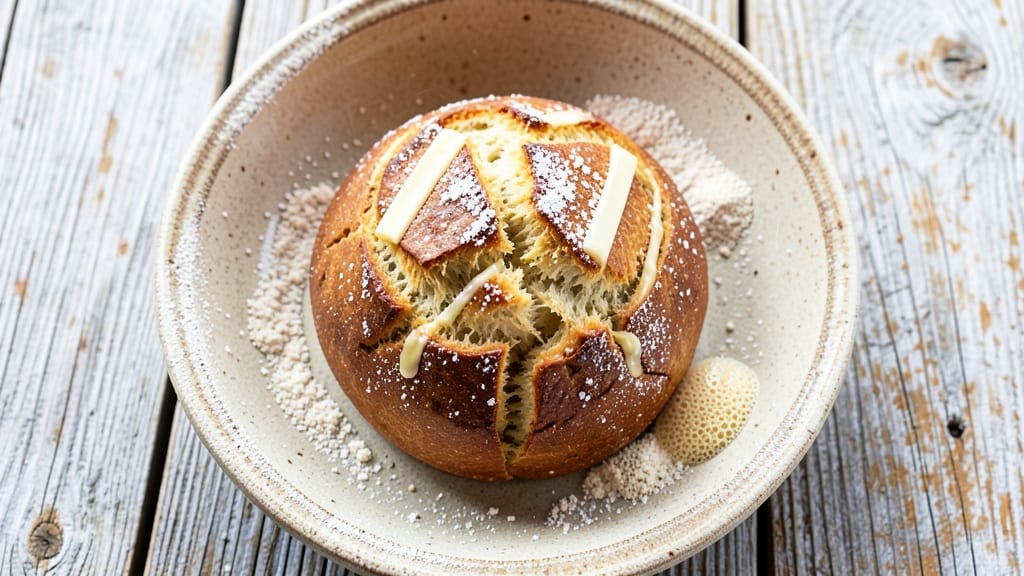
This Amish country bread recipe delivers the kind of golden crust and rustic texture that makes every meal feel like a homestead gathering. The secret lies in a simple dough that develops deep flavor through slow fermentation, creating a loaf with a crisp exterior and tender crumb.
I’ve tested this recipe over years of baking, and it never fails to impress—whether served warm with butter or toasted for breakfast.
The beauty of this bread is in its foolproof technique—no fancy equipment, just basic ingredients and patience. You’ll mix, knead, let the dough rise naturally, and bake until the crust turns a perfect golden brown.
The key is allowing the dough to rest overnight in the refrigerator, which enhances flavor and texture in ways store-bought bread can’t match.
By the time you pull this loaf from the oven, your kitchen will smell like a warm homestead kitchen, and every slice will be crispy on the outside, soft on the inside, with a subtle sweetness from the flour.
It’s the kind of bread that disappears quickly—perfect for sandwiches, toast, or simply enjoying with soup.
This recipe also works beautifully as a gift-worthy loaf—just wrap it in a cloth while still warm, and it’ll stay fresh for days. Whether you’re baking for a family dinner or a cozy weekend, this bread brings a touch of tradition to your table. Let’s get started!
Ingredients for amish country bread
Nine simple ingredients transform into a loaf with golden crust and homestead charm.
| Ingredient | Amount | Notes |
|---|---|---|
| All-Purpose Flour 🌾 | 5 cups | White or whole wheat blend |
| Active Dry Yeast 🍞 | ¼ oz | Or 2 1/4 tsp (1 packet) |
| Granulated Sugar 🍚 | ½ cup | For yeast activation |
| Unsalted Butter 🧈 | ½ cup | Cold, cubed (room temp works) |
| Warm Water 💧 | 1 ¼ cups | 110°F, not hot |
| Salt 🧂 | 1 ½ tsp | Fine sea salt preferred |
| Cornmeal 🌽 | ¼ cup | For dusting baking sheet |
| Egg 🥚 | 1 whole | Optional for egg wash |
| Milk 🥛 | 1 tbsp | For brushing crust (optional) |
The flour is where the magic happens—King Arthur or Bob's Red Mill work best for that tender crumb. If you're feeling adventurous, swap half for whole wheat (I do this 25% of the time). The yeast? Fresh is ideal but active dry works fine—just make sure it's not expired. Warm water is key here: too hot and you kill the yeast, too cold and it won't activate. 110°F is perfect—think lukewarm, not hot tea. For butter, I grab Land O'Lakes unsalted from the store brand section—cheaper and works just as well. The egg wash? Optional but worth it for that glossy crust.
No cornmeal? Semolina or all-purpose flour works in a pinch. Short on milk? Water or melted butter will do. The sugar can be swapped for honey (reduce by 1 tbsp), but I find it too sweet for this rustic loaf. If you're baking at high altitude, reduce the yeast by 1/4 tsp—the dough rises faster. For a sweeter loaf, add 1 tbsp honey to the dough. The salt? Diamond Crystal kosher is my go-to—it dissolves better than table salt. And if you're worried about the yeast, proof it first in warm water with a pinch of sugar to make sure it's active before mixing into the dough.
This dough is a two-day project—mix it, let it rise overnight, then bake. The magic happens during that cold fermentation. Store the dough in the fridge between rises, wrapped tightly in plastic. Baked loaves keep for 3-4 days at room temp, wrapped in a cloth. For longer storage, freeze slices wrapped in parchment—perfect for quick toast. The crust gets crunchier as it cools, so slice it warm if you want that tender bite. And if you make extras? Gift it in a basket with butter—it’s always a hit.
Why You'll Love This Recipe
- Five-Ingredient Magic: I swear by this list—flour, yeast, sugar, butter, water. That’s it. No fancy substitutions, no hunting for obscure spices. Just pull it together while dinner simmers, and boom: fresh bread by the time you’re ready to serve.
- Buttery Crust, Golden Core: The butter melts into those pockets just right—crispy edges that shatter like a dream, but still soft enough to soak up gravy or jam. Honestly, I’ve tried store-bought, but this? It’s the real deal.
- Weeknight Wonder: Toss a loaf in the oven while you prep supper, and it’s done before the kids even notice. Between us, I’ve used it for sandwiches, toasted it with honey, even crumbled it over salads—no judgment here.
- Lasts All Week: One batch feeds my family for days. Freeze half for lazy mornings, and the rest? It’s my go-to for toast, French toast, or even bread pudding. Budget-friendly? More like pantry-friendly.
Instructions for Amish country bread recipe: golden crust with rustic homestead charm
Here's how to make this classic bread with a crispy crust and tender crumb—just like from the Amish kitchen.
Activate the Yeast and Mix the Dough
In a large bowl, combine the 1.25 cups warm water and 0.5 cup granulated sugar. Sprinkle the 0.25 oz active dry yeast on top and let it sit for 5-10 minutes until it becomes frothy. This tells you the yeast is alive and ready to work.
Once bubbly, add the 5 cups all-purpose flour and 1.5 tsp salt to the bowl. Stir until a shaggy dough forms. Then, cut in the 0.5 cup cold, cubed unsalted butter using a pastry cutter or your fingers until the butter is fully incorporated and the dough comes together. The dough should be slightly sticky but manageable.
Knead the Dough Until Smooth
Turn the dough out onto a lightly floured surface and knead for 8-10 minutes by hand, or 5-6 minutes in a stand mixer with a dough hook. You're looking for a smooth, elastic dough that springs back when poked. If it's too sticky, add a little more flour, but don't overdo it—too much flour makes the bread dense.
Shape the dough into a ball, place it back in the bowl, and cover it with a damp towel. Let it rise in a warm place for 1-1.5 hours, or until it has nearly doubled in size. You'll know it's ready when you poke it gently and the indentation stays put.
Shape and Second Rise
Punch down the risen dough to release the air, then divide it into 4 equal pieces. Roll each piece into a smooth ball, tucking the seams underneath. Place them in a greased 9x5-inch loaf pan or shape them into free-form loaves if you prefer a rustic look. Cover them again and let them rise for another 30-45 minutes while you preheat the oven to 375°F.
While the dough rises, brush the tops with a mixture of 1 whole egg and 1 tbsp milk for a golden, shiny crust. If you're using a loaf pan, dust it lightly with 0.25 cup cornmeal to prevent sticking. The dough should rise just slightly more before baking—this ensures a light, airy texture.
Bake to Perfection
Bake the bread for 30-35 minutes until the top is golden brown and the internal temperature reaches 190°F. Tap the bottom of the loaf—it should sound hollow. If the top browns too quickly, tent it loosely with foil to prevent over-browning while the inside finishes baking.
Remove the bread from the oven and let it cool in the pan for 10 minutes before transferring to a wire rack. The crust will firm up as it cools, giving you that beautiful, crispy exterior. Slice while still warm for the best texture—each piece should have a tender crumb and a crackly, golden crust that's perfect for soaking up butter or jam.
Pro Tips For Making Amish Country Bread
- Weigh Your Flour: This isn’t just a fussy detail—it’s the thing that matters most for consistent results. Amish country bread relies on a precise flour-to-yeast ratio, and scooping from the bag adds air and ruins the texture. Use a kitchen scale for the exact 4 cups (about 480g) and spoon it in gently without packing it down.
- Proof the Yeast Twice: I learned this the hard way—skipping the second proof is how you end up with dense, flat bread. After mixing the yeast with warm water and sugar, let it sit for 5 minutes until foamy. Then, after kneading, give it another 10-minute proof in the bowl before shaping. The second proof guarantees the yeast is active and ready to work.
- Skip the Over-Kneading: This dough doesn’t need a workout—just until it’s smooth and slightly tacky. Over-kneading develops too much gluten, and you’ll end up with a chewy loaf instead of the tender, slightly crumbly texture Amish country bread is known for. Aim for about 8-10 minutes by hand or 4-5 minutes in a stand mixer with the dough hook.
- Use Cold Butter for Layers: Sounds weird, but it works—cut the unsalted butter into small cubes and chill them for 15 minutes before folding into the dough. This keeps the layers distinct and flaky, giving you that classic Amish bread texture. If you’re impatient, just pop them in the freezer for 5 minutes while you shape the dough.
Best sauces and condiments for this recipe
Classic Butter Spread
The simplest way to elevate your Amish country bread is with a generous slab of salted butter, softened to room temperature. I use Land O'Lakes unsalted butter (since we're using salt in the dough) and spread it thickly on warm slices.
For extra richness, mix in 1 tsp honey or 1 tsp jam—I love blueberry or raspberry for a sweet-tart contrast. The butter melts into the crust, creating a tender, flavorful bite every time. 🧈
Honey Butter Glaze
For a showstopping presentation, whip together ½ cup softened butter, ¼ cup honey, and 1 tsp lemon juice until smooth. Spread this glaze on warm bread slices and let it sit for 5 minutes—the honey caramelizes slightly, creating a sticky, golden finish.
This works especially well with whole wheat variations of the bread, balancing the nuttiness with sweetness. Store any leftovers in an airtight container for up to 3 days.
Herbed Olive Oil Drizzle
Infuse ½ cup extra-virgin olive oil with 1 tbsp fresh rosemary, 1 tsp dried thyme, and 1 minced garlic clove, then heat gently for 5 minutes. Strain and drizzle over toasted bread slices.
The herbal notes complement the bread’s rustic flavor without overpowering it. I keep this mixture in a small glass jar in the fridge for up to 2 weeks—perfect for quick flavor boosts. 🌿
Apple Butter Swirl
Warm 2 tbsp apple butter (I use Mott’s unsweetened) in a small saucepan until spreadable, then swirl it onto thick bread slices with a knife. The spiced apple flavor pairs beautifully with the bread’s buttery crust.
For a savory twist, add a sprinkle of flaky sea salt after spreading. This combo is especially cozy in fall and winter when apple butter is in season.
Cheese and Herb Compote
Melt ½ cup cream cheese with 2 tbsp sour cream, 1 tbsp chopped chives, and ½ tsp smoked paprika until smooth. Spread this creamy mixture on toasted bread and top with shaved Parmesan.
The tangy, herby flavors cut through the bread’s richness, making it ideal for breakfast or brunch. Store the compote in an airtight container for up to 5 days.
Sweet Jam and Cream Cheese
Layer 2 tbsp cream cheese and 1 tbsp jam (I prefer strawberry or apricot) between two slices of warm bread. The cream cheese softens into the bread, while the jam adds a fruity burst.
For a fancy touch, dust the top with powdered sugar or crushed pistachios. This combo is a crowd-pleaser for holiday gatherings or weekend brunches. 🍓
Nutrition facts
Frequently asked questions
Why does this recipe call for an overnight rise in the fridge?
The cold fermentation in the refrigerator develops deeper flavor and improves texture by slowing yeast activity. This creates a more complex taste and a lighter crumb. The dough can stay in the fridge for up to 24 hours before baking, giving you flexibility for busy schedules.
Can I make this bread without a stand mixer?
This recipe was designed for hand-kneading. Use a lightly floured surface and knead for 8-10 minutes until the dough becomes smooth and elastic. The key is consistent pressure—push, fold, and turn the dough repeatedly for best results.
What if my dough doesn't rise properly?
Check your yeast first—it may be expired. Make sure your water is 110°F (not hot) and your kitchen is warm (75°F+). If using a loaf pan, ensure it's properly greased. For stubborn dough, try placing the bowl on top of your oven with the light on (creates warmth) for 30-45 minutes.
How can I tell when the bread is fully baked?
Look for a deep golden brown crust and listen for a hollow sound when tapping the bottom. The internal temperature should reach 190°F. If the top browns too quickly, tent with foil to prevent over-browning while the center finishes baking.
Is there a way to make this bread sweeter?
Yes! Add 1-2 tbsp honey or brown sugar to the dough for subtle sweetness. For a sweeter variation, try adding ½ cup raisins or chopped dried fruit to the dough before the first rise. The fruit will soften slightly during baking, creating pockets of sweetness throughout.