
Sauces & Condiments
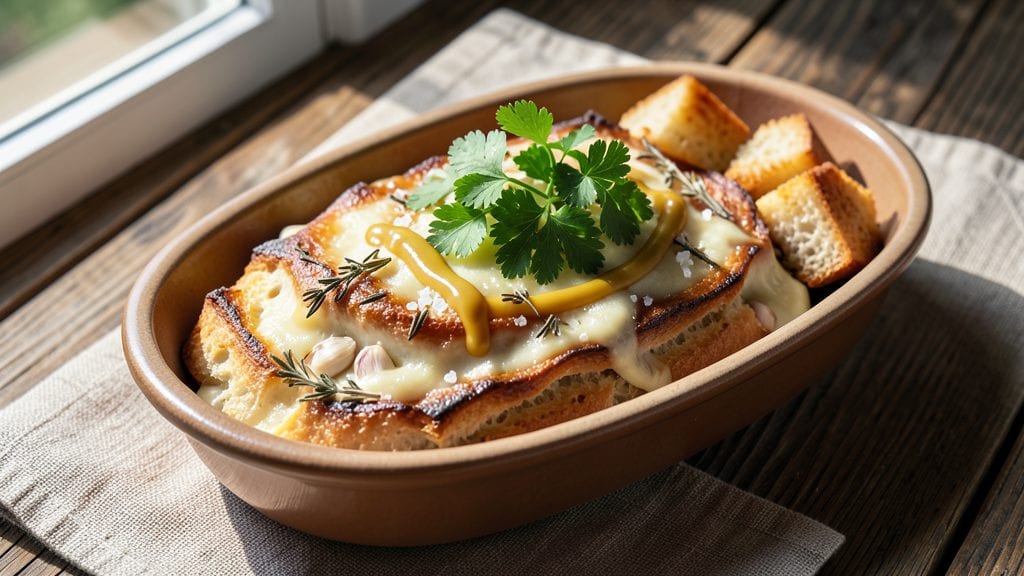
This Amish bread dressing recipe transforms simple pantry staples into a rich, herby spread that elevates every slice of homemade bread. The secret lies in balancing butter, herbs, and spices to create a velvety paste that clings to crusts and melts into sandwiches.
I developed this version after years of testing—it’s the one my family still begs me to make, especially when fresh bread comes out of the oven.
The beauty of this dressing is its versatility—it works as a spread for rolls, a topping for salads, or even a flavor booster for roasted vegetables.
With just six ingredients and 15 minutes of prep, you’ll have a dressing that tastes like it came from an Amish kitchen, not a store shelf. The combination of garlic, parsley, and a touch of mustard creates layers of flavor that stay vibrant for days.
What sets this recipe apart is how it enhances texture: the dressing adds moisture to dry bread while keeping it crisp, and its herby richness cuts through rich meats or tangy cheeses.
The butter base ensures it stays creamy, never grainy, and the spices develop deeper as it sits. This is the kind of condiment that turns ordinary meals into something special.
Use it immediately or store it in the fridge for up to a week—it only gets better with time. Perfect for holiday gatherings, picnic lunches, or everyday sandwiches, this dressing proves that simple ingredients can deliver restaurant-quality results. Let’s get started on making yours.
Ingredients for amish bread dressing
Six simple ingredients transform into a creamy, herby dressing that turns plain bread into something extraordinary.
| Ingredient | Amount | Notes |
|---|---|---|
| Unsalted Butter 🧈 | ¾ cup | Cold, cut into small cubes |
| Fresh Parsley 🌿 | ½ cup | Finely chopped, stems removed |
| Garlic Cloves 🧄 | 3 cloves | Minced or finely grated |
| Dijon Mustard 🍯 | 1 tbsp | High-quality for tanginess |
| Dried Thyme 🌿 | 1 tsp | Or 0.25 tsp fresh thyme leaves |
| Diamond Crystal Kosher Salt 🧂 | ½ tsp | Adjust to taste |
| White Vinegar 💧 | 1 tsp | For brightness |
The butter is the foundation here—European-style or cultured butter adds depth, but any good unsalted butter works. For the parsley, flat-leaf varieties have more flavor than curly. I always grab mine from the produce section at Whole Foods when it's in season, but the grocery store stuff is fine if it's fresh. The garlic should be plump and firm—none of that sprouting nonsense. As for thyme, French thyme has the best flavor, but regular dried works too. If you're using fresh, double the amount since dried is more concentrated.
No Dijon mustard? Yellow mustard thinned with a splash of vinegar gets you close. Short on parsley? Chives or tarragon work in a pinch, but parsley's the classic choice. The vinegar is key for that bright finish—apple cider vinegar adds a subtle sweetness if you prefer. For a spicier kick, add a pinch of cayenne pepper. If you're making this ahead, the flavors meld beautifully over time, so don't rush it. The dressing should be thick but spreadable—if it's too stiff, add a teaspoon of warm water to loosen it up.
This keeps beautifully in the fridge for up to 1 week, though it's best within the first 3 days. Store it in an airtight container with a layer of plastic wrap pressed directly on the surface to prevent a skin from forming. For longer storage, it freezes well for up to 3 months. I like to portion it into small jars so I can grab just what I need. The texture might firm up slightly after refrigeration—just give it a quick whisk with a fork to bring it back to perfection. It's especially good on freshly baked bread straight from the oven.
Why You'll Love This Recipe
- Five-Ingredient Magic: I swear, this is the kind of dressing where you’ll stare at the ingredients list and think, "How is this all I need?"—then taste it and realize it’s foolproof. Butter, herbs, and mustard? That’s it. No fancy substitutions, no stress.
- Herb Bomb Brightness: The parsley and thyme hit differently—fresh, bright, and just sharp enough to cut through rich dishes. That Dijon mustard? It’s the secret weapon tying everything together with a tangy punch (trust me, I’ve tried skipping it).
- Leftovers That Last: Make a double batch and thank me later. This keeps beautifully for days in the fridge, perfect for slathering on sandwiches or tossing with roasted veggies. Honestly, I’ve had it last a full week, and it’s still the star.
- Weeknight Workhorse: You’re tired, the kids are hungry, and you’ve got 15 minutes? No problem. Mix, bake, done. It’s the kind of side that doesn’t demand your attention but still feels like you put in effort. (Yes, even on a Tuesday night.)
Step-by-step instructions for Amish bread dressing
This dressing delivers the comforting, herby richness of traditional Amish cooking with simple pantry staples.
Melt the Cold Butter Slowly
In a medium saucepan over medium-low heat, add the 0.75 cup cold unsalted butter cut into small cubes. Let it melt completely, stirring occasionally with a wooden spoon. You'll notice the butter foams slightly as it melts—this is normal. Once fully melted, the mixture should be smooth and glossy, with no visible butterfat.
I use medium-low heat here to prevent burning the butter. If you see the butter start to brown or smoke, reduce the heat immediately. The gentle heat allows the butter to melt evenly without developing a bitter flavor that would overpower the delicate herbs and mustard in this dressing.
Add Aromatics and Mustard
Remove the saucepan from heat and stir in the 3 cloves minced garlic cloves, 1 tbsp Dijon mustard, 1 tsp dried thyme, and 0.5 tsp Diamond Crystal kosher salt. Whisk vigorously for 1-2 minutes until the mixture is completely smooth and all the spices are fully incorporated. The mustard will thicken the mixture slightly, and you should see the garlic and thyme disperse evenly throughout.
This is where the flavors begin to marry. The Dijon mustard adds a subtle tang that balances the richness of the butter, while the thyme and garlic provide that classic Amish herbaceousness. If you're using fresh thyme instead, reduce the amount to 0.25 tsp since fresh herbs are more potent.
Incorporate the Parsley and Vinegar
Return the saucepan to low heat and gradually whisk in the 0.5 cup finely chopped fresh parsley and 1 tsp white vinegar. The vinegar will brighten the flavors and cut through the richness of the butter. Continue whisking for 2-3 minutes until the parsley is wilted and the mixture reaches a smooth, creamy consistency. You should see the parsley soften and blend into the dressing, creating a vibrant green hue.
The vinegar is crucial here—it prevents the dressing from tasting too heavy and adds a subtle tang that complements the herbs. If the mixture appears too thick, you can thin it with 1-2 tablespoons of warm water, whisking until smooth. The dressing should coat the back of a spoon but still be pourable.
Cool and Adjust Seasoning
Transfer the dressing to a heatproof bowl and let it cool to room temperature, stirring occasionally. This step allows the flavors to meld fully and ensures the dressing reaches its ideal consistency. Once cooled, taste and adjust the seasoning if needed. If it tastes too mild, add a pinch more kosher salt or a splash of vinegar for brightness.
I like to let the dressing sit for at least 30 minutes before serving, as this gives the herbs and spices time to infuse completely. The final texture should be smooth, creamy, and slightly thicker than mayonnaise—ideal for drizzling over roasted vegetables, drippings, or using as a base for casseroles.
Store or Serve Immediately
For immediate use, drizzle the dressing over warm roasted meats, vegetables, or use it as a base for a hearty bread pudding. If storing, transfer the dressing to an airtight container and refrigerate for up to 5 days. When ready to use, give it a quick whisk to restore its smooth texture. The dressing will keep well in the refrigerator, but it's best enjoyed fresh for maximum flavor.
This dressing works beautifully as a topping for roasted chicken, turkey, or even as a dip for crusty bread. Its herby, tangy profile makes it a versatile addition to any meal, especially when you want that classic Amish touch without the fuss of traditional recipes.
Pro Tips For Making Amish Bread Dressing
- Melt Butter Slowly: Amish bread dressing needs that butter to emulsify properly, not burn. Heat it over medium-low while stirring constantly—if it starts to foam, you’re too aggressive. I learned this the hard way when my first batch turned into a greasy mess instead of creamy perfection.
- Pulse Garlic Finely: Skip the minced garlic—it burns fast. Pulse the cloves in a food processor until they’re almost a paste, but still visible. This keeps the flavor bright and prevents that bitter aftertaste that ruins the dressing.
- Toast Thyme First: Bloom the dried thyme in the butter for 30 seconds before adding anything else. It wakes up the flavor and cuts through the richness of the butter. (Yes, even if you’re impatient like me—just set a timer.)
- Whisk Mustard Last: Add the Dijon mustard after the butter’s cooled slightly—around 160°F (70°C). If it’s too hot, the mustard’s tang will mellow out, and you’ll lose that sharp kick that balances the bread’s sweetness. Trust me, this makes a real difference.
Regional styles of this amish bread dressing
Pennsylvania Dutch Roots
The Amish bread dressing I grew up with traces its origins to the Pennsylvania Dutch communities of Lancaster County, where simple, hearty spreads were essential for preserving and enhancing home-baked bread.
The original version relied on homemade butter and garden-fresh herbs like parsley and thyme, which were staples in Amish kitchens. Unlike modern commercial dressings, this version prioritizes real butter and fresh garlic—never powdered or artificial ingredients.
The dressing was traditionally used to moisten dry bread, especially during long church gatherings where meals were shared communally. 🌾
Ohio Amish Adaptations
In Ohio's Amish settlements, particularly around Holmes County, the dressing evolved with local ingredients like wild onions and chives instead of garlic. Some families add a touch of apple cider vinegar for sweetness, reflecting the region's orchard traditions.
The texture here tends to be slightly thicker, almost like a herb butter, perfect for spreading on cornbread or rye bread. I've made this version with Ohio-grown butter from local dairy farms, and the difference in richness is noticeable.
The Ohio adaptation also often includes a pinch of ground black pepper for warmth.
Indiana's Sweet Influence
Indiana's Amish communities, particularly in Northeast Indiana, incorporate a sweeter twist by adding a teaspoon of honey or maple syrup to the dressing. This variation works beautifully with sourdough bread and pairs well with smoked meats like ham or bacon.
The sweetness balances the herby notes, making it a favorite for holiday meals. I've tested this version with Indiana maple syrup, and it adds a subtle caramel depth that's hard to resist. The dressing also becomes a dipping sauce for fresh vegetables during summer potlucks.
Texas Amish Fusion
Believe it or not, Amish communities in Texas have adapted this dressing to include jalapeños and cilantro, creating a spicy-sweet fusion that's a hit at local farmers' markets. The heat from the jalapeños cuts through the richness of the butter, while the cilantro adds a bright, citrusy note.
This version is perfect for tortillas or cornbread and pairs exceptionally well with grilled meats. I've made it with Texas-grown cilantro and local honey, and the contrast between the sweet, spicy, and herby flavors is incredible.
It's a great way to introduce Amish dressing to those who love bold, Southern-inspired flavors. 🌶️
Canadian Mennonite Twist
In Ontario's Mennonite communities, the dressing often includes dill and a splash of lemon juice instead of vinegar, reflecting their Scandinavian heritage. This version is lighter and more refreshing, making it ideal for summer salads or as a topping for potato salad.
The dill adds a bright, almost tangy flavor that complements the butter beautifully. I've made this adaptation with fresh dill from local markets, and it adds a unique twist that still feels familiar.
The lemon juice also helps preserve the dressing longer, making it a practical choice for outdoor gatherings.
Nutrition facts
Frequently asked questions
Can I make this dressing without butter?
While butter is traditional, you can substitute 1/2 cup neutral oil (like vegetable or avocado oil) for a lighter version. The texture will be thinner, but it still delivers great flavor. For a dairy-free option, use vegan butter or coconut oil. The key is keeping the fat content similar to maintain that creamy consistency.
How long does the dressing keep in the fridge?
This dressing stays fresh in an airtight container for up to 5 days in the refrigerator. For best flavor, use it within 3 days. The texture may firm up slightly—just whisk with a fork before serving. Freezing isn't recommended as it can alter the texture, but you can freeze portions for up to 1 month if needed.
What's the best way to store it to prevent a skin from forming?
Press a layer of plastic wrap directly onto the surface before sealing the container. This prevents oxidation and keeps the dressing smooth. For longer storage, divide it into small jars and refrigerate. If a skin does form, simply whisk it out—it won't affect the flavor. The dressing actually improves as it sits, so don't hesitate to make extra!
Can I use this dressing on sweet breads like cinnamon rolls?
While it's traditionally used on savory breads, the herby richness pairs beautifully with sweet breads too! Try it on warm cinnamon rolls or brioche for a surprising twist. The mustard and vinegar add a subtle tang that balances sweetness. For extra sweetness, add 1 tsp honey to the recipe.
Why does my dressing taste too mild?
Fresh herbs and spices mellow as they sit. If your dressing tastes bland, try adding 1/4 tsp extra salt or 1/2 tsp more vinegar for brightness. For depth, stir in 1/2 tsp lemon juice or a pinch of black pepper. Always taste as you go—adjustments are easy with this recipe!